
Appalachian Echoes Fiction – serie
Visar alla böcker i serien Appalachian Echoes Fiction. Handla med fri frakt och snabb leverans.
3 produkter
3 produkter
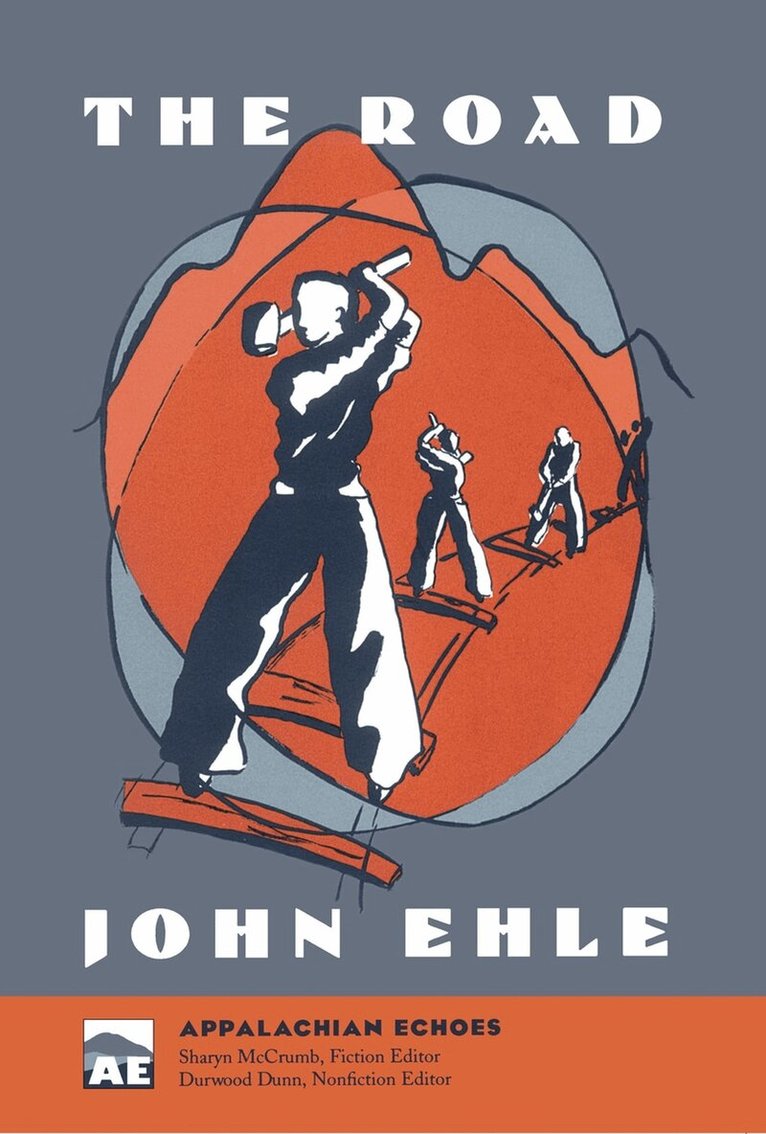
Häftad, Engelska, 1998
375 kr
Skickas inom 10-15 vardagar
"In The Road John Ehle's skill as a storyteller brings an early episode of road building in the North Carolina mountains to rich and vivid life. Hardship and humor, suffering and dreams are the balance for survival in a landscape that makes harsh demands on its intruders. Ehle lets us experience this place, people, and past in a fully realized novel."—Wilma Dykeman"The Road is a strong novel by one of our most distinguished authors. Muscular, vivid, and pungent, it is broad in historical scope and profound in its human sympathies. We welcome its return with warm pleasure."—Fred ChappellOriginally published in 1967, The Road is epic historical fiction at its best. At the novel's center is Weatherby Wright, a railroad builder who launches an ambitious plan to link the highlands of western North Carolina with the East. As a native of the region, Wright knows what his railway will mean to the impoverished settlers. But to accomplish his grand undertaking he must conquer Sow Mountain, "a massive monolith of earth, rock, vegetation and water, an elaborate series of ridges which built on one another to the top."Wright's struggle to construct the railroad—which requires tall trestles crossing deep ravines and seven tunnels blasted through shale and granite—proves to be much more than an engineering challenge. There is opposition from a child evangelist, who preaches that the railroad is the work of the devil, and there is a serious lack of funds, which forces Wright to use convict labor. How Wright confronts these challenges and how the mountain people respond to the changes the railroad brings to their lives make for powerfully compelling reading.The Author: A native of Asheville, North Carolina, John Ehle has written seventeen novels and works of nonfiction. His books include The Land Breakers, The Journey of August King, The Winter People, and Trail of Tears: The Rise and Fall of the Cherokee Nation. Among the honors he has received are the Lillian Smith Prize and the Thomas Wolfe Memorial Award.
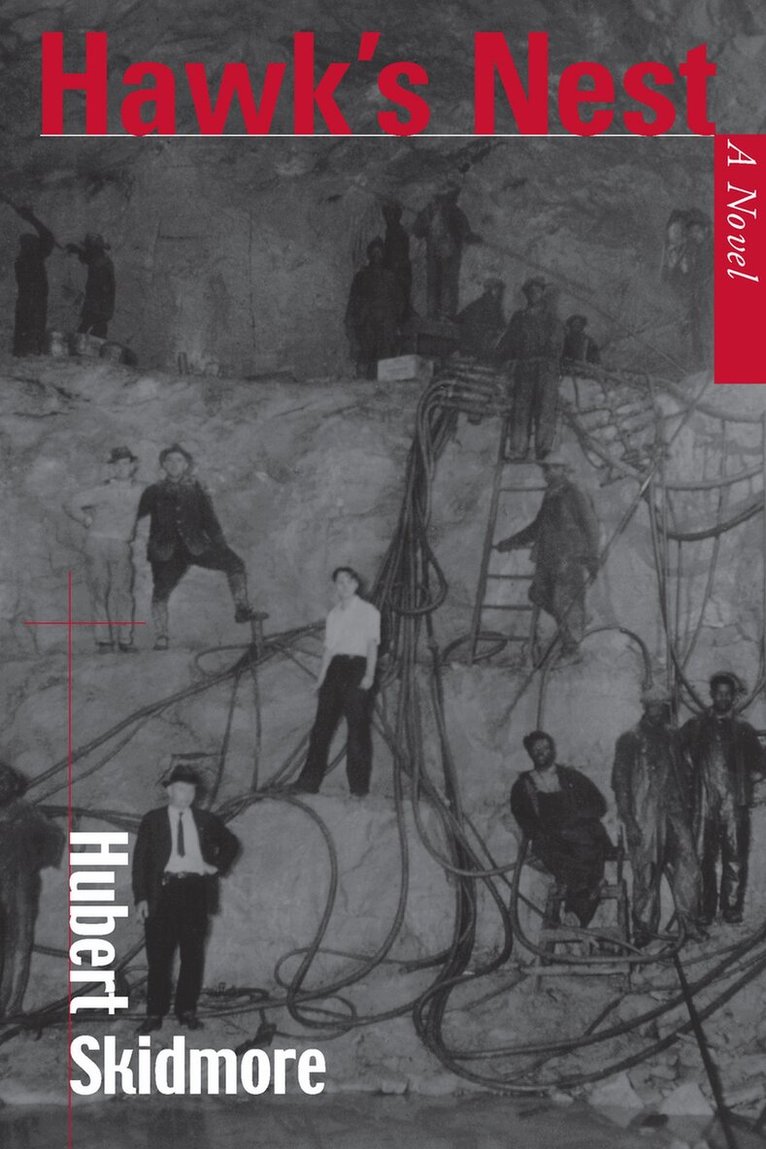
Häftad, Engelska, 2004
375 kr
Skickas inom 10-15 vardagar
Appalachian EchoesThomas E. Douglass, series fiction editor“Very real and tremendously moving. . . . Not only an obvious brief for the unfortunate but a well told and honest story.” —New York Times“Hubert Skidmore, a native West Virginian, wrote as a witness from inside the belly of the beast. His gift is for pitch-perfect dialogue, a varied cast of characters, and the calling up of emotion, of anger, fear, dread, and love. To encounter this novel at last is a sort of resurrection, both for its persecuted author and the Depression poor whose lives it evokes.” —Denise Giardina, author of The Unquiet Earth and Storming HeavenThe building of a tunnel at Gauley Bridge, West Virginia, beginning in 1930 has been called the worst industrial disaster in American history: more died there than in the Triangle Shirtwaist Factory fire and the Sunshine and Farmington mine disasters combined. And when native West Virginian Hubert Skidmore tried to tell the real story in his 1941 novel, Union Carbide and Carbon Corporation apparently convinced publisher Doubleday, Doran & Co. to pull the book from publication after only a few hundred copies had appeared.Now the Appalachian Echoes series makes Hawk’s Nest available to a new generation of readers. This is the riveting tale of starving men and women making their way from all over the Depression-era United States to the hope and promise of jobs and a new life. What they find in West Virginia is “tunnelitis,” or silicosis, a disease which killed at least seven hundred workers—probably many more—a large number of them African American, virtually all of them poor. Skidmore’s roman À clef provides a narrative with emotional drive, interwoven with individual stories that capture the hopes and the desperation of the Depression: the Reips who come from the farm with their pots and pans and hard-working children, the immigrants Pete and Anna, kind waitress Lessie Lee, and “hobos” Jim Martin, “Long” Legg, and Owl Jones, the last of whom, as an African American, receives the worst treatment. This important story of conscience encompasses labor history, Appalachian studies, and literary finesse.Hubert Skidmore (1909–1946) was the author of five other novels: I Will Lift Up Mine Eyes (1936), Heaven Came So Near (1938), River Rising (1939), Hill Doctor (1950), and Hill Lawyer (1942). He died in a house fire at the age of thirty-seven.
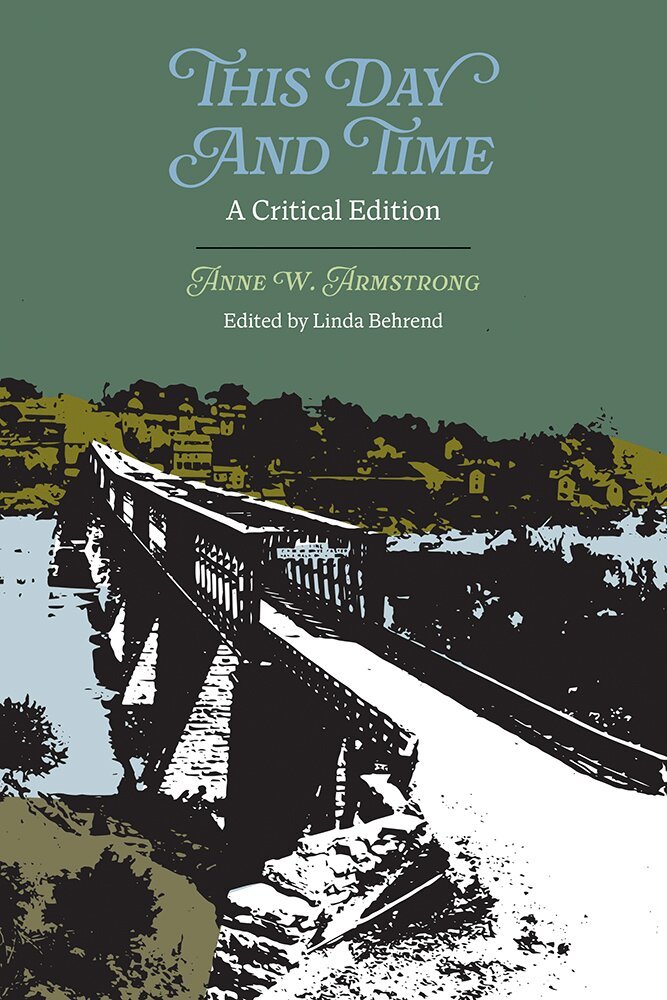
Häftad, Engelska, 2025
311 kr
Skickas inom 10-15 vardagar
Considered by many scholars to be the first novel to realistically depict the Appalachian region and its people, Anne Armstrong's This Day and Time (1930) follows a resilient young woman named Ivy, deserted by her husband and raising a young son in the mountains after having tried working factory jobs in town. With lyrical descriptions of the landscape and careful, if archaic, use of dialect, Armstrong explores both timeless and contemporaneous themes, including the impact of industrialization, the deep connection between mountaineers and their land, the roles and victimization of women, and the cycle of life through the changing seasons. Agrarian critic Donald Davidson called it “as true a novel of the mountains as has been written.”For this new edition of Armstrong's work, editor Linda Behrend has written a critical introduction that discusses these literary themes and other components of the text,including biographical information, an analysis of Armstrong's style and technique, and connections to other literary works of the time. An extensive bibliography includes archival and primary sources, book reviews from This Day and Time's original appearance in 1930, reviews of stage adaptations of the book, and sources that shed light on its unique linguistic style. Almost a century after This Day and Time was first published, this edition offers both an engaging narrative and an insightful study for a new generation of readers.