Argenteuil Symposia – serie
Visar alla böcker i serien Argenteuil Symposia. Handla med fri frakt och snabb leverans.
3 produkter
3 produkter
1 094 kr
Skickas inom 10-15 vardagar
The discovery of C-reactive protein in the laboratory of O. T. Avery at Rockefeller University in 1929-30 was the first specific obser- vation of the acute phase plasma protein response (Tillett and Francis 1930). This was one of three contributions of fundamental importance which emerged from that laboratory, the other two being the recognition that polysaccharides could act as antigens and that DNA transmits genetic information. In the course of charac- terization of pneumococcal carbohydrate antigens, a somatic poly- saccharide common to all Rand S forms of pneumococci was identified and designated Fraction "C" (Tillet et al. 1930). Testing of sera from patients with pneumococcal infection revealed the presence of material which precipitated with the C-polysaccharide but which differed from antibody in that calcium was required for the reaction. Furthermore, the amount of reactive material was greatest when patients were acutely ill and decreased in the convalescent phase, the precise opposite of specific anti-pneumo- coccal antibodies.Subsequently, the C-reactive material was shown to be a protein and to be present in the sera of individuals who were acutely ill with other, non-pneumococcal infections and tissue damaging conditions, hence Avery coined the term "acute phase" and called the protein "acute phase protein" (Abernethy and Avery 1941; MacLeod and Avery 1941). At that time methods were too insensitive to detect C-reative protein (CRP) in sera of healthy subjects and it was considered to be a pathological product.
1 094 kr
Skickas inom 10-15 vardagar
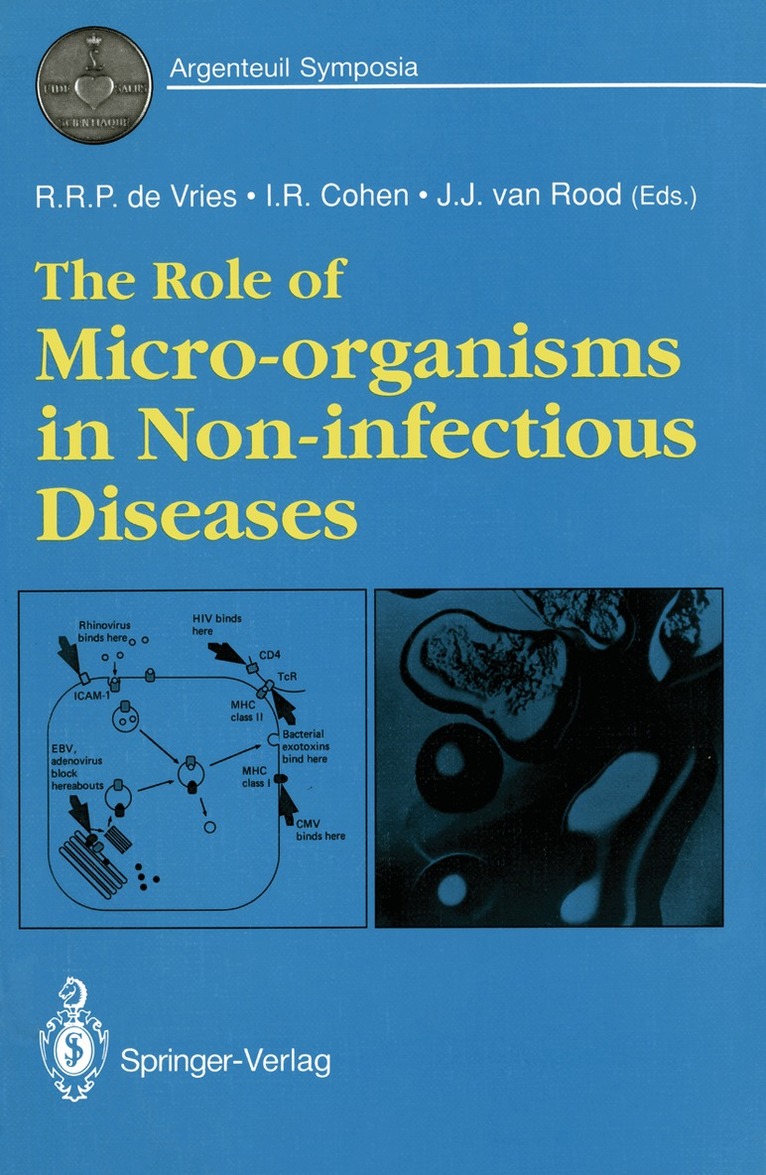
Based on a symposium covering latest research, this volume contains contributions by international experts. Some of the chapters cover specifically: streptococci and rheumatic heart disease, Epstein-Barr infection and cancer, and molecular mimicry and autoimmune disease.
550 kr
Skickas inom 10-15 vardagar
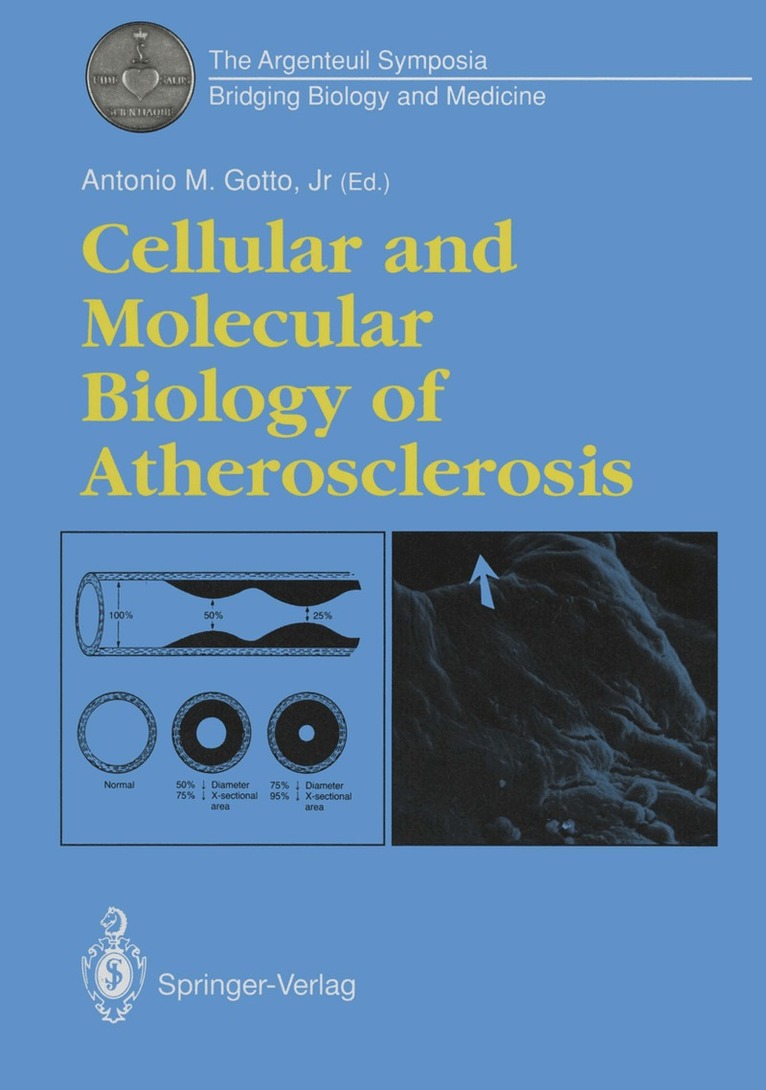
Atherosclerotic cardiovascular disease remains the major cause of death and disability in Western society. The field of atherosclerosis research has grown tremendously over the last forty years, shedding a great deal of light on the contributing factors and natural history of the disorder and enabling strategies for its treatment and prevention. Some of the greatest strides in this field in recent years have derived from advances in molecular biology techniques. These strides were chosen for emphasis in the most recent Princess Lilian symposium, whose proceedings this volume represents. Historically, the Princess Lilian meetings have been small ones aimed at bringing together investigators from diverse specialties to discuss a particular subject. The most recent meeting was no exception and included clinicians, clinical investigators, and research ers in basic science. The symposium began with an extensive review of coronary morphopathological findings in patients who died of coronary heart disease. Any rational hypothesis of atherogenesis must take into account clinical findings, and any attempt to bridge the gap between experimental laboratory findings and studies in man is highly desirable. Three chapters focus on endothelial injury: one on the nitric oxide pathway in physiology and pathology, a second on the activation of endothelial cells, and a third on the monocyte and endothelial injury. Still another chapter examines growth factors, in particular the fibroblast growth factor in atherogenesis.