Asian American Sociology - Böcker
Visar alla böcker i serien Asian American Sociology. Handla med fri frakt och snabb leverans.
8 produkter
8 produkter
981 kr
Skickas inom 10-15 vardagar
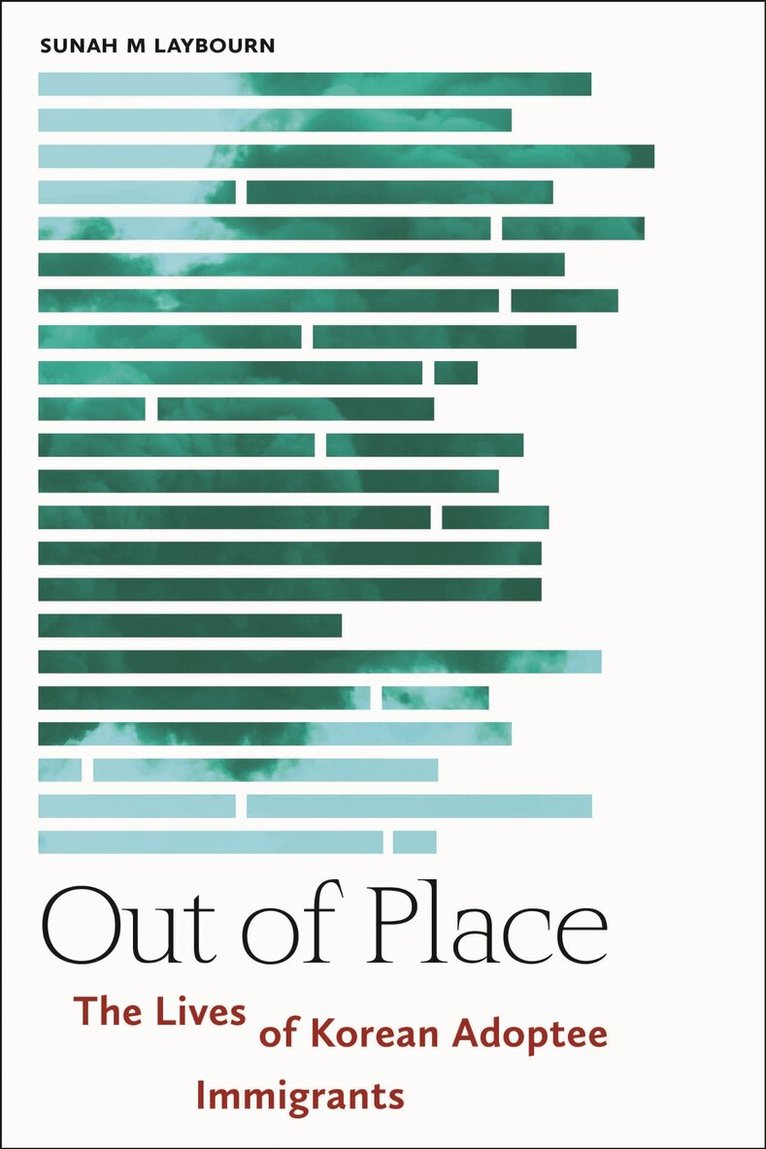
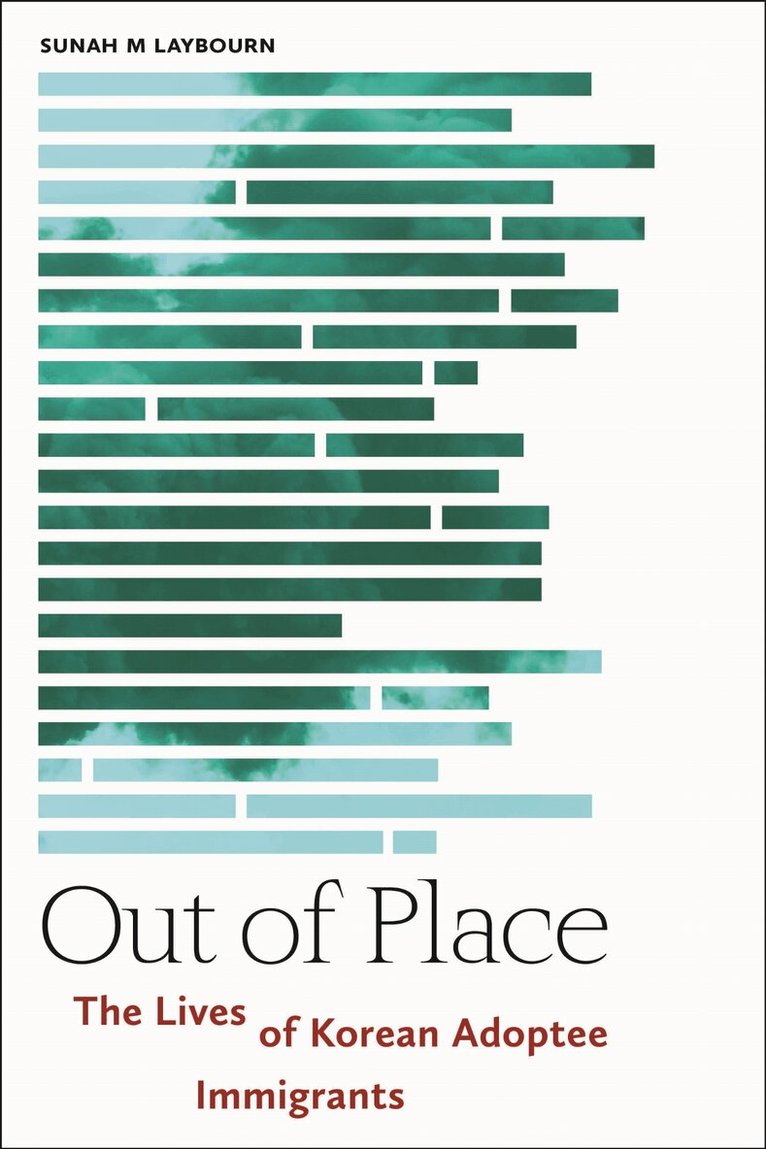
How Korean adoptees went from being adoptable orphans to deportable immigrantsSince the early 1950s, over 125,000 Korean children have been adopted in the United States, primarily by white families. Korean adoptees figure in twenty-five percent of US transnational adoptions and are the largest group of transracial adoptees currently in adulthood. Despite being legally adopted, Korean adoptees' position as family members did not automatically ensure legal, cultural, or social citizenship. Korean adoptees routinely experience refusals of belonging, whether by state agents, laws, and regulations, in everyday interactions, or even through media portrayals that render them invisible. In Out of Place, SunAh M Laybourn, herself a Korean American adoptee, examines this long-term journey, with a particular focus on the race-making process and the contradictions inherent to the model minority myth.Drawing on in-depth interviews with Korean adoptee adults, online surveys, and participant observation at Korean adoptee events across the US and in Korea, Out of Place illustrates how Korean adoptees come to understand their racial positions, reconcile competing expectations of citizenship and racial and ethnic group membership, and actively work to redefine belonging both individually and collectively. In considering when and how Korean adoptees have been remade, rejected, and celebrated as exceptional citizens, Out of Place brings to the fore the features of the race-making process.
318 kr
Skickas inom 7-10 vardagar
How Korean adoptees went from being adoptable orphans to deportable immigrantsSince the early 1950s, over 125,000 Korean children have been adopted in the United States, primarily by white families. Korean adoptees figure in twenty-five percent of US transnational adoptions and are the largest group of transracial adoptees currently in adulthood. Despite being legally adopted, Korean adoptees' position as family members did not automatically ensure legal, cultural, or social citizenship. Korean adoptees routinely experience refusals of belonging, whether by state agents, laws, and regulations, in everyday interactions, or even through media portrayals that render them invisible. In Out of Place, SunAh M Laybourn, herself a Korean American adoptee, examines this long-term journey, with a particular focus on the race-making process and the contradictions inherent to the model minority myth.Drawing on in-depth interviews with Korean adoptee adults, online surveys, and participant observation at Korean adoptee events across the US and in Korea, Out of Place illustrates how Korean adoptees come to understand their racial positions, reconcile competing expectations of citizenship and racial and ethnic group membership, and actively work to redefine belonging both individually and collectively. In considering when and how Korean adoptees have been remade, rejected, and celebrated as exceptional citizens, Out of Place brings to the fore the features of the race-making process.
Japanese Americans and the Racial Uniform
Citizenship, Belonging, and the Limits of Assimilation
Inbunden, Engelska, 2023
981 kr
Skickas inom 10-15 vardagar
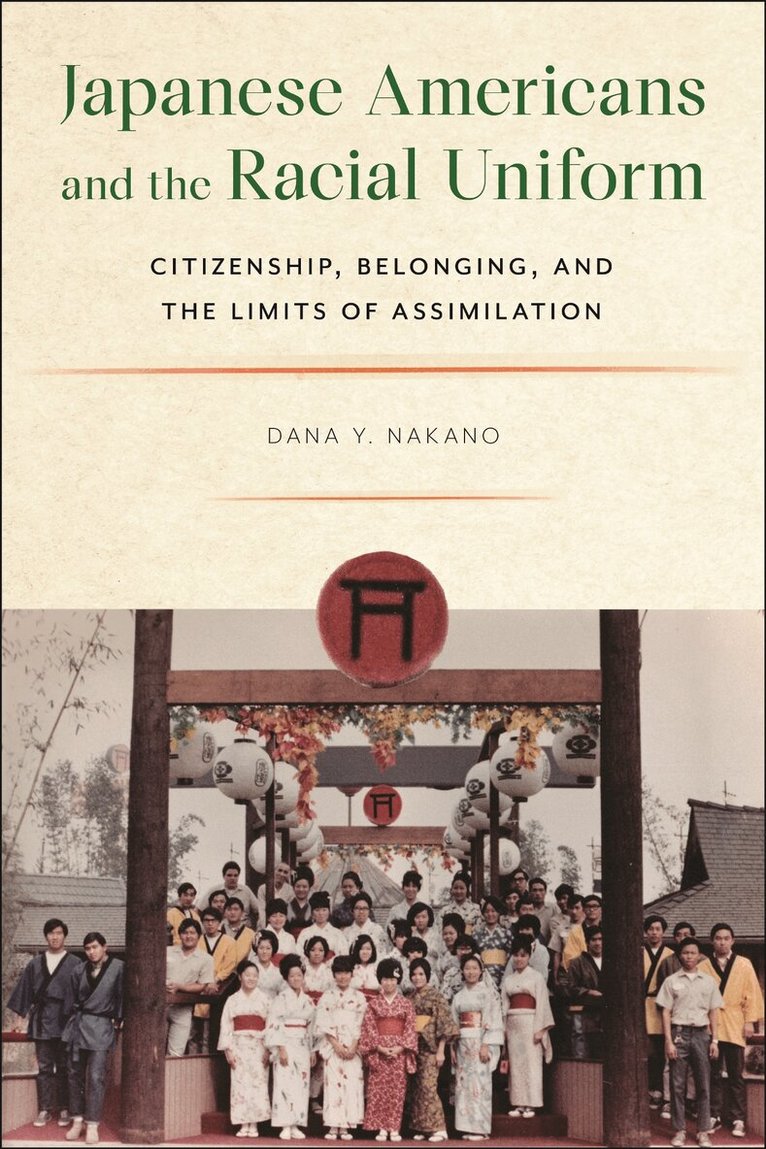
Honorable Mention, 2025 AAAS Book Awards: Social Sciences CategoryHow race continues to shape the citizenship and everyday lives of later-generation JapaneseAmericansJapanese Americans are seen as the "model minority," a group that has fully assimilated and excelled within the US. Yet third- and fourth-generation Japanese Americans continue to report feeling marginalized within the predominantly white communities they call home. Japanese Americans and the Racial Uniform explores this apparent contradiction, challenging the way society understands the role of race in social and cultural integration.To explore race and the everyday practices of citizenship, Dana Y. Nakano begins at an unlikely site, Japanese Village and Deer Park, a now defunct Japan-themed amusement park in suburban Southern California. Drawing from extensive interviews with the park's Japanese American employees as well as photographic imagery, Nakano shows how the employees' race acted as part of their work uniform and magnified their sense of alienation from their white peers and the park's white visitors. While the racial perception of Japanese Americans as forever foreigners made them ideal employees for Deer Park, the same stigma continues to marginalizes Japanese Americans beyond the place and time of the amusement park. Into the present day, third and fourth generation Japanese Americans share feelings of racialized non-belonging and yearning for community. Japanese Americans and the Racial Uniform pushes us to rethink the persistent recognition of racial markers—the racial body as a visible, ever-present uniform—and how it continues to impact claims on an American identity and the lived experience of citizenship.
Japanese Americans and the Racial Uniform
Citizenship, Belonging, and the Limits of Assimilation
Häftad, Engelska, 2023
336 kr
Skickas inom 10-15 vardagar
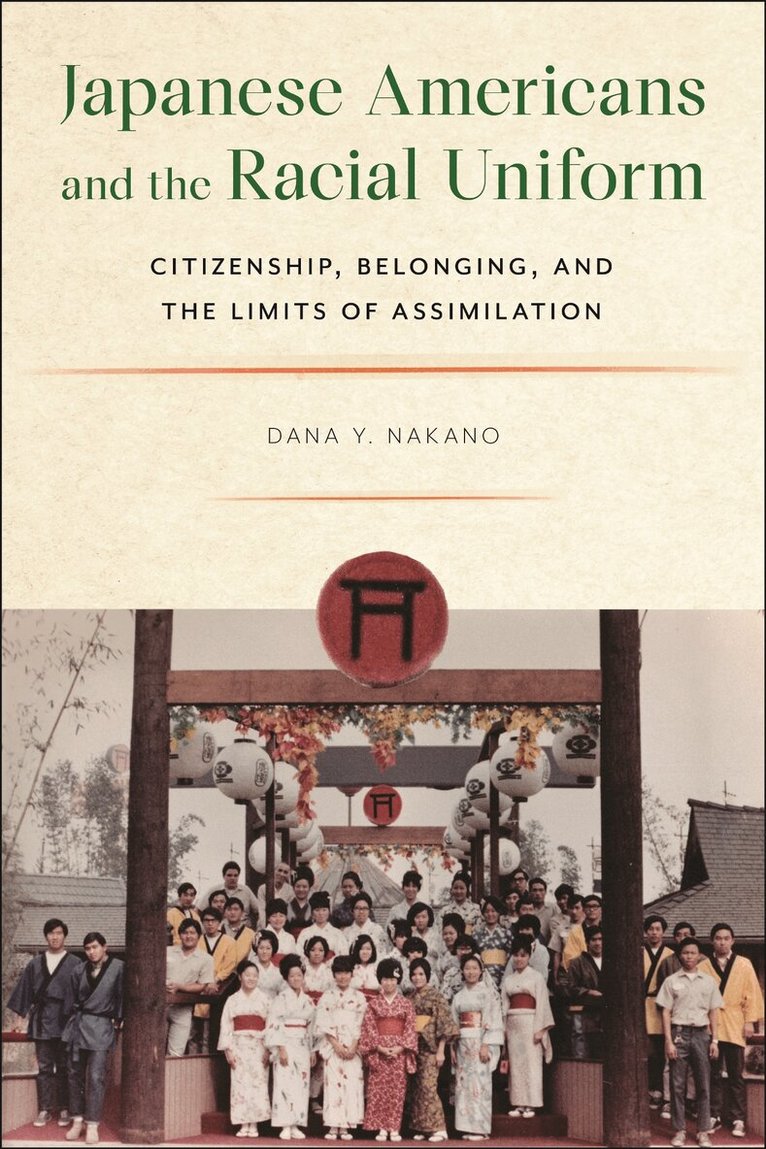
Honorable Mention, 2025 AAAS Book Awards: Social Sciences CategoryHow race continues to shape the citizenship and everyday lives of later-generation JapaneseAmericansJapanese Americans are seen as the "model minority," a group that has fully assimilated and excelled within the US. Yet third- and fourth-generation Japanese Americans continue to report feeling marginalized within the predominantly white communities they call home. Japanese Americans and the Racial Uniform explores this apparent contradiction, challenging the way society understands the role of race in social and cultural integration.To explore race and the everyday practices of citizenship, Dana Y. Nakano begins at an unlikely site, Japanese Village and Deer Park, a now defunct Japan-themed amusement park in suburban Southern California. Drawing from extensive interviews with the park's Japanese American employees as well as photographic imagery, Nakano shows how the employees' race acted as part of their work uniform and magnified their sense of alienation from their white peers and the park's white visitors. While the racial perception of Japanese Americans as forever foreigners made them ideal employees for Deer Park, the same stigma continues to marginalizes Japanese Americans beyond the place and time of the amusement park. Into the present day, third and fourth generation Japanese Americans share feelings of racialized non-belonging and yearning for community. Japanese Americans and the Racial Uniform pushes us to rethink the persistent recognition of racial markers—the racial body as a visible, ever-present uniform—and how it continues to impact claims on an American identity and the lived experience of citizenship.
300 kr
Skickas inom 10-15 vardagar
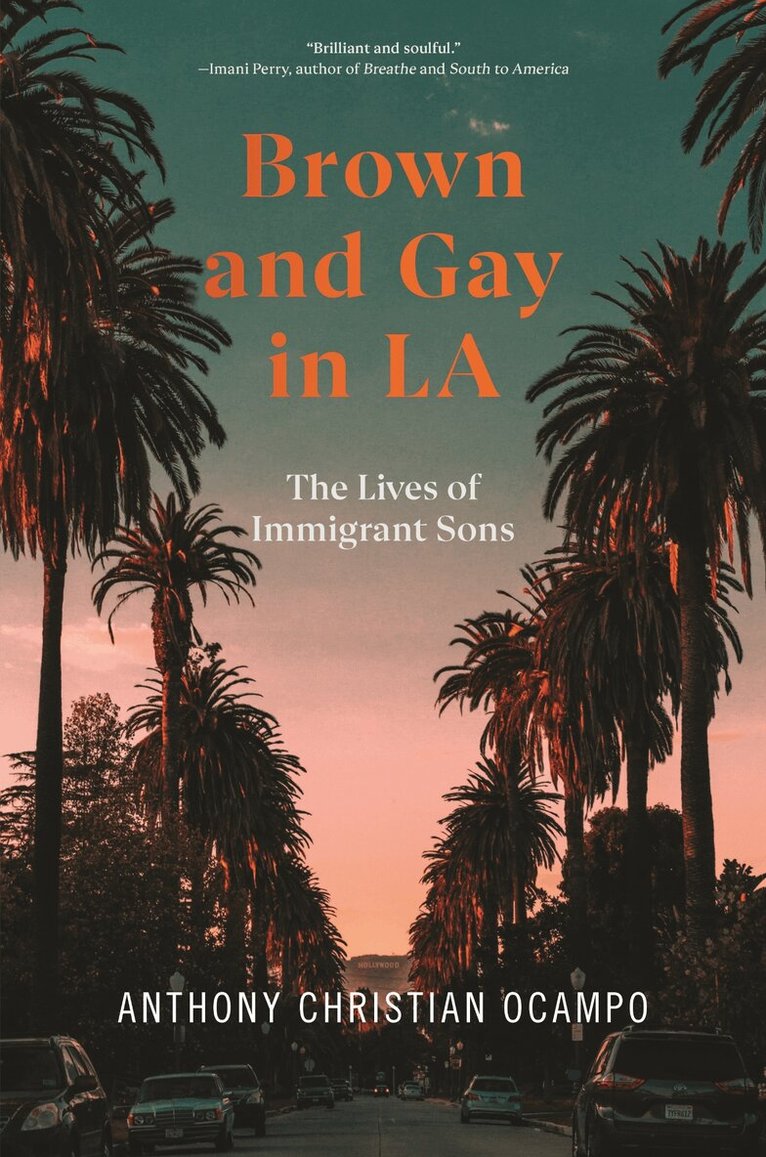
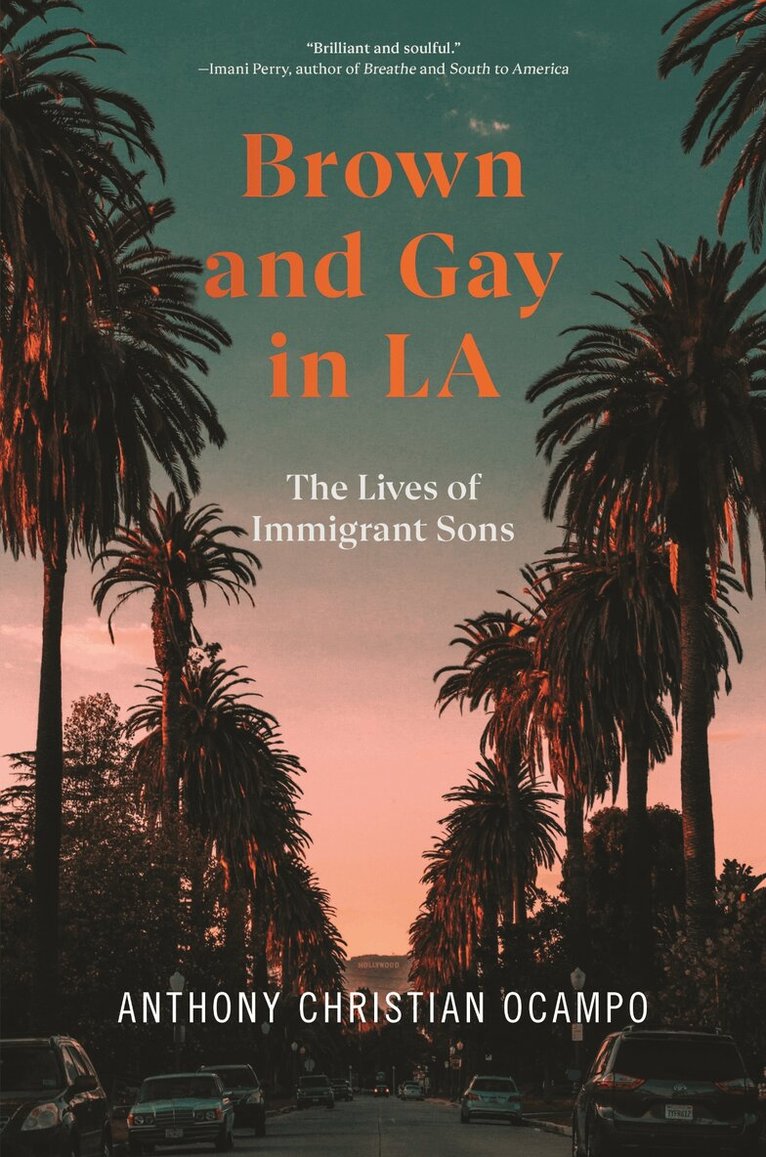
Co-Winner of the 2023 Latino/a Section Best Book Award, given by the American Sociological AssociationHonorable Mention, 2024 Best Book Award, given by the Asia and Asian America section of the American Sociological Association The stories of second-generation immigrant gay men coming of age in Los AngelesGrowing up in the shadow of Hollywood, the gay sons of immigrants featured in Brown and Gay in LA could not have felt further removed from a world where queerness was accepted and celebrated. Instead, the men profiled here maneuver through family and friendship circles where masculinity dominates, gay sexuality is unspoken, and heterosexuality is strictly enforced. For these men, the path to sexual freedom often involves chasing the dreams while resisting the expectations of their immigrant parents—and finding community in each other.Ocampo also details his own story of reconciling his queer Filipino American identity and those of men like him. He shows what it was like for these young men to grow up gay in an immigrant family, to be the one gay person in their school and ethnic community, and to be a person of color in predominantly White gay spaces. Brown and Gay in LA is an homage to second-generation gay men and their radical redefinition of what it means to be gay, to be a man, to be a person of color, and, ultimately, what it means to be an American.
1 118 kr
Kommande
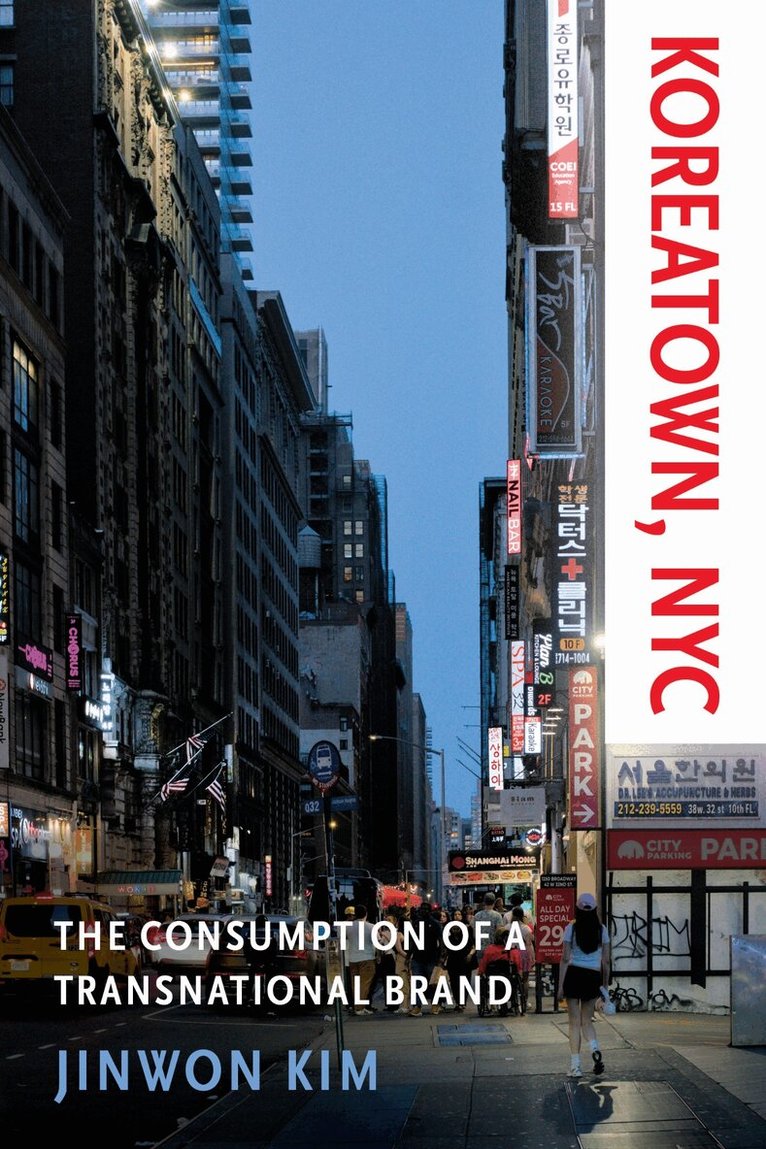
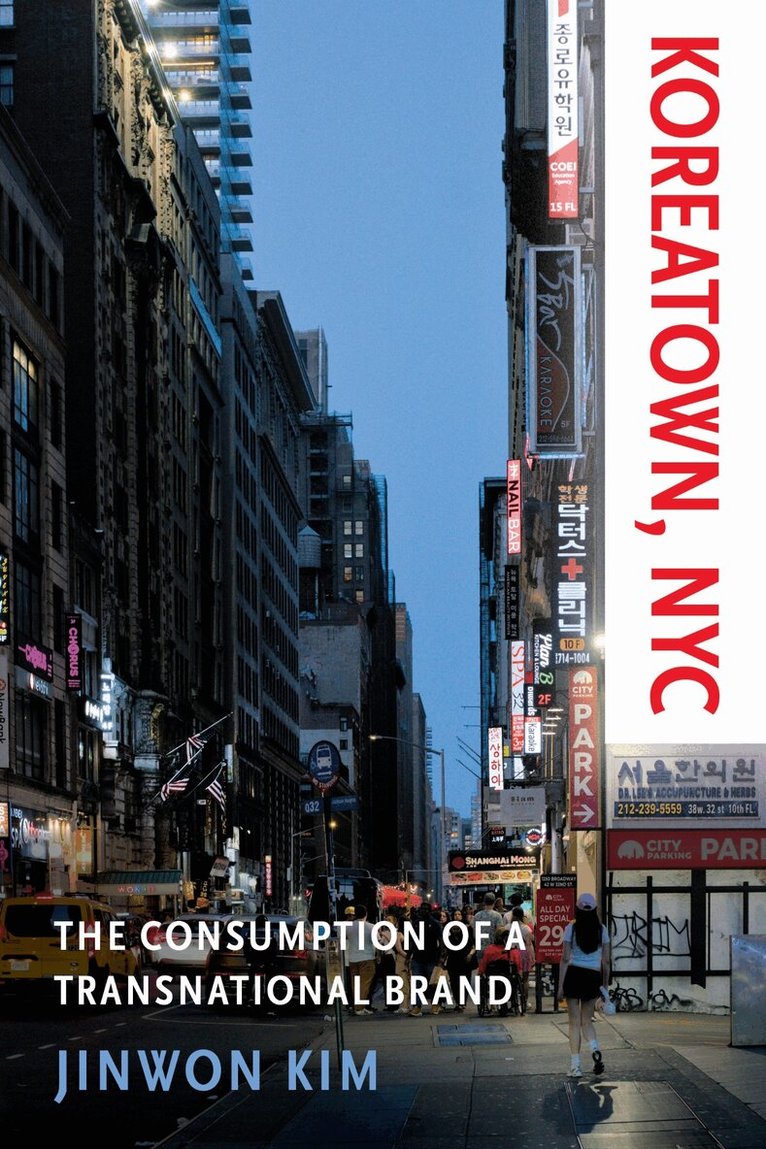
How Manhattan's Koreatown functions as a new ethnic enclaveIn the past decade, Korean entertainment has gained global recognition, with Korean movies and TV shows winning Oscars and Emmys, and K-Pop groups becoming wildly popular. In Manhattan, Koreatown has become a popular destination for both locals and tourists, drawing them in with its bars, restaurants, and day spas. Jinwon Kim argues that Manhattan's Koreatown has become a new type of ethnic enclave, what she dubs a "transclave." This commercialized ethnic space exists solely for consumption, leisure, and entertainment, and has been shaped by South Korea's nation-branding strategy, new economic and cultural strategies, patterns in Korean migration, and shifts in tourism and urban policies in New York City.Kim posits that for many consumers in Koreatown, especially those who are not of Korean descent, the space has become a commercialized place where transnational culture meets the diverse racial and ethnic mosaic of New York City. Kim emphasizes how the space functions to "brand Korea" as a space to "consume ethnicity," reflecting the landscape of South Korea's consumer culture through the physical appearance of buildings and stores and the inclusion of franchise brands. Ultimately, Koreatown, NYC is a fascinating exploration of the intersection of authenticity, ethnicity, and identity in the heart of New York's midtown.
309 kr
Kommande
How Manhattan's Koreatown functions as a new ethnic enclaveIn the past decade, Korean entertainment has gained global recognition, with Korean movies and TV shows winning Oscars and Emmys, and K-Pop groups becoming wildly popular. In Manhattan, Koreatown has become a popular destination for both locals and tourists, drawing them in with its bars, restaurants, and day spas. Jinwon Kim argues that Manhattan's Koreatown has become a new type of ethnic enclave, what she dubs a "transclave." This commercialized ethnic space exists solely for consumption, leisure, and entertainment, and has been shaped by South Korea's nation-branding strategy, new economic and cultural strategies, patterns in Korean migration, and shifts in tourism and urban policies in New York City.Kim posits that for many consumers in Koreatown, especially those who are not of Korean descent, the space has become a commercialized place where transnational culture meets the diverse racial and ethnic mosaic of New York City. Kim emphasizes how the space functions to "brand Korea" as a space to "consume ethnicity," reflecting the landscape of South Korea's consumer culture through the physical appearance of buildings and stores and the inclusion of franchise brands. Ultimately, Koreatown, NYC is a fascinating exploration of the intersection of authenticity, ethnicity, and identity in the heart of New York's midtown.
178 kr
Skickas inom 7-10 vardagar
Co-Winner of the 2023 Latino/a Section Best Book Award, given by the American Sociological AssociationHonorable Mention, 2024 Best Book Award, given by the Asia and Asian America section of the American Sociological Association The stories of second-generation immigrant gay men coming of age in Los AngelesGrowing up in the shadow of Hollywood, the gay sons of immigrants featured in Brown and Gay in LA could not have felt further removed from a world where queerness was accepted and celebrated. Instead, the men profiled here maneuver through family and friendship circles where masculinity dominates, gay sexuality is unspoken, and heterosexuality is strictly enforced. For these men, the path to sexual freedom often involves chasing the dreams while resisting the expectations of their immigrant parents—and finding community in each other.Ocampo also details his own story of reconciling his queer Filipino American identity and those of men like him. He shows what it was like for these young men to grow up gay in an immigrant family, to be the one gay person in their school and ethnic community, and to be a person of color in predominantly White gay spaces. Brown and Gay in LA is an homage to second-generation gay men and their radical redefinition of what it means to be gay, to be a man, to be a person of color, and, ultimately, what it means to be an American.