Association of the United States Army – serie
Visar alla böcker i serien Association of the United States Army. Handla med fri frakt och snabb leverans.
12 produkter
12 produkter
Häftad, Engelska, 2013
259 kr
Skickas inom 5-8 vardagar
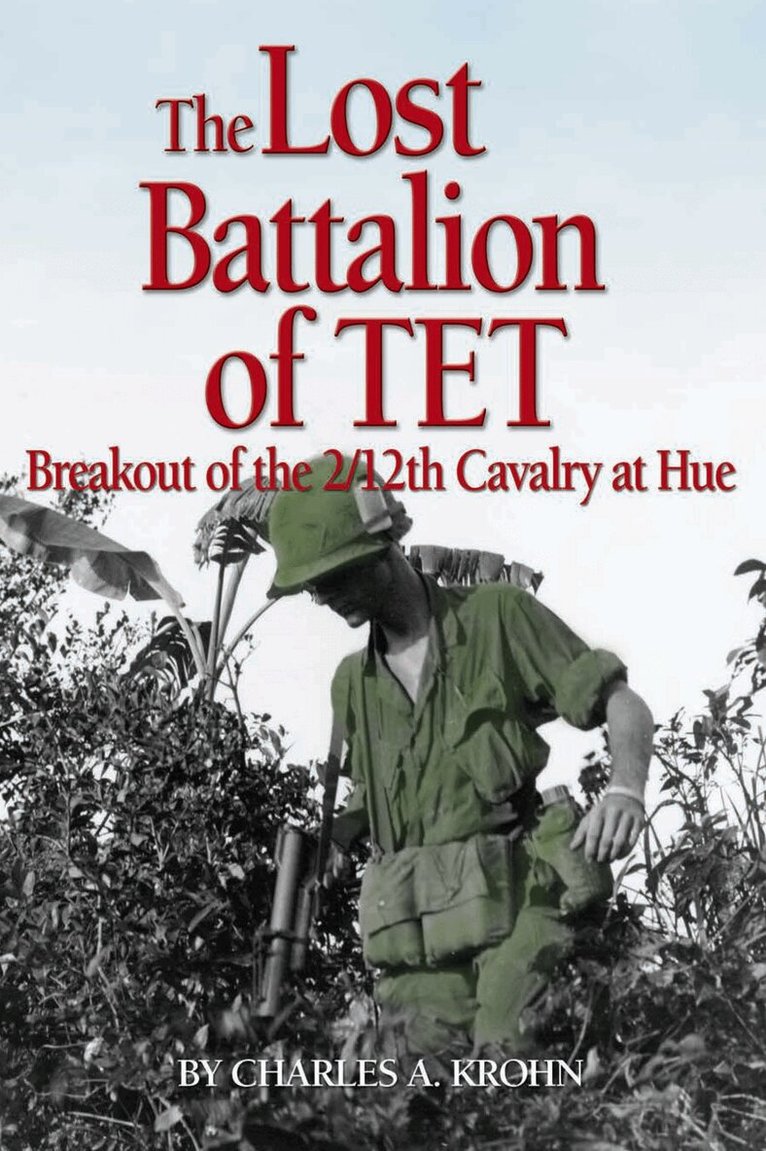
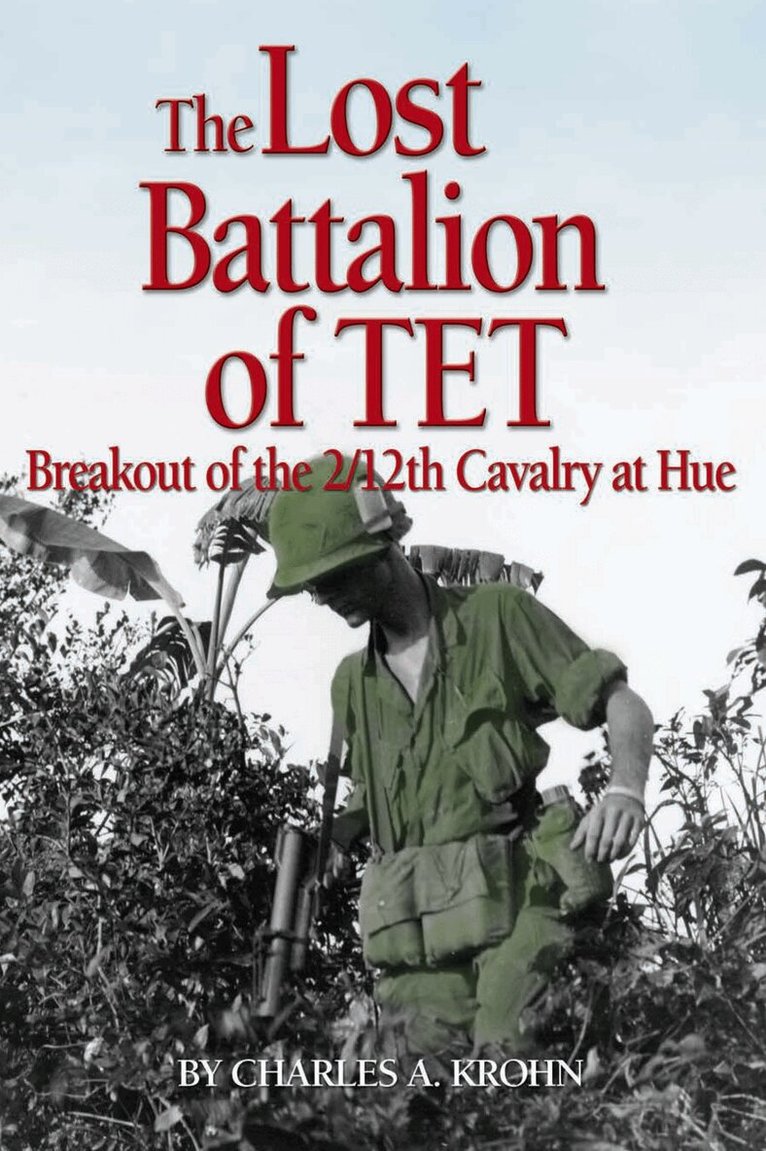
The Lost Battalion of Tet ’68 looks critically into what went wrong when an infantry battalion in Vietnam during Tet ’68 was ordered to attack a large North Vietnamese force near Hue without artillery or air support. The American soldiers knew they were facing overwhelming odds, their death and the battalion’s destruction a near certainty. Yet, when ordered to charge, they moved without hesitation toward the enemy, through interlocking fields of grazing fire. The battalion was soon surrounded, cut off from all sources of relief, re-supply and support. Given the prospect of annihilation, the battalion commander led his men out of encirclement a few nights later. The dead and excess equipment were left behind. During the Tet offensive, the battalion saw its foxhole strength fall from 500 to less than 200, yet morale among the survivors never faltered. Although the battalion failed in its mission of relieving the Marines surrounded in Hue, it inadvertently upset the headquarters commanding the surprise North Vietnamese assault and occupation of Hue. The story of how the battalion became involved in the Hue campaign was not included in official histories until 2006, when The Lost Battalion was used as an essential source in a new publication of the Army’s Center of Military History. Although the author was a member of the battalion during the critical period, the book is more analytical than personal. Still, survivors provide testimony of its accuracy. The mental state of the division commander is still a subject of dispute.
Häftad, Engelska, 2012
271 kr
Skickas inom 5-8 vardagar
Nearly two million soldiers, sailors, marines, and airmen have been deployed in recent conflicts. When the Warrior Returns addresses the practical and psychological needs of the families of these transitioning service members and provides a convenient list of key resources. Combining the knowledge of fifty experts, the book provides answers to questions about the post-deployment transition process, how it affects families, and how family members can help their service members and themselves navigate the transition successfully as a family. These experts provide straightforward answers to questions about the transition process and how it impacts the warrior and their children. A one-stop source of information filled with useful advice, this book is unequalled.The book features a foreword by Patty Shinseki and is published in cooperation with the Association of the United States Army.
Inbunden, Engelska, 2019
461 kr
Skickas inom 5-8 vardagar
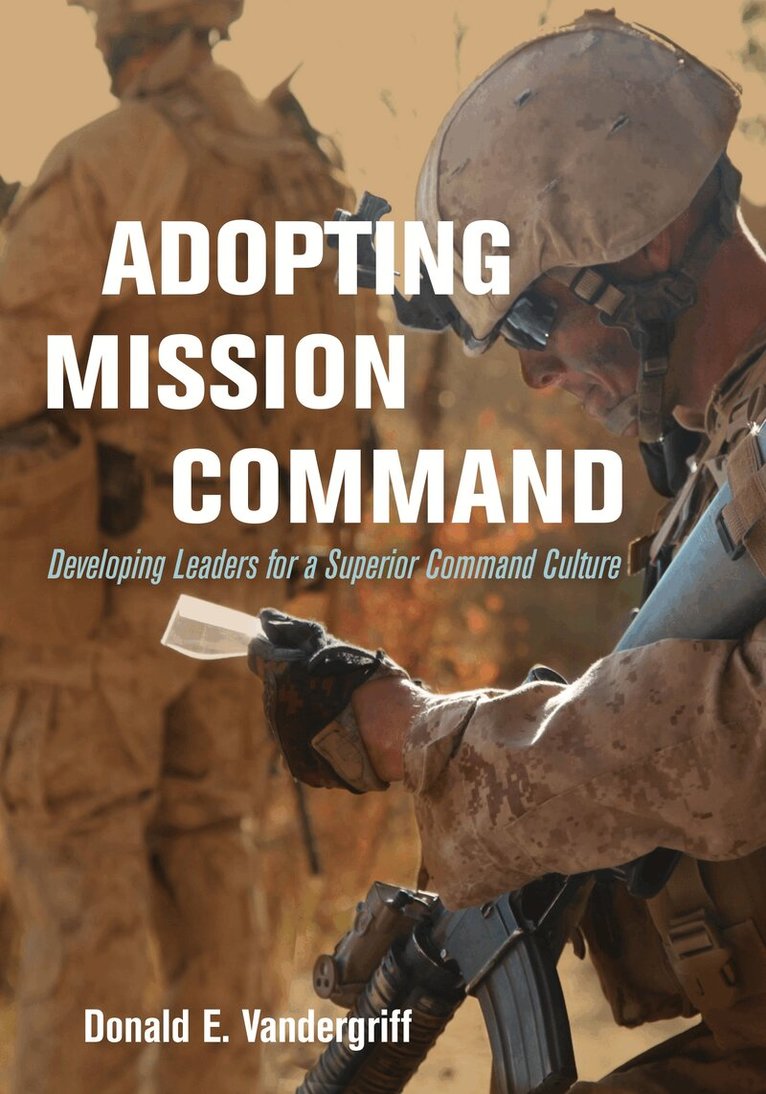
In September 2010, James G. Pierce, a retired U.S. Army colonel with the Strategic Studies Institute at the U.S. Army War College in Carlisle Barracks, Pennsylvania, published a study on Army organizational culture. Pierce postulated that "the ability of a professional organization to develop future leaders in a manner that perpetuates readiness to cope with future environmental and internal uncertainty depends on organizational culture." He found that today's U.S. Army leadership "may be inadequately prepared to lead the profession toward future success."The need to prepare for future success dovetails with the use of the concepts of mission command. This book offers up a Set of recommendations, based on those mission command concepts, for adopting a superior command culture through education and training. Donald E. Vandergriff believes by implementing these recommendations across the Army, that other necessary and long-awaited reforms will take place.
E-bok
Engelska, 2018265 kr
Läs direkt efter köp
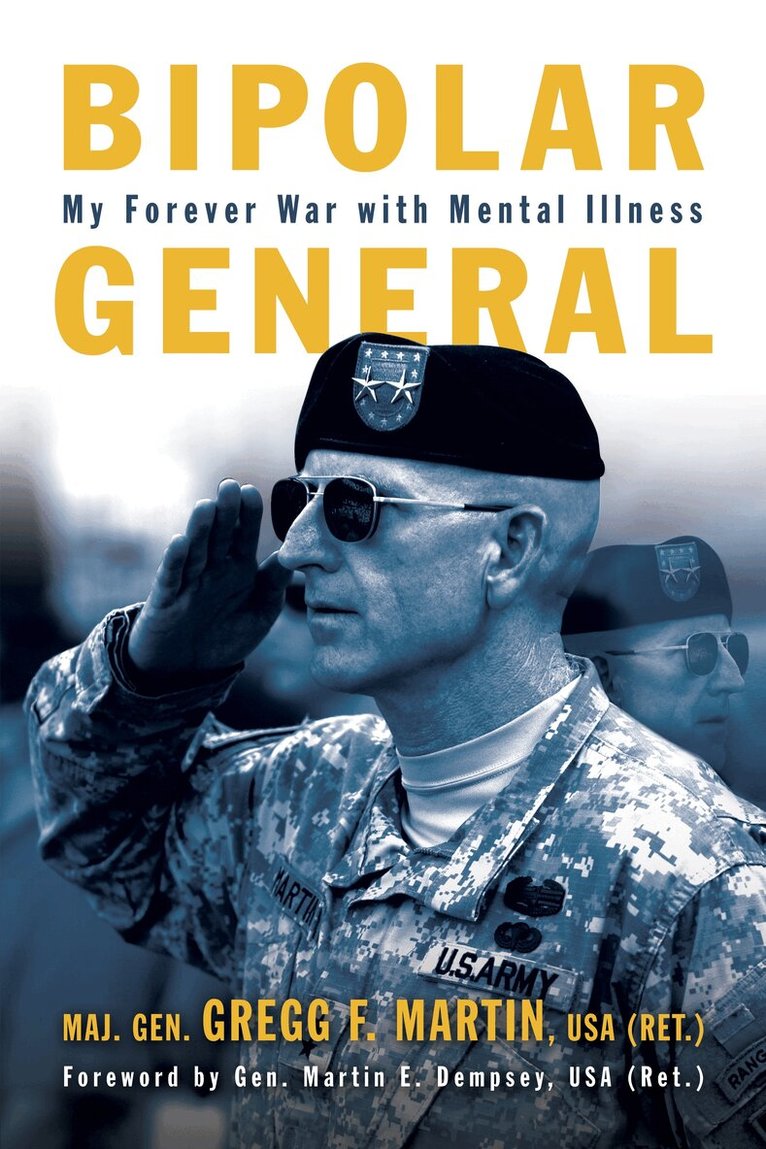
Maj. Gen. Gregg Martin cut a striking figure in the Army: athletic, quick witted, devout, and studious, he was a natural leader. Thanks to his engineering and leadership knowhow, Martin was chosen to lead the thousands of combat engineers who paved the way for 100,000 Army troops to battle their way to Baghdad in 2003. Martin was astonishing to watch as he led this effort, his mind laser focused and body vibrating with energy. He made quick decisions, often anticipating and solving problems before orders came down. Only years later would he learn how the pressure of organizing dozens of simultaneous life-or-death missions each day altered the biochemistry of his brain. Since childhood he’d had what psychiatrists call a ‘hyperthymic personality’ – an exceptionally positive, energetic, and can-do disposition. But the Iraq War triggered what military and Veterans Administration psychiatrists ultimately diagnosed as late-onset bipolar disorder, a chemical imbalance that sends sufferers whipsawing between grandiose imaginings and suicidal depressions. His increasing erratic behavior led to him being fired from his position of president of the National Defense University and ended his military career.Bipolar General offers a candid account of Martin’s personal journey with undiagnosed mental illness as he rose through the ranks of the U.S. Army. He provides a first-hand look at the various treatments available for bipolar disorder ranging from powerful medications to electroconvulsive therapy. He discusses why his condition went undiagnosed for so long and explores what can be done in the armed forces to diagnose and treat mental illness in officers and enlisted personnel.
Häftad, Engelska, 2021
329 kr
Skickas inom 5-8 vardagar
Decision at Strasbourg relates the remarkable and largely unknown story of Lt. General Jacob Devers’ lost opportunity to launch a bold attack into the heart of Nazi Germany, which may have won the European war in late 1944, six months before Victory-over-Europe (V-E) Day in May 1945. Devers’ Sixth Army Group, comprising the U.S. Seventh and First French Armies, made successful amphibious landings near Marseille in August 1944 and advanced 450 miles through southern France before reaching the banks of the Rhine in Alsace on 24 November 1944. Once on the Rhine, Devers’ was presented with an unexpected strategic opportunity to cross the river and advance into Germany, where the Group could seal off the German 19th Army in Alsace and maneuver behind the German 1st Army, fighting General George S. Patton’s Third Army in Lorraine. Devers hoped this bold maneuver would collapse the southern enemy front opposite the U.S. Seventh and Third Armies and possibly lead to the disintegration of the entire enemy front, from Switzerland to the Netherlands, bringing about a swift end to the war in Europe. The Rhine was the principal objective of the allied armies fighting in France. Allied generals realized its strategic importance, as did German generals, who understood that if Allied forces crossed the Rhine, Germany was doomed. Devers never breached the Rhine in 1944. The Supreme Allied Commander, General Dwight Eisenhower, ordered Dever’s planned assault halted a day before it was to proceed. Ike’s decision to forego this opportunity meant that the allies would not cross the Rhine until March 1945.To date, historians have not explained fully why Eisenhower stopped Devers, who was deeply angered by the order; nor have they analyzed the possible outcome of such an attack. Decision at Strasbourg does just this, exploring what might have occurred had Ike allowed Devers to cross the river. Colley judiciously cites the opinions of many high-ranking generals, including Patton, that the attack would have been a bold and likely successful maneuver that might have ended the war months earlier and saved thousands of American lives.In rolling out this alternative historical perspective, the author offers unique insight regarding Eisenhower and the Supreme Command in Europe during WWII, illuminating the potential consequences of Ike’s cautious leadership and his rejection of General Devers and his strategy, largely because of his dislike and lack of confidence in the Sixth Army Group commander. Colley points to Ike’s reliance on old friends and colleagues, sometimes regardless of ability, and how the conduct of WWII in Europe was determined by personal amities and animosities—a worthy study for future military leaders seeking to take advantage of unique battlefield opportunities.
Häftad, Engelska, 2021
294 kr
Skickas inom 5-8 vardagar
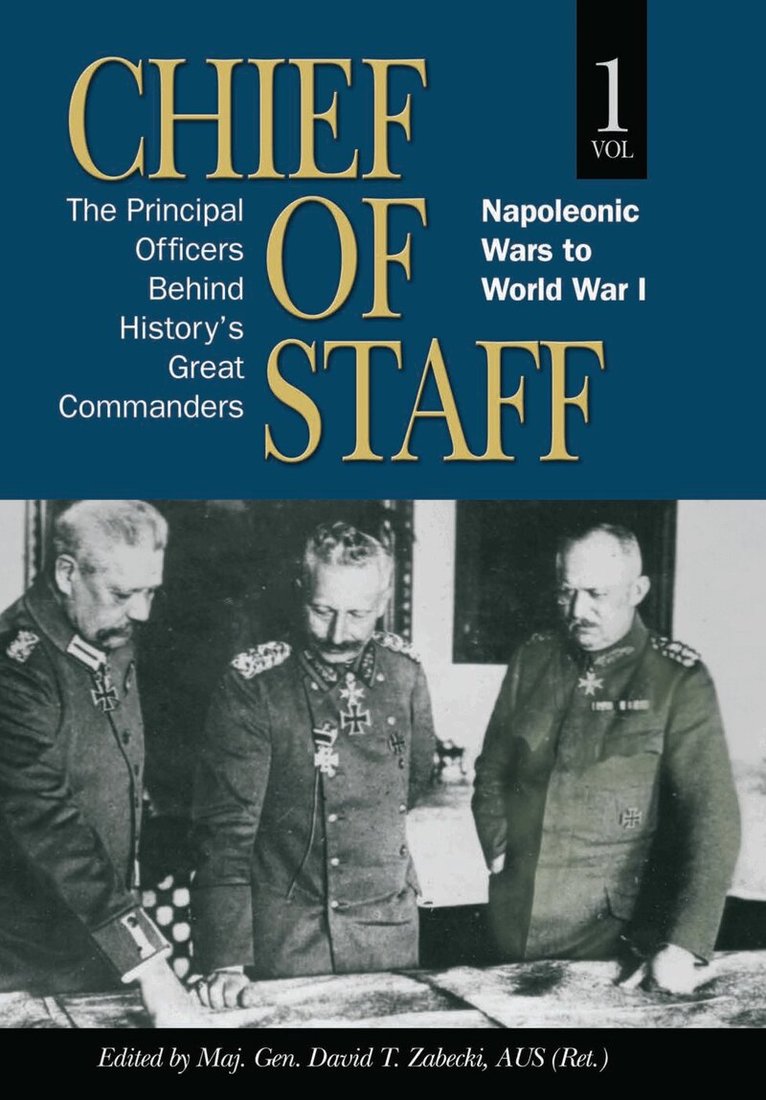
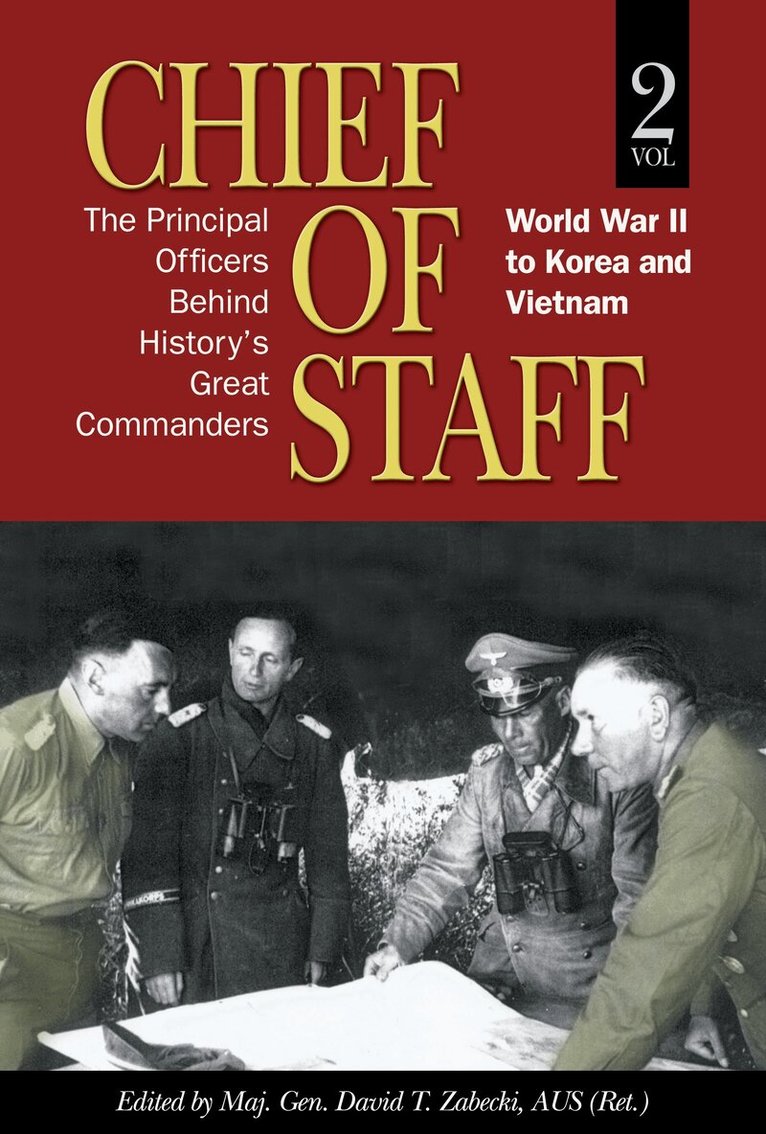
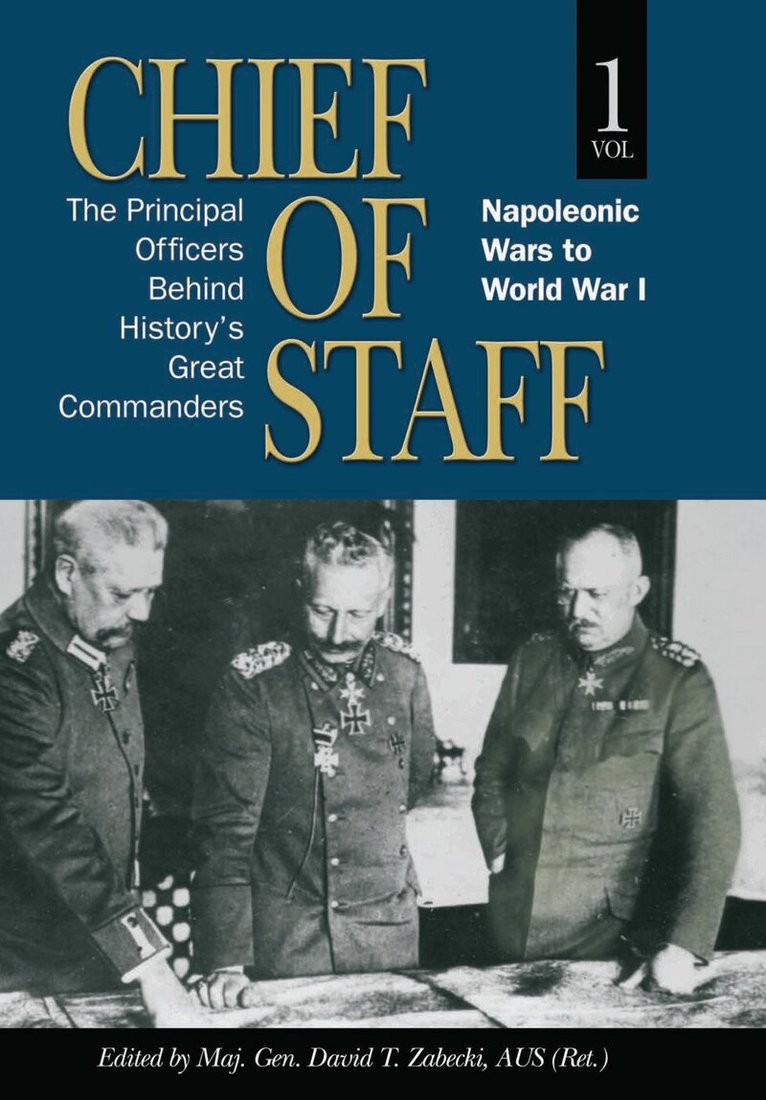
The two-volume Chief of Staff examines the history, development, and role of the military duty position of the chief of staff. Many books have studied history's great commanders and the art of command. None have focused exclusively on the chief of staff --that key staff officer responsible for translating the ideas of the commander into practical plans that common soldiers can execute successfully on the battlefield. In some cases, it is almost impossible to think of certain great commanders without also thinking of their chief of staff. Napoleon's chief of staff Berthier and Eisenhower's chief of staff Bedell Smith are two examples that are profiled in this work. Zabecki and his collaborators examine the history, development, and role of the chief of staff primarily through profiles of the most important practitioners of the art. These books are published in cooperation with the Association of the United States Army.
Häftad, Engelska, 2021
305 kr
Skickas inom 5-8 vardagar
The two-volume Chief of Staff examines the history, development, and role of the military duty position of the chief of staff. Many books have studied history's great commanders and the art of command. None have focused exclusively on the chief of staff --that key staff officer responsible for translating the ideas of the commander into practical plans that common soldiers can execute successfully on the battlefield. In some cases, it is almost impossible to think of certain great commanders without also thinking of their chief of staff. Napoleon's chief of staff Berthier and Eisenhower's chief of staff Bedell Smith are two examples that are profiled in this work. Zabecki and his collaborators examine the history, development, and role of the chief of staff primarily through profiles of the most important practitioners of the art. These books are published in cooperation with the Association of the United States Army.
Häftad, Engelska, 2023
739 kr
Skickas inom 3-6 vardagar
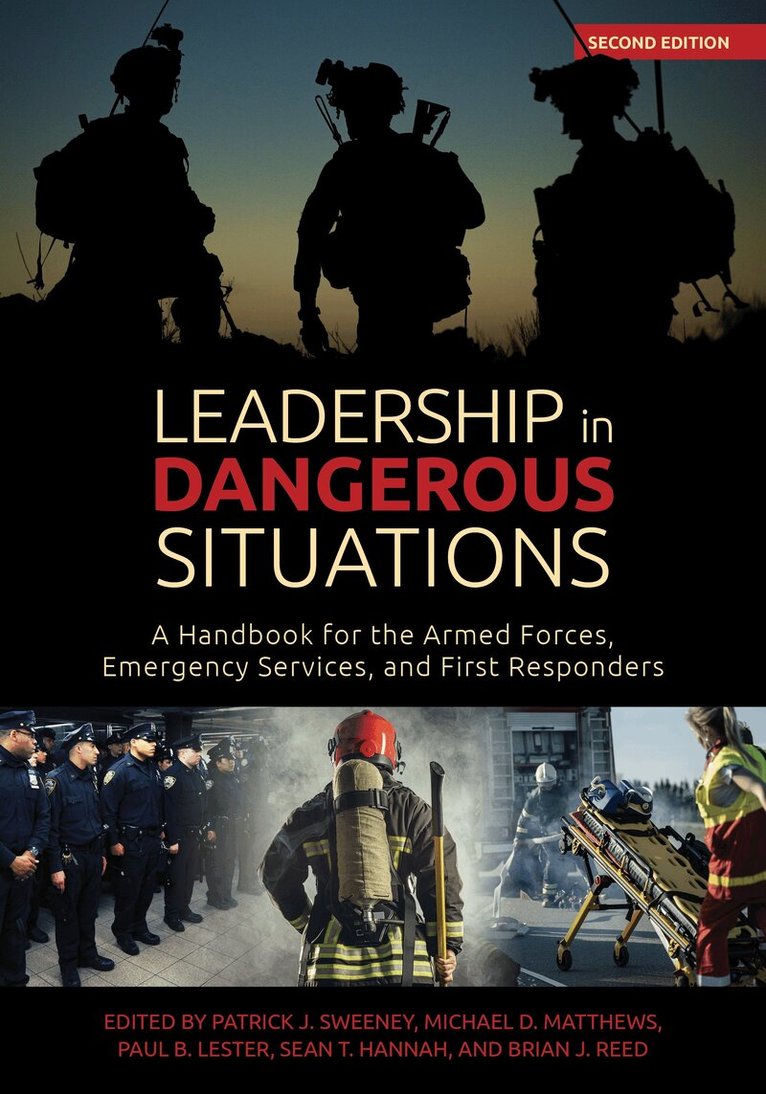
This guide which, for years, has prepared military, emergency, and first responders to face psychological, social, and physical challenges of leading in dangerous contexts has been updated. The author team, which includes scholars and practitioners, has integrated current research findings, incorporated topics not covered in the prior edition and has created a reference work relevant to leaders at all levels (entry, mid, and senior) in organizations that operate in dangerous contexts Leadership in Dangerous Situations, Second Edition includes nine new chapters that address character development, ethical decision-making and action, leading in uncertain times, empowering initiative, leading task forces and cross-functional teams, operating in complex social and political environments, tactical and operational decision-making and planning, red teaming, and incident command. The authors wrote their chapters as acts of service to enhance the professions that serve their countries and societies.
Inbunden, Engelska, 2021
329 kr
Skickas inom 5-8 vardagar
The two-volume Chief of Staff examines the history, development, and role of the military duty position of the chief of staff. Many books have studied history's great commanders and the art of command. None have focused exclusively on the chief of staff --that key staff officer responsible for translating the ideas of the commander into practical plans that common soldiers can execute successfully on the battlefield. In some cases, it is almost impossible to think of certain great commanders without also thinking of their chief of staff. Napoleon's chief of staff Berthier and Eisenhower's chief of staff Bedell Smith are two examples that are profiled in this work. Zabecki and his collaborators examine the history, development, and role of the chief of staff primarily through profiles of the most important practitioners of the art. These books are published in cooperation with the Association of the United States Army.
Inbunden, Engelska, 2023
271 kr
Skickas inom 5-8 vardagar
Published to commemorate the 40th anniversary of the Tet Offensive, this new paperback edition brings back into print a book that became an essential source for a 2006 study of the battle by the U.S. Army s Center of Military History. It takes a critical look at what went wrong in early 1968 during one of the first engagements of Tet, when a U.S. infantry battalion was ordered to attack a large North Vietnamese force near Hue City without air or artillery support. The tragic military foul-up resulted in over 60 percent casualties for the 2d Battalion, 12th Regiment, 1st Cavalry Division, when the soldiers were surrounded by the enemy and began running out of ammunition. The bold decision by battalion commander Lt. Col. Richard Sweet to break out with his remaining soldiers under cover of darkness saved this encirclement from being a total disaster. Author Charles Krohn, the unit s intelligence officer at the time, provides a much-needed analysis of what took place and fills his account with details that have been confirmed as factual by other survivors. Krohn examines the battalion s involvement in two other major attacks for lessons learned when vital systems break down lessons, he says, that are timeless and applicable anywhere. This book is published in cooperation with the Association of the United States Army.
Inbunden, Engelska, 2026
362 kr
Kommande
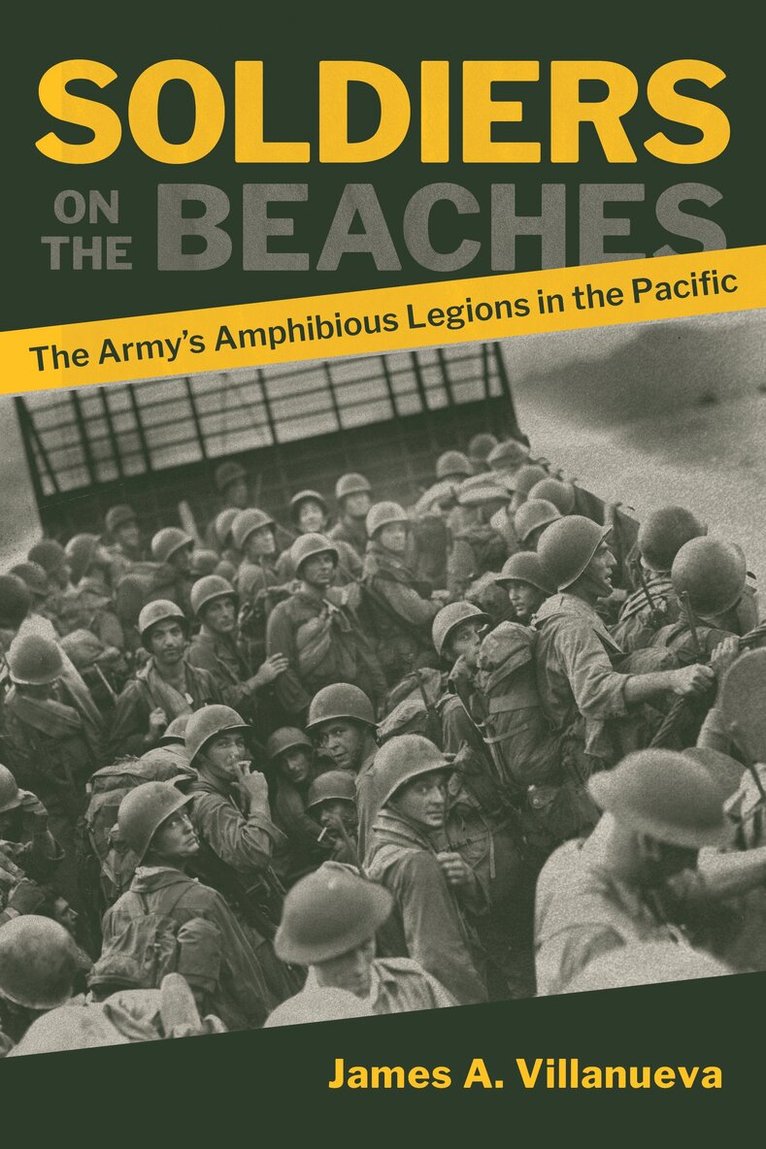
Soldiers on the Beaches uncovers the little-known story of the U.S. Army’s Regimental Combat Teams—versatile, battle-tested units that spearheaded daring amphibious assaults across the Pacific. Drawing on rare archives and firsthand accounts, James Villanueva reveals how these unsung soldiers shaped the course of World War II and redefined the art of amphibious warfare. Soldiers on the Beaches offers a seminal look at one of the unsung heroes of World War II—the U.S. Army Regimental Combat Teams (RCTs) that played a pivotal role in the Pacific Theater. While much has been written about World War II’s large-scale military operations and the U.S. Marine Corps’ island-hopping campaigns, this book shifts the focus to the Army’s smaller, adaptable units that conducted independent amphibious landings and ground combat operations in some of the war’s most challenging environments. RCTs, comprising 4,000 to 5,000 soldiers from infantry, artillery, and supporting branches, were often tasked with complex missions requiring ingenuity, flexibility, and tactical proficiency. Despite limited training and resources, these units achieved remarkable success, overcoming rugged terrain, logistical challenges, and fierce Japanese resistance. Through eight meticulously researched case studies, author James Villanueva examines the planning, training, and execution of RCT operations, drawing from archival records, memoirs, interviews, and translated Japanese sources. From the unopposed landing at Ulithi to the daring airborne and amphibious assault on Corregidor, each chapter offers a vivid account of RCT resilience and adaptability in the face of adversity. This book not only highlights the operational achievements of RCTs, but also challenges conventional narratives that focus mainly on large-scale battles. It argues for the importance of studying unopposed landings, which often produced greater strategic and operational impacts than their low casualty figures might indicate. By analyzing the successes and failures of these units, Villanueva provides a nuanced understanding of their role in the broader context of the Pacific War. Soldiers on the Beaches is an essential read for history enthusiasts, military professionals, and anyone seeking to deepen their understanding of World War II. With its detailed maps, illuminating photos, archival insights, and comparisons to U.S. Marine Corps operations, this book offers a fresh perspective on the Army’s contributions to the Pacific campaign. Additionally, it provides valuable lessons for modern military strategy as the U.S. Army shifts back to division-centric operations but may still need to conduct smaller amphibious landings, making it a timely and relevant resource for today’s military leaders.
Inbunden, Engelska, 2027
484 kr
Kommande
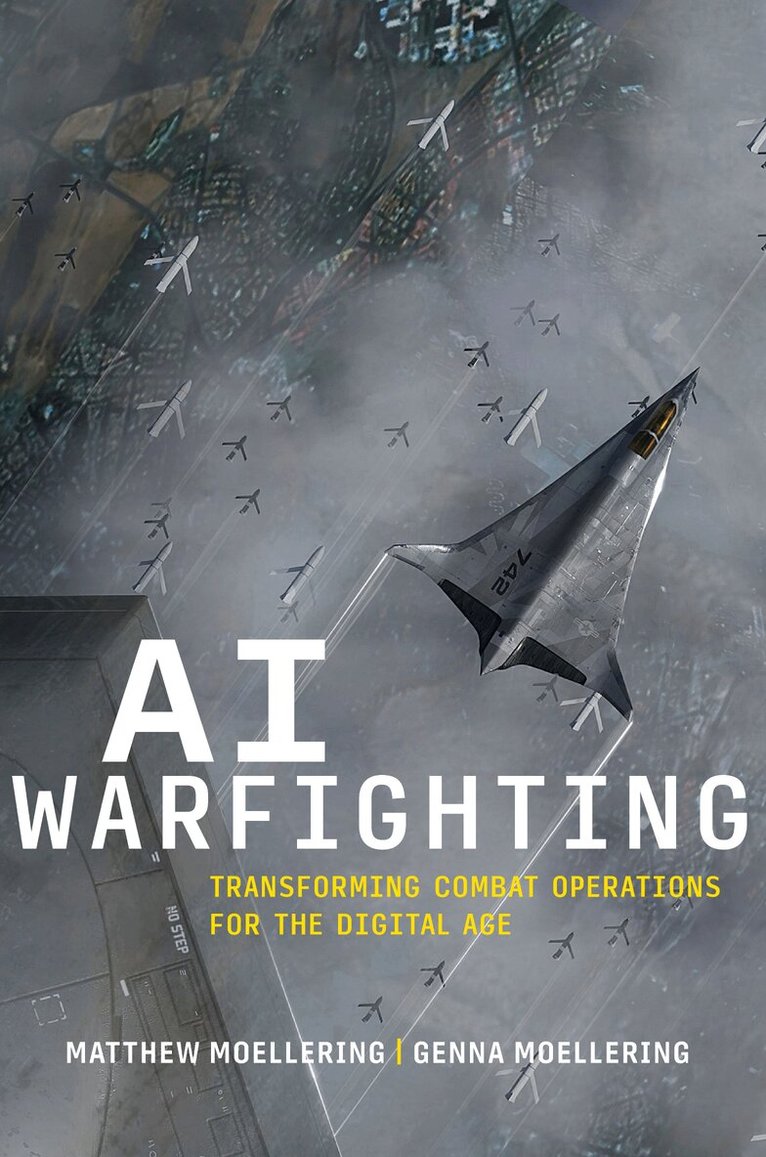
AI Warfighting argues that the side that wins future wars won’t be the one with the most advanced weapons, but the one that can update, adapt, and fight at the speed of software—and shows how militaries must reorganize now to do exactly that. Drawing on real-world combat experience and lessons from Ukraine, it stands apart from other AI-and-war titles by offering a clear, practical framework for commanders and leaders who need to integrate AI into operations today, not theorize about it tomorrow. Artificial Intelligence (AI) is revolutionizing warfare and reshaping battlefields faster than military leaders can adapt. From Ukraine to the Middle East, AI-powered drones and software-driven weapon systems are outperforming traditional tools, demonstrating that the future of combat lies in technology. AI Warfighting is the first book to offer a practical framework for navigating this new era of AI-enabled warfare. Written by warfighters with deep technology expertise, AI Warfighting introduces DevWarOps, a groundbreaking methodology inspired by the tech industry’s DevOps revolution. Just as DevOps transformed software development through collaboration, automation, and continuous improvement, DevWarOps unites software, data, and combat operations into a single, agile system. This framework reimagines military operations for a world where software defines battlefield advantage. Divided into five parts, the book offers clear, actionable guidance for integrating AI into modern military operations. It shows how software development now shapes the OODA (Observe, Orient, Decide, Act) Loop, making data the lifeblood of warfare, reframing weapons as software systems, expanding the cyber battlefield across all domains, and demanding continuous adaptation so commanders can fight and evolve at the speed of technology. Drawing on real-world lessons from Ukraine, Gaza, and the Middle East, AI Warfighting bridges theory and practice to show how AI can be deployed effectively on today’s battlefields. Aimed at commanders, policymakers, and defense innovators, it challenges outdated 20th-century processes and delivers a practical framework for turning constant technological change—where weapons are increasingly software platforms—into lasting military advantage, making it both an essential guide and a call to action for the future of warfighting.