Charles A. Krohn – författare
Visar alla böcker från författaren . Handla med fri frakt och snabb leverans.
3 produkter
3 produkter
Häftad, Engelska, 2013
259 kr
Skickas inom 5-8 vardagar
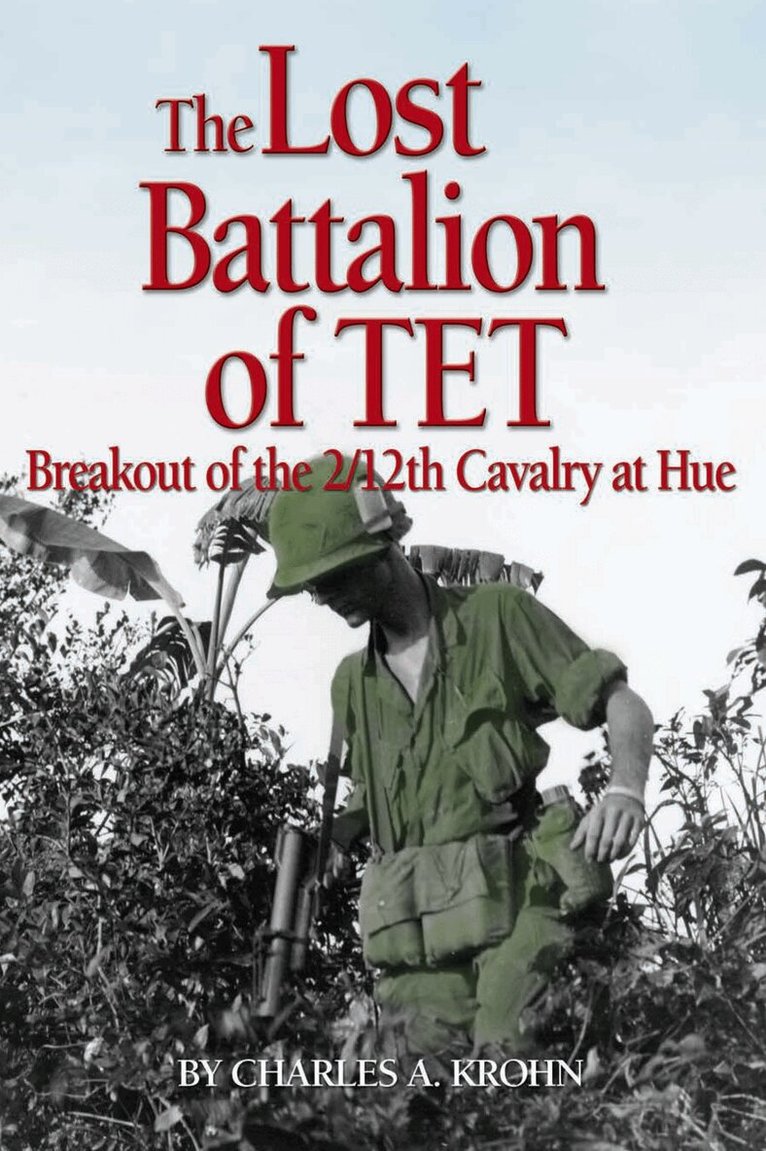
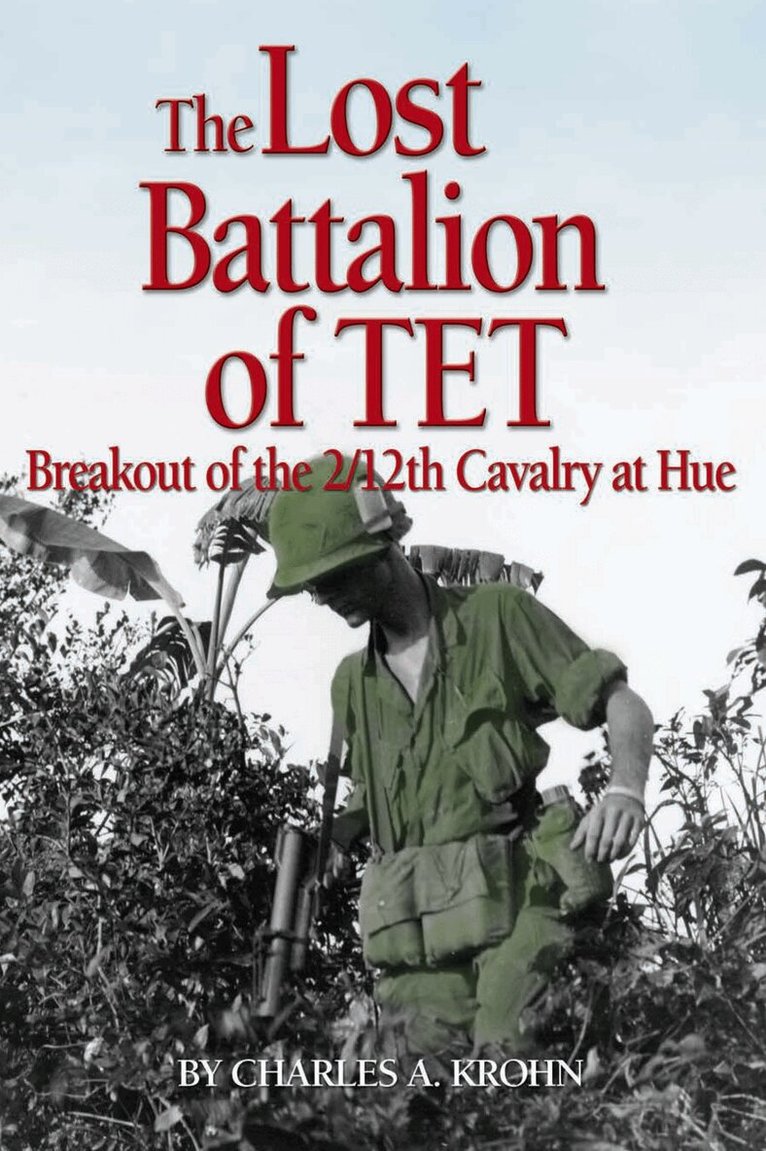
The Lost Battalion of Tet ’68 looks critically into what went wrong when an infantry battalion in Vietnam during Tet ’68 was ordered to attack a large North Vietnamese force near Hue without artillery or air support. The American soldiers knew they were facing overwhelming odds, their death and the battalion’s destruction a near certainty. Yet, when ordered to charge, they moved without hesitation toward the enemy, through interlocking fields of grazing fire. The battalion was soon surrounded, cut off from all sources of relief, re-supply and support. Given the prospect of annihilation, the battalion commander led his men out of encirclement a few nights later. The dead and excess equipment were left behind. During the Tet offensive, the battalion saw its foxhole strength fall from 500 to less than 200, yet morale among the survivors never faltered. Although the battalion failed in its mission of relieving the Marines surrounded in Hue, it inadvertently upset the headquarters commanding the surprise North Vietnamese assault and occupation of Hue. The story of how the battalion became involved in the Hue campaign was not included in official histories until 2006, when The Lost Battalion was used as an essential source in a new publication of the Army’s Center of Military History. Although the author was a member of the battalion during the critical period, the book is more analytical than personal. Still, survivors provide testimony of its accuracy. The mental state of the division commander is still a subject of dispute.
E-bok
Engelska, 2013357 kr
Läs direkt efter köp
Published to commemorate the 40th anniversary of the Tet Offensive, this new paperback edition brings back into print a book that became an essential source for a 2006 study of the battle by the U.S. Army s Center of Military History. It takes a critical look at what went wrong in early 1968 during one of the first engagements of Tet, when a U.S. infantry battalion was ordered to attack a large North Vietnamese force near Hue City without air or artillery support. The tragic military foul-up resulted in over 60 percent casualties for the 2d Battalion, 12th Regiment, 1st Cavalry Division, when the soldiers were surrounded by the enemy and began running out of ammunition. The bold decision by battalion commander Lt. Col. Richard Sweet to break out with his remaining soldiers under cover of darkness saved this encirclement from being a total disaster. Author Charles Krohn, the unit s intelligence officer at the time, provides a much-needed analysis of what took place and fills his account with details that have been confirmed as factual by other survivors. Krohn examines the battalion s involvement in two other major attacks for lessons learned when vital systems break down lessons, he says, that are timeless and applicable anywhere. This book is published in cooperation with the Association of the United States Army.
Inbunden, Engelska, 2023
271 kr
Skickas inom 5-8 vardagar
Published to commemorate the 40th anniversary of the Tet Offensive, this new paperback edition brings back into print a book that became an essential source for a 2006 study of the battle by the U.S. Army s Center of Military History. It takes a critical look at what went wrong in early 1968 during one of the first engagements of Tet, when a U.S. infantry battalion was ordered to attack a large North Vietnamese force near Hue City without air or artillery support. The tragic military foul-up resulted in over 60 percent casualties for the 2d Battalion, 12th Regiment, 1st Cavalry Division, when the soldiers were surrounded by the enemy and began running out of ammunition. The bold decision by battalion commander Lt. Col. Richard Sweet to break out with his remaining soldiers under cover of darkness saved this encirclement from being a total disaster. Author Charles Krohn, the unit s intelligence officer at the time, provides a much-needed analysis of what took place and fills his account with details that have been confirmed as factual by other survivors. Krohn examines the battalion s involvement in two other major attacks for lessons learned when vital systems break down lessons, he says, that are timeless and applicable anywhere. This book is published in cooperation with the Association of the United States Army.