Michael D. Matthews PhD – författare
Visar alla böcker från författaren Michael D. Matthews PhD. Handla med fri frakt och snabb leverans.
3 produkter
3 produkter
E-bok
Engelska, 2013427 kr
Läs direkt efter köp
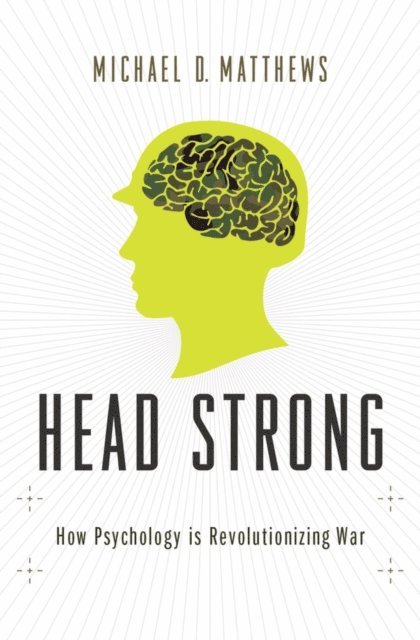
Psychology is the science that will determine who wins and who loses the wars of the 21st century, just as physics ultimately led the United States to victory in World War II. Changes in the world''s political landscape coupled with radical advances in the technology of war will greatly alter how militaries are formed, trained, and led. Leadership under fire - and the traits and skills it requires - is also changing. Grant, Lee, Pershing, Patton - these generals would not succeed in 21st century conflicts. In Head Strong: How Psychology Is Revolutionizing War, Michael D. Matthews explores the many ways that psychology will make the difference for wars yet to come, from revolutionary advances in soldier selection and training to new ways of preparing soldiers to remain resilient in the face of horror and to engineering the super-soldier of the future. These advancements will ripple out to impact on the lives of all of us, not just soldiers. Amputees will have "intelligent" life-like prosthetics that simulate the feel and function of a real limb. Those exposed to trauma will have new and more effective remedies to prevent or treat post-traumatic stress disorder. And a revolution in training - based heavily in the military''s increasing reliance on immersive simulations - will radically alter how police, fire, and first-responder personnel are trained in the future.At its heart, war is the most human of endeavors. Psychology, as the science of human behavior, will prove essential to success in future war. Authored by a West Point military psychologist, this book is one of the first to expose us to the smarter wars, and the world around them, to come.
E-bok
PDF, Engelska, 2013413 kr
Läs direkt efter köp
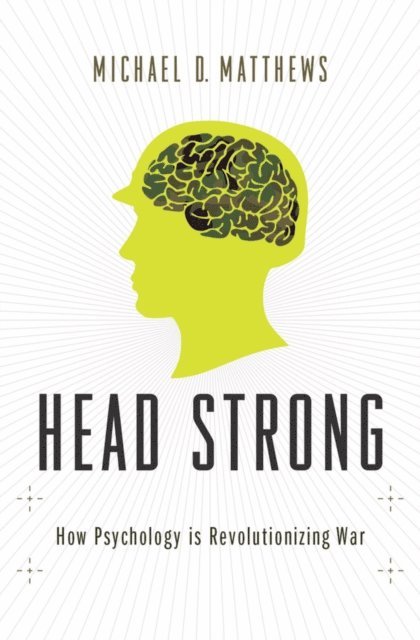
Psychology is the science that will determine who wins and who loses the wars of the 21st century, just as physics ultimately led the United States to victory in World War II. Changes in the world''s political landscape coupled with radical advances in the technology of war will greatly alter how militaries are formed, trained, and led. Leadership under fire - and the traits and skills it requires - is also changing. Grant, Lee, Pershing, Patton - these generals would not succeed in 21st century conflicts. In Head Strong: How Psychology Is Revolutionizing War, Michael D. Matthews explores the many ways that psychology will make the difference for wars yet to come, from revolutionary advances in soldier selection and training to new ways of preparing soldiers to remain resilient in the face of horror and to engineering the super-soldier of the future. These advancements will ripple out to impact on the lives of all of us, not just soldiers. Amputees will have "intelligent" life-like prosthetics that simulate the feel and function of a real limb. Those exposed to trauma will have new and more effective remedies to prevent or treat post-traumatic stress disorder. And a revolution in training - based heavily in the military''s increasing reliance on immersive simulations - will radically alter how police, fire, and first-responder personnel are trained in the future.At its heart, war is the most human of endeavors. Psychology, as the science of human behavior, will prove essential to success in future war. Authored by a West Point military psychologist, this book is one of the first to expose us to the smarter wars, and the world around them, to come.
Häftad, Engelska, 2023
709 kr
Skickas inom 3-6 vardagar
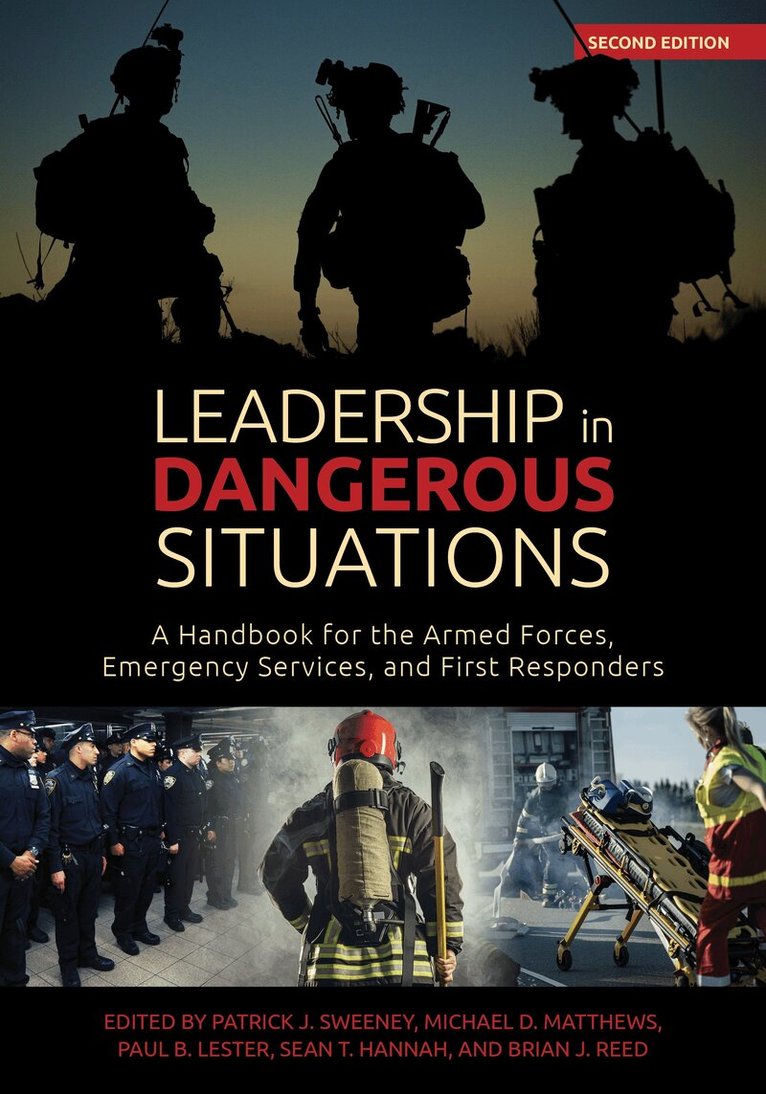
This guide which, for years, has prepared military, emergency, and first responders to face psychological, social, and physical challenges of leading in dangerous contexts has been updated. The author team, which includes scholars and practitioners, has integrated current research findings, incorporated topics not covered in the prior edition and has created a reference work relevant to leaders at all levels (entry, mid, and senior) in organizations that operate in dangerous contexts Leadership in Dangerous Situations, Second Edition includes nine new chapters that address character development, ethical decision-making and action, leading in uncertain times, empowering initiative, leading task forces and cross-functional teams, operating in complex social and political environments, tactical and operational decision-making and planning, red teaming, and incident command. The authors wrote their chapters as acts of service to enhance the professions that serve their countries and societies.