BIGs (Brief Instructional Guides) - Böcker
Visar alla böcker i serien BIGs (Brief Instructional Guides). Handla med fri frakt och snabb leverans.
17 produkter
17 produkter
185 kr
Skickas inom 7-10 vardagar
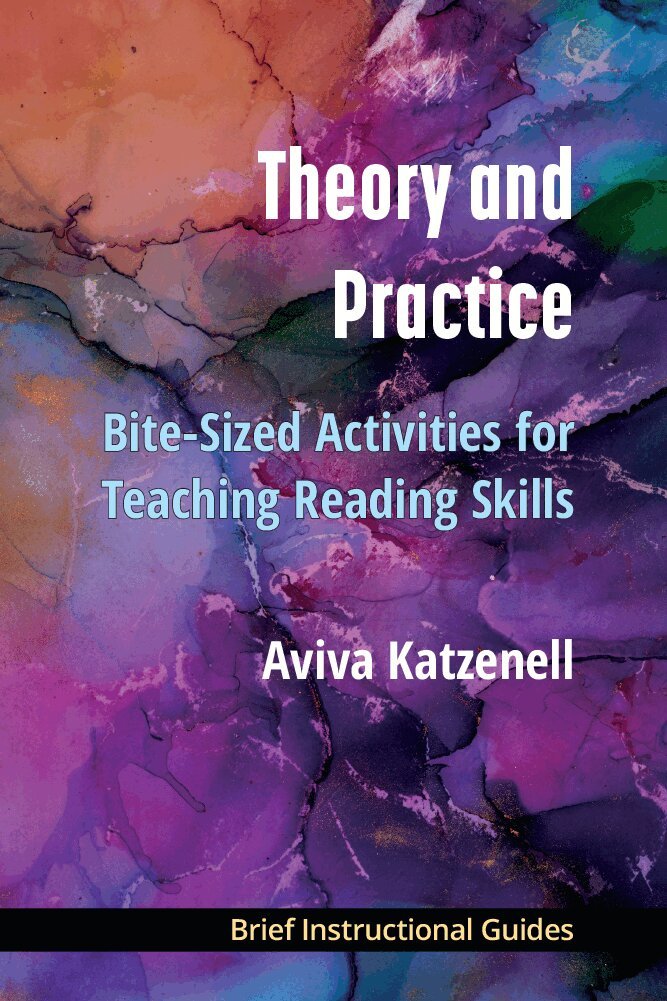
Theory and Practice: Bite-Sized Activities for Teaching Reading Skills is an easily digestible guide that links key reading skills theory to practical activities that can be adapted for different classrooms. It dives into the physiological process of reading, the link between sounds and symbols, reading accomplishments at different levels, and the skills required for reading fluency. In addition, Theory and Practice discusses Color Vowel methodology and how it aids students in acquiring automaticity through pattern recognition and associating sound with color. Chapters contain activities for pre-reading, interactive reading, and post-reading as well as how to adapt these activities for different learning levels. Examples of real student work, images, vocabulary logs, and the annotations that accompany each activity demonstrate what teachers can expect for the outcome of each activity. Theory and Practice aims to provide practicing ESOL instructors, student teachers, and educators with the key theory and tools they need to help their classes boost L2 reading skills and cultural competency in English.
185 kr
Skickas inom 7-10 vardagar
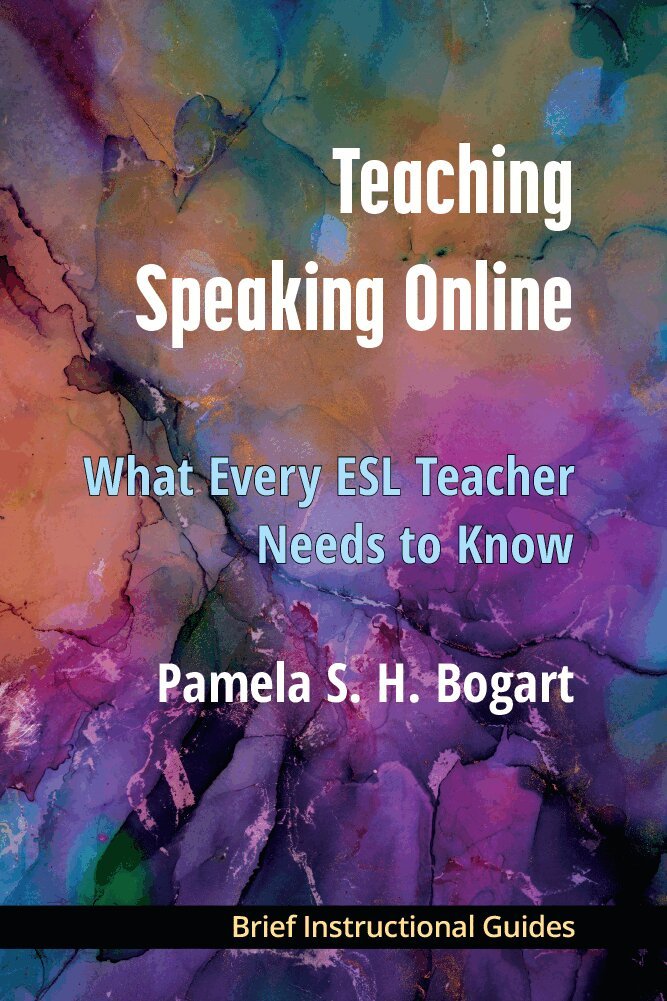
Whether you are teaching a speaking course online for the first time or transitioning to a face-to-face course to online, Teaching Speaking Online outlines ways to foster spoken language development in online teaching contexts. Because technical problems, economic resources, and student schedules may curtail opportunities for student participation in live, synchronous online classes, this book focuses primarily on asynchronous modes of teaching and learning. Each section emphasizes practical strategies and resources to promote spoken communication: fluency, accuracy, and context-sensitive usage. It outlines proven strategies and ends with reflection questions to invite readers to adopt the best strategies for their teaching.
185 kr
Skickas inom 7-10 vardagar
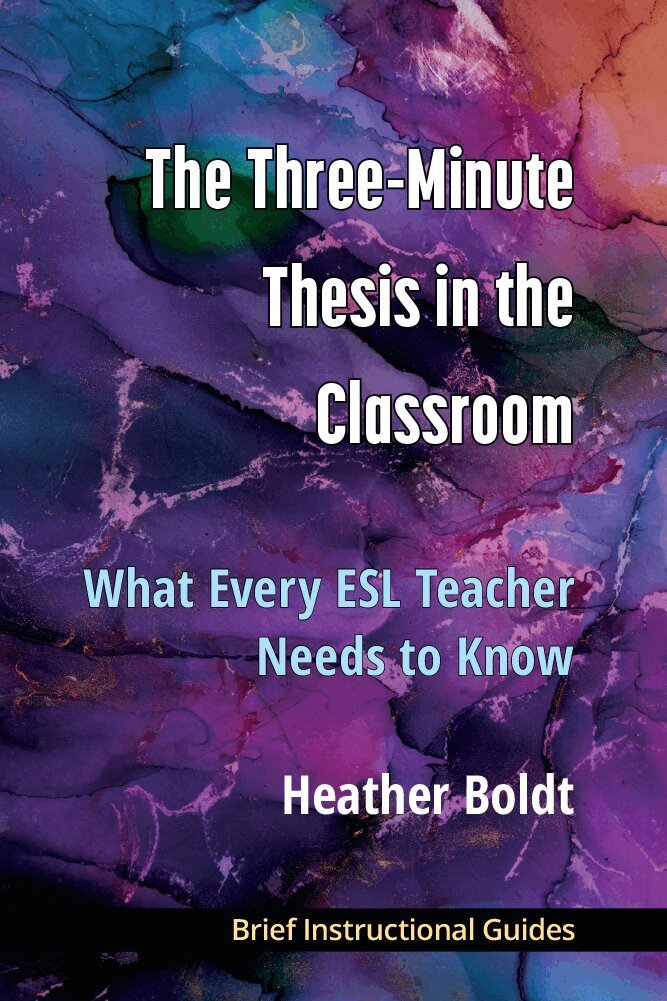
The Three Minute Thesis (3MT®) competition is an annual academic speaking competition that challenges graduate students to present their thesis and its significance to a non-specialist audience in just three minutes. In The Three Minute Thesis in the Classroom, author Heather Boldt focuses on how the 3MT can be used in an ESL or EAP classroom to improve students' speaking skills, particularly about research. This Brief Instructional Guide uses data from the author's corpus of 3MT transcripts to reveal the six moves typical of this type of presentation and then provides instructors with a variety of classroom applications in the areas of vocabulary, pronunciation, describing research to non-specialists, and effective slide design.
185 kr
Skickas inom 7-10 vardagar
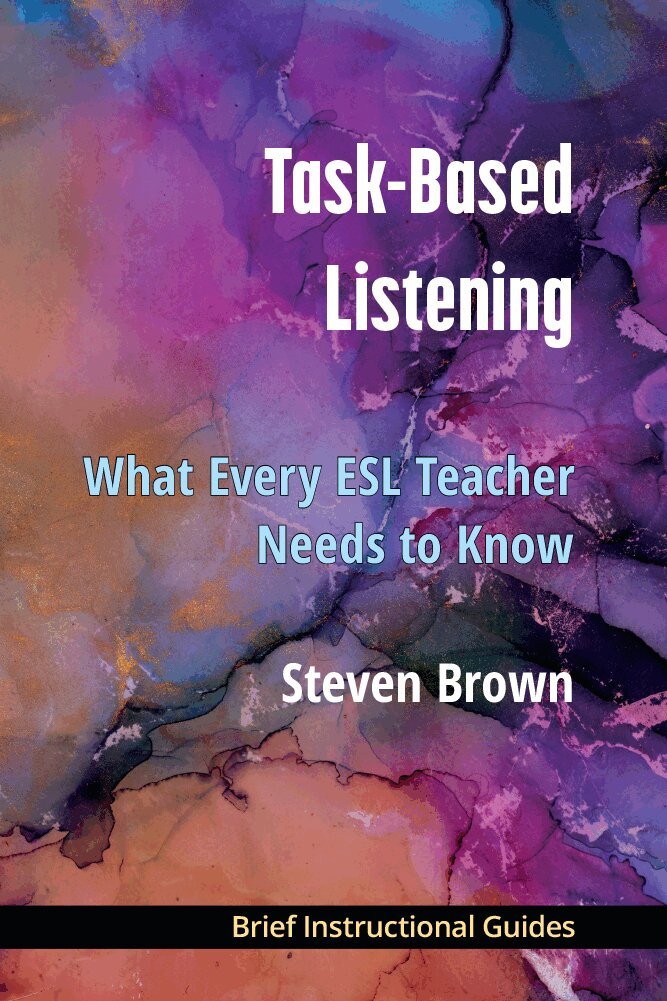
Are you looking for activities to use in your listening classes beyond asking students to answer comprehension questions? In Task-Based Listening, author Steven Brown defines task-based listening (TBL) and describes how to build a task-based listening program, how to create a task-based listening lesson, ways to activate vocabulary acquisition and improve grammatical knowledge, and the links between listening and pronunciation. In addition, he covers the ways that metacognitive strategies can assist students when listening, the advantages of extensive listening, and the benefits of interactive listening. Readers will find specific tips and suggestions for using these concepts in the classroom.
185 kr
Skickas inom 7-10 vardagar
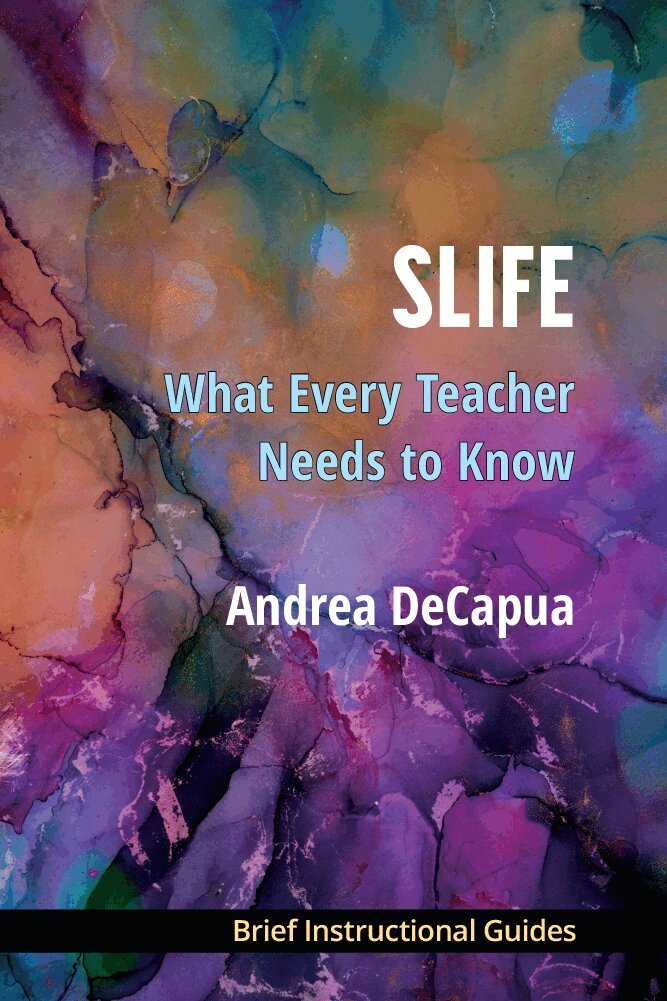
SLIFE: What Every Teacher Needs to Know helps readers deepen their understanding of Students with Limited or Interrupted Formal Education (SLIFE). Because of their limited, greatly interrupted, or sometimes nonexistent participation in formal education, SLIFE face challenges in the classroom that go beyond language and content. Often SLIFE need to develop basic literacy skills and foundational subject-area knowledge, as well as to learn how to engage in the discourse and practices of formal educational settings. So what can teachers do to help these students succeed and to recognize and honor their knowledge, skills, and cultural capital? SLIFE: What Every Teacher Needs to Know centers around four guidelines for teaching SLIFE: question assumptions, foster two-way communication, explicitly teach school tasks and academic ways of thinking, and promote project-based learning. Discussion of the Mutually Adaptive Learning Paradigm (MALP), is also included.
185 kr
Skickas inom 7-10 vardagar
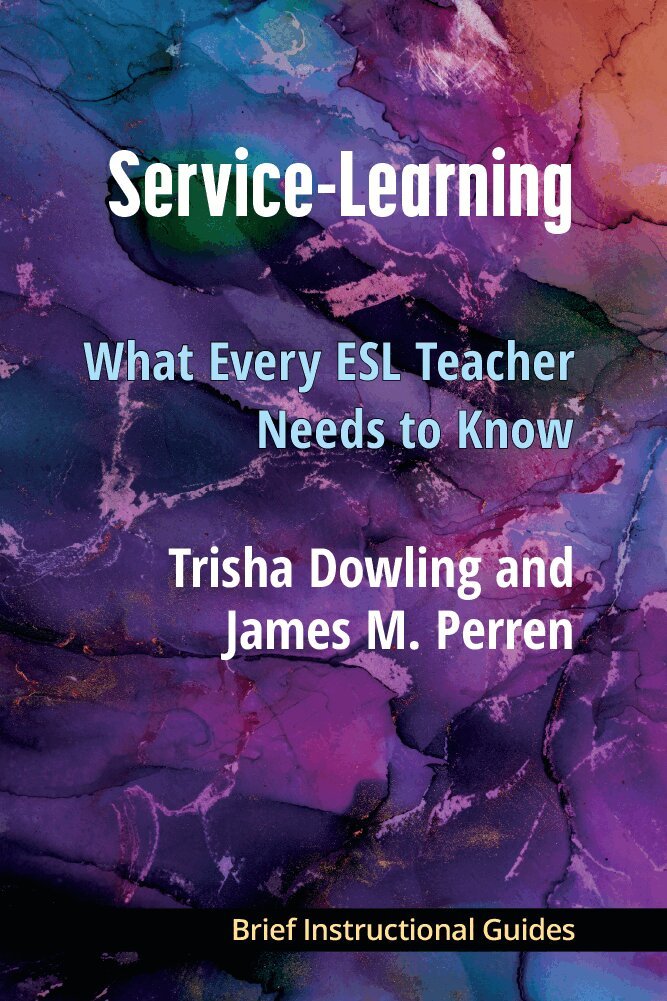
Service-Learning: What Every ESL Teacher Needs to Know gives practical information on implementing service-learning in the field of TESOL. Service-learning—"the accomplishment of tasks that meet genuine human needs in combination with conscious educational growth"—has developed into a pedagogical approach that incorporates student learning and reflection with curricular concepts while partnering with community organizations. Following an overview of service-learning in the field of TESOL, this text includes sections on incorporating service-learning in an ESL course, finding appropriate community partnerships, making decisions about culture- and language-based lessons, assessing students, and making the experience meaningful. Also included are four specific strategies to help readers make the case for service-learning to administrators.
185 kr
Skickas inom 7-10 vardagar
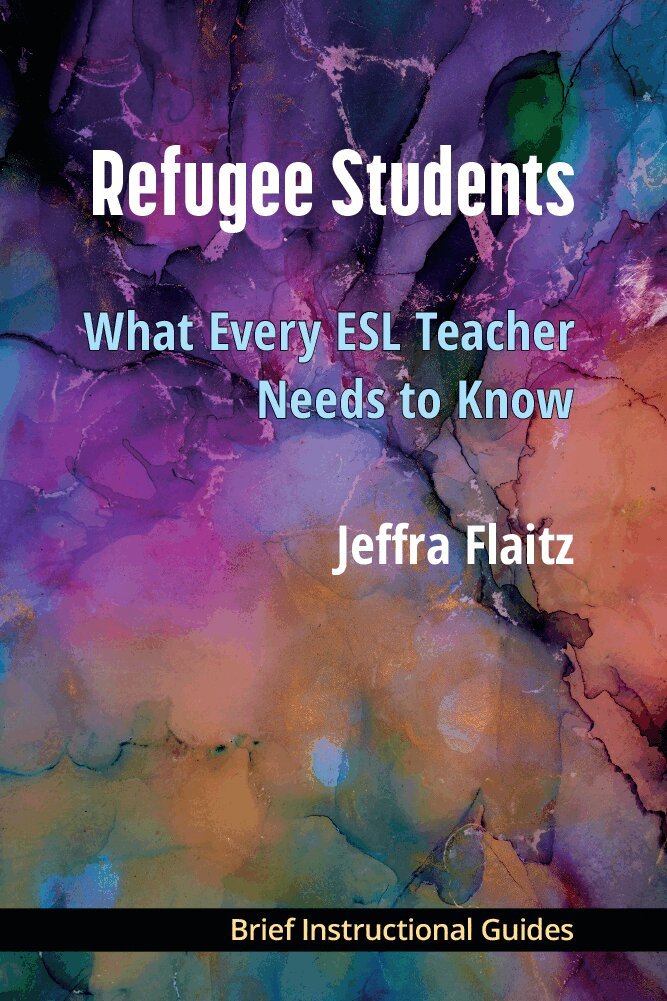
Refugee Students offers a compassionate yet practical guide for anyone who wants to better understand their refugee students, including their backgrounds, their challenges, and their strengths. Author Jeffra Flaitz provides a research- and fact-based guide to teaching refugees in today’s U.S. educational system. She discusses the different categories of immigrants, the diversity of refugees, how they may differ from other ESL students, and the risks they may face. Each section is followed by a list of what educators can do for these students.
196 kr
Skickas inom 7-10 vardagar
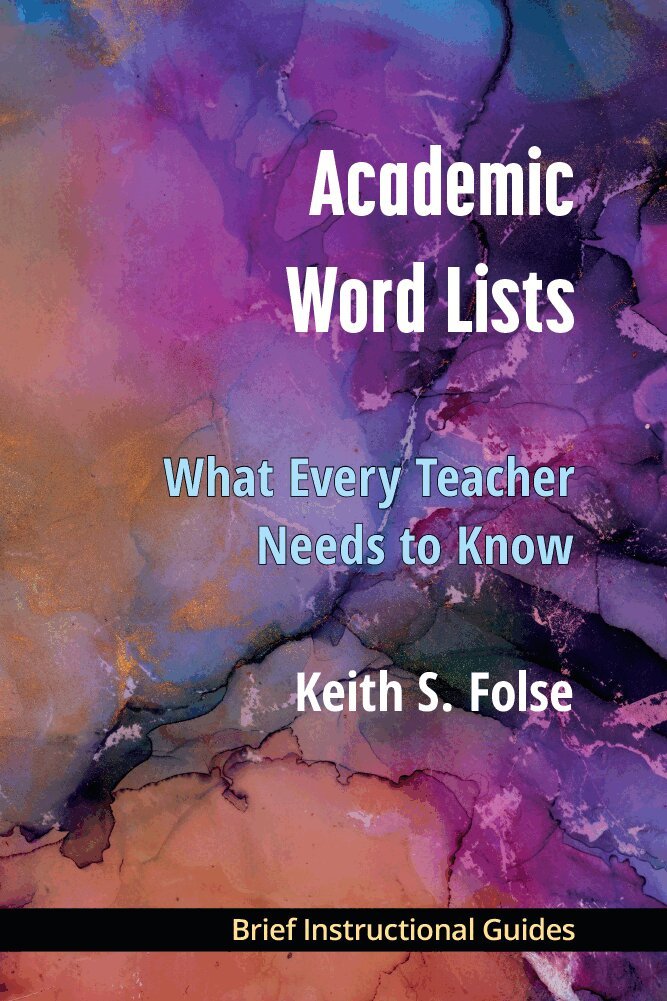
In Academic Word Lists, Keith Folse explains how various lists like the Academic Word List (AWL) have become popular tools in the ESL classroom for teaching vocabulary. Following a discussion on the importance of teaching vocabulary, Folse explains why word lists are useful in language learning and how they can help address the lexical gap. He also outlines what words are on the AWL, how the word families are selected, and what teachers should know about other word lists. The book also includes 10 suggestions for using academic word lists in the classroom, including how to use vocabulary notebooks.
Conflict Resolution Training for the Classroom
What Every ESL Teacher Needs to Know
Häftad, Engelska, 2023
185 kr
Skickas inom 7-10 vardagar
ESL instructors without a background in conflict resolution (CR) who teach intermediate to advanced courses at colleges, universities, or in Intensive English Programs, may want to provide students with valuable negotiation and mediation skills. Author Barrie J. Roberts is an experienced ESL teacher, lawyer, mediator, and Alternative Dispute Resolution (ADR) Administrator for southern California Superior Courts. In this book, she draws upon her experience using these activities in a variety of ESL settings and courses with students from all over the world to inspire other ESL teachers to add CR approaches to their activities, lessons, and courses. Following an introduction to conflict resolution, Conflict Resolution Training for the Classroom shows how much of the teaching of CR is similar to teaching ESL. It outlines ways to apply negotiation and mediation to ESL activities, how to prevent and resolve conflicts, how to use specific types of role-plays to address conflicts, and how to design successful activities. The book also includes a list of resources and sample syllabi.
218 kr
Skickas inom 7-10 vardagar
Drama in the Language Classroom weaves together cutting-edge research and practices from the fields of theater and TESOL. After providing an overview of how drama can be used in the language classroom, Carmela Romano Gillette (a TESOL expert) and Deric McNish (an expert in actor training) present a collection of resources teachers need to begin using drama, including practical classroom-tested and evidence-based techniques. They show how theater, performance, and improvisation can help students build confidence, develop a deeper context for speaking, and create authentic opportunities for language use. In addition, they outline the para- and extra-linguistic techniques that can improve expression and meaningful communication. Each section includes sample activities, such as script analysis for improving fluency, and assessment suggestions. Readers do not need to have experience with performance or drama to learn how to incorporate these practices into the ESL classroom.
185 kr
Skickas inom 7-10 vardagar
In Genre-Based Writing, author Christine Tardy defines genre and genre-based writing instruction and the five principles of a genre-based pedagogy. She then explains how to design genre-based writing activities. By discussing the genre-related practices and social and rhetorical aspects of genre, she is able to outline strategies for exploring rhetorical moves and playing with genre form in the classroom. In addition, the book provides general tips for bringing a genre approach into the writing classroom as well as several application activities and specific suggestions for classroom tasks.
185 kr
Skickas inom 7-10 vardagar
In an era where the world feels increasingly interconnected yet divided, Social-Emotional Learning in English Language Teaching unveils the profound impact of incorporating social-emotional learning (SEL) into language education. With compelling narratives and relatable examples, the authors showcase how emotional intelligence, empathy, and well-being are not just buzzwords, but essential elements for thriving in today’s global community. Through the lens of language education, they introduce the concept of affective communicative competence and advocate for a practice of responsible well-being that aims to support the holistic well-being of educators and learners. Blending meticulously researched theory with practical applications, the book is structured to facilitate both comprehension and application through practical SEL activities or reflective questions. As a critical resource for educators, researchers, and policymakers aiming to enrich the language-learning landscape, Social-Emotional Learning in English Language Teaching equips practitioners with the tools to foster environments where social-emotional and linguistic growth can flourish in tandem.
185 kr
Skickas inom 7-10 vardagar
Artificial Intelligence, Real Teaching provides an accessible overview of AI and its uses, so English language teachers across the globe can feel confident joining conversations about AI and integrating it into their practice. Grounded in current understanding of second language acquisition theory, translanguaging, and the science of learning, as well as the first-hand AI-integration experiences of the authors, this book offers teachers time-saving and personalized backend strategies for curriculum development, lesson planning, scaffolding, and assessment. Through inclusive front-end strategies for use with students in class and “make it your own” exercises, readers are encouraged to adapt AI enhancements to their particular teaching contexts and to reflect on the benefits and challenges of ethical AI integration. In short, this book serves as a teacher’s AI toolkit, offering English language teachers detailed resources to continue engaging with AI. Artificial Intelligence, Real Teaching sets the stage for teachers to innovate their practices with productive AI enhancements while continuing to center human interaction in language education amid the changing landscape of an AI-rich world.
198 kr
Skickas inom 7-10 vardagar
When academia treats plagiarism as a right-or-wrong issue, university students are expected to already understand how to avoid this act of academic dishonesty. However, source use is filled with complexities, and student plagiarism is often connected to student struggles with the subtleties of academic writing. Scholarly work that involves incorporation of sources is, in fact, a complex network of processes. Beyond Plagiarism offers a pedagogical approach to plagiarism that is intended to help instructors, administrators, and advisors address plagiarism and mentor students’ understanding of these processes and their development as academic writers and scholars. Starting with an overview of the complexities underlying plagiarism and source use, the book offers practical tools that teachers can integrate in their classes. These tools include examples of modifications to syllabi; integrating processes into assignment design, classroom support, and feedback and grading; meta-texts to guide student reflection on their use of sources; explanations of why source use is important in academic writing; guiding students through learning how to read for writing, analyze genres to better understand expectations, and practice paraphrasing, summarizing, and quoting in their own assignments; approaching AI tools strategically; and modeling successful strategies for each step of the scholarly process. By taking a pedagogical approach, expert members of the academic community can help students understand how academic writing builds on and incorporates sources; provide support for students to learn to do these things through a process approach; and respond to situations of plagiarism with nuance, compassion, and a growth mindset.
185 kr
Skickas inom 7-10 vardagar
Trauma-Sensitive Practices in English Language Teaching offers a compassionate, practical guide to the knowledge and tools teachers need for creating classrooms that are safe, supportive, and empowering for all students, particularly those affected by trauma. Through a blend of rigorous research and practical applications, the book presents an accessible approach to integrating trauma-sensitive methodologies into English language teaching. With a strong emphasis on a healthy educational atmosphere and on the well-being of educators, the authors advocate for strategies that manage teacher stress and prevent burnout. They also highlight the profound impact of trauma on learning and illustrate how thoughtful, informed teaching practices can enhance student engagement, learning outcomes, and emotional stability. By turning theory into action, Trauma-Sensitive Practices in English Language Teaching invites educators to rethink traditional approaches and embrace innovative strategies that support healing, resilience, and educational success. Whether you are a new teacher or a seasoned educator, this book provides valuable insights that will inspire and guide readers in making a lasting impact in the educational community.
247 kr
Kommande
Since technology plays many crucial roles in the functioning of modern society, language teachers are increasingly expected to be able to leverage a variety of digital tools in their classrooms. Despite this expectation, not all teachers feel comfortable with using technology. Many new teachers have not received formal training in the basics of computer-assisted language learning (CALL) and technology use. Technology in the Language Classroom provides early-career and pre-service second language (L2) instructors with an overview of important issues involved in effectively integrating technology into the L2 classroom. Each chapter provides practical strategies, resources, and application activities to help new teachers gain familiarity with utilizing a variety of digital tools for teaching different skills, including listening, speaking, reading, grammar, vocabulary, and writing. Readers will be encouraged to think critically about the key factors to consider when choosing tools that work for them, their lessons, and their students.
202 kr
Kommande
SOFLA® provides instructors with a template for learner-centered online instruction that allows for creativity and freedom within each structured step of a learning cycle. Drawing from principles of flipped learning pedagogy and best practices in online learning, this approach offers a robust framework for technology-based instruction that includes both synchronous and asynchronous components. This book begins by defining flipped learning and then rethinking it in terms of the online instructional context, with the goal of identifying the factors that contribute to a perfect blend of the two. Then, the book describes the eight steps of SOFLA® with details and caveats to aid implementation. Next, the authors provide sample lessons to illustrate SOFLA® in action and describe modifications and enhancements to show how this model can be adjusted to include various student populations, learning contexts, and methodologies. Finally, the conclusion discusses what this flexible and transparent approach offers educators and their students. As online learning becomes increasingly universal, SOFLA® will offer teachers a valuable instructional option for fostering interactive and student-centered learning.