Biological Methods - Böcker
Visar alla böcker i serien Biological Methods. Handla med fri frakt och snabb leverans.
13 produkter
13 produkter
1 101 kr
Skickas inom 10-15 vardagar
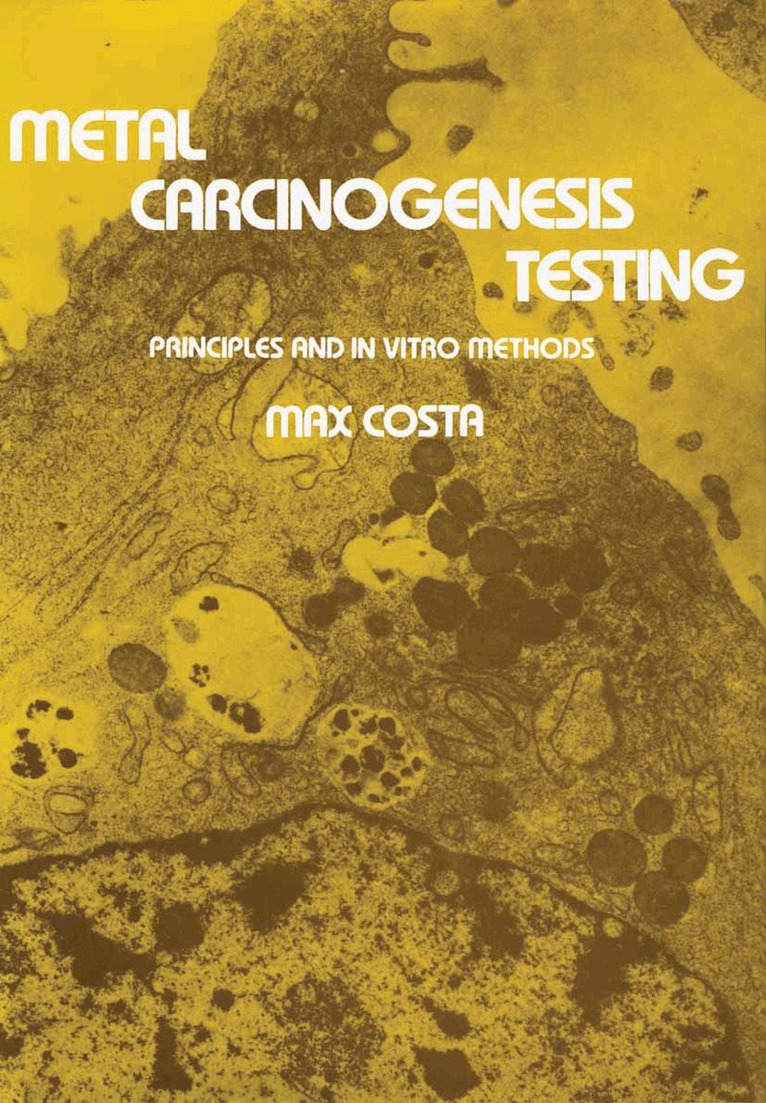
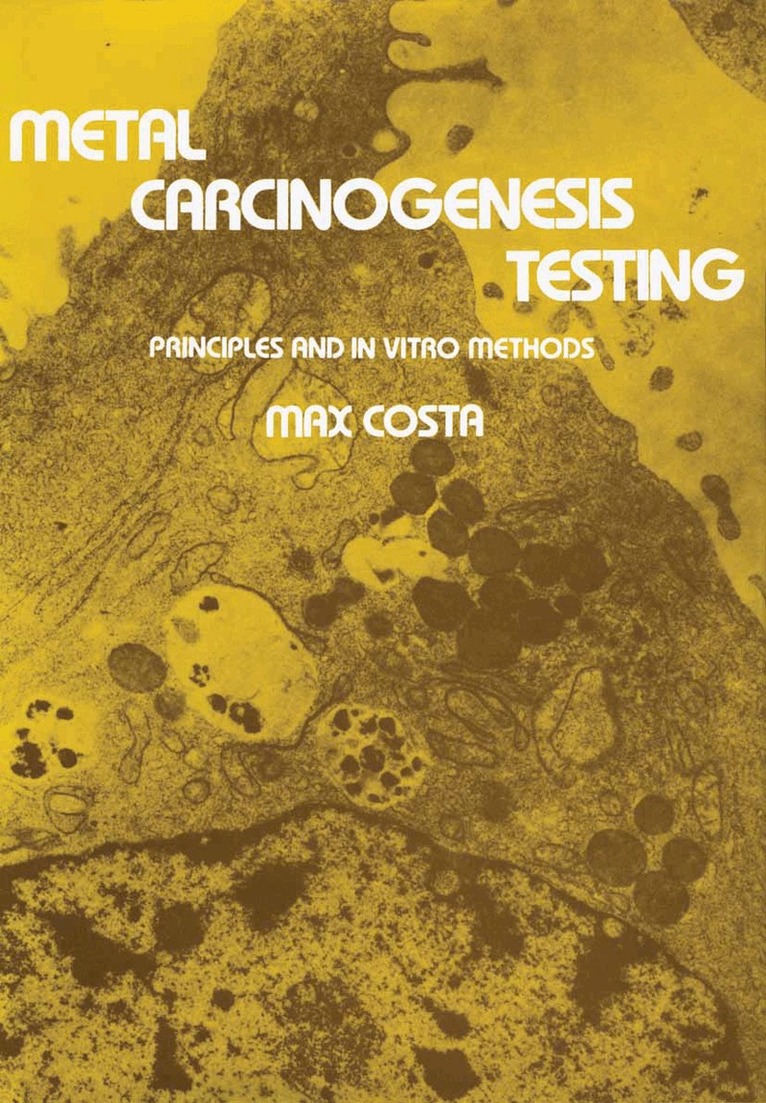
This text offers a comprehensive treatment of the fundamental biological, chemical and epidemiological principles of metal carcinogenesis and its assay as these are presently understood. It addresses problems of human exposure, the induction of tumors in experimental animals, and the effects of metal on "in vitro" systems. This book should be of interest to pharmacologists, toxicologists, epidemiologists, biologist, pathologist, industrial hygienists and those needing actively to assay metals and their compounds for carcinogenicity.
1 632 kr
Skickas inom 10-15 vardagar
1 069 kr
Skickas inom 10-15 vardagar
Milestones in the techniques and methodology of polypeptide structure determination include the determination of the sequence of insulin by Sanger in 1951 (I) and the introduction of the repeti- tive degradation of proteins with phenylisothiocyanate by Edman in 1959 (2). The automation of Edman chemistry (3) played a major role in the determination of polypeptide structures. Important modifications of Edman chemistry include the solid-phase approach by Laursen in 1971 (4) and the use of modified Edman reagents such as 4-N,N-dimethylaminoazobenzene-4'-isothiocy- ate (DABITC) for manual sequencing by Chang et al. (5) in 1976. A second major breakthrough in the analysis of polypeptides was automated amino acid analysis described by Spackman et al. in 1958 (6). However, during the period from 1975 to 1980, it became increasingly clear that the amount of material required for struc- tural analysis was more than could be easily isolated for the vast majority of proteins. The field was criticized for its lack of sensitive techniques for the analysis of growth factors, immune modulators, membrane receptors, and peptide hormones.In addition, very little had been done to modernize and improve the original instruments introduced in the mid-1960s. The first indications of improved instrumentation for Edman chemistry came from Wittmann-Liebold's laboratory (7), followed by the introduction of a "micro" sequencer by Hunkapiller and Hood in 1978 (8). The movement toward improved instrumentation culminated in the "gas"-phase sequencer of Hewick et al. (9) in 1981.
1 632 kr
Skickas inom 10-15 vardagar
Quantification of the proliferative characteristics of normal and malignant cells has been of interest to oncolo gists and cancer biologists for almost three decades. This interest stems from (a) the fact that cancer is a disease of uncontrolled proliferation, (b) the finding that many of the commonly used anticancer agents are preferentially toxic to cells that are actively proliferating, and (c) the observa tion that significant differences in proliferation characteristics exist between normal and malignant cells. Initially, cell cycle analysis was pursued enthusiastically in the hope of gener ating information useful for the development of rational cancer therapy strategies; for example, by allowing identi fication of rapidly proliferating tumors against which cell cycle-specific agents could be used with maximum effec tiveness and by allowing rational scheduling of cell cyc- specific therapeutic agents to maximize the therapeutic ratio. Unfortunately, several difficulties haveprevented realiza tion of the early promise of cell cycle analysis: Proliferative patterns of the normal and malignant tissues have been found to be substantially more complex than originally an ticipated, and synchronization of human tumors has proved remarkably difficult. Human tumors of the same type have proved highly variable, and the cytokinetic tools available for cell cycle analysis have been labor intensive, as well as somewhat subjective and in many cases inapplicable to humans. However, the potential for substantially improved cancer therapy remains if more accurate cytokinetic infor mation about human malignancies and normal tissues can be obtained in a timely fashion.
2 110 kr
Skickas inom 10-15 vardagar
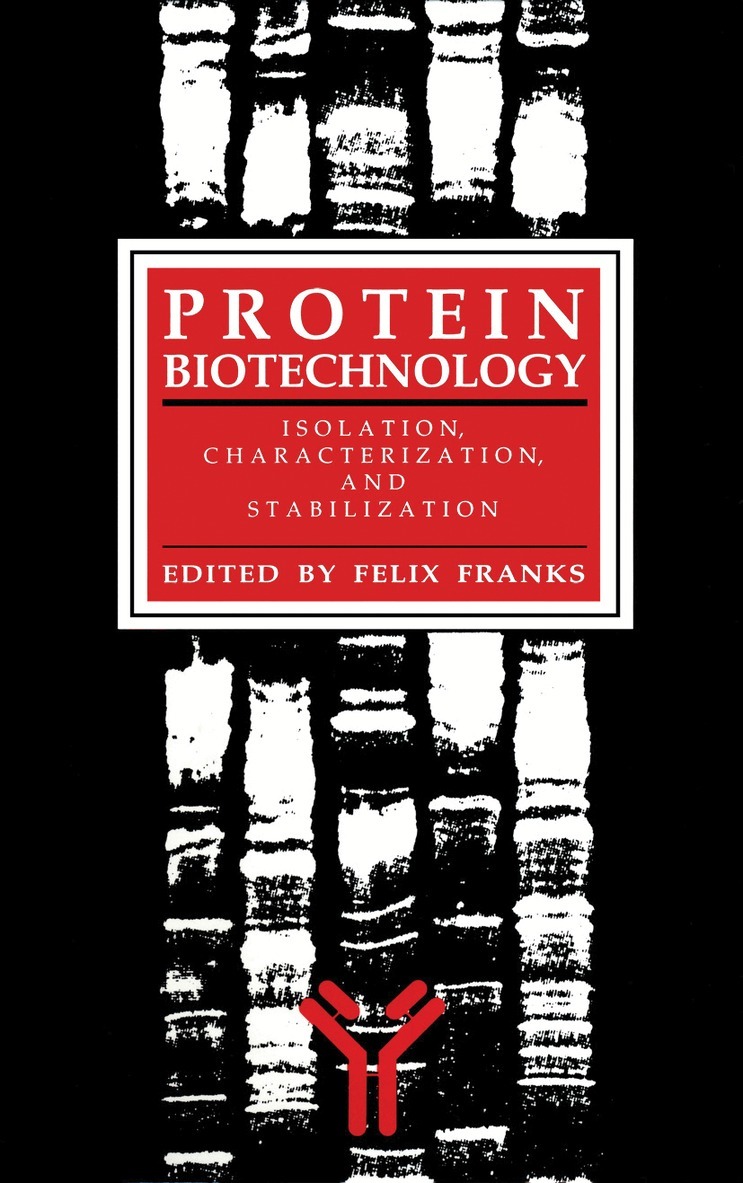
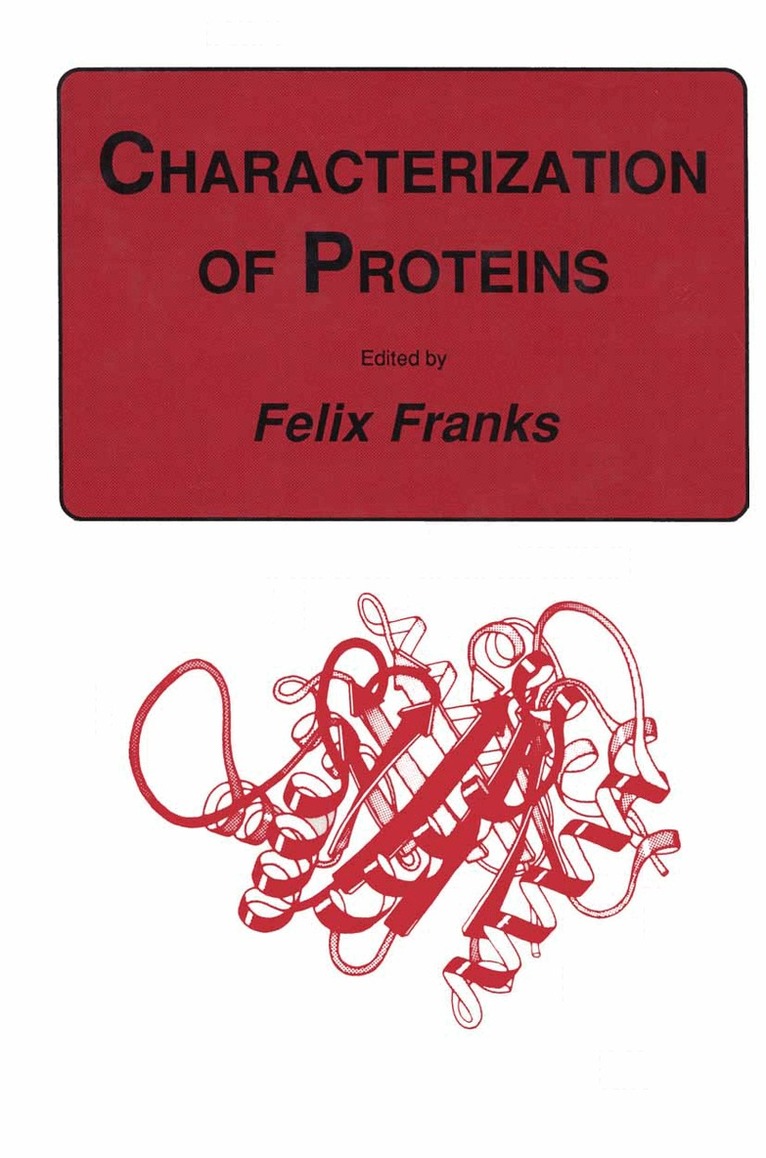
Proteins are the servants of life. They occur in all component parts of living organisms and are staggering in their functional var- ty, despite their chemical similarity. Even the simplest single-cell organism contains a thousand different proteins, fulfilling a wide range of life-supporting roles. Their production is controlled by the cell’s genetic machinery, and a malfunction of even one protein in the cell will give rise to pathological symptoms. Additions to the total number of known proteins are constantly being made on an increasing scale through the discovery of mutant strains or their production by genetic manipulation; this latter technology has become known as protein engineering. The in vivo functioning of proteins depends critically on the chemical structure of individual peptide chains, but also on the detailed folding of the chains themselves and on their assembly into larger supramolecular structures. The molecules and their fu- tional assemblies possess a limited in vitro stability. Special methods are required for their intact isolation from the source material and for their analysis, both qualitatively and quantitatively. Proteins are also increasingly used as “industrial components,” e.g., in biosensors and immobilized enzymes, because of their specificity, selectivity, and sensitivity. This requires novel and refined proce- ing methods by which the protein isolate can be converted into a form in which it can be utilized.
2 110 kr
Skickas inom 10-15 vardagar
This new edition of a classic laboratory manual covers the general principles, specific methods and procedures, and quantitative histochemistry of enzymatic analysis. It presents a systematic scheme for analyzing biological materials and explains the theory and techniques in terms simple enough for anyone to follow. The protocols are written in a clear, easy to follow style as if the author had just performed the technique himself and knows exactly the problems to be encountered.
1 584 kr
Skickas inom 10-15 vardagar
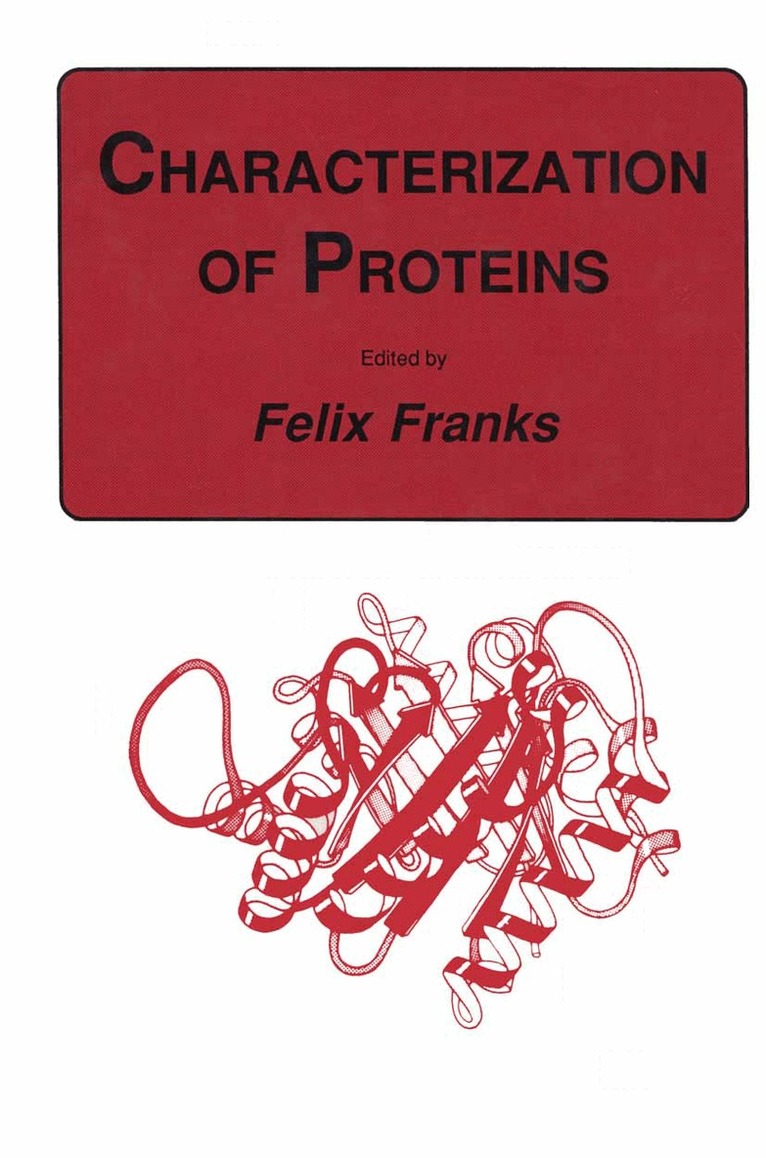
Proteins are the servants of life. They occur in all com- nent parts of living organisms and are staggering in their fu- tional variety, despite their chemical similarity. Even the simplest single-cell organism contains a thousand different p- teins, fulfilling a wide range of life-supporting roles. Additions to the total number of known proteins are being made on an increasing scale through the discovery of mutant strains or their production by genetic manipulation. The total international protein literature could fill a medi- sized building and is growing at an ever-increasing rate. The reader might be forgiven for asking whether yet another book on proteins, their properties, and functions can serve a useful purpose. An explanation of the origin of this book may serve as justification. The authors form the tutorial team for an int- sive postexperience course on protein characterization or- nized by the Center for Professional Advancement, East Brunswick, New Jersey, an educational foundation. The course was first mounted in Amsterdam in 1982 and has since been repeated several times, in both Amsterdam and the US, with participants from North America and most European countries. In a predecessor to this book, emphasis was placed on the role of protein isolation in the food industry, because at the time this reflected the interests of most of the participants at the course. Today, isolated proteins for food use are extracted from yeasts, fungal sources, legumes, oilseeds, cereals, and leaves.
2 320 kr
Skickas inom 10-15 vardagar
Enzymatic Analysis: A Practical Guide is a multipurpose manual of laboratory methods. It offers a systematic scheme for the analysis of biological materials from the level of the whole organ down to the single cell and beyond. It is intended as a guide to the development of new methods, to the refinement of old ones, and to the adaptation in general of methods to almost any scale of sensitivity. As some may realize, the book is a sequel to A Flexible System of Enzymatic Analysis, originally published in 1972. The major changes, other than an appropriate interchange of authors, consist of a wholly new chapter of methods and protocols for measuring enzymes, the addition of 13 new entries in the metabolite chapter, and a much superior chapter on enzymatic cycling. With considerable nostalgia, we have switched from DPN and TPN to NAD and NADP nomenclature, which no doubt will make Otto Warburg turn over in his grave. The incentives for the methodology in this book came from the rigorous demands of quantitative histochemistry and cytochemistry. These demands are specificity, simplicity, flexibility, and, of course, sensitivity—all likewise desirable attributes of methods for other purposes. The specificity is provided by the use of enzyme methods. Simplicity is achieved by leading all reactions to a final pyridine nucleotide step.
1 101 kr
Skickas inom 10-15 vardagar
Metal Carcinogenesis Testing explains fundamental principles of metal carcinogenesis as they are currently understood, and provides detailed practical descriptions of rapid and inexpensive in vitro assay methodology presently in use for the detection of potentially carci nogenic metals and their compounds. Mounting experimental evidence has suggested that a number of metals and their compounds are potentially carcinogenic to humans. Since humans are exposed to these potentially carcinogenic metals in industrial situations and through environmental pollution, it is essential that experimental protocols be available to identify the specific metal compounds that are potentially carcinogenic. This book affords a thorough description of the various carcinogenesis test systems available for metals, centering on those that are rapid, inexpensive, and most reliable. The principles are discussed at the level of human exposure, of animal studies, and of research in vitro. Additionally, the molecular mechanisms of metal-induced cancer are considered at each ofthese three levels.In large part, the emphasis rests on the use of in vitro, biochemical and bacterial studies, including tissue culture, because these methods are the basis of the rapid and inexpensive screening of potentially carcinogenic substances.
1 584 kr
Skickas inom 10-15 vardagar
1 584 kr
Skickas inom 10-15 vardagar
Quantification of the proliferative characteristics of normal and malignant cells has been of interest to oncolo gists and cancer biologists for almost three decades. This interest stems from (a) the fact that cancer is a disease of uncontrolled proliferation, (b) the finding that many of the commonly used anticancer agents are preferentially toxic to cells that are actively proliferating, and (c) the observa tion that significant differences in proliferation characteristics exist between normal and malignant cells. Initially, cell cycle analysis was pursued enthusiastically in the hope of gener ating information useful for the development of rational cancer therapy strategies; for example, by allowing identi fication of rapidly proliferating tumors against which cell cycle-specific agents could be used with maximum effec tiveness and by allowing rational scheduling of cell cyc- specific therapeutic agents to maximize the therapeutic ratio. Unfortunately, several difficulties haveprevented realiza tion of the early promise of cell cycle analysis: Proliferative patterns of the normal and malignant tissues have been found to be substantially more complex than originally an ticipated, and synchronization of human tumors has proved remarkably difficult. Human tumors of the same type have proved highly variable, and the cytokinetic tools available for cell cycle analysis have been labor intensive, as well as somewhat subjective and in many cases inapplicable to humans. However, the potential for substantially improved cancer therapy remains if more accurate cytokinetic infor mation about human malignancies and normal tissues can be obtained in a timely fashion.
2 110 kr
Skickas inom 10-15 vardagar
Proteins are the servants of life. They occur in all component parts of living organisms and are staggering in their functional var- ty, despite their chemical similarity. Even the simplest single-cell organism contains a thousand different proteins, fulfilling a wide range of life-supporting roles. Their production is controlled by the cell’s genetic machinery, and a malfunction of even one protein in the cell will give rise to pathological symptoms. Additions to the total number of known proteins are constantly being made on an increasing scale through the discovery of mutant strains or their production by genetic manipulation; this latter technology has become known as protein engineering. The in vivo functioning of proteins depends critically on the chemical structure of individual peptide chains, but also on the detailed folding of the chains themselves and on their assembly into larger supramolecular structures. The molecules and their fu- tional assemblies possess a limited in vitro stability. Special methods are required for their intact isolation from the source material and for their analysis, both qualitatively and quantitatively. Proteins are also increasingly used as “industrial components,” e.g., in biosensors and immobilized enzymes, because of their specificity, selectivity, and sensitivity. This requires novel and refined proce- ing methods by which the protein isolate can be converted into a form in which it can be utilized.
1 069 kr
Skickas inom 10-15 vardagar
Milestones in the techniques and methodology of polypeptide structure determination include the determination of the sequence of insulin by Sanger in 1951 (I) and the introduction of the repeti- tive degradation of proteins with phenylisothiocyanate by Edman in 1959 (2). The automation of Edman chemistry (3) played a major role in the determination of polypeptide structures. Important modifications of Edman chemistry include the solid-phase approach by Laursen in 1971 (4) and the use of modified Edman reagents such as 4-N,N-dimethylaminoazobenzene-4'-isothiocy- ate (DABITC) for manual sequencing by Chang et al. (5) in 1976. A second major breakthrough in the analysis of polypeptides was automated amino acid analysis described by Spackman et al. in 1958 (6). However, during the period from 1975 to 1980, it became increasingly clear that the amount of material required for struc- tural analysis was more than could be easily isolated for the vast majority of proteins. The field was criticized for its lack of sensitive techniques for the analysis of growth factors, immune modulators, membrane receptors, and peptide hormones.In addition, very little had been done to modernize and improve the original instruments introduced in the mid-1960s. The first indications of improved instrumentation for Edman chemistry came from Wittmann-Liebold's laboratory (7), followed by the introduction of a "micro" sequencer by Hunkapiller and Hood in 1978 (8). The movement toward improved instrumentation culminated in the "gas"-phase sequencer of Hewick et al. (9) in 1981.