Birmingham War Studies – serie
Visar alla böcker i serien Birmingham War Studies. Handla med fri frakt och snabb leverans.
22 produkter
Human Face of War
Av Jim Storr
Häftad, 2011
527 kr
Lägg i varukorg
Warfare is hugely important. The fates of nations, and even continents, often rests on the outcome of war and thus on how its practitioners consider war. The Human Face of War is a new exploration of military thought. It starts with the observation that much military thought is poorly developed - …
Human Face of War
Av Jim Storr
E-bok, 2011
642 kr
Lägg i varukorg
Warfare is hugely important. The fates of nations, and even continents, often rests on the outcome of war and thus on how its practitioners consider war. The Human Face of War is a new exploration of military thought. It starts with the observation that much military thought is poorly developed - …
Human Face of War
Av Jim Storr
E-bok, 2009
628 kr
Lägg i varukorg
Warfare is hugely important. The fates of nations, and even continents, often rests on the outcome of war and thus on how its practitioners consider war. The Human Face of War is a new exploration of military thought. It starts with the observation that much military thought is poorly developed - …
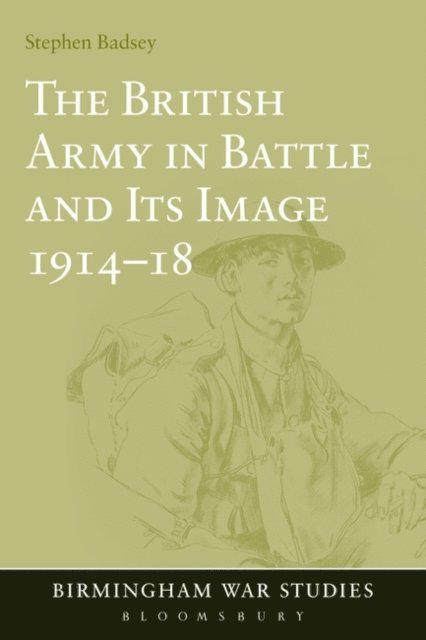
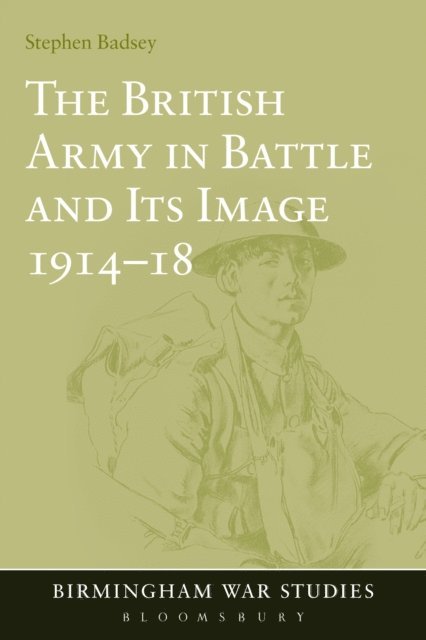
British Army in Battle and Its Image 1914-18
Inbunden, 2009
2188 kr
Lägg i varukorg
In this collection of essays of incomparable scholarship, Stephen Badsey explores in individual detail how the British Army fought in the First World War, how politics and strategy affected its battles and the decisions of senior commanders such as Douglas Haig, and how these issues were intimately …
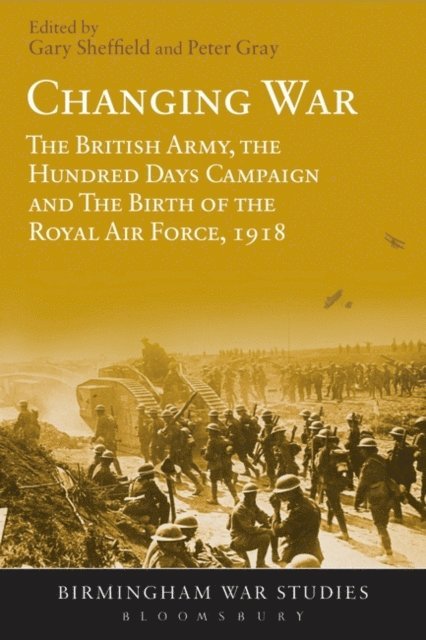
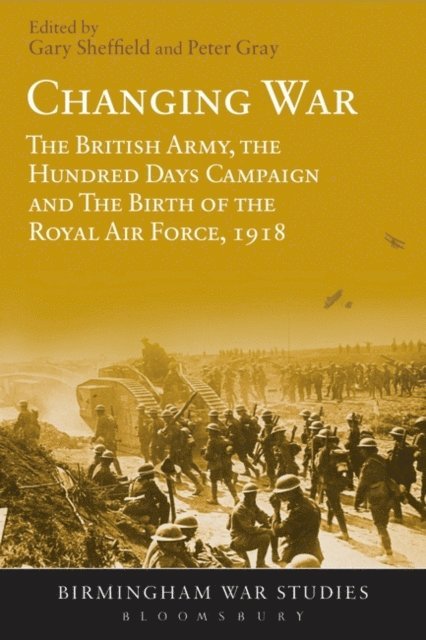
Changing War
The British Army, the Hundred Days Campaign and the Birth of the Royal Air Force, 1918
E-bok, 2013
626 kr
Lägg i varukorg
In 1918, the British Expeditionary Force (BEF) played a critical role in defeating the German army and thus winning the First World War. This 'Hundred Days' campaign (August to November 1918) was the greatest series of land victories in British military history. 1918 also saw the creation of the …
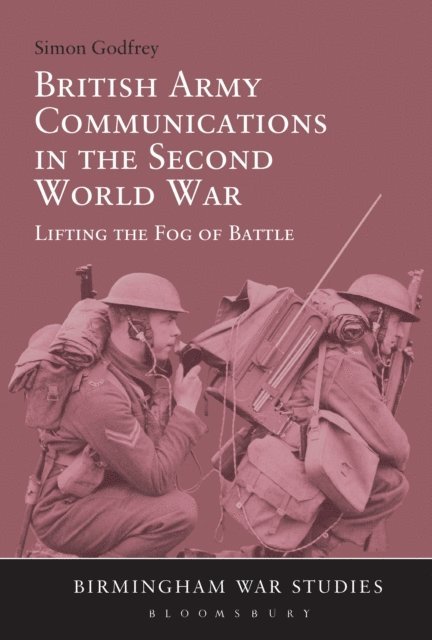
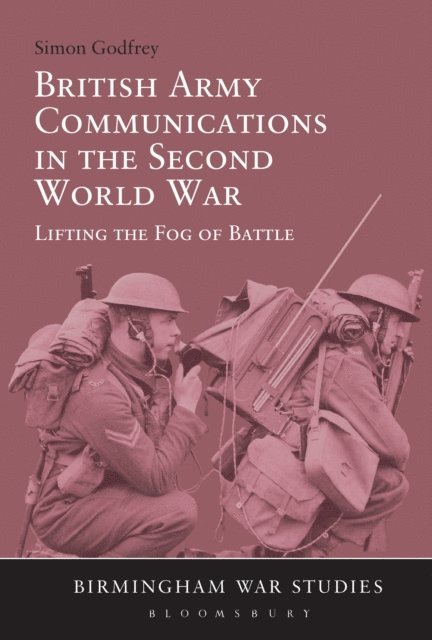
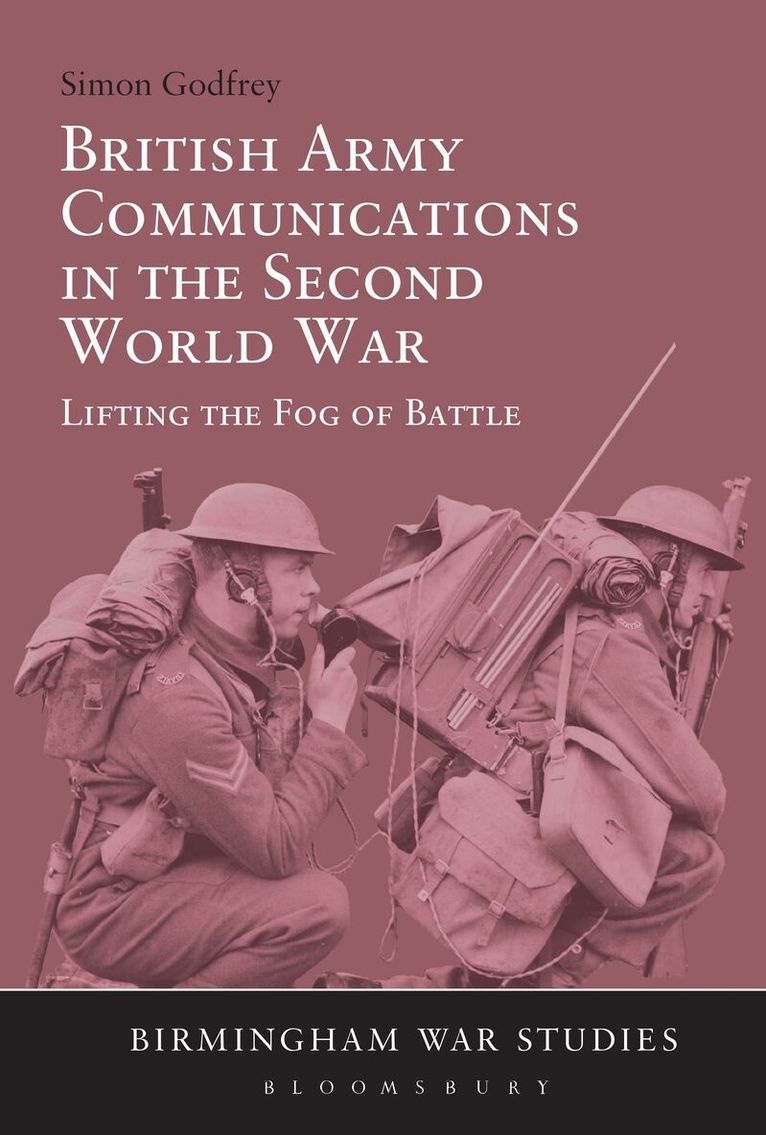
British Army Communications in the Second World War
Lifting the Fog of Battle
E-bok, 2013
626 kr
Lägg i varukorg
Command, Control, Communications and Intelligence form the backbone of the Army's operating system. But while much attention has been given in the literature to the other three elements, Communications in the British Army during World War II have been widely ignored. This book rectifies the …
British Army in Battle and Its Image 1914-18
E-bok, 2011
626 kr
Lägg i varukorg
In this collection of essays of incomparable scholarship, Stephen Badsey explores in individual detail how the British Army fought in the First World War, how politics and strategy affected its battles and the decisions of senior commanders such as Douglas Haig, and how these issues were intimately …
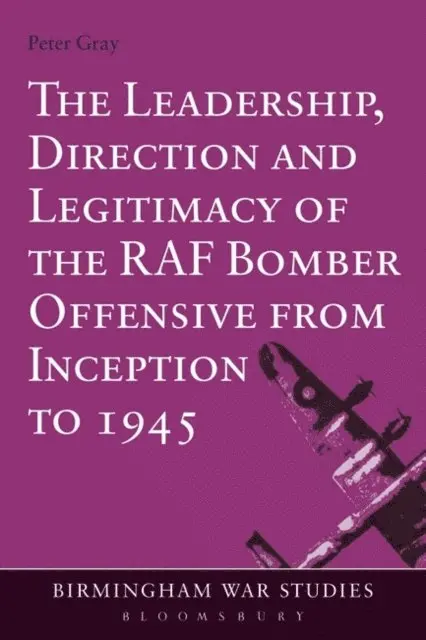
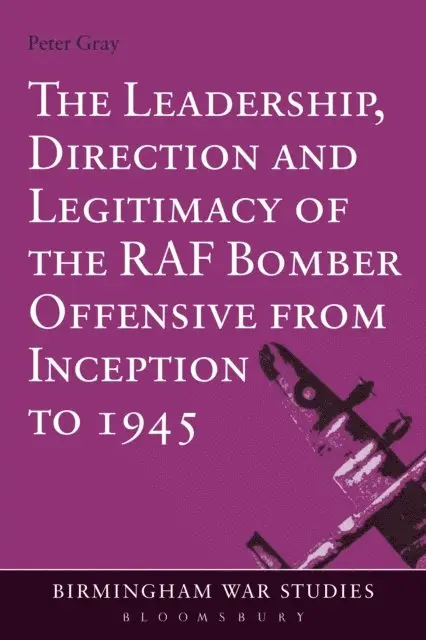
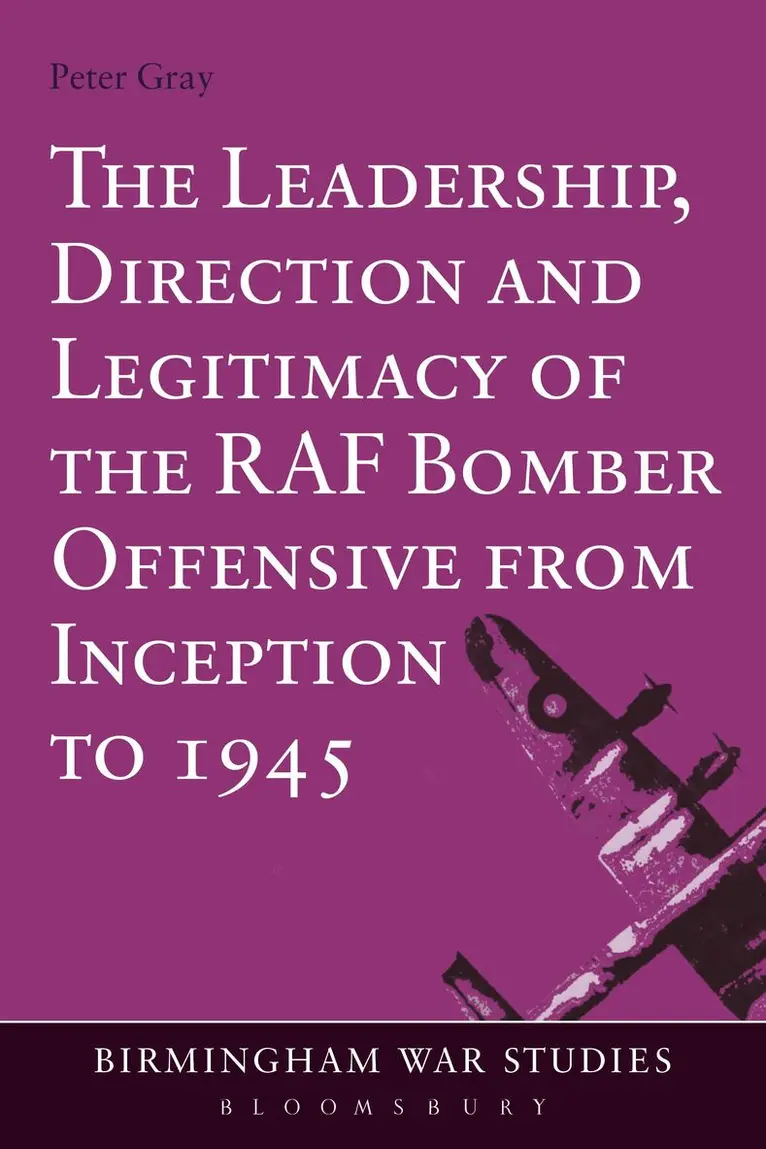
Leadership, Direction and Legitimacy of the RAF Bomber Offensive from Inception to 1945
Av Peter Gray
E-bok, 2012
626 kr
Lägg i varukorg
This book offers a fresh approach to the debate on the RAF's bomber offensive by using modern strategic leadership theory as an analytical tool to examine the campaign. In particular, it looks at the legality and legitimacy of the offensive and explores the key interfaces between the military …
Leadership, Direction and Legitimacy of the RAF Bomber Offensive from Inception to 1945
Av Peter Gray
Inbunden, 2012
2188 kr
Lägg i varukorg
Leadership, Direction and Legitimacy of the RAF Bomber Offensive from Inception to 1945 offers a fresh approach to the debate on the RAF's strategic bomber offensive by using modern strategic leadership theory as an analytical tool to examine the campaign. In particular, it looks at the legality …
British Army in Battle and Its Image 1914-18
Häftad, 2014
574 kr
Lägg i varukorg
In this collection of essays of incomparable scholarship, Stephen Badsey explores in individual detail how the British Army fought in the First World War, how politics and strategy affected its battles and the decisions of senior commanders such as Douglas Haig, and how these issues were intimately …
Changing War
The British Army, the Hundred Days Campaign and The Birth of the Royal Air Force, 1918
Inbunden, 2013
2043 kr
Lägg i varukorg
In 1918, the British Expeditionary Force (BEF) played a critical role in defeating the German army and thus winning the First World War. This 'Hundred Days' campaign (August to November 1918) was the greatest series of land victories in British military history. 1918 also saw the creation of the …
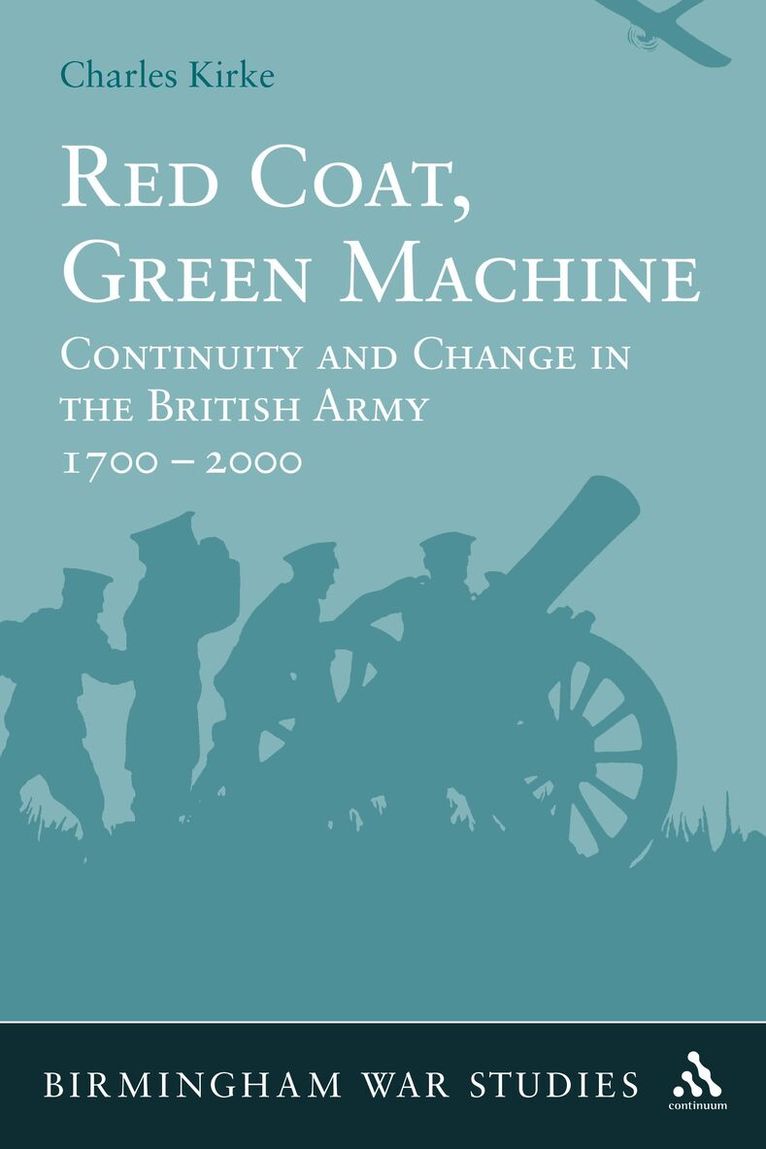
Red Coat, Green Machine
Continuity in Change in the British Army 1700 to 2000
E-bok, 2011
626 kr
Lägg i varukorg
How different were the men who fought at Blenheim and at Goose Green? Is there a human thread that connects the redcoat of 300 years ago with the British soldier of today? What would they find in common if they faced a common foe? This book is about the people in the Army, and the very human …
Leadership, Direction and Legitimacy of the RAF Bomber Offensive from Inception to 1945
Av Peter Gray
E-bok, 2012
626 kr
Lägg i varukorg
This book offers a fresh approach to the debate on the RAF''s bomber offensive by using modern strategic leadership theory as an analytical tool to examine the campaign. In particular, it looks at the legality and legitimacy of the offensive and explores the key interfaces between the military …
Red Coat, Green Machine
Continuity in Change in the British Army 1700 to 2000
Häftad, 2012
574 kr
Lägg i varukorg
How different were the men who fought at Blenheim and at Goose Green? Is there a human thread that connects the redcoat of 300 years ago with the British soldier of today? What would they find in common if they faced a common foe? This book is about the people in the Army, and the very human …
British Army in Battle and Its Image 1914-18
E-bok, 2009
626 kr
Lägg i varukorg
In this collection of essays of incomparable scholarship, Stephen Badsey explores in individual detail how the British Army fought in the First World War, how politics and strategy affected its battles and the decisions of senior commanders such as Douglas Haig, and how these issues were intimately …
British Army Communications in the Second World War
Lifting the Fog of Battle
E-bok, 2013
626 kr
Lägg i varukorg
Command, Control, Communications and Intelligence form the backbone of the Army's operating system. But while much attention has been given in the literature to the other three elements, Communications in the British Army during World War II have been widely ignored. This book rectifies the …
British Army Communications in the Second World War
Lifting the Fog of Battle
Inbunden, 2013
2043 kr
Lägg i varukorg
Command, Control, Communications and Intelligence form the backbone of the Army's operating system. But while much attention has been given in the literature to the other three elements, Communications in the British Army during World War II have been widely ignored. This book rectifies the …
Changing War
The British Army, the Hundred Days Campaign and the Birth of the Royal Air Force, 1918
E-bok, 2013
626 kr
Lägg i varukorg
In 1918, the British Expeditionary Force (BEF) played a critical role in defeating the German army and thus winning the First World War. This 'Hundred Days' campaign (August to November 1918) was the greatest series of land victories in British military history. 1918 also saw the creation of the …
Leadership, Direction and Legitimacy of the RAF Bomber Offensive from Inception to 1945
Av Peter Gray
Häftad, 2014
574 kr
Lägg i varukorg
This book offers a fresh approach to the debate on the RAF's bomber offensive by using modern strategic leadership theory as an analytical tool to examine the campaign. In particular, it looks at the legality and legitimacy of the offensive and explores the key interfaces between the military …
British Army Communications in the Second World War
Lifting the Fog of Battle
Häftad, 2014
574 kr
Lägg i varukorg
Command, Control, Communications and Intelligence form the backbone of the Army's operating system. But while much attention has been given in the literature to the other three elements, Communications in the British Army during World War II have been widely ignored. This book rectifies the …
Human Face of War
Av Jim Storr
Inbunden, 2009
2261 kr
Lägg i varukorg
Warfare is hugely important. At times the fates of nations, and even continents, rests on the outcome of war and thus on how its practitioners consider war. The Human Face of War is a new exploration of military thought. It starts with the observation that much military thought is poorly developed …
Red Coat, Green Machine
Continuity in Change in the British Army 1700 to 2000
Inbunden, 2009
2333 kr
Lägg i varukorg
This illuminating study provides a unifying framework for understanding the daily lives of British soldiers past and present.How different were the men who fought at Blenheim and at Goose Green? Is there a human thread that connects the redcoat of 300 years ago with the British soldier today? What …