Black New England – serie
Visar alla böcker i serien Black New England. Handla med fri frakt och snabb leverans.
9 produkter
9 produkter
336 kr
Skickas inom 5-8 vardagar
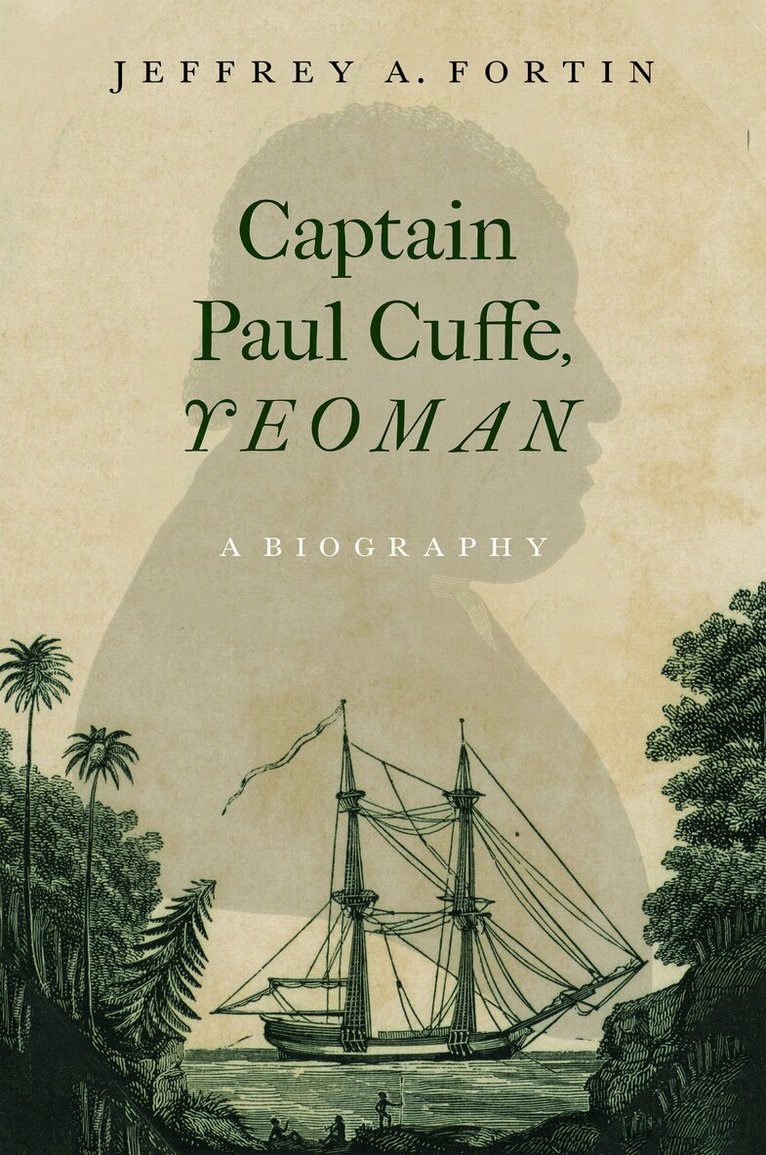
Paul Cuffe is best understood as a member of the Black founding fathers—a group of pre-eminent African Americans who built institutions and movements during the first decades of the United States. While he is known amongst scholars, his astounding life story deserves a much wider audience. Jeffrey A. Fortin has crafted a beautiful, moving portrait of this important maritime figure that will appeal to anyone interested in early American history and who loves great story telling.Born on Cuttyhunk Island, Massachusetts in 1759 to a formerly enslaved African father and a Wampanoag Indian mother, Cuffe emerged from anonymity to become the most celebrated African-American sea captain during the Age of Sail. An abolitionist, veteran, and community activist, celebrity followed Cuffe as he built a shipping empire that traded both in American coastal waters and across the wider Atlantic Ocean. Cuffe and his Black crews shook the foundations of systemic racism, challenging norms by sailing into Charleston and other ports where slavery was legal, and thus demonstrating that business and profits were more powerful than social limitations. He founded America’s first racially integrated school in Westport, Massachusetts, and is considered the leader of the nation’s first back-to-Africa movement. Newspapers in England, the United States, and the Caribbean reported his whereabouts and adventures, and abolitionists hailed him for his Quaker beliefs, sobriety, and commitment to advancing opportunities for persons of African descent.Drawing on pamphlets, letters, and other documents, and painstakingly reconstructing his genealogy, Fortin vividly describes Cuffe’s experiences and places them within the broader history of the Early Republic to help reveal the central role of African Americans in the founding of the United States. Unlike previous biographies, Fortin situates Cuffe within an Atlantic world where race and identity were fluid, and Africans and African Americans sought to build and govern a free Black nation in West Africa.
1 090 kr
Skickas inom 5-8 vardagar
Paul Cuffe is best understood as a member of the Black founding fathers—a group of pre-eminent African Americans who built institutions and movements during the first decades of the United States. While he is known amongst scholars, his astounding life story deserves a much wider audience. Jeffrey A. Fortin has crafted a beautiful, moving portrait of this important maritime figure that will appeal to anyone interested in early American history and who loves great story telling.Born on Cuttyhunk Island, Massachusetts in 1759 to a formerly enslaved African father and a Wampanoag Indian mother, Cuffe emerged from anonymity to become the most celebrated African-American sea captain during the Age of Sail. An abolitionist, veteran, and community activist, celebrity followed Cuffe as he built a shipping empire that traded both in American coastal waters and across the wider Atlantic Ocean. Cuffe and his Black crews shook the foundations of systemic racism, challenging norms by sailing into Charleston and other ports where slavery was legal, and thus demonstrating that business and profits were more powerful than social limitations. He founded America’s first racially integrated school in Westport, Massachusetts, and is considered the leader of the nation’s first back-to-Africa movement. Newspapers in England, the United States, and the Caribbean reported his whereabouts and adventures, and abolitionists hailed him for his Quaker beliefs, sobriety, and commitment to advancing opportunities for persons of African descent.Drawing on pamphlets, letters, and other documents, and painstakingly reconstructing his genealogy, Fortin vividly describes Cuffe’s experiences and places them within the broader history of the Early Republic to help reveal the central role of African Americans in the founding of the United States. Unlike previous biographies, Fortin situates Cuffe within an Atlantic world where race and identity were fluid, and Africans and African Americans sought to build and govern a free Black nation in West Africa.
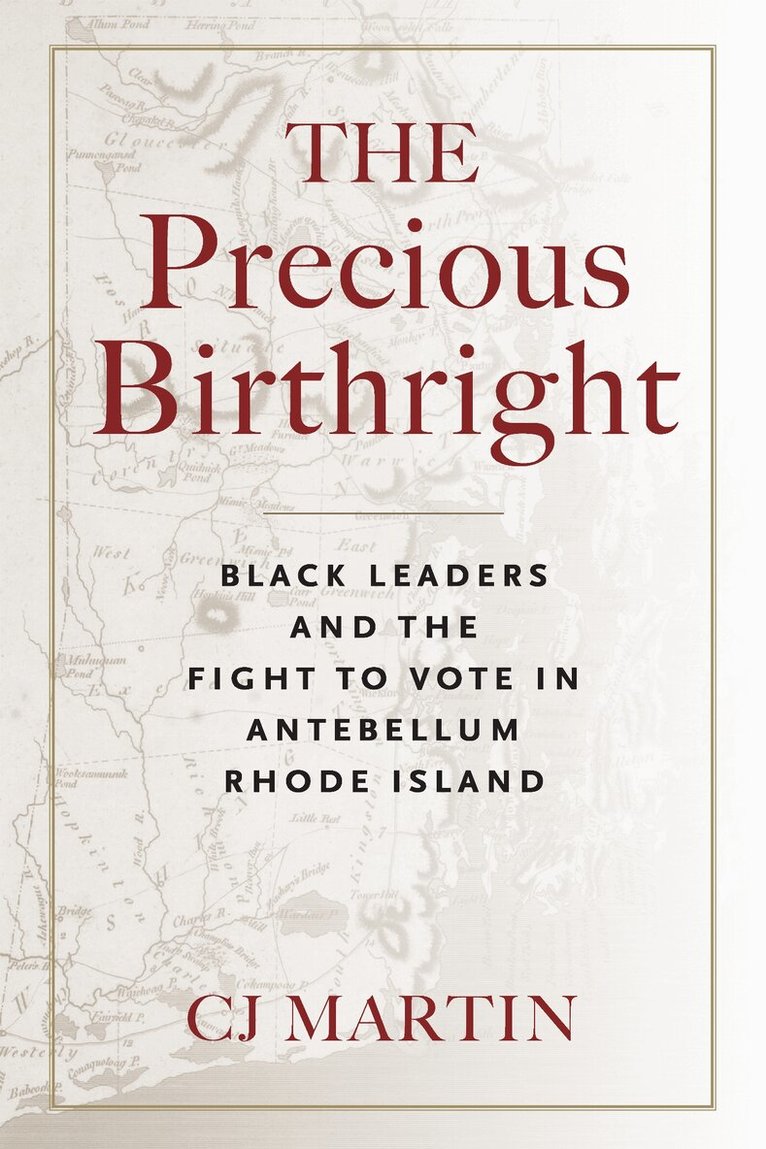
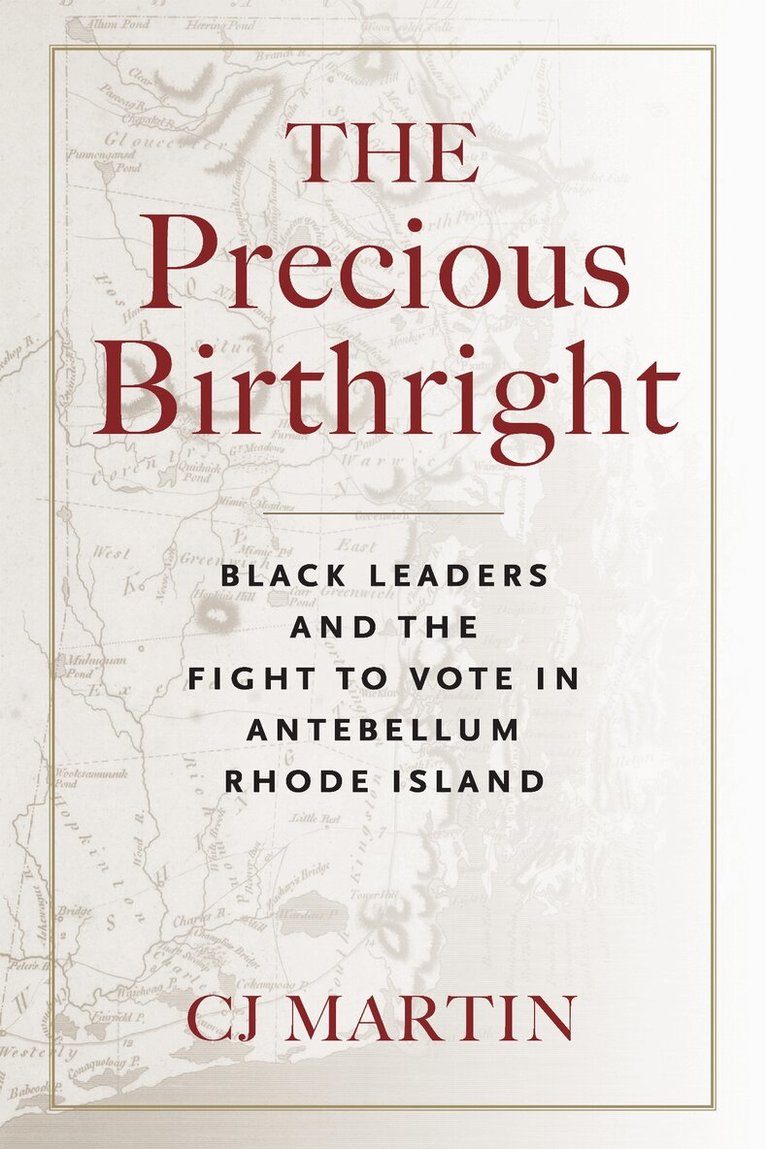
Precious Birthright
Black Leaders and the Fight to Vote in Antebellum Rhode Island
Häftad, Engelska, 2024
377 kr
Skickas inom 5-8 vardagar
In 1842, Black Rhode Islanders secured a stunning victory, a success rarely seen in antebellum America: they won the right to vote. Amid heightened public discourse around shifting ideas of race, citizenship, and political rights, they methodically deconstructed the arguments against their enfranchisement, exposing the arbitrariness of the color line in delineating citizenship rights and choosing the perfect moments in which to act forcefully. At the head of this movement, a cohort of prominent business and community members formed an early example of a Black leadership class in the US.CJ Martin draws upon a wealth of sources—including personal correspondences, government and organizational documents, tax records, and petitions—to argue that Black leaders employed a unique combination of agitation and accommodation to ensure the success of the movement. By investigating their tactics, Martin deepens the story of how race played a crucial role in American citizenship, and by focusing on Black leadership, he relates this history through the people who lived it—who thought, debated, petitioned, and enacted their own liberation. Telling the story of a fight that was as important to the pioneers of interracial democracy as it was for the civil rights activists of the twentieth century, The Precious Birthright provides new insight into the larger story of Black freedom.
377 kr
Skickas inom 5-8 vardagar
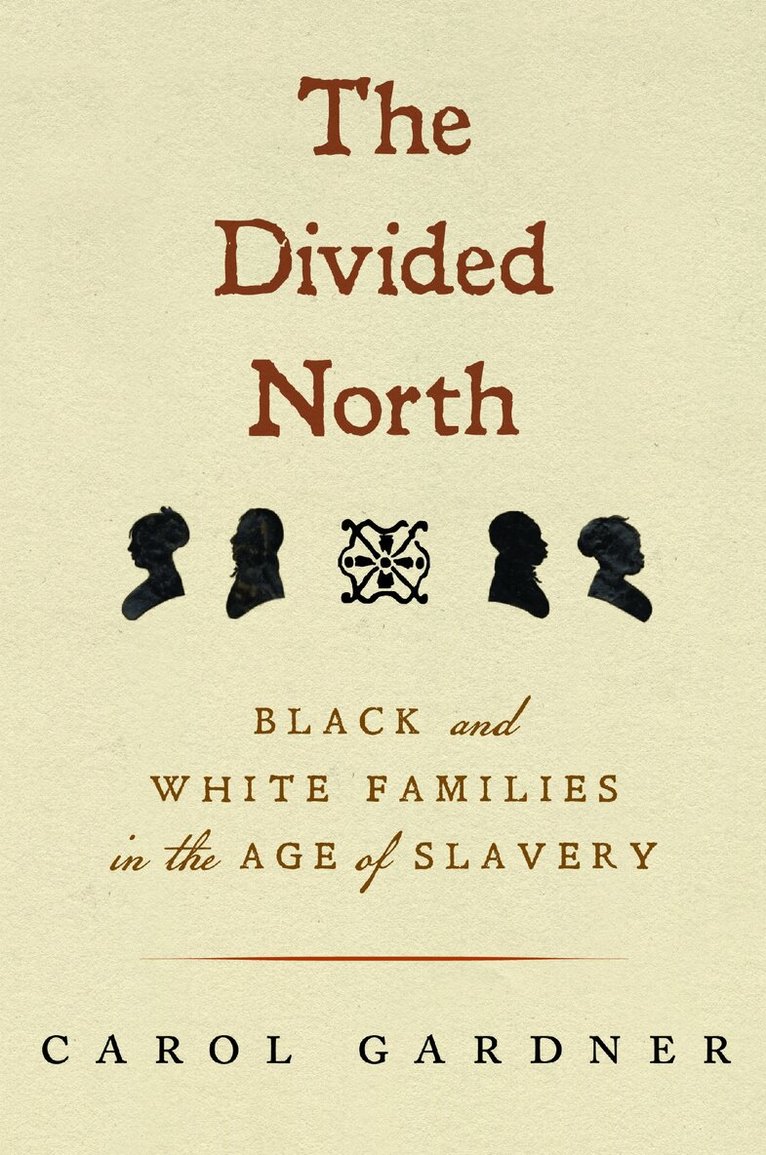
Reuben Ruby and Nathaniel Gordon II were born eleven months apart in 1798 and 1799 and spent much of their boyhoods roaming the noisy, bustling waterfront of Portland, Maine. They lived just blocks from one another, attended school together, and went to the same church with their families. But they were worlds apart, separated by family, culture, and race. Reuben Ruby was Black and Nathaniel Gordon was white. The Rubys became prominent antislavery activists, equal rights advocates, and operatives on the Underground Railroad. Their neighbors, the Gordons, became well-to-do ship masters, owners, and merchants: among them, the most notorious American slave ship captain of the century, Nathaniel Gordon III. As activists, sea captains, businessmen, prospectors, and politicians, members of these two families traveled to New York, California, Texas, Louisiana, Africa, Haiti, and Brazil, where their experiences were shaped by their racial identities. At home in the “Free North,” they faced social and political divisions nearly as sharp as those they encountered elsewhere. To understand the issues that divided nineteenth-century America—and, in many ways, still divide the nation—few have looked to the far North. In this compelling narrative history and intimate dual-family biography, Carol Gardner traces the Rubys and Gordons as they navigate the turbulent 1800s. As families and individuals, they demonstrate that the North was a critical proving ground for American notions of freedom and equality, as telling as any town, plantation, or battlefield in the South. Their experiences help reveal what it meant to live in a free state during the age of slavery, with all the promise, disappointment, irony, and hope that the notion entailed.
1 090 kr
Skickas inom 5-8 vardagar
Reuben Ruby and Nathaniel Gordon II were born eleven months apart in 1798 and 1799 and spent much of their boyhoods roaming the noisy, bustling waterfront of Portland, Maine. They lived just blocks from one another, attended school together, and went to the same church with their families. But they were worlds apart, separated by family, culture, and race. Reuben Ruby was Black and Nathaniel Gordon was white. The Rubys became prominent antislavery activists, equal rights advocates, and operatives on the Underground Railroad. Their neighbors, the Gordons, became well-to-do ship masters, owners, and merchants: among them, the most notorious American slave ship captain of the century, Nathaniel Gordon III. As activists, sea captains, businessmen, prospectors, and politicians, members of these two families traveled to New York, California, Texas, Louisiana, Africa, Haiti, and Brazil, where their experiences were shaped by their racial identities. At home in the “Free North,” they faced social and political divisions nearly as sharp as those they encountered elsewhere. To understand the issues that divided nineteenth-century America—and, in many ways, still divide the nation—few have looked to the far North. In this compelling narrative history and intimate dual-family biography, Carol Gardner traces the Rubys and Gordons as they navigate the turbulent 1800s. As families and individuals, they demonstrate that the North was a critical proving ground for American notions of freedom and equality, as telling as any town, plantation, or battlefield in the South. Their experiences help reveal what it meant to live in a free state during the age of slavery, with all the promise, disappointment, irony, and hope that the notion entailed.
347 kr
Kommande
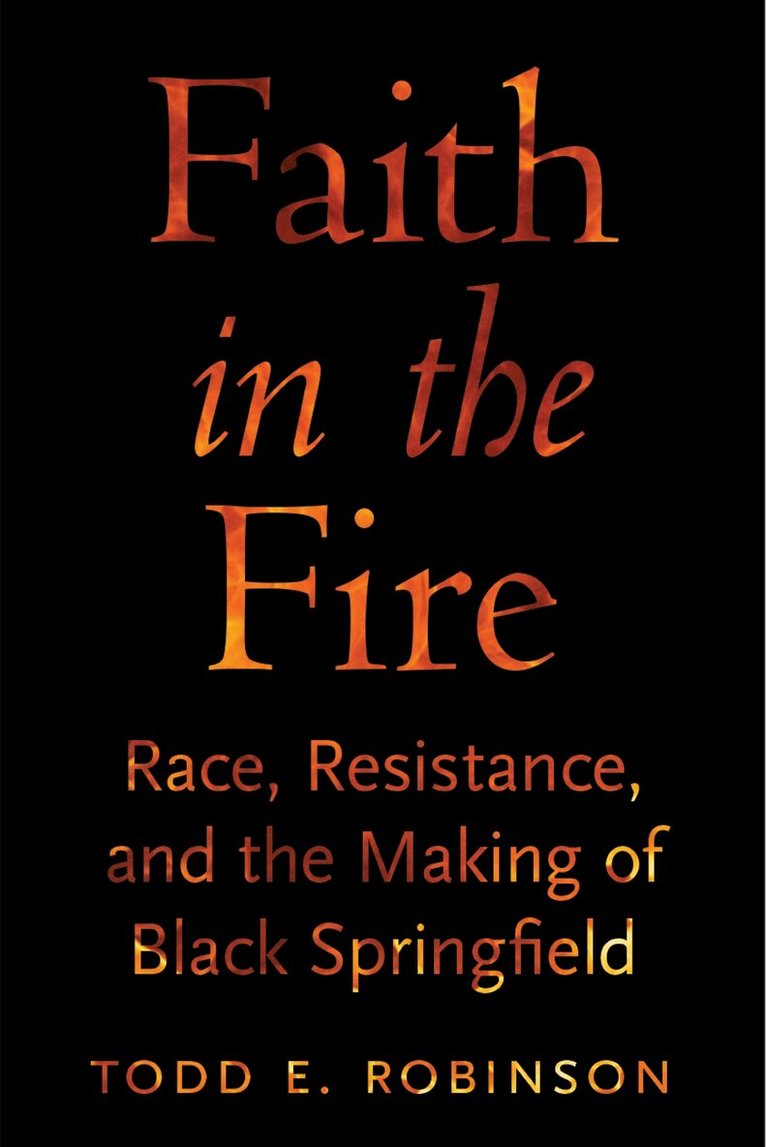
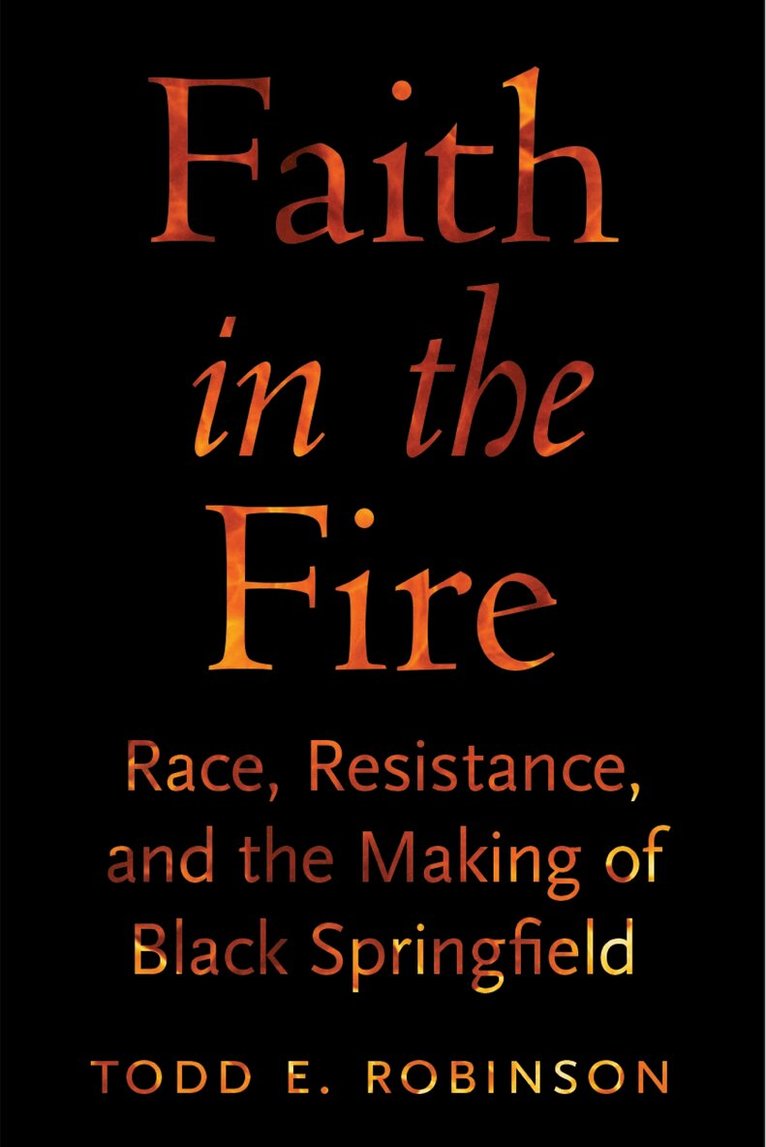
An intimate history that puts the Black church at the heart of New England's struggle with race, power, and belongingOn the eve of Barack Obama's historic election in 2008, the Macedonia Church of God in Christ in Springfield, Massachusetts—a church built by historian Todd E. Robinson's family—was set ablaze in an act of racial terror. This devastating event echoes a long history of attacks on Black churches, institutions that have served as vital centers of faith, civic life, and community organization.In Faith in the Fire, Robinson charts the evolution of Springfield's Black community from its seventeenth-century beginnings through the Great Migration and into the twenty-first century. Centering the Black church, he demonstrates how African Americans shaped the city's industrial, cultural, and civic landscape, building social networks and organizations that became enduring anchors of community life. From the League of Gileadites, an all-Black armed anti-slavery militia, to twentieth-century initiatives like the Springfield Plan—a pioneering but short-lived experiment in interracial education—Robinson uncovers the city's deep history of Black resistance to white supremacy. In doing so, he exposes the limits of New England's mythic racial tolerance. Racial violence, police brutality, economic inequality, educational disparities, and housing segregation, Robinson argues, are not aberrations of the South but also enduring features of Northern life and culture.Drawing on extensive archival research and his own family's experience, Robinson offers a powerful and deeply personal narrative that links past and present. Through the intertwined story of Springfield's Black community and the destruction of one of its most cherished institutions, he illuminates how the long struggle for freedom, justice, and belonging continues to shape the life of Black Americans and the nation as a whole.
899 kr
Kommande
An intimate history that puts the Black church at the heart of New England's struggle with race, power, and belongingOn the eve of Barack Obama's historic election in 2008, the Macedonia Church of God in Christ in Springfield, Massachusetts—a church built by historian Todd E. Robinson's family—was set ablaze in an act of racial terror. This devastating event echoes a long history of attacks on Black churches, institutions that have served as vital centers of faith, civic life, and community organization.In Faith in the Fire, Robinson charts the evolution of Springfield's Black community from its seventeenth-century beginnings through the Great Migration and into the twenty-first century. Centering the Black church, he demonstrates how African Americans shaped the city's industrial, cultural, and civic landscape, building social networks and organizations that became enduring anchors of community life. From the League of Gileadites, an all-Black armed anti-slavery militia, to twentieth-century initiatives like the Springfield Plan—a pioneering but short-lived experiment in interracial education—Robinson uncovers the city's deep history of Black resistance to white supremacy. In doing so, he exposes the limits of New England's mythic racial tolerance. Racial violence, police brutality, economic inequality, educational disparities, and housing segregation, Robinson argues, are not aberrations of the South but also enduring features of Northern life and culture.Drawing on extensive archival research and his own family's experience, Robinson offers a powerful and deeply personal narrative that links past and present. Through the intertwined story of Springfield's Black community and the destruction of one of its most cherished institutions, he illuminates how the long struggle for freedom, justice, and belonging continues to shape the life of Black Americans and the nation as a whole.
392 kr
Kommande
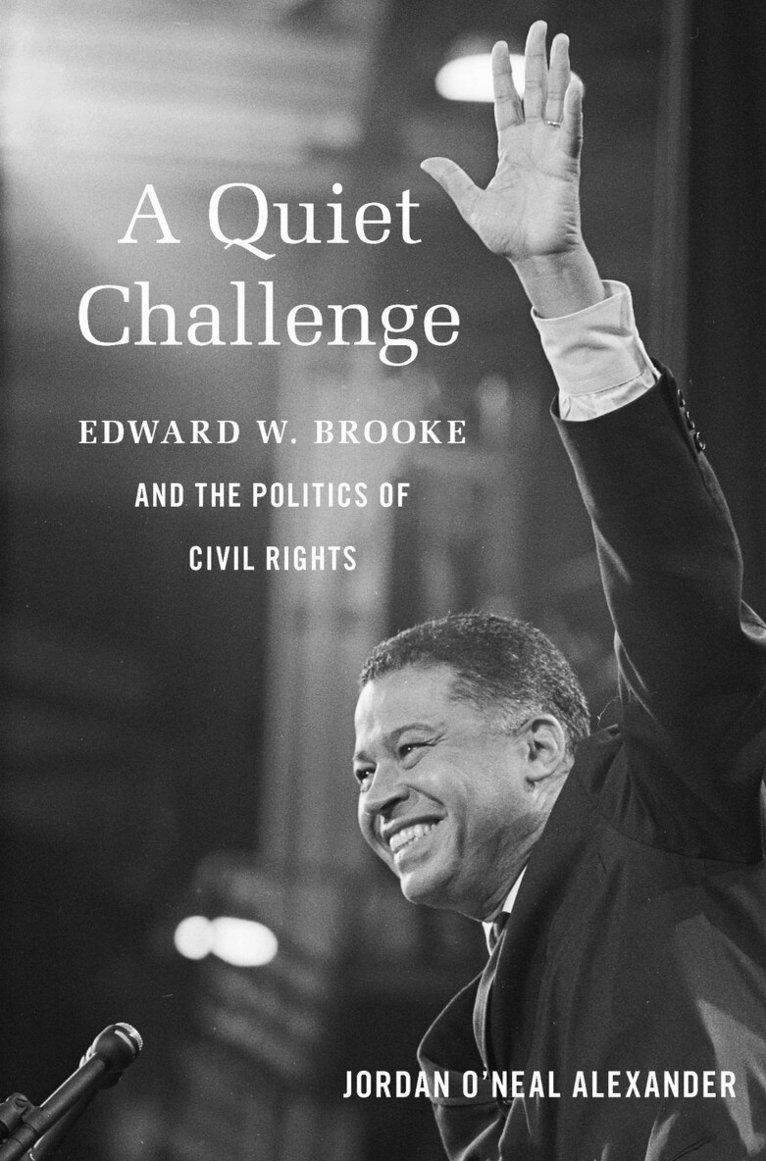
The first full-length biography of a consequential figure in twentieth-century American politicsIn 1962, Edward W. Brooke (1919–2015) upended political convention by becoming the first popularly elected African American attorney general of Massachusetts. His victory was striking not only because Massachusetts was an overwhelmingly white state with a small Black population, but also because Brooke was a Republican and an Episcopalian in a deeply Democratic, Irish Catholic political culture. Navigating these contradictions, Brooke crafted a distinctive political style—measured, pragmatic, and quietly transformative—that reshaped civil rights politics in the North. In A Quiet Challenge, Jordan O'Neal Alexander offers the first full-length biography of Brooke, revealing him as a Black Republican whose carefully calibrated approach to race, law, and governance won broad white support while often distancing him from Boston's Black community.As attorney general, Brooke sought to uphold the rule of law while advancing principles of fairness, equality, and public safety, an approach that reflected both political constraint and moral resolve. Brooke again defied expectations in 1966 when he won election to the United States Senate, becoming the first popularly elected African American senator since Reconstruction. Serving two terms during the height of the civil rights movement, he emerged as a powerful national voice on issues of racial justice. He played a key role in blocking two Supreme Court nominees aligned with President Richard Nixon's "southern strategy," even as his support for school desegregation and busing during the Boston Busing Crisis contributed to his eventual political decline. Throughout his career, Brooke remained committed to building a society in which Black Americans—and all Americans—could fully participate and prosper. This volumedemonstrates how Brooke's restrained, yet persistent political strategy helped expand the possibilities for Black leadership within mainstream American politics.
954 kr
Kommande
The first full-length biography of a consequential figure in twentieth-century American politicsIn 1962, Edward W. Brooke (1919–2015) upended political convention by becoming the first popularly elected African American attorney general of Massachusetts. His victory was striking not only because Massachusetts was an overwhelmingly white state with a small Black population, but also because Brooke was a Republican and an Episcopalian in a deeply Democratic, Irish Catholic political culture. Navigating these contradictions, Brooke crafted a distinctive political style—measured, pragmatic, and quietly transformative—that reshaped civil rights politics in the North. In A Quiet Challenge, Jordan O'Neal Alexander offers the first full-length biography of Brooke, revealing him as a Black Republican whose carefully calibrated approach to race, law, and governance won broad white support while often distancing him from Boston's Black community.As attorney general, Brooke sought to uphold the rule of law while advancing principles of fairness, equality, and public safety, an approach that reflected both political constraint and moral resolve. Brooke again defied expectations in 1966 when he won election to the United States Senate, becoming the first popularly elected African American senator since Reconstruction. Serving two terms during the height of the civil rights movement, he emerged as a powerful national voice on issues of racial justice. He played a key role in blocking two Supreme Court nominees aligned with President Richard Nixon's "southern strategy," even as his support for school desegregation and busing during the Boston Busing Crisis contributed to his eventual political decline. Throughout his career, Brooke remained committed to building a society in which Black Americans—and all Americans—could fully participate and prosper. This volumedemonstrates how Brooke's restrained, yet persistent political strategy helped expand the possibilities for Black leadership within mainstream American politics.