
Black Power - Böcker
Visar alla böcker i serien Black Power. Handla med fri frakt och snabb leverans.
13 produkter
13 produkter
390 kr
Skickas inom 10-15 vardagar
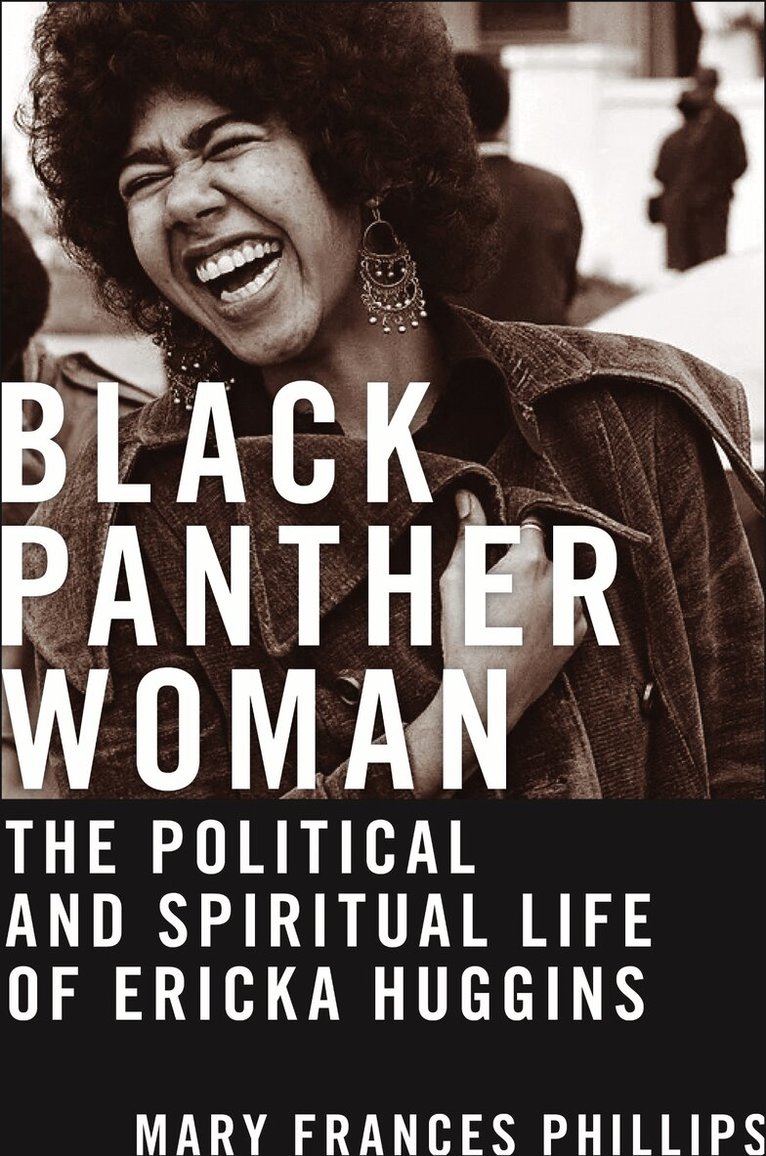
The first biography of Ericka Huggins, a queer Black woman who brought spiritual self-care practices to the Black Panther Party.In this groundbreaking biography, Mary Frances Phillips immerses readers in the life and legacy of Ericka Huggins, a revered Black Panther Party member, as well as a mother, widow, educator, poet, and former political prisoner. In 1969, the police arrested Ericka Huggins along with Bobby Seale and fellow Black Panther Party members, who were accused of murdering Alex Rackley. This marked the beginning of her ordeal, as she became the subject of political persecution and a well-planned FBI COINTELPRO plot.Drawing on never-before-seen archival sources, including prison records, unpublished letters, photographs, FBI records, and oral histories, Phillips foregrounds the paramount role of self-care and community care in Huggins's political journey, shedding light on Ericka's use of spiritual wellness practices she developed during her incarceration. In prison, Huggins was able to survive the repression and terror she faced while navigating motherhood through her unwavering commitment to spiritual practices. In showcasing this history, Phillips reveals the significance of spiritual wellness in the Black Panther Party and Black Power movement.Transcending the traditional male-centric study of the Black Panther Party, Black Panther Woman offers an innovative analysis of Black political life at the intersections of gender, motherhood, and mass incarceration. This book serves as an invaluable toolkit for contemporary activists, underscoring the power of radical acts of care as well as vital strategies to thrive in the world.
482 kr
Skickas inom 5-8 vardagar
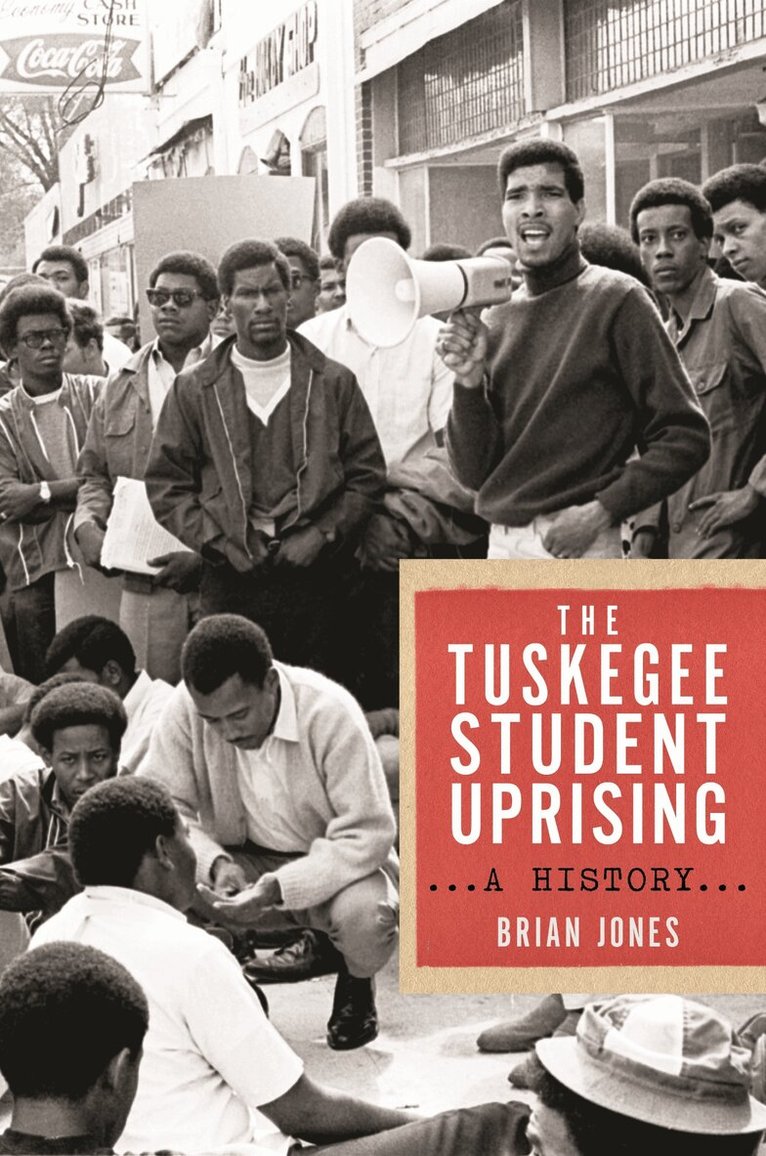
BCALA 2023 Nonfiction Award WinnerHistory of Education Society's Outstanding Book Award 2022 SemifinalistNamed one of the top 25 books all students should read by Tuskegee UniversityThe untold story of a dynamic student movement on one of the nation's most important historically Black campusesThe Tuskegee Institute, one of the nation's most important historically Black colleges, is primarily known for its World War II pilot training program, a fateful syphilis experiment, and the work of its founder, Booker T. Washington. In The Tuskegee Student Uprising, Brian Jones explores an important yet understudied aspect of the campus's history: its radical student activism.Drawing upon years of archival research and interviews with former students, professors, and administrators, Brian Jones provides an in-depth account of one of the most dynamic student movements in United States history. The book takes the reader through Tuskegee students' process of transformation and intellectual awakening as they stepped off campus to make unique contributions to southern movements for democracy and civil rights in the 1960s. In 1966, when one of their classmates was murdered by a white man in an off-campus incident, Tuskegee students began organizing under the banner of Black Power and fought for sweeping curricular and administrative reforms on campus. In 1968, hundreds of students took the Board of Trustees hostage and presented them with demands to transform Tuskegee Institute into a "Black University." This explosive movement was thwarted by the arrival of the Alabama National Guard and the school's temporary closure, but the students nevertheless claimed an impressive array of victories. Jones retells these and other events in relation to the broader landscape of social movements in those pivotal years, as well as in connection to the long pattern of dissent and protest within the Tuskegee Institute community, stretching back to the 19th century. A compelling work of scholarship, The Tuskegee Student Uprising is a must-read for anyone interested in student activism and the Black freedom movement.
317 kr
Skickas inom 10-15 vardagar
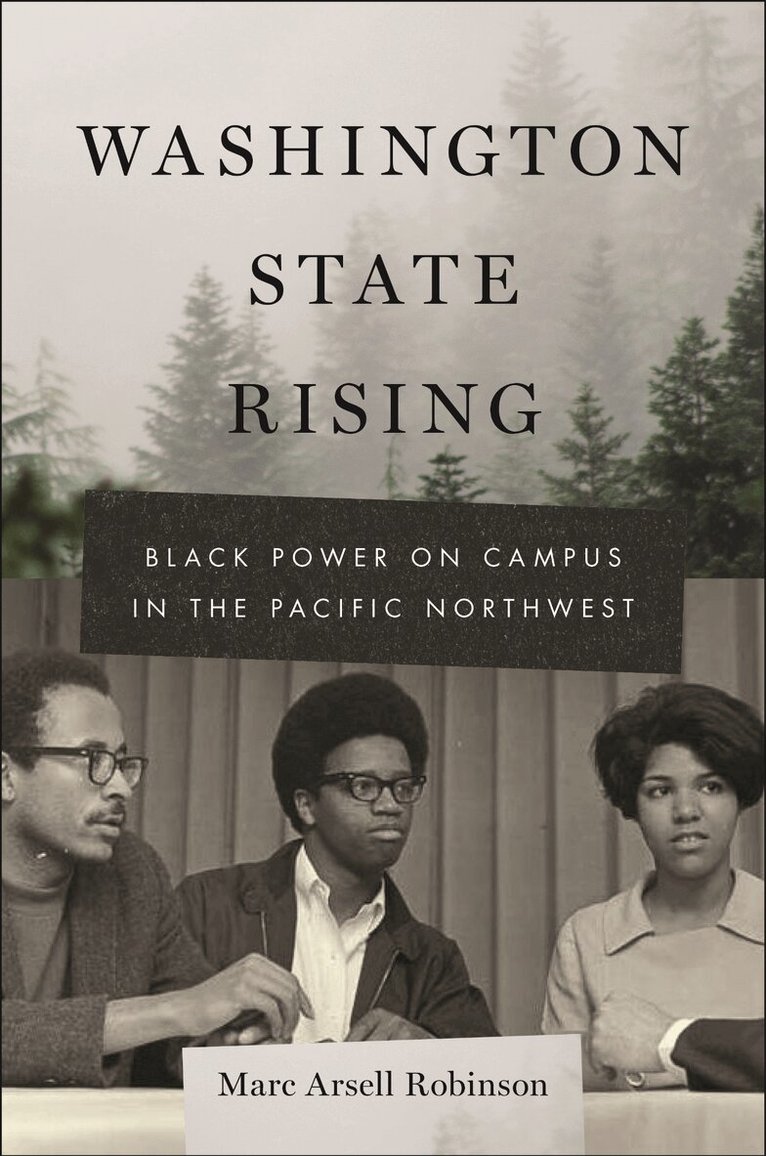
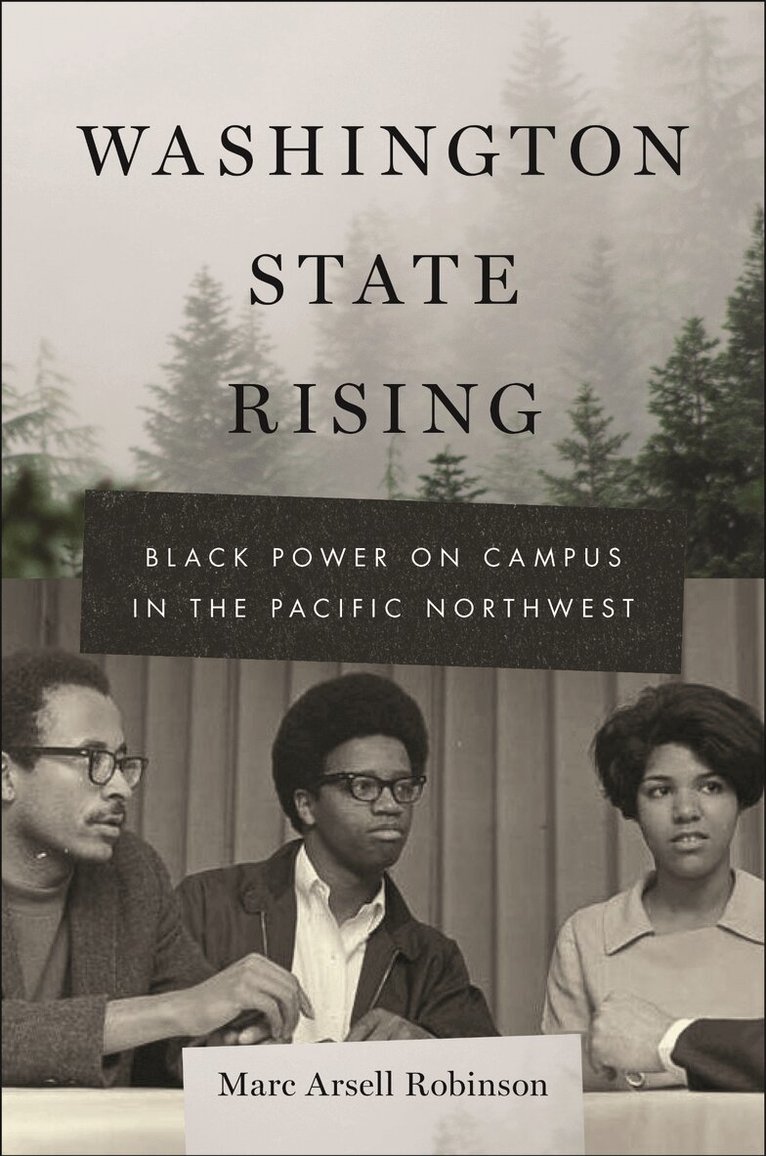
Documents the origins, actions, and impacts of the Black Student Union in the state of Washington during the tumultuous late 1960s.Washington State Rising documents the origins, actions, and impact of the Black Student Union (BSU) in Washington from 1967 to 1970. The BSU was a politicized student organization that had chapters across the West Coast and played a prominent role in the student wing of the Black Power Movement. Through accounts of Black student struggles at two different college campuses in Washington, one urban and one rural, Marc Arsell Robinson details how the BSU led highly consequential protest campaigns at both institutions and beyond, which led to reforms such as the establishment of Black Studies programs, increased hiring of Black faculty and staff, and new initiatives to recruit and retain students of color.Washington State Rising is the first book to document 1960s Black student activism in the Pacific Northwest and includes extensive oral history interviews with former BSU members. Robinson uncovers new insights into Black politics, locating the Black Power Movement in Seattle, Washington, a city and state not typically associated with 1960s black protest. At once fascinating and revelatory, Washington State Rising provides historical insights for current and future social justice activism.
We Are Worth Fighting for
A History of the Howard University Student Protest of 1989
Inbunden, Engelska, 2020
335 kr
Skickas inom 10-15 vardagar
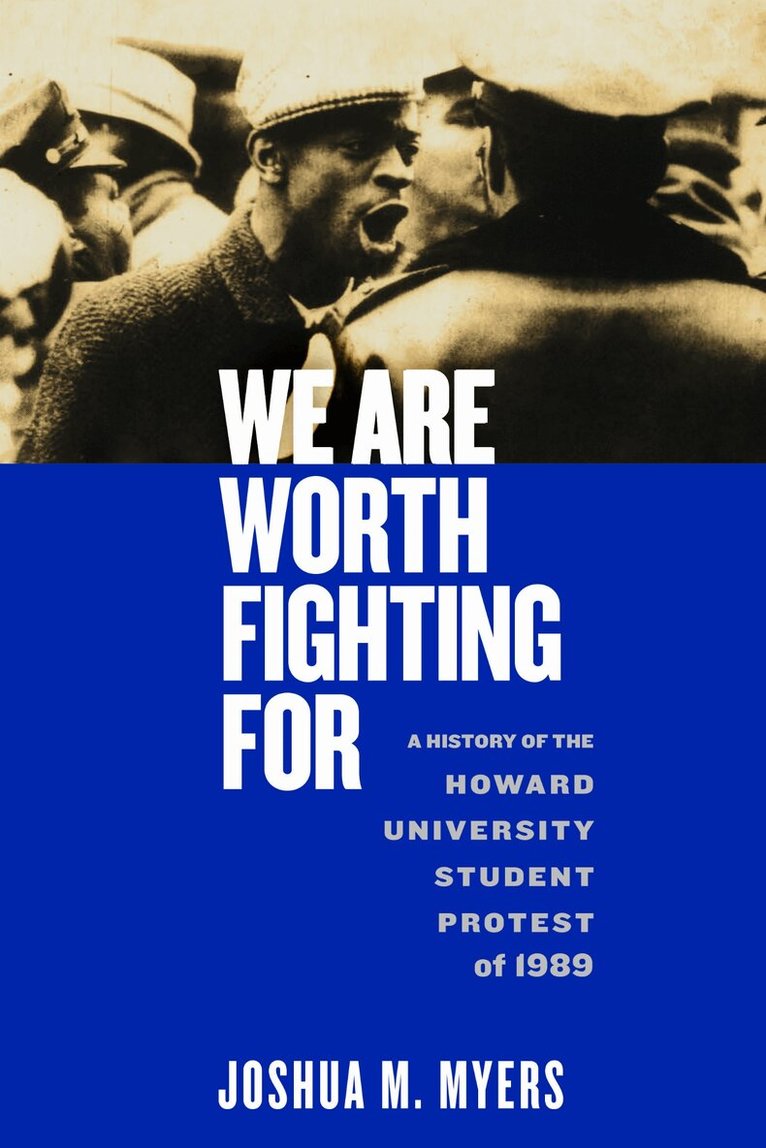
The Howard University protests from the perspective and worldview of its participants We Are Worth Fighting For is the first history of the 1989 Howard University protest. The three-day occupation of the university's Administration Building was a continuation of the student movements of the sixties and a unique challenge to the politics of the eighties. Upset at the university's appointment of the Republican strategist Lee Atwater to the Board of Trustees, students forced the issue by shutting down the operations of the university. The protest, inspired in part by the emergence of "conscious" hip hop, helped to build support for the idea of student governance and drew upon a resurgent black nationalist ethos. At the center of this story is a student organization known as Black Nia F.O.R.C.E. Co-founded by Ras Baraka, the group was at the forefront of organizing the student mobilization at Howard during the spring of 1989 and thereafter. We Are Worth Fighting For explores how black student activists—young men and women— helped shape and resist the rightward shift and neoliberal foundations of American politics. This history adds to the literature on Black campus activism, Black Power studies, and the emerging histories of African American life in the 1980s.
379 kr
Skickas inom 10-15 vardagar
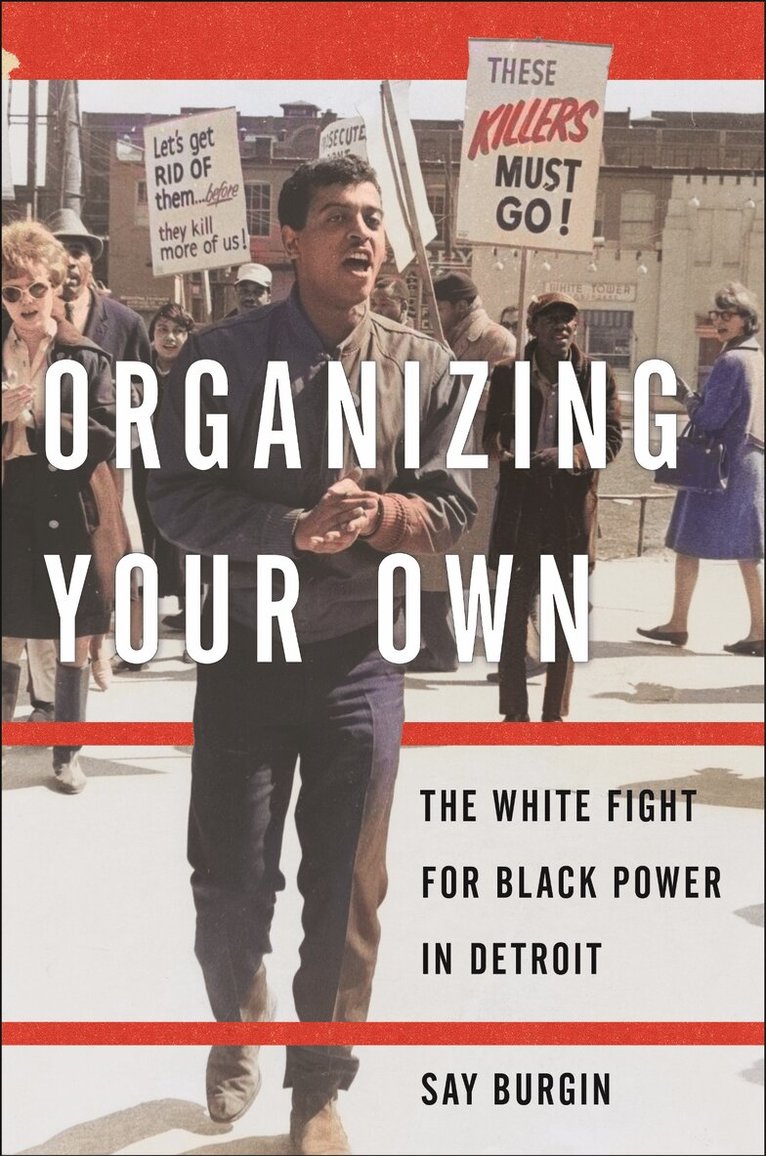
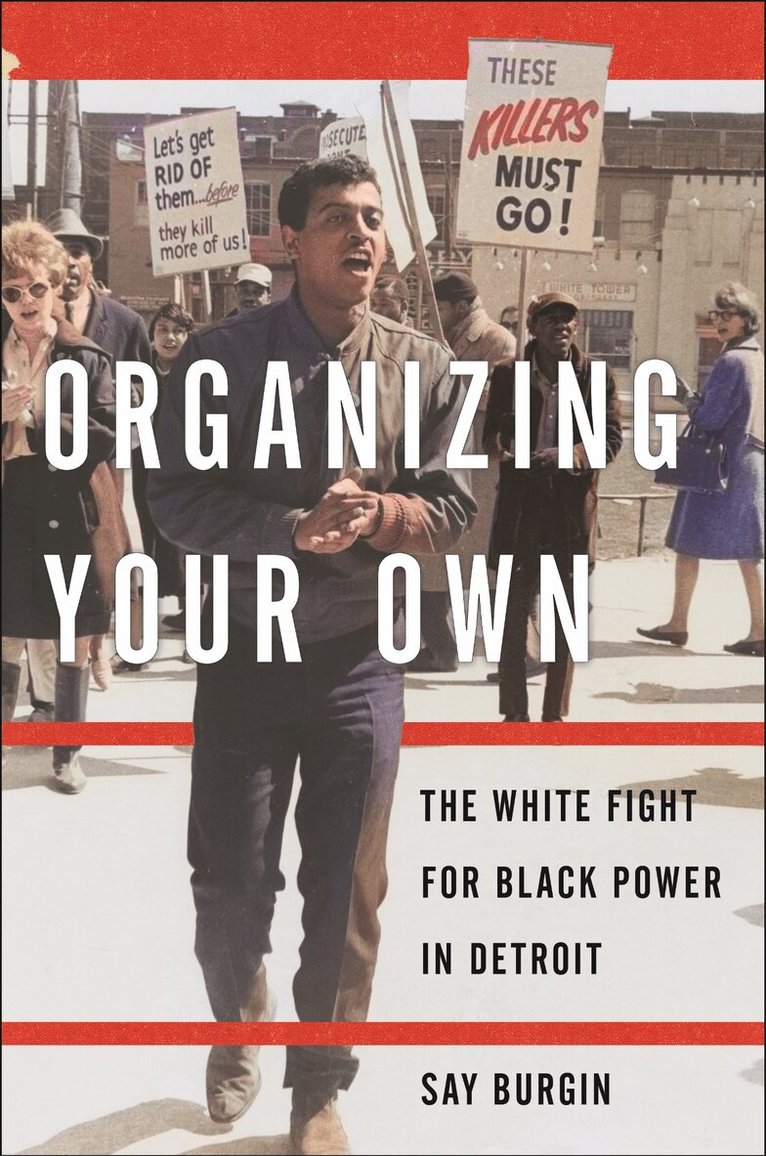
The fascinating history of white solidarity with the Black Power movementIn the mid-1960s, as the politics of Black self-determination gained steam, Black activists had a new message for white activists: Go into your own communities and organize white people against racism. While much of the media at the time and many historians since have regarded this directive as a "white purge" from the Black freedom movement, Say Burgin argues that it heralded a new strategy, racially parallel organizing, which people experimented with all over the country. Organizing Your Own shows that the Black freedom movement never experienced a "white purge," and it offers a new way of understanding Black Power's relationship to white America.By focusing on Detroit from the mid-1960s through the mid-1970s, this volume illuminates a wide cross-section of white activists who took direction from Black-led groups like the Northern Student Movement, the City-Wide Citizens Action Committee, and the League of Revolutionary Black Workers. Organizing Your Own draws on numerous oral histories and heretofore unseen archives to show that these white activists mobilized support for Black self-determination in education, policing, employment, and labor unions. It was a trial-and-error effort that pushed white activists to grapple with tough questions – which white people should they organize and how, which Black-led groups should they take direction from, and when did taking Black direction become mere sycophancy. The story of Detroit's white fight for Black Power thus not only reveals a broader, richer movement, but it carries great insight into questions that remain relevant.
We Are Worth Fighting for
A History of the Howard University Student Protest of 1989
Häftad, Engelska, 2022
223 kr
Skickas inom 7-10 vardagar
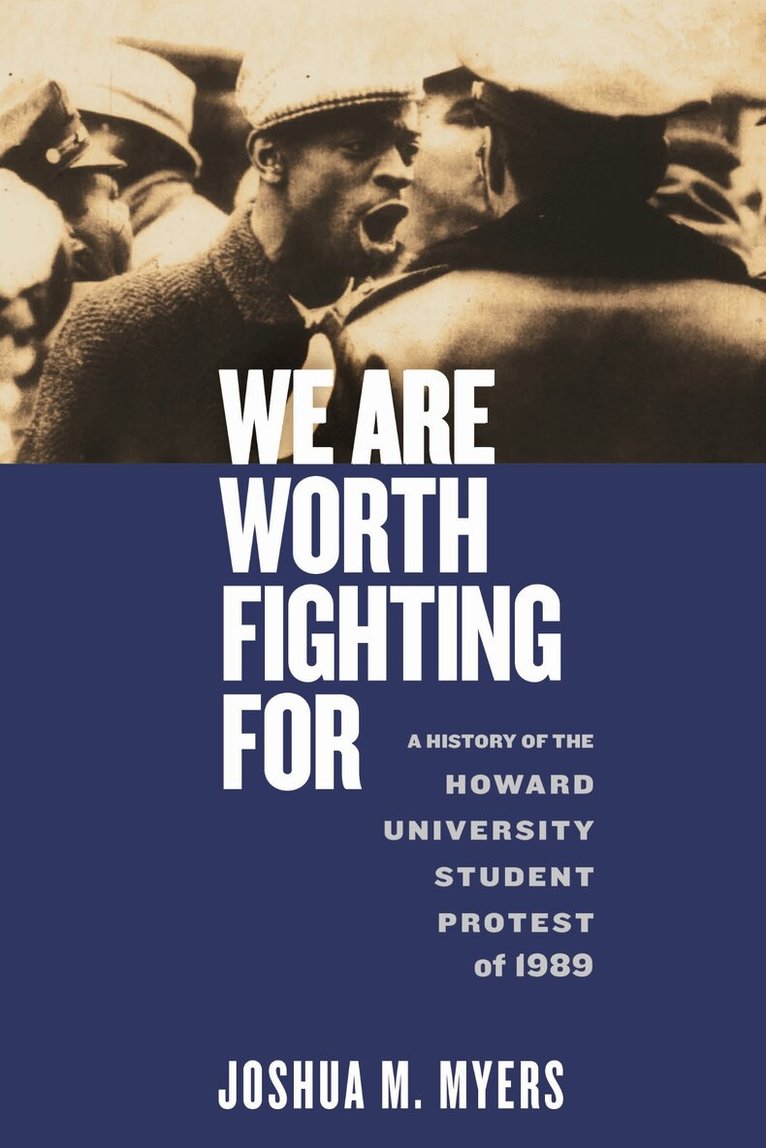
The Howard University protests from the perspective and worldview of its participants We Are Worth Fighting For is the first history of the 1989 Howard University protest. The three-day occupation of the university's Administration Building was a continuation of the student movements of the sixties and a unique challenge to the politics of the eighties. Upset at the university's appointment of the Republican strategist Lee Atwater to the Board of Trustees, students forced the issue by shutting down the operations of the university. The protest, inspired in part by the emergence of "conscious" hip hop, helped to build support for the idea of student governance and drew upon a resurgent black nationalist ethos. At the center of this story is a student organization known as Black Nia F.O.R.C.E. Co-founded by Ras Baraka, the group was at the forefront of organizing the student mobilization at Howard during the spring of 1989 and thereafter. We Are Worth Fighting For explores how black student activists—young men and women— helped shape and resist the rightward shift and neoliberal foundations of American politics. This history adds to the literature on Black campus activism, Black Power studies, and the emerging histories of African American life in the 1980s.
240 kr
Skickas inom 10-15 vardagar
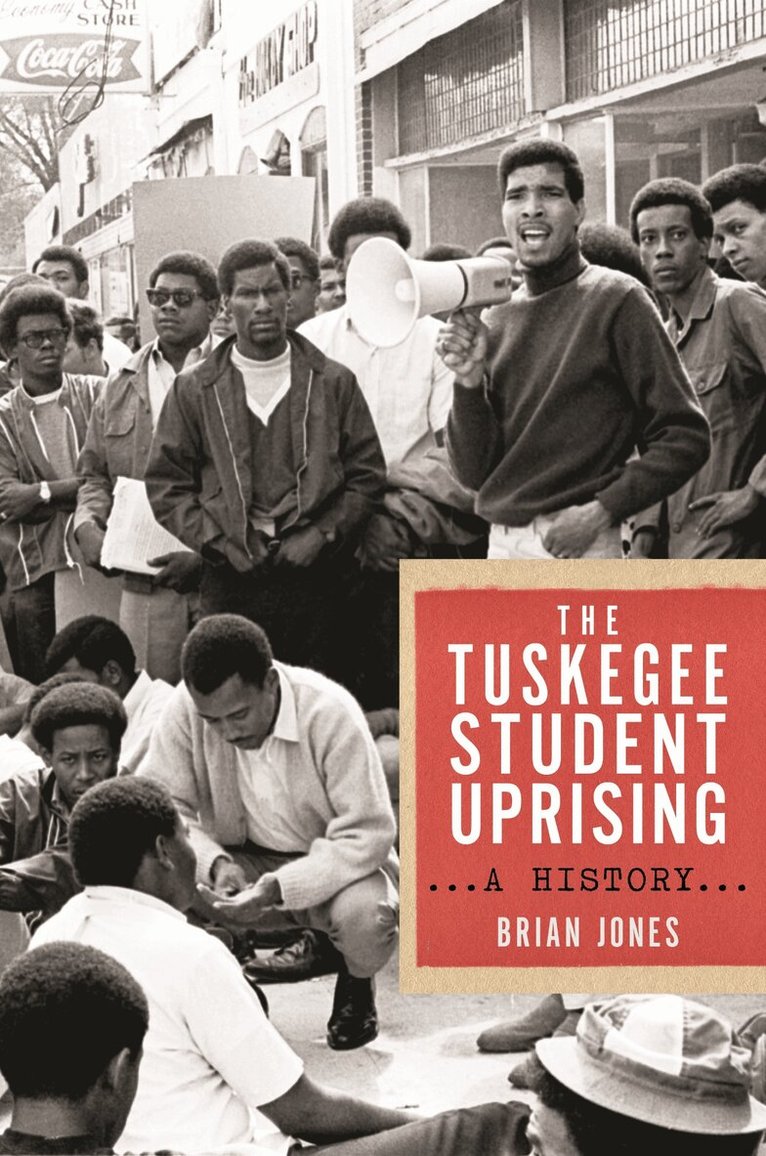
BCALA 2023 Nonfiction Award WinnerHistory of Education Society's Outstanding Book Award 2022 SemifinalistNamed one of the top 25 books all students should read by Tuskegee UniversityThe untold story of a dynamic student movement on one of the nation's most important historically Black campusesThe Tuskegee Institute, one of the nation's most important historically Black colleges, is primarily known for its World War II pilot training program, a fateful syphilis experiment, and the work of its founder, Booker T. Washington. In The Tuskegee Student Uprising, Brian Jones explores an important yet understudied aspect of the campus's history: its radical student activism.Drawing upon years of archival research and interviews with former students, professors, and administrators, Brian Jones provides an in-depth account of one of the most dynamic student movements in United States history. The book takes the reader through Tuskegee students' process of transformation and intellectual awakening as they stepped off campus to make unique contributions to southern movements for democracy and civil rights in the 1960s. In 1966, when one of their classmates was murdered by a white man in an off-campus incident, Tuskegee students began organizing under the banner of Black Power and fought for sweeping curricular and administrative reforms on campus. In 1968, hundreds of students took the Board of Trustees hostage and presented them with demands to transform Tuskegee Institute into a "Black University." This explosive movement was thwarted by the arrival of the Alabama National Guard and the school's temporary closure, but the students nevertheless claimed an impressive array of victories. Jones retells these and other events in relation to the broader landscape of social movements in those pivotal years, as well as in connection to the long pattern of dissent and protest within the Tuskegee Institute community, stretching back to the 19th century. A compelling work of scholarship, The Tuskegee Student Uprising is a must-read for anyone interested in student activism and the Black freedom movement.
390 kr
Skickas inom 10-15 vardagar
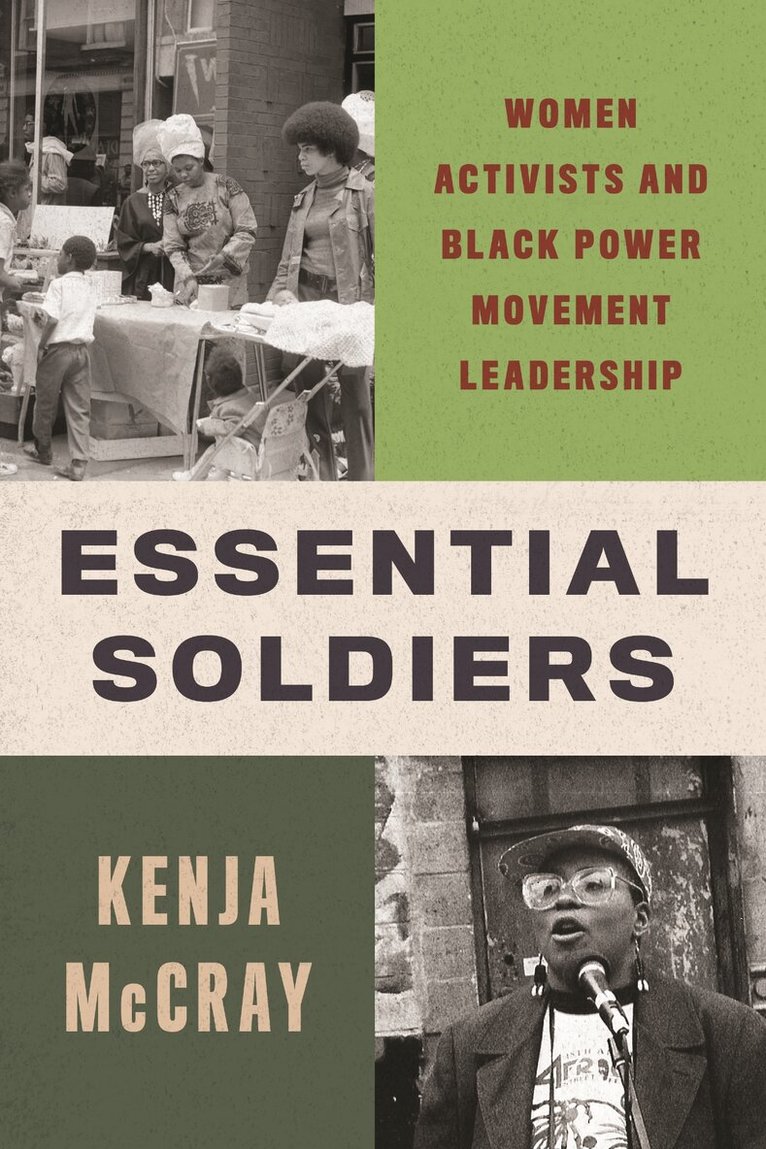
A new perspective on women's Black Power leadership legaciesAcademics and popular commentors have expressed common sentiments about the Black Power movement of the 1960s and 1970s—that it was male dominated and overrun with autocratic leaders. Yet women's strategizing, management, and sustained work were integral to movement organizations' functioning, and female advocates of cultural nationalism often exhibited a unique service-oriented, collaborative leadership style.Essential Soldiers documents a variety of women Pan-African nationalists' experiences, considering the ways they produced a distinctive kind of leadership through their devotion and service to the struggle for freedom and equality. Relying on oral histories, textual archival material, and scholarly literature, this book delves into women's organizing and resistance efforts, investigating how they challenged the one-dimensional notions of gender roles within cultural nationalist organizations. Revealing a form of Black Power leadership that has never been highlighted, Kenja McCray explores how women articulated and used their power to transform themselves and their environments. Through her examination, McCray argues that women's Pan-Africanist cultural nationalist activism embodied a work-centered, people-centered, and African-centered form of service leadership. A dynamic and fascinating narrative of African American women activists, Essential Soldiers provides a new vantage point for considering Black Power leadership legacies.
279 kr
Skickas
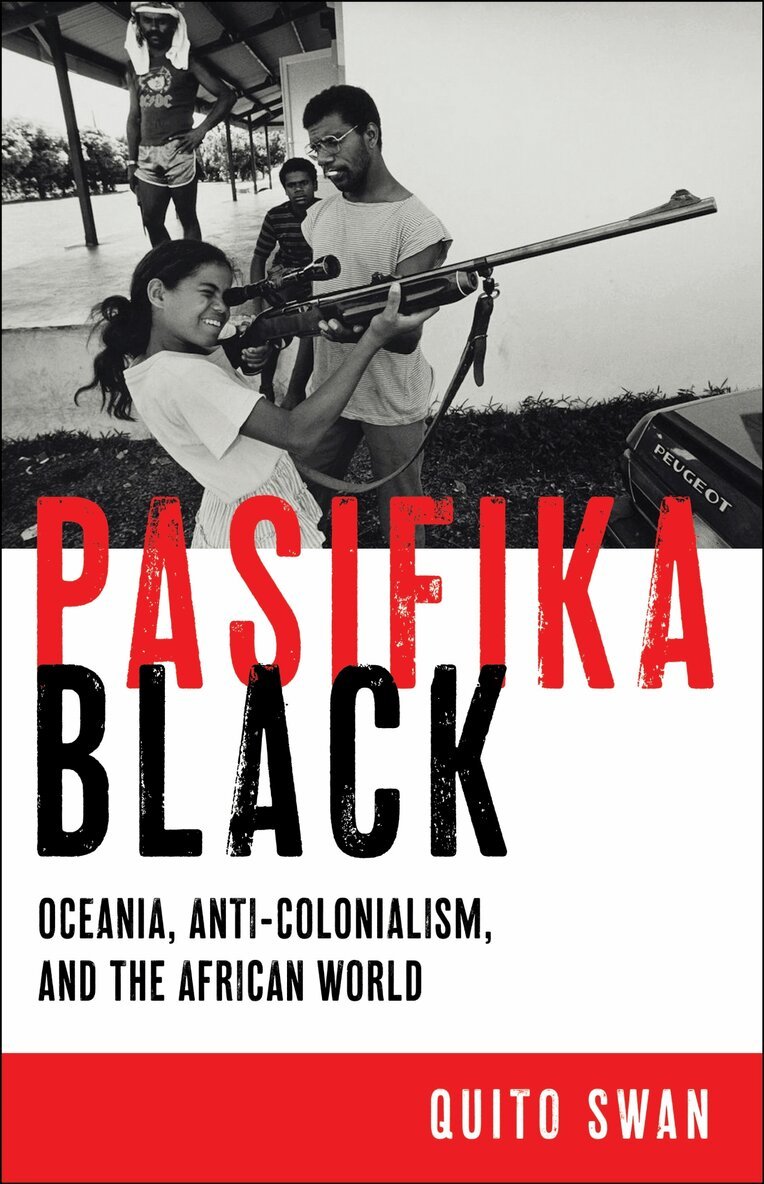
ASALH 2023 Book Prize WinnerA lively living history of anti-colonialist movements across the Atlantic, Pacific, and Indian OceansOceania is a vast sea of islands, large scale political struggles and immensely significant historical phenomena. Pasifika Black is a compelling history of understudied anti-colonial movements in this region, exploring how indigenous Oceanic activists intentionally forged international connections with the African world in their fights for liberation.Drawing from research conducted across Fiji, Australia, Vanuatu, Papua New Guinea, Britain, and the United States, Quito Swan shows how liberation struggles in Oceania actively engaged Black internationalism in their diverse battles against colonial rule. Pasifika Black features as its protagonists Oceania's many playwrights, organizers, religious leaders, scholars, Black Power advocates, musicians, environmental justice activists, feminists, and revolutionaries who carried the banners of Black liberation across the globe. It puts artists like Aboriginal poet Oodgeroo Noonuccal and her 1976 call for a Black Pacific into an extended conversation with Nigeria's Wole Soyinka, the Nuclear Free and Independent Pacific's Amelia Rokotuivuna, Samoa's Albert Wendt, African American anthropologist Angela Gilliam, the NAACP's Roy Wilkins, West Papua's Ben Tanggahma, New Caledonia's Déwé Gorodey, and Polynesian Panther Will 'Ilolahia. In so doing, Swan displays the links Oceanic activists consciously and painstakingly formed in order to connect Black metropoles across the Atlantic, Pacific, and Indian Oceans.In a world grappling with the global significance of Black Lives Matter and state-sanctioned violence against Black and Brown bodies, Pasifika Black is a both triumphant history and tragic reminder of the ongoing quests for decolonization in Oceania, the African world, and the Global South.
198 kr
Skickas inom 7-10 vardagar
Documents the origins, actions, and impacts of the Black Student Union in the state of Washington during the tumultuous late 1960s.Washington State Rising documents the origins, actions, and impact of the Black Student Union (BSU) in Washington from 1967 to 1970. The BSU was a politicized student organization that had chapters across the West Coast and played a prominent role in the student wing of the Black Power Movement. Through accounts of Black student struggles at two different college campuses in Washington, one urban and one rural, Marc Arsell Robinson details how the BSU led highly consequential protest campaigns at both institutions and beyond, which led to reforms such as the establishment of Black Studies programs, increased hiring of Black faculty and staff, and new initiatives to recruit and retain students of color.Washington State Rising is the first book to document 1960s Black student activism in the Pacific Northwest and includes extensive oral history interviews with former BSU members. Robinson uncovers new insights into Black politics, locating the Black Power Movement in Seattle, Washington, a city and state not typically associated with 1960s black protest. At once fascinating and revelatory, Washington State Rising provides historical insights for current and future social justice activism.
246 kr
Kommande
The fascinating history of white solidarity with the Black Power movementIn the mid-1960s, as the politics of Black self-determination gained steam, Black activists had a new message for white activists: Go into your own communities and organize white people against racism. While much of the media at the time and many historians since have regarded this directive as a "white purge" from the Black freedom movement, Say Burgin argues that it heralded a new strategy, racially parallel organizing, which people experimented with all over the country. Organizing Your Own shows that the Black freedom movement never experienced a "white purge," and it offers a new way of understanding Black Power's relationship to white America.By focusing on Detroit from the mid-1960s through the mid-1970s, this volume illuminates a wide cross-section of white activists who took direction from Black-led groups like the Northern Student Movement, the City-Wide Citizens Action Committee, and the League of Revolutionary Black Workers. Organizing Your Own draws on numerous oral histories and heretofore unseen archives to show that these white activists mobilized support for Black self-determination in education, policing, employment, and labor unions. It was a trial-and-error effort that pushed white activists to grapple with tough questions – which white people should they organize and how, which Black-led groups should they take direction from, and when did taking Black direction become mere sycophancy. The story of Detroit's white fight for Black Power thus not only reveals a broader, richer movement, but it carries great insight into questions that remain relevant.
582 kr
Skickas inom 10-15 vardagar
ASALH 2023 Book Prize WinnerA lively living history of anti-colonialist movements across the Atlantic, Pacific, and Indian OceansOceania is a vast sea of islands, large scale political struggles and immensely significant historical phenomena. Pasifika Black is a compelling history of understudied anti-colonial movements in this region, exploring how indigenous Oceanic activists intentionally forged international connections with the African world in their fights for liberation.Drawing from research conducted across Fiji, Australia, Vanuatu, Papua New Guinea, Britain, and the United States, Quito Swan shows how liberation struggles in Oceania actively engaged Black internationalism in their diverse battles against colonial rule. Pasifika Black features as its protagonists Oceania's many playwrights, organizers, religious leaders, scholars, Black Power advocates, musicians, environmental justice activists, feminists, and revolutionaries who carried the banners of Black liberation across the globe. It puts artists like Aboriginal poet Oodgeroo Noonuccal and her 1976 call for a Black Pacific into an extended conversation with Nigeria's Wole Soyinka, the Nuclear Free and Independent Pacific's Amelia Rokotuivuna, Samoa's Albert Wendt, African American anthropologist Angela Gilliam, the NAACP's Roy Wilkins, West Papua's Ben Tanggahma, New Caledonia's Déwé Gorodey, and Polynesian Panther Will 'Ilolahia. In so doing, Swan displays the links Oceanic activists consciously and painstakingly formed in order to connect Black metropoles across the Atlantic, Pacific, and Indian Oceans.In a world grappling with the global significance of Black Lives Matter and state-sanctioned violence against Black and Brown bodies, Pasifika Black is a both triumphant history and tragic reminder of the ongoing quests for decolonization in Oceania, the African world, and the Global South.
222 kr
Skickas inom 5-8 vardagar