Black Squirrel Books – serie
Visar alla böcker i serien Black Squirrel Books. Handla med fri frakt och snabb leverans.
18 produkter
History of the 90th Ohio Volunteer Infantry
In the War of the Great Rebellion in the United States, 1861 to 1865
Av Henry O. Harden, Scott Cameron
Häftad, 2006
283 kr
Lägg i varukorg
The story of an Ohio regiment in the Civil WarOriginally published in 1902 by Henry O. Harden's newspaper publishing company, History of the 90th Ohio Volunteer Infantry tells its story through the soldiers' personal letters, diary entries, and memoirs. Formed in response to Confederate maneuvers …
Complete 'Funky Winterbean', Volume 1 (1972-1974)
Av Tom Batiuk
Inbunden, 2012
558 kr
Lägg i varukorg
Tom Batiuk was a junior high school art teacher in Elyria, Ohio, when he created a comic panel aimed at teens for the Elyria Chronicle-Telegram. That panel was the precursor to what became Batiuk's award-winning comic strip Funky Winkerbean. Since its debut on March 27, 1972, Funky Winkerbean has …
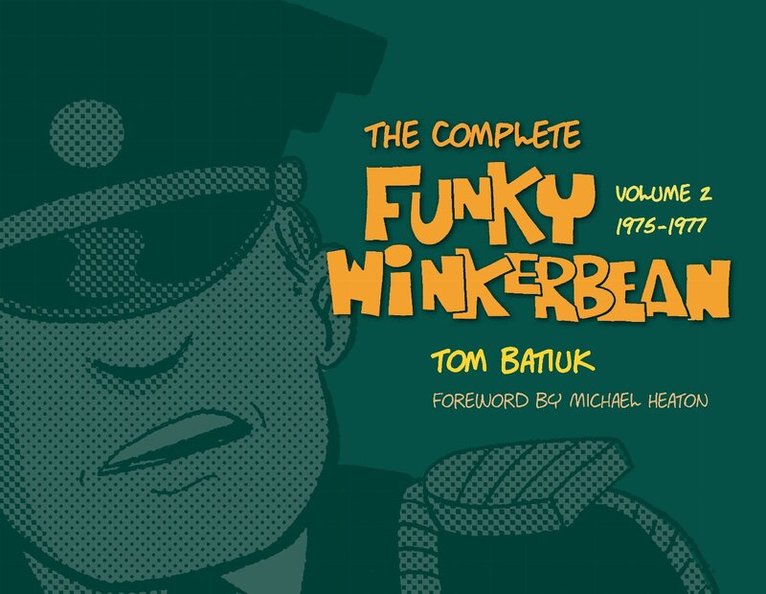
Complete Funky Winkerbean
Volume 2, 1975-1977
Av Tom Batiuk
Inbunden, 2013
586 kr
Lägg i varukorg
Funky, Les, and the gang pun their way through Westview High Since its debut on March 27, 1972, Funky Winkerbean has chronicled the lives of a group of students from the fictitious Westview High School. This second volume, which presents strips from 1975, 1976, and 1977, sees the comic strip …
Classic Bucs
The 50 Greatest Games in Pittsburgh Pirates History
Av David Finoli
Häftad, 2013
274 kr
Lägg i varukorg
A countdown of the greatest games of a Steel City institutionWhen slow-footed former Pirate Sid Bream broke the heart of the "Bucco" nation, it was Game Seven of the 1992 NLCS. He slid across the plate in the bottom of the 9th for the Braves, giving them the pennant with a heart-wrenching 3–2 …
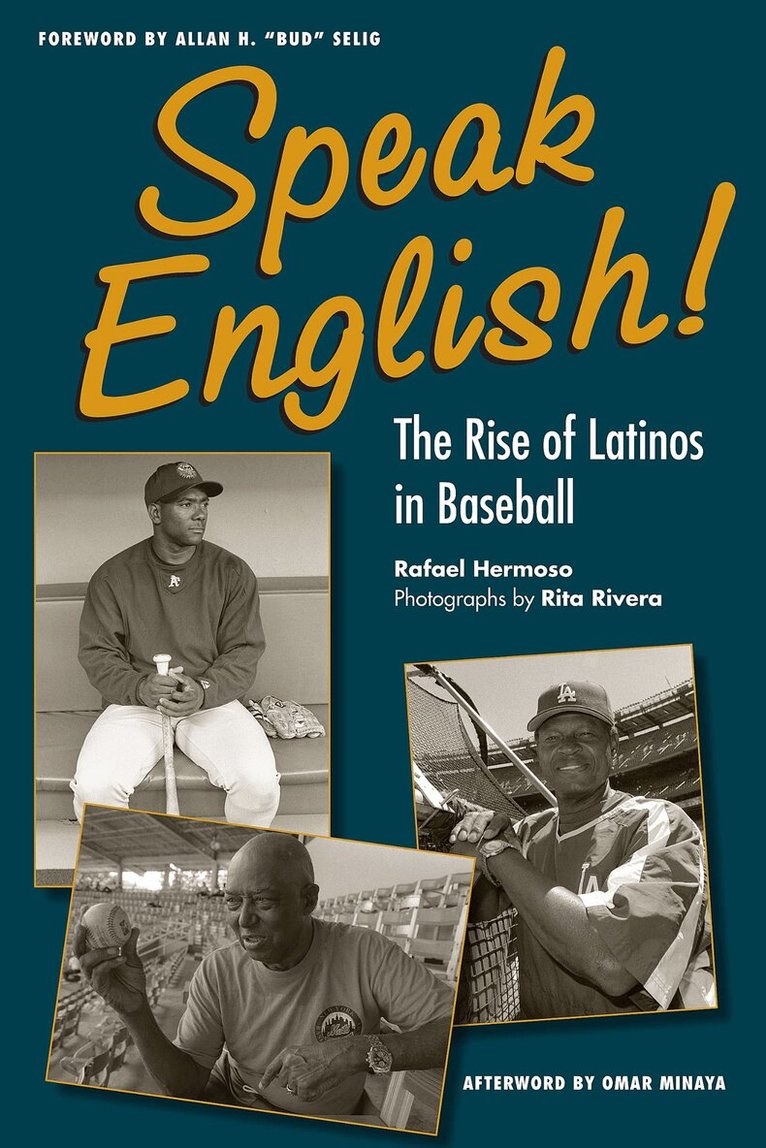
Speak English!
The Rise of Latinos in Baseball
Häftad, 2013
232 kr
Lägg i varukorg
Latinos dominate baseball today, leading off the lineups of the best teams, making contenders strong up the middle, or helping to anchor pitching staffs. Vladimir Guerrero, Omar Vizquel, and Mariano Rivera are well-known professional baseball stars. But many Latinos had less flashy beginnings.Speak …
Why Cows Need Names and More Secrets of Amish Farms
Av Randy James
Häftad, 2013
338 kr
Lägg i varukorg
Agriculture continues to be the largest industry in the United States with over 2.2 million farms. Amazingly, well over 100,000 new small family farms have sprung up in the past few years . . . and almost no one noticed. Why Cows Need Names follows one young Amish family as they dream about and …
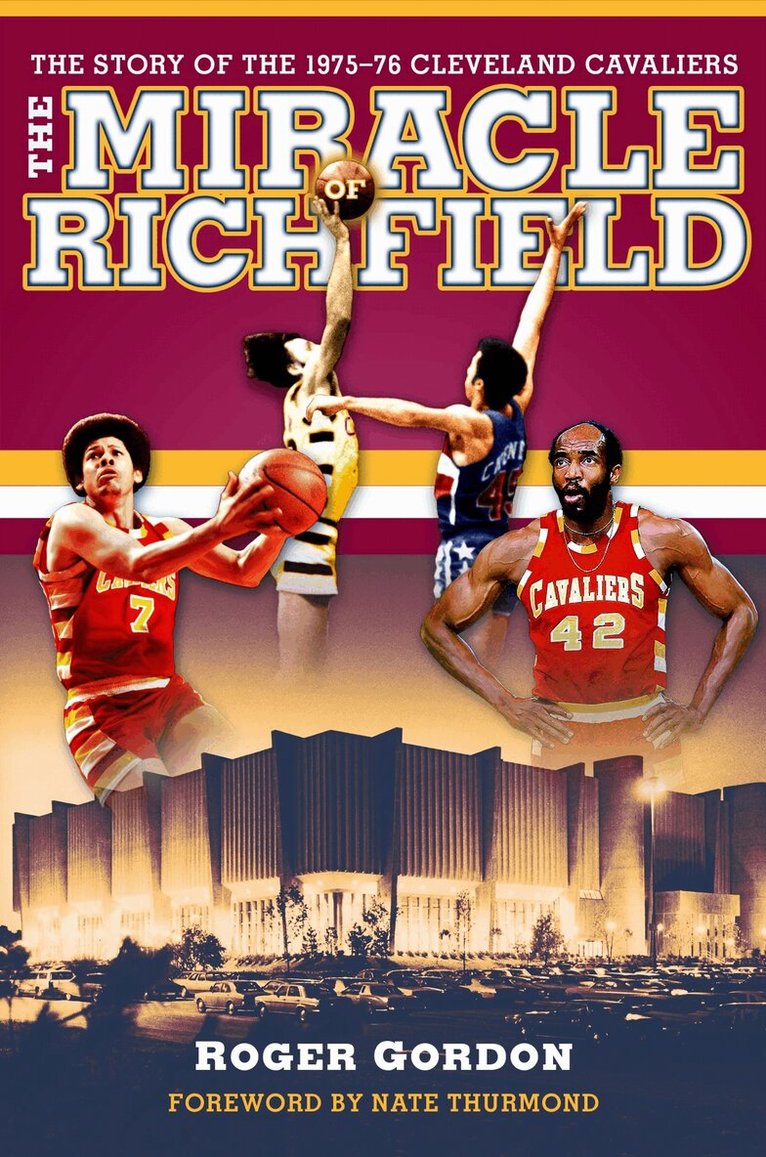
Miracle of Richfield
The Story of the 1975–76 Cleveland Cavaliers
Av Roger Gordon
Häftad, 2016
232 kr
Lägg i varukorg
Three years before Brian Sipe began his magic with the Cleveland Browns, Bill Fitch and his band of Cavaliers brought a buzz to Northeast Ohio basketball that fans had never seen before. Despite a rough start to their 1975–76 season, the Cavaliers rode the shoulders of Akron native Nate Thurmond to …
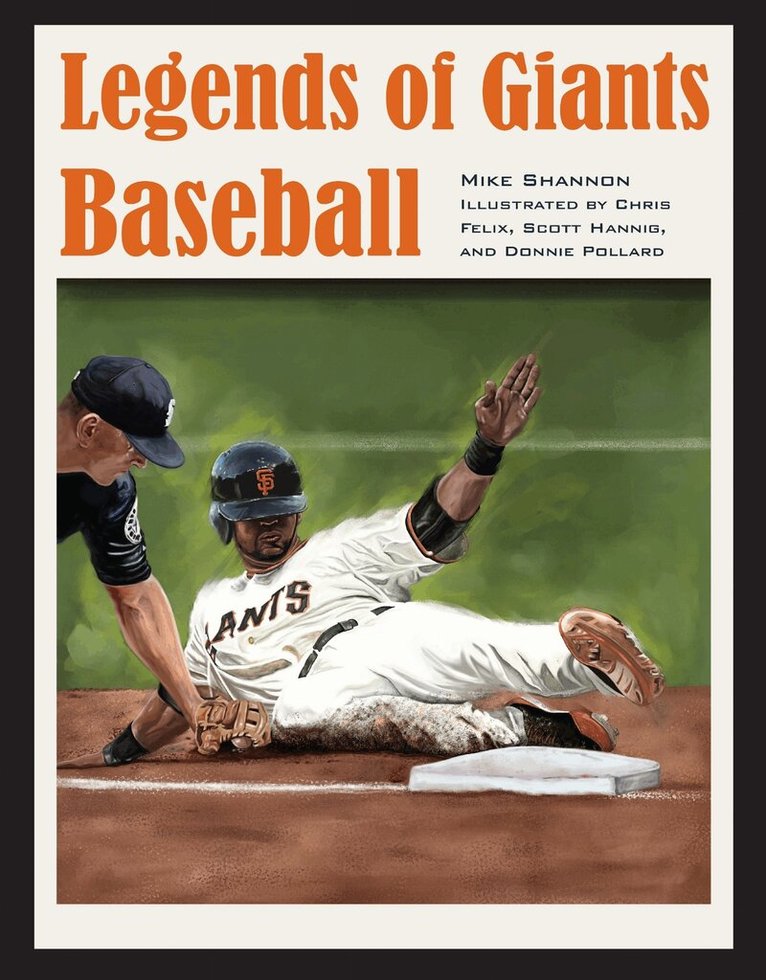
Legends of Giants Baseball
Av Mike Shannon
Inbunden, 2016
368 kr
Lägg i varukorg
No major league team has been blessed with more great, Hall of Fame–worthy players than the New York–San Francisco Giants, nor does any other team enjoy the support of more loyal and knowledgeable fans. With Legends of Giants Baseball, fans can savor a stunning tribute to their heroes. Best-selling …
BEGGARS of LIFE
Av Jim Tully
Häftad, 2010
229 kr
Tillfälligt slut
Tully's breakthrough novel about life on the road Jim Tully left his hometown of St. Marys, Ohio, in 1901, spending most of his teenage years in the company of hoboes. Drifting across the country as a "road kid," he spent those years scrambling into boxcars, sleeping in hobo jungles, avoiding …
CIRCUS PARADE
Av Jim Tully
Häftad, 2009
249 kr
Tillfälligt slut
A facsimile reprint of this classic tale of the seamier side of circus life"Jim Tully was one of the fine American novelists to emerge in the 1920s and '30s. He gained this position with intelligence, sensitivity, and hard work. . . . No matter how crazily violent or fantastic his stories are, …
Shanty Irish
Av Jim Tully
Häftad, 2009
229 kr
Tillfälligt slut
Memories of an Irish-American growing up log-shack poor in small-town Ohio"Shanty Irish is a window, cracked and soiled, into a time and a place and a people before the moving pictures became an American obsession, people who had to create their own dreams, invent their own stories, and find escape …
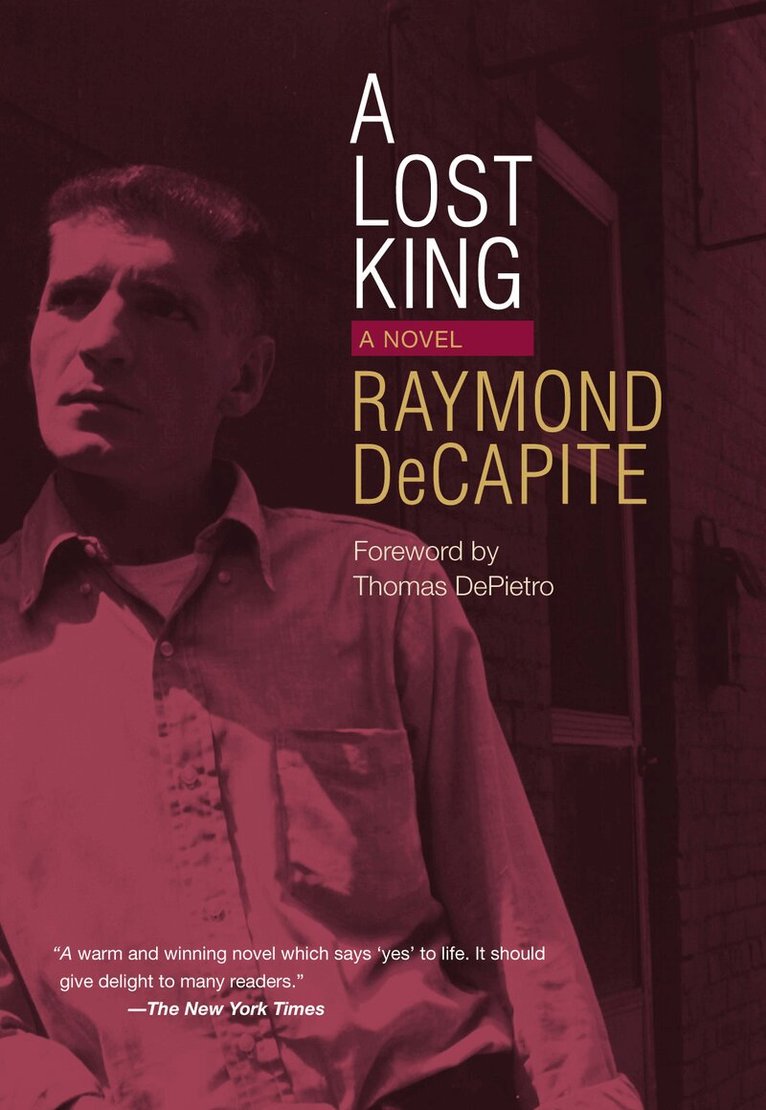
Lost King
A Novel
Häftad, 2010
313 kr
Tillfälligt slut
Raymond DeCapite's second published novel, A Lost King, has been described by Kirkus Reviews as a "small masterpiece, so unique in spirit and style." If the mood of The Coming of Fabrizze is joyous, that of A Lost King is somber. Each of DeCapite's novels is original in its own way, perhaps …
Coming of Fabrizze
A Novel
Häftad, 2010
313 kr
Tillfälligt slut
First published in 1960, The Coming of Fabrizze has been called by the New York Herald Tribune a "comic folklore festival about an Italian American colony in Cleveland, Ohio, back in the 1920s when all the land was a little slaphappy—and no one more so than these transplanted countrymen of the …
Bruiser
Av Jim Tully
Häftad, 2010
249 kr
Tillfälligt slut
A picture of life in the boxing ring "Few novelists captured the contradictions of his country so simply or so honestly in the metaphor of the pure, fatalistic, and merciless community of bruising."—from the ForewordWhen The Bruiser was first published in 1936, almost every reviewer praised Jim …
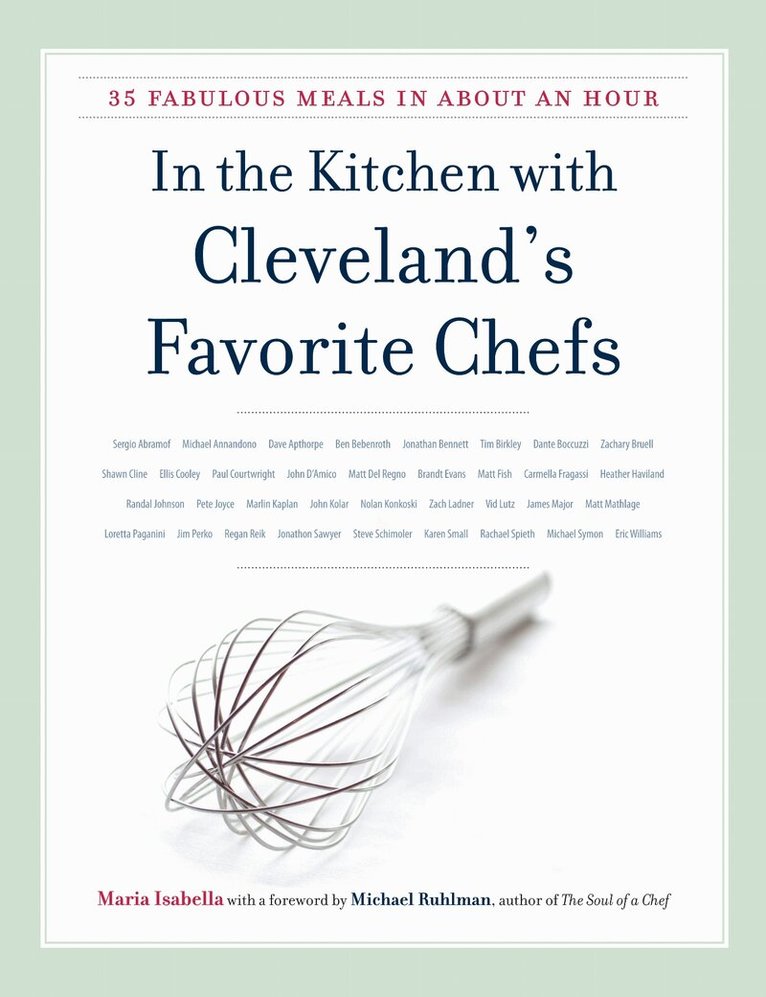
In the Kitchen with Cleveland's Favorite Chefs
35 Fabulous Meals in About an Hour
Inbunden, 2012
422 kr
Tillfälligt slut
A rare behind-the-scenes look at how Cleveland's top toques entertain at home Have you ever wondered what your favorite local chefs cook at home? What they prepare for their own family and friends? What they whip up when truly pressed for time? The secret's finally out as In the Kitchen with …
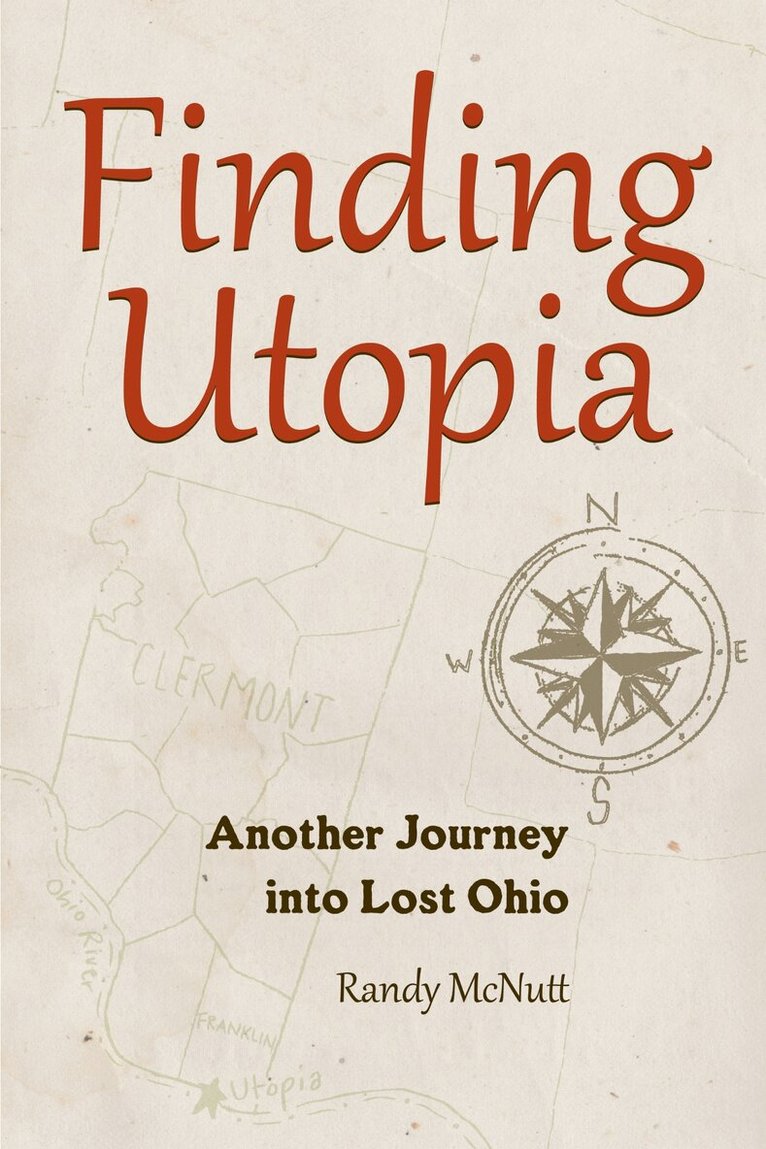
Finding Utopia
Another Journey Into Lost Ohio
Av Randy McNutt
Häftad, 2012
280 kr
Tillfälligt slut
In Finding Utopia, Randy McNutt sets off again to explore Ohio's forgotten nooks and byways. He begins where his last journey ended—on roads less traveled—finding more ghost towns, battlefields-turned-cornfields, and old memories that beckon him like spectral hitchhikers. On the way, he meets …
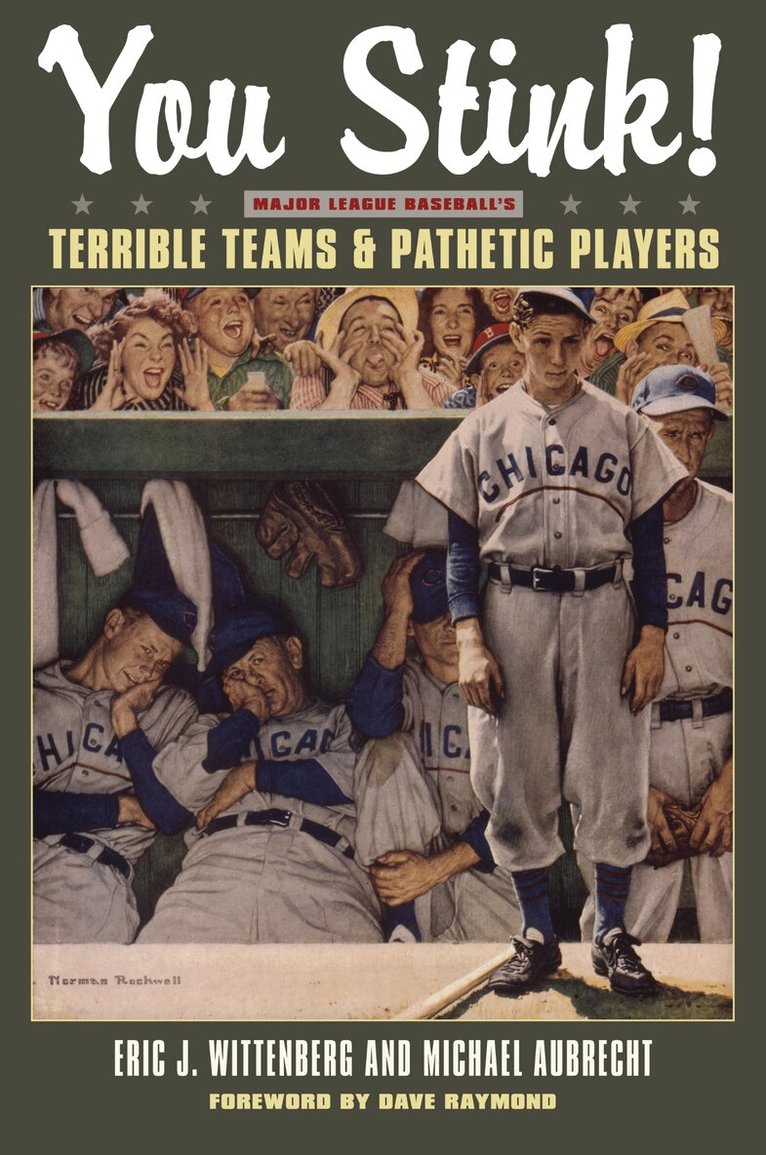
You Stink!
Major League Baseball's Terrible Teams and Pathetic Players
Av Eric J. Wittenberg, Michael Aubrecht
Häftad, 2012
289 kr
Tillfälligt slut
There are countless volumes celebrating the best teams in professional baseball. Unfortunately, winning represents only one side of the game. For every champion's record-setting season, there has been an equally memorable story of defeat. These teams and their shameful contributions to America's …
Ohio's Craft Beers
Discovering the Variety, Enjoying the Quality, Relishing the Experience
Häftad, 2016
216 kr
Tillfälligt slut
Ohio's Craft Beers celebrates the variety of craft brewing in Ohio, offers appreciations of its quality, and reports on the renaissance of the brewer's art throughout the Buckeye State. Beautifully illustrated with color photographs, the book takes readers on a tour of more than 40 of Ohio's larger …