Bloomsbury Companions to Contemporary Filmmakers – serie
Visar alla böcker i serien Bloomsbury Companions to Contemporary Filmmakers. Handla med fri frakt och snabb leverans.
6 produkter
6 produkter
518 kr
Skickas inom 10-15 vardagar
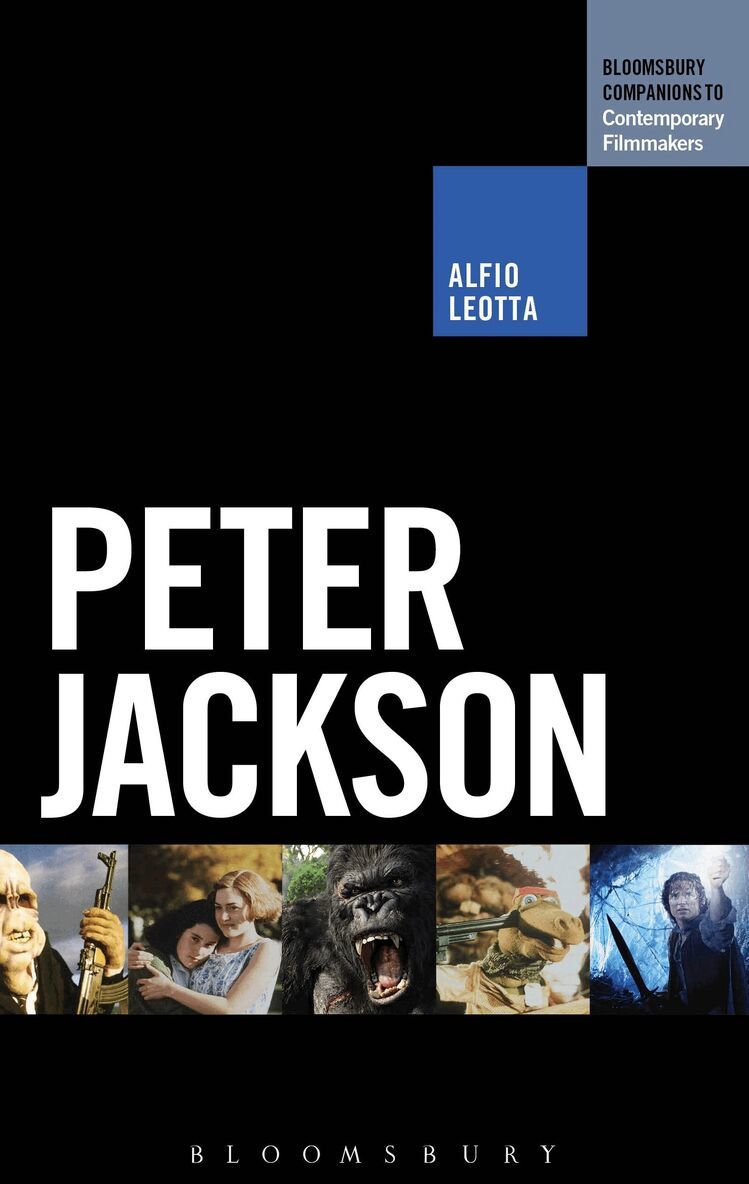
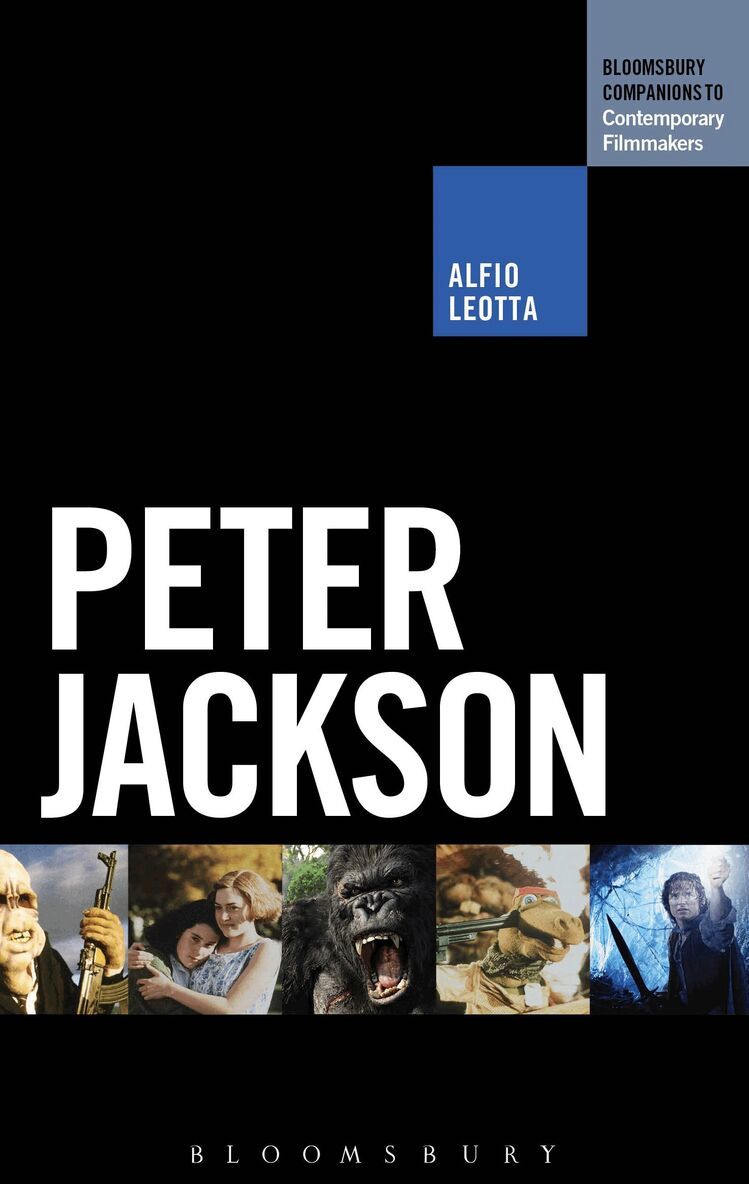
Peter Jackson is one of the most acclaimed and influential contemporary film-makers. This is the first book to combine the examination of Jackson’s career with an in-depth critical analysis of his films, thus providing readers with the most comprehensive study of the New Zealand film-maker’s body of work. The first section of the book concentrates on Jackson's biography, surveying the evolution of his career from the director of cult slapstick movies such as Meet the Feebles (1989) and Braindead (1992) to an entrepreneur responsible for the foundation of companies such as Wingnut Films and Weta Workshop, and finally to producer and director of mega blockbuster projects such as The Lord of the Rings (2001-2003) and The Hobbit (2012-2013).The book further examines Jackson's work at the level of production, reception and textuality, along with key collaborative relationships and significant themes associated with Jackson's films. The examination of Peter Jackson's work and career ties into significant academic debates, including the relationship between national cinema and global Hollywood; the global dispersal of film production; the relationship between film authorship and industrial modes of production; the impact of the creative industries on the construction of national identity; and new developments in film technology.
504 kr
Skickas inom 10-15 vardagar
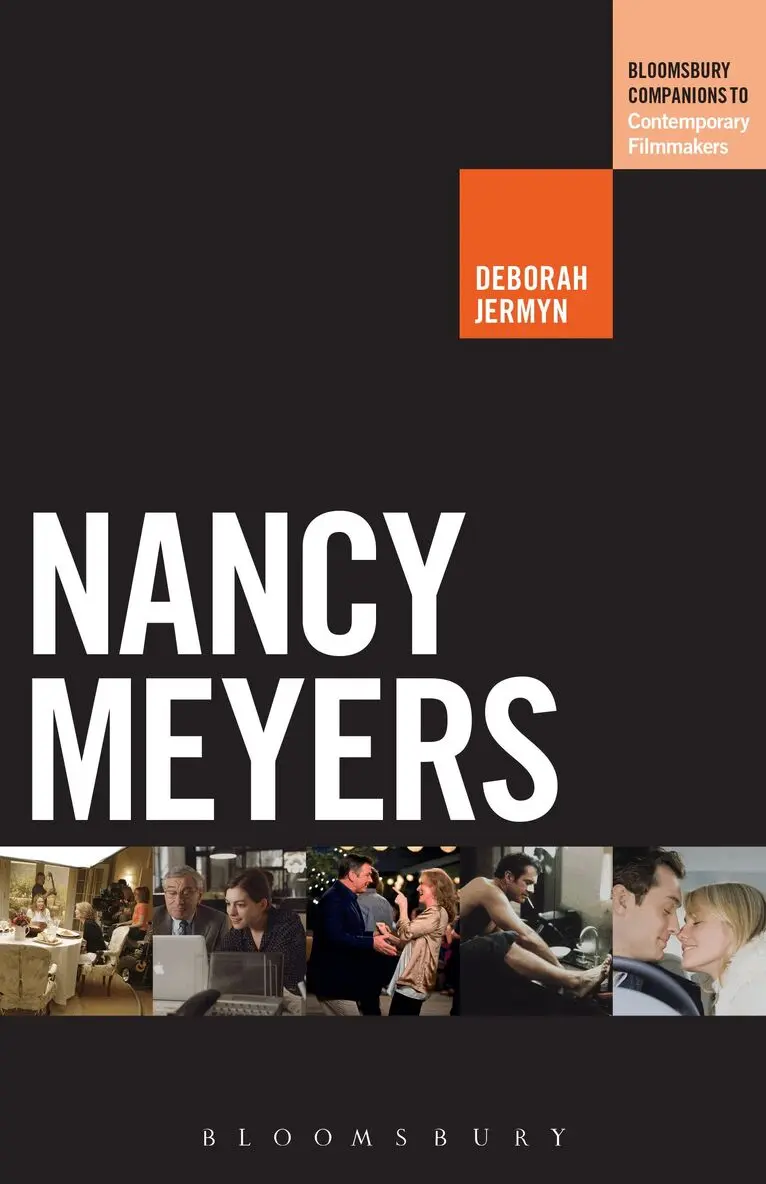
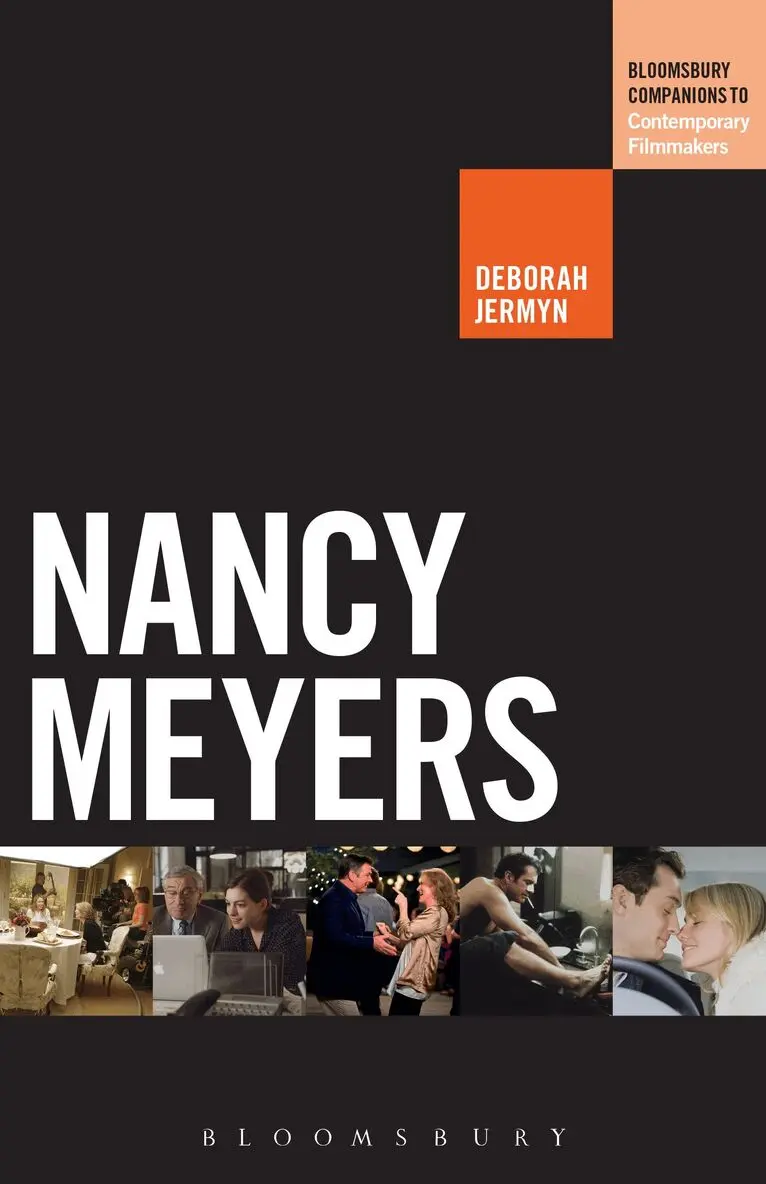
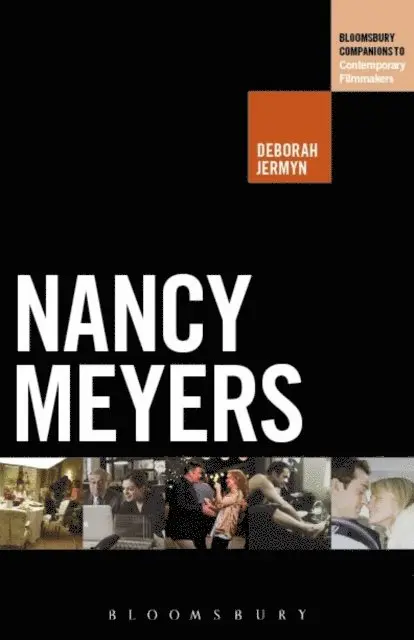
Nancy Meyers is acknowledged as the most commercially successful woman filmmaker of all time, described by Daphne Merkin in The New York Times on the release of It’s Complicated as "a singular figure in Hollywood – [she] may, in fact, be the most powerful female writer-director-producer currently working". Yet Meyers remains a director who, alongside being widely dismissed by critics, has been largely absent in scholarly accounts both of contemporary Hollywood cinema, and of feminism and film. Despite Meyers’ impressive track record for turning a profit (including the biggest box-office return ever achieved by a woman filmmaker at that timefor What Women Want in 2000), and a multifaceted career as a writer/producer/director dating back to her co-writing Private Benjamin in 1980, Meyers has been oddly neglected by Film Studies to date. Including Nancy Meyers in the Bloomsbury Companions to Contemporary Filmmakers rectifies this omission, giving her the kind of detailed consideration and recognition she warrants and exploring how, notwithstanding the challenges authorship holds for feminist film studies, Meyers can be situated as a skilled ‘auteur’. This book proposes that Meyers’ box-office success, the consistency of style and theme across her films, and the breadth of her body of work as a writer/producer/director across more than three decades at the forefront of Hollywood, (thus importantly bridging the second/third waves of feminism) make her a key contemporary US filmmaker. Structured to meet the needs of both the student and scholar, Jermyn's volume situates Meyers within this historical and critical context, exploring the distinctive qualities of her body of work, the reasons behind the pervasive resistance to it and new ways of understanding her films.
1 755 kr
Kommande
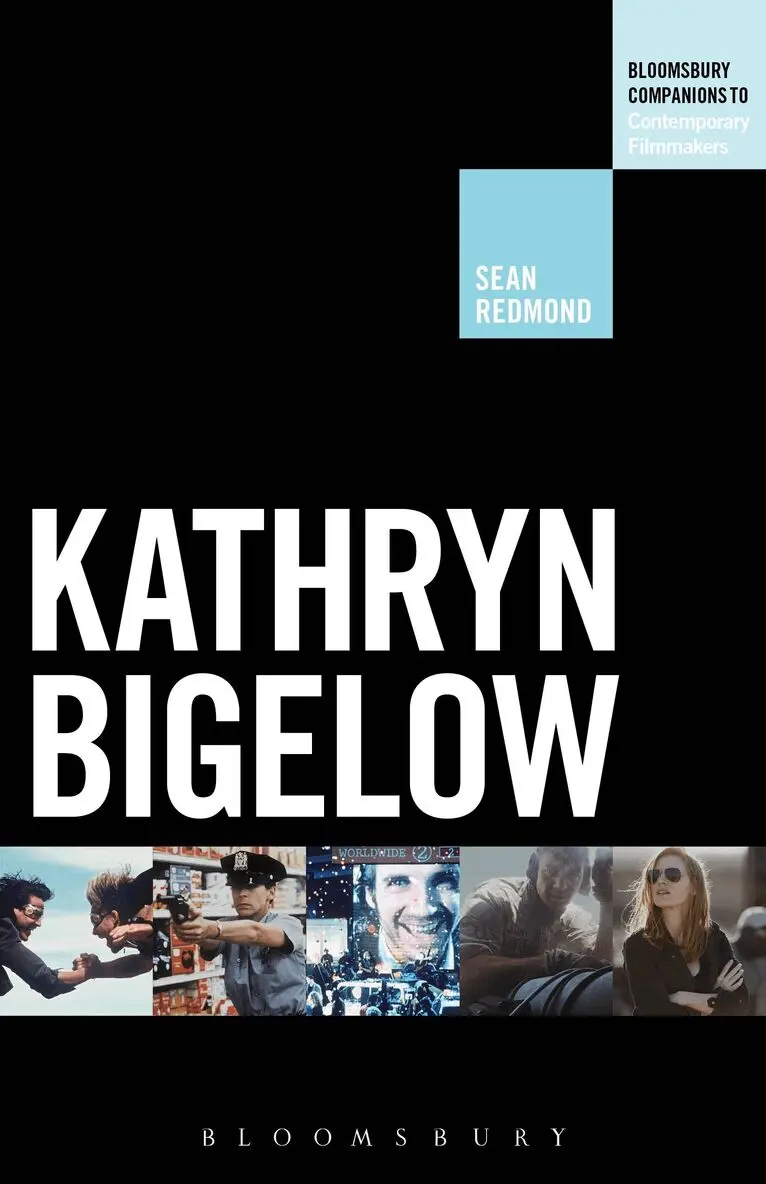
Sean Redmond's volume situates Bigelow within her historical and critical context, exploring key collaborative relationships and new ways of watching her films. This book fills an important gap in the scholarship on the European-inspired auteur working within the Hollywood cinema machine, Kathryn Bigelow. Structured to meet the needs of both the student and scholar, Beginning with Bigelow's biography, Redmond surveys the evolution of Kathryn's career as a Hollywood outsider with movies such as The Set-up (1978) and Near Dark (1987) to Hollywood blockbusters like Point Break (1991), The Hurt Locker (2010) and Zero Dark Thirty (2012). One of the key determinants of this volume is to locate Bigelow as a filmmaking artist who is able to transcend the collective, industrial, and commercial constraints of the Hollywood cinema machine to individually author her films in innovative and transgressive ways. Bigelow is contextualised as a contemporary auteur, with a distinct visual style who returns to the same themes and obsessions, and as a filmmaker who pushes cinematic boundaries, both in terms of film form and the representation of gender and sexuality.
2 500 kr
Skickas inom 10-15 vardagar
Peter Jackson is one of the most acclaimed and influential contemporary film-makers. This is the first book to combine the examination of Jackson’s career with an in-depth critical analysis of his films, thus providing readers with the most comprehensive study of the New Zealand film-maker’s body of work. The first section of the book concentrates on Jackson's biography, surveying the evolution of his career from the director of cult slapstick movies such as Meet the Feebles (1989) and Braindead (1992) to an entrepreneur responsible for the foundation of companies such as Wingnut Films and Weta Workshop, and finally to producer and director of mega blockbuster projects such as The Lord of the Rings (2001-2003) and The Hobbit (2012-2013).The book further examines Jackson's work at the level of production, reception and textuality, along with key collaborative relationships and significant themes associated with Jackson's films. The examination of Peter Jackson's work and career ties into significant academic debates, including the relationship between national cinema and global Hollywood; the global dispersal of film production; the relationship between film authorship and industrial modes of production; the impact of the creative industries on the construction of national identity; and new developments in film technology.
1 755 kr
Kommande
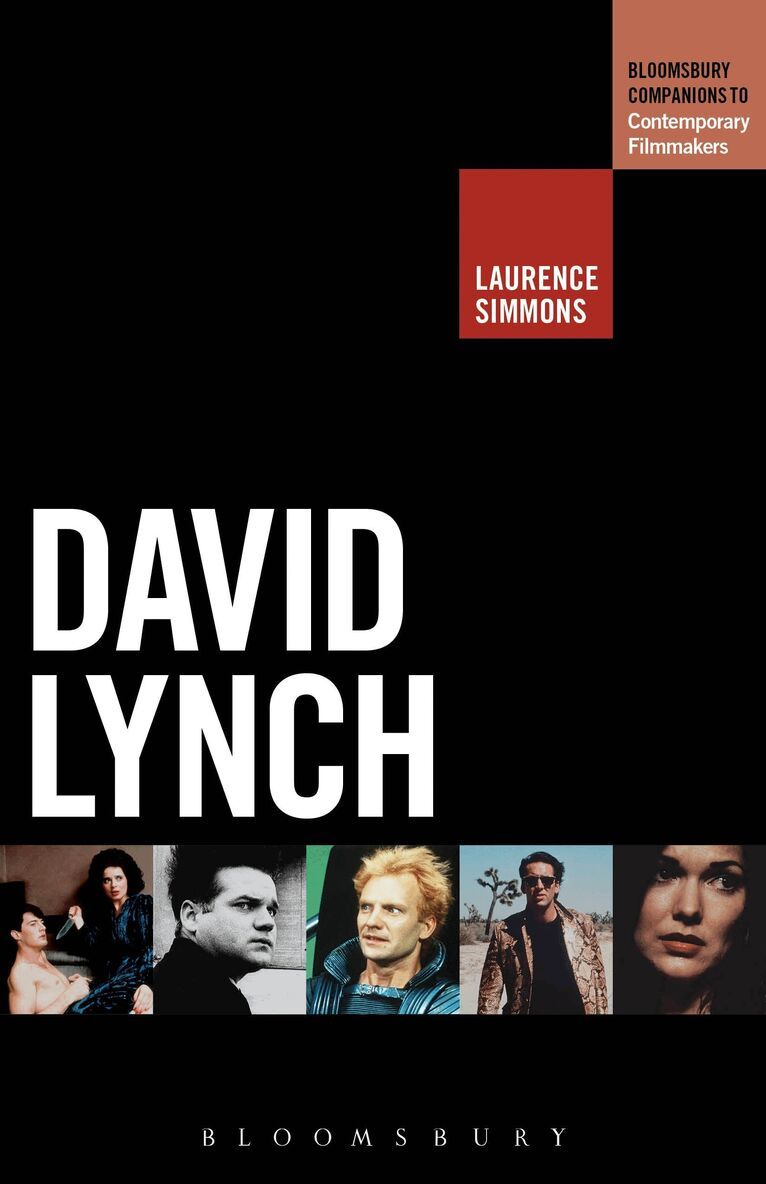
David Lynch is no stranger to scholars, critics and fans. From his first feature Eraserhead (1977), Lynch's films present us with a provocative world of weirdness and fantasy. Most work on Lynch uses a specific lens to assess his work, whether it's looking at the religious undertones to his films or his influence of music to his soundtracks. Laurence Simmons' work fills an important gap in the scholarship by looking at the acclaimed and influential director from all angles. Structured to meet the needs of both the student and scholar, Simmons' volume situates Lynch within his historical and critical context, exploring key collaborative relationships and new ways of watching his films.Beginning with Lynch's biography, Simmons surveys the evolution of Lynch's life and career from growing up in Northwest Montana and Boise Idaho, a 1950s childhood that is parodied in Blue Velvet (1986) to the interaction of his work as painter, record producer, song composer and comic strip artist with his work in cinema, and finally to opening up a new nightclub in France, Silencio (based on the club of the same name in Mulholland Drive).The volume includes two critical essays that examine Lynch's body of work by reconsidering the problem of cinematic realism in his work in the light of the emergent philosophical movement known as Speculative Realism. Through a close reading of a number of films (Eraserhead, The Elephant Man, Blue Velvet, Wild at Heart, The Straight Story) this chapter considers the potential relevance of Lynch's modification of theories of cinematic realism and his affirmation of cinema as a medium that has the capacity to affirm things-in-themselves without the presumption of a priori schemas of knowledge. Concluding with an appendix detailing key critical works and further reading and viewing, this volume is an essential addition to any institution where film scholarship and teaching occur.
2 500 kr
Skickas inom 10-15 vardagar
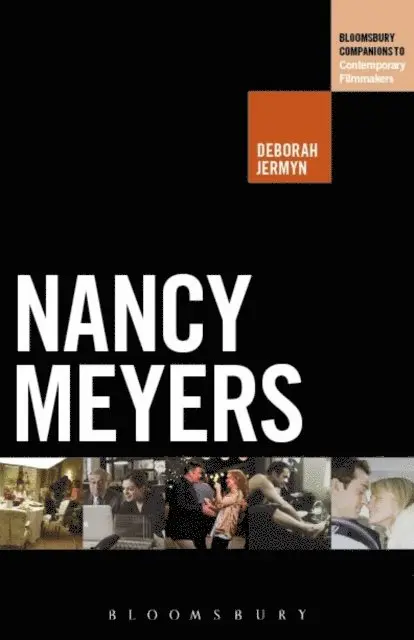
Nancy Meyers is acknowledged as the most commercially successful woman filmmaker of all time, described by Daphne Merkin in The New York Times on the release of It’s Complicated as "a singular figure in Hollywood – [she] may, in fact, be the most powerful female writer-director-producer currently working". Yet Meyers remains a director who, alongside being widely dismissed by critics, has been largely absent in scholarly accounts both of contemporary Hollywood cinema, and of feminism and film. Despite Meyers’ impressive track record for turning a profit (including the biggest box-office return ever achieved by a woman filmmaker at that timefor What Women Want in 2000), and a multifaceted career as a writer/producer/director dating back to her co-writing Private Benjamin in 1980, Meyers has been oddly neglected by Film Studies to date. Including Nancy Meyers in the Bloomsbury Companions to Contemporary Filmmakers rectifies this omission, giving her the kind of detailed consideration and recognition she warrants and exploring how, notwithstanding the challenges authorship holds for feminist film studies, Meyers can be situated as a skilled ‘auteur’. This book proposes that Meyers’ box-office success, the consistency of style and theme across her films, and the breadth of her body of work as a writer/producer/director across more than three decades at the forefront of Hollywood, (thus importantly bridging the second/third waves of feminism) make her a key contemporary US filmmaker. Structured to meet the needs of both the student and scholar, Jermyn's volume situates Meyers within this historical and critical context, exploring the distinctive qualities of her body of work, the reasons behind the pervasive resistance to it and new ways of understanding her films.