Body in the City - Böcker
Visar alla böcker i serien Body in the City. Handla med fri frakt och snabb leverans.
10 produkter
10 produkter
591 kr
Skickas inom 10-15 vardagar
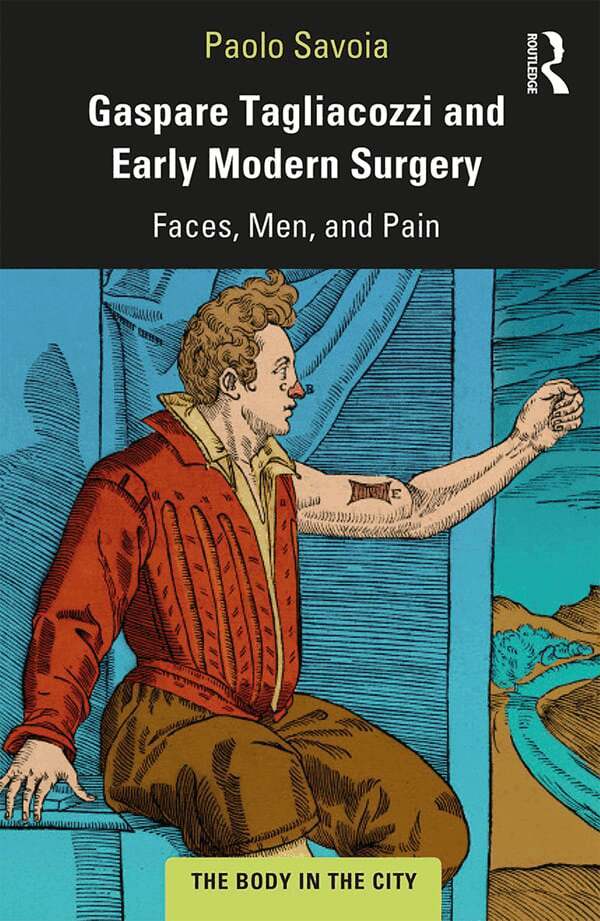
This book uses the work of Bolognese physician and anatomist Gaspare Tagliacozzi to explore the social and cultural history of early modern surgery. It discusses how Italian and European surgeons' attitudes to health and beauty – and how patients' gender – shaped views on the public appearance of the human body.In 1597, Gaspare Tagliacozzi published a two-volume book on reconstructive surgery of the mutilated parts of the face. Studying Tagliacozzi’s surgery in context corrects widespread views about the birth of plastic surgery. Through a combination of cultural history, microhistory, historical epistemology, and gender history, this book describes the practice and practitioners considered to be at the periphery of the "Scientific Revolution." Historical themes covered include the writing of individual cases, hegemonic and subaltern forms of masculinity, concepts of the natural and the artificial, emotional communities and moral economies of pain, and the historical anthropology of the culture of beauty and the face and its disfigurements.The book is essential reading for upper-level students, postgraduates, and scholars working on the history of medicine and surgery, the history of the body, and gender and cultural history. It will also appeal to those interested in the history of beauty, urban studies and the Renaissance period more generally.
2 162 kr
Skickas inom 10-15 vardagar
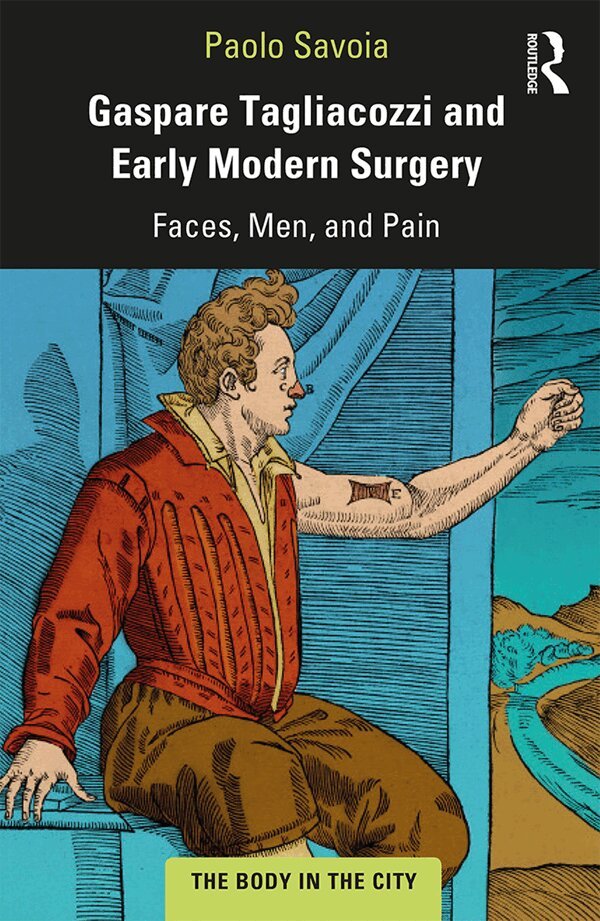
This book uses the work of Bolognese physician and anatomist Gaspare Tagliacozzi to explore the social and cultural history of early modern surgery. It discusses how Italian and European surgeons' attitudes to health and beauty – and how patients' gender – shaped views on the public appearance of the human body.In 1597, Gaspare Tagliacozzi published a two-volume book on reconstructive surgery of the mutilated parts of the face. Studying Tagliacozzi’s surgery in context corrects widespread views about the birth of plastic surgery. Through a combination of cultural history, microhistory, historical epistemology, and gender history, this book describes the practice and practitioners considered to be at the periphery of the "Scientific Revolution." Historical themes covered include the writing of individual cases, hegemonic and subaltern forms of masculinity, concepts of the natural and the artificial, emotional communities and moral economies of pain, and the historical anthropology of the culture of beauty and the face and its disfigurements.The book is essential reading for upper-level students, postgraduates, and scholars working on the history of medicine and surgery, the history of the body, and gender and cultural history. It will also appeal to those interested in the history of beauty, urban studies and the Renaissance period more generally.
591 kr
Skickas inom 10-15 vardagar
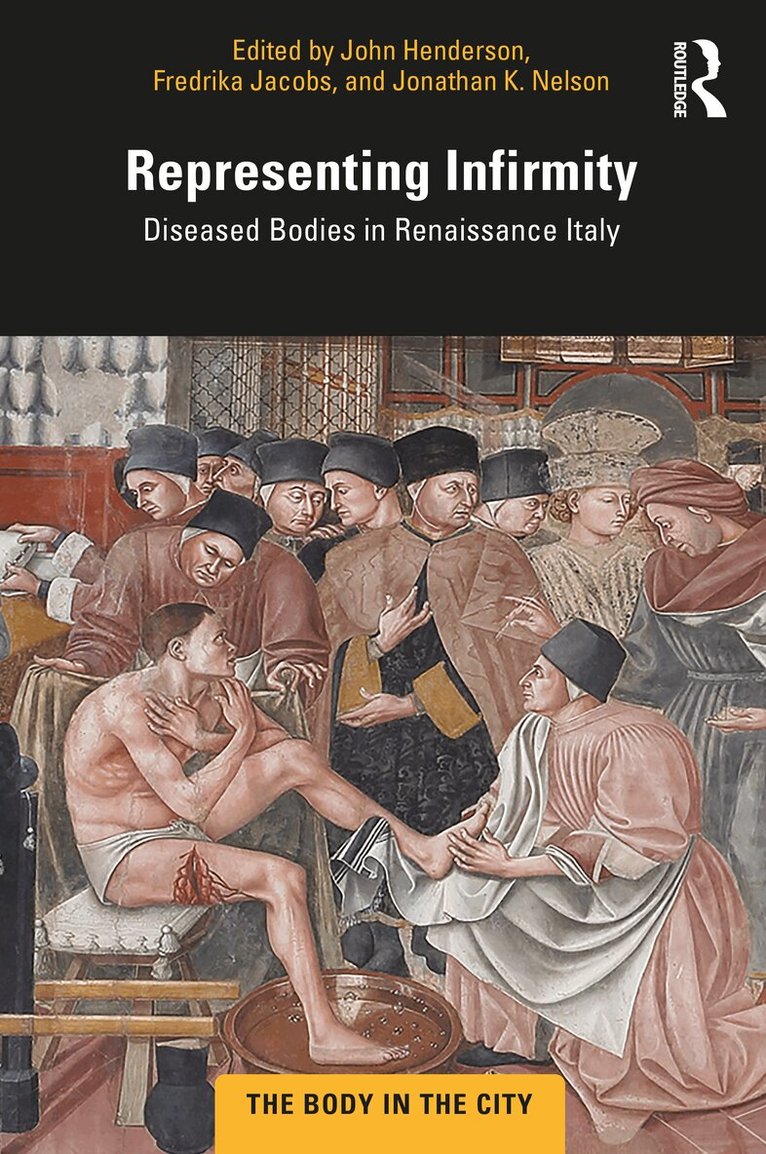
This volume is the first in-depth analysis of how infirm bodies were represented in Italy from c. 1400 to 1650. Through original contributions and methodologies, it addresses the fundamental yet undiscussed relationship between images and representations in medical, religious, and literary texts. Looking beyond the modern category of ‘disease’ and viewing infirmity in Galenic humoral terms, each chapter explores which infirmities were depicted in visual culture, in what context, why, and when. By exploring the works of artists such as Caravaggio, Leonardo, and Michelangelo, this study considers the idealized body altered by diseases, including leprosy, plague, goitre, and cancer. In doing so, the relationship between medical treatment and the depiction of infirmities through miracle cures is also revealed. The broad chronological approach demonstrates how and why such representations change, both over time and across different forms of media. Collectively, the chapters explain how the development of knowledge of the workings and structure of the body was reflected in changed ideas and representations of the metaphorical, allegorical, and symbolic meanings of infirmity and disease. The interdisciplinary approach makes this study the perfect resource for both students and specialists of the history of art, medicine and religion, and social and intellectual history across Renaissance Europe.
2 162 kr
Skickas inom 10-15 vardagar
This volume is the first in-depth analysis of how infirm bodies were represented in Italy from c. 1400 to 1650. Through original contributions and methodologies, it addresses the fundamental yet undiscussed relationship between images and representations in medical, religious, and literary texts. Looking beyond the modern category of ‘disease’ and viewing infirmity in Galenic humoral terms, each chapter explores which infirmities were depicted in visual culture, in what context, why, and when. By exploring the works of artists such as Caravaggio, Leonardo, and Michelangelo, this study considers the idealized body altered by diseases, including leprosy, plague, goitre, and cancer. In doing so, the relationship between medical treatment and the depiction of infirmities through miracle cures is also revealed. The broad chronological approach demonstrates how and why such representations change, both over time and across different forms of media. Collectively, the chapters explain how the development of knowledge of the workings and structure of the body was reflected in changed ideas and representations of the metaphorical, allegorical, and symbolic meanings of infirmity and disease. The interdisciplinary approach makes this study the perfect resource for both students and specialists of the history of art, medicine and religion, and social and intellectual history across Renaissance Europe.
Popular Politics in an Aristocratic Republic
Political Conflict and Social Contestation in Late Medieval and Early Modern Venice
Inbunden, Engelska, 2020
2 162 kr
Skickas inom 10-15 vardagar
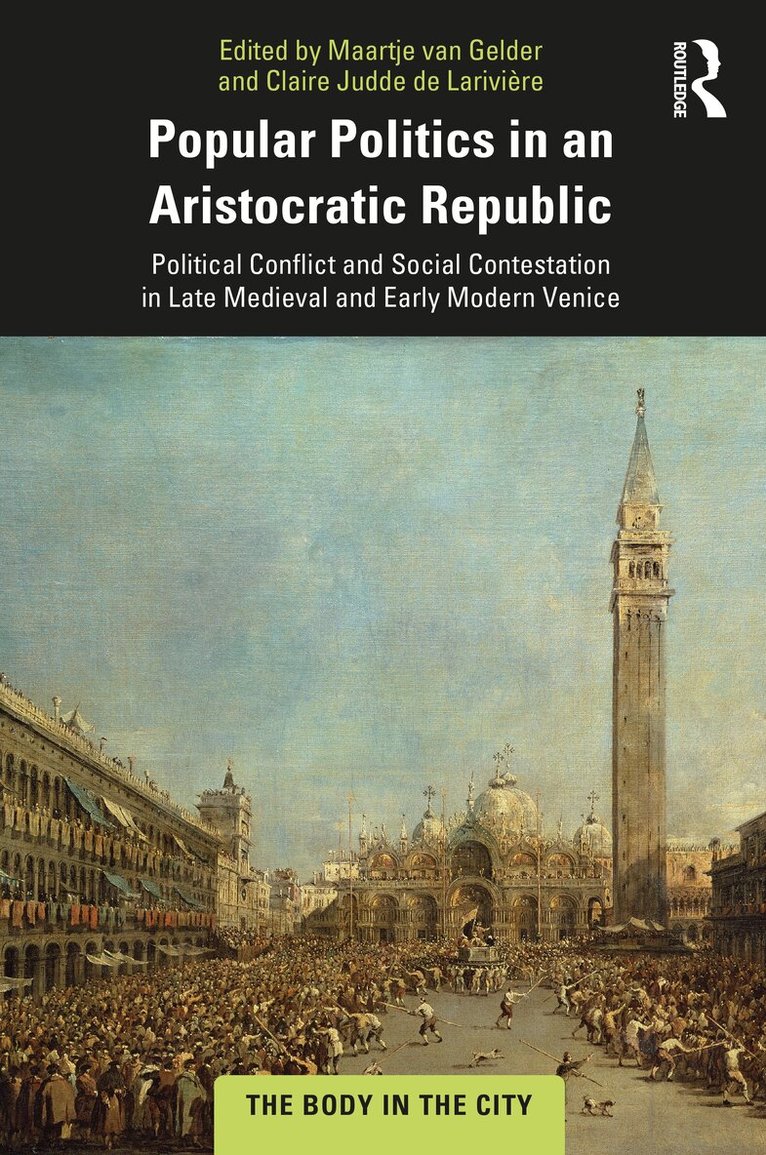
Popular Politics in an Aristocratic Republic explores the different aspects of political actions and experiences in late medieval and early modern Venice.The book challenges the idea that the city of Venice knew no political conflict and social contestation during the medieval and early modern periods. By examining popular politics in Venice as a range of acts of contestation and of constructive popular political participation, it contributes to the broader debate about premodern politics. The volume begins in the late fourteenth century, when the demographical and social changes resulting from the Black Death facilitated popular challenges to the ruling class’s power, and finishes in the late eighteenth century, when the French invasion brought an end to the Venetian Republic. It innovates Venetian studies by considering how ordinary Venetians were involved in politics, and how popular politics and contestation manifested themselves in this densely populated and diverse city. Together the chapters propose a more nuanced notion of political interactions and highlight the role that ordinary people played in shaping the city’s political configuration, as well as how the authorities monitored and punished contestation.Popular Politics in an Aristocratic Republic combines recent historiographical approaches to classic themes from political, social, economic, and religious Venetian history with contributions on gender, migration, and urban space. The volume will be essential reading for students of Venetian history, medieval and early modern Italy and Europe, political and social history.
Popular Politics in an Aristocratic Republic
Political Conflict and Social Contestation in Late Medieval and Early Modern Venice
Häftad, Engelska, 2020
591 kr
Skickas inom 10-15 vardagar
Popular Politics in an Aristocratic Republic explores the different aspects of political actions and experiences in late medieval and early modern Venice.The book challenges the idea that the city of Venice knew no political conflict and social contestation during the medieval and early modern periods. By examining popular politics in Venice as a range of acts of contestation and of constructive popular political participation, it contributes to the broader debate about premodern politics. The volume begins in the late fourteenth century, when the demographical and social changes resulting from the Black Death facilitated popular challenges to the ruling class’s power, and finishes in the late eighteenth century, when the French invasion brought an end to the Venetian Republic. It innovates Venetian studies by considering how ordinary Venetians were involved in politics, and how popular politics and contestation manifested themselves in this densely populated and diverse city. Together the chapters propose a more nuanced notion of political interactions and highlight the role that ordinary people played in shaping the city’s political configuration, as well as how the authorities monitored and punished contestation.Popular Politics in an Aristocratic Republic combines recent historiographical approaches to classic themes from political, social, economic, and religious Venetian history with contributions on gender, migration, and urban space. The volume will be essential reading for students of Venetian history, medieval and early modern Italy and Europe, political and social history.
1 954 kr
Skickas inom 10-15 vardagar
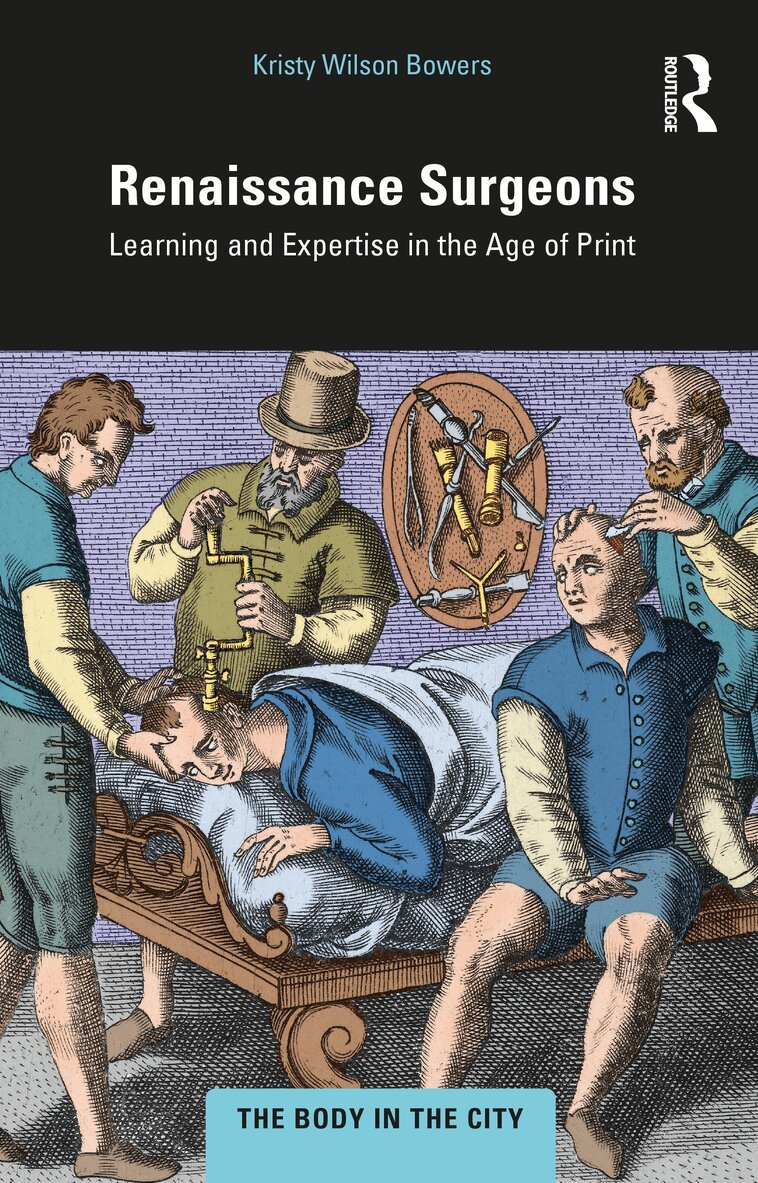
This book examines the lives, careers, and publications of a group of Spanish Renaissance surgeons as exemplars of both the surgical renaissance occurring across Europe and of the unique context of Spain.In the sixteenth century, European surgeons forged new identities as learned experts who combined university medical degrees with manual skills and practical experience. No longer merely apprentice-trained craftsmen engaged only with healing the exterior wounds and rashes of the body, these learned surgeons actively engaged with the epistemic shifts of the sixteenth century, including new forms of knowledge construction, based in empiricism, and knowledge circulation, based in printing. These surgeons have long been overshadowed by the innovative work of anatomists and botanists but were participants in the same intellectual currents reshaping many aspects of knowledge. Active in communities across both Castile and Aragon, learned surgeons formed an intellectual community of practitioners and scholars who helped reshape surgical knowledge and practice. This book provides an overview of the Spanish learned surgeons, known as médicos y cirujanos, who were influential in universities, on battlefields, at court, and in private practice. It argues that the surgeons’ larger significance rests in their collective identity as part of the broader intellectual shift to empiricism and innovation of the Renaissance. Renaissance Surgeons: Learning and Expertise in the Age of Print is essential reading for upper-level students and scholars of the history of medicine and early modern Spain.
563 kr
Skickas inom 10-15 vardagar
This book examines the lives, careers, and publications of a group of Spanish Renaissance surgeons as exemplars of both the surgical renaissance occurring across Europe and of the unique context of Spain.In the sixteenth century, European surgeons forged new identities as learned experts who combined university medical degrees with manual skills and practical experience. No longer merely apprentice-trained craftsmen engaged only with healing the exterior wounds and rashes of the body, these learned surgeons actively engaged with the epistemic shifts of the sixteenth century, including new forms of knowledge construction, based in empiricism, and knowledge circulation, based in printing. These surgeons have long been overshadowed by the innovative work of anatomists and botanists but were participants in the same intellectual currents reshaping many aspects of knowledge. Active in communities across both Castile and Aragon, learned surgeons formed an intellectual community of practitioners and scholars who helped reshape surgical knowledge and practice. This book provides an overview of the Spanish learned surgeons, known as médicos y cirujanos, who were influential in universities, on battlefields, at court, and in private practice. It argues that the surgeons’ larger significance rests in their collective identity as part of the broader intellectual shift to empiricism and innovation of the Renaissance. Renaissance Surgeons: Learning and Expertise in the Age of Print is essential reading for upper-level students and scholars of the history of medicine and early modern Spain.
591 kr
Skickas inom 10-15 vardagar
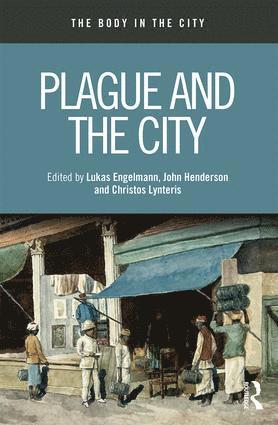
Plague and the City uncovers discourses of plague and anti-plague measures in the city during the medieval, early modern and modern periods, and explores the connection between plague and urban environments including attempts by professional bodies to prevent or limit the outbreak of epidemic disease.Bringing together leading scholars of plague working across different historical periods, this book provides an inter-disciplinary study of plague in the city across time and space. The chapters cover a wide range of periods, geographical locations and disciplinary approaches but all seek to answer significant questions, including whether common motives can be identified, and how far knowledge about plague was based on an understanding of the urban space. It also examines how maps and photographs contribute to understanding plague in the city through exploring the ways in which the relationship between plague and the urban environment has been visualised, from the poisoned darts of plague winging their way towards their victims in the votive pictures from the Renaissance, to the mapping of the spread of disease in late nineteenth-century Bombay and photographing Honolulu’s great plague fire in 1900.Containing a series of studies that illuminate plague’s urban connection as a key social and political concern throughout history, Plague and the City is ideal for students of early modern history, and of the early modern city and plague more specifically.
2 162 kr
Skickas inom 10-15 vardagar
Plague and the City uncovers discourses of plague and anti-plague measures in the city during the medieval, early modern and modern periods, and explores the connection between plague and urban environments including attempts by professional bodies to prevent or limit the outbreak of epidemic disease.Bringing together leading scholars of plague working across different historical periods, this book provides an inter-disciplinary study of plague in the city across time and space. The chapters cover a wide range of periods, geographical locations and disciplinary approaches but all seek to answer significant questions, including whether common motives can be identified, and how far knowledge about plague was based on an understanding of the urban space. It also examines how maps and photographs contribute to understanding plague in the city through exploring the ways in which the relationship between plague and the urban environment has been visualised, from the poisoned darts of plague winging their way towards their victims in the votive pictures from the Renaissance, to the mapping of the spread of disease in late nineteenth-century Bombay and photographing Honolulu’s great plague fire in 1900.Containing a series of studies that illuminate plague’s urban connection as a key social and political concern throughout history, Plague and the City is ideal for students of early modern history, and of the early modern city and plague more specifically.