Breakthroughs in Mimetic Theory – serie
Visar alla böcker i serien Breakthroughs in Mimetic Theory. Handla med fri frakt och snabb leverans.
8 produkter
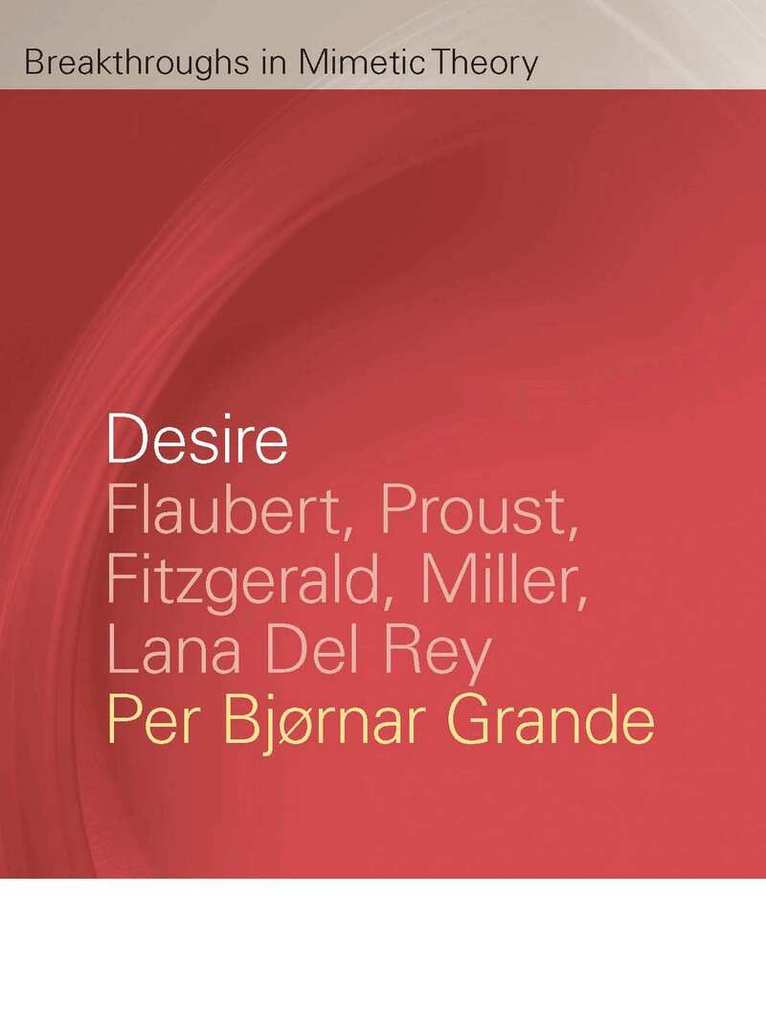
Desire
Flaubert, Proust, Fitzgerald, Miller, Lana Del Rey
Häftad, 2020
580 kr
Lägg i varukorg
Desire can take many forms. Hegel related desire to acceptance, Nietzsche to power, and Freud to the erotic. In novels and plays by Gustave Flaubert, Marcel Proust, F. Scott Fitzgerald, and Arthur Miller and music by Lana Del Rey, desire operates in a complex, slippery way that eludes philosophical …
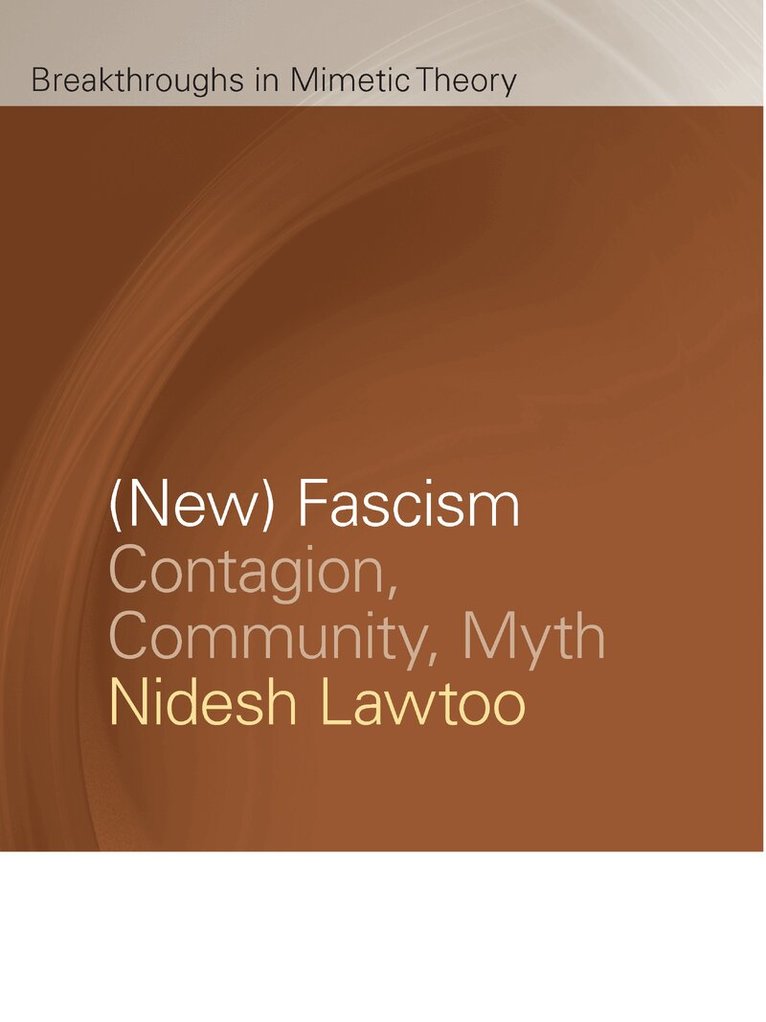
(New) Fascism
Contagion, Community, Myth
Häftad, 2019
580 kr
Lägg i varukorg
Fascism tends to be relegated to a dark chapter of European history, but what if new forms of fascism are currently returning to the forefront of the political scene? In this book, Nidesh Lawtoo furthers his previous diagnostic of crowd behavior, identification, and mimetic contagion to account for …
Violence, the Sacred, and Things Hidden
A Discussion with René Girard at Esprit (1973)
Av René Girard
Häftad, 2021
365 kr
Lägg i varukorg
Never before translated in English, this 1973 discussion between René Girard (1923–2015) and other prominent scholars represents one of the most significant breakthroughs in mimetic theory. Organized by the French journal Esprit, the conversation was an opportunity for Girard to debate with his …
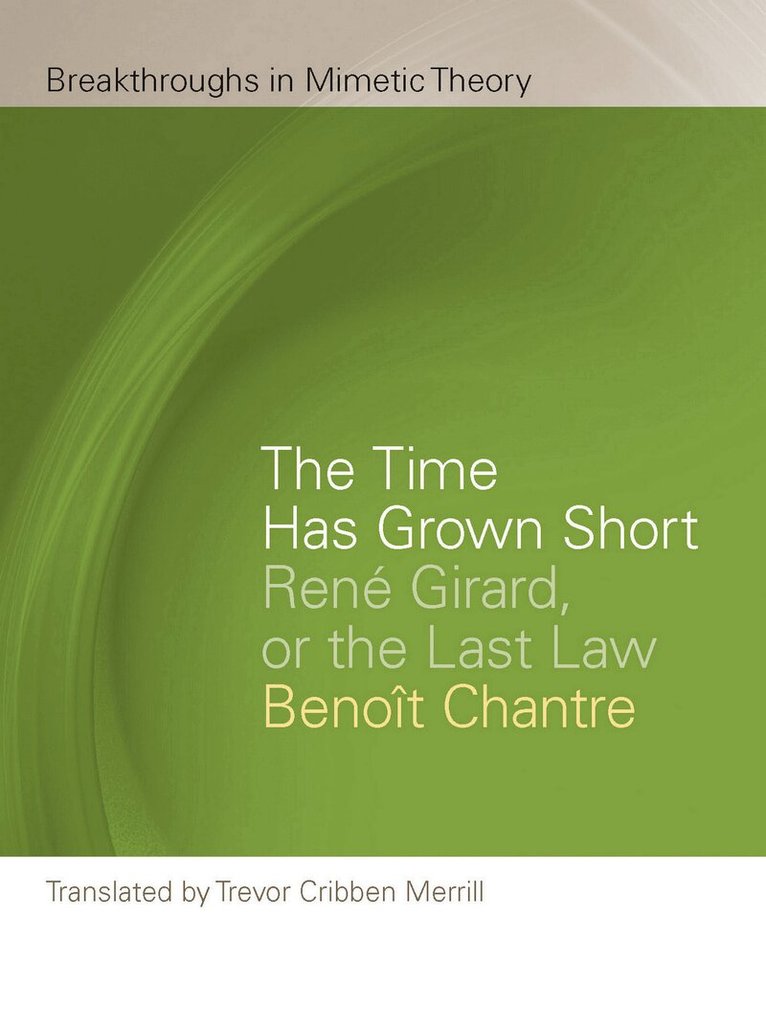
Time Has Grown Short
René Girard, or the Last Law
Häftad, 2022
504 kr
Lägg i varukorg
The protagonist of Marcel Proust’s In Search of Lost Time observes with wonder the comings and goings of the crows that roost in the belfry of the village church in Combray, his childhood home. For René Girard, one of Proust’s great interpreters, their mysterious flight, first departing from and …
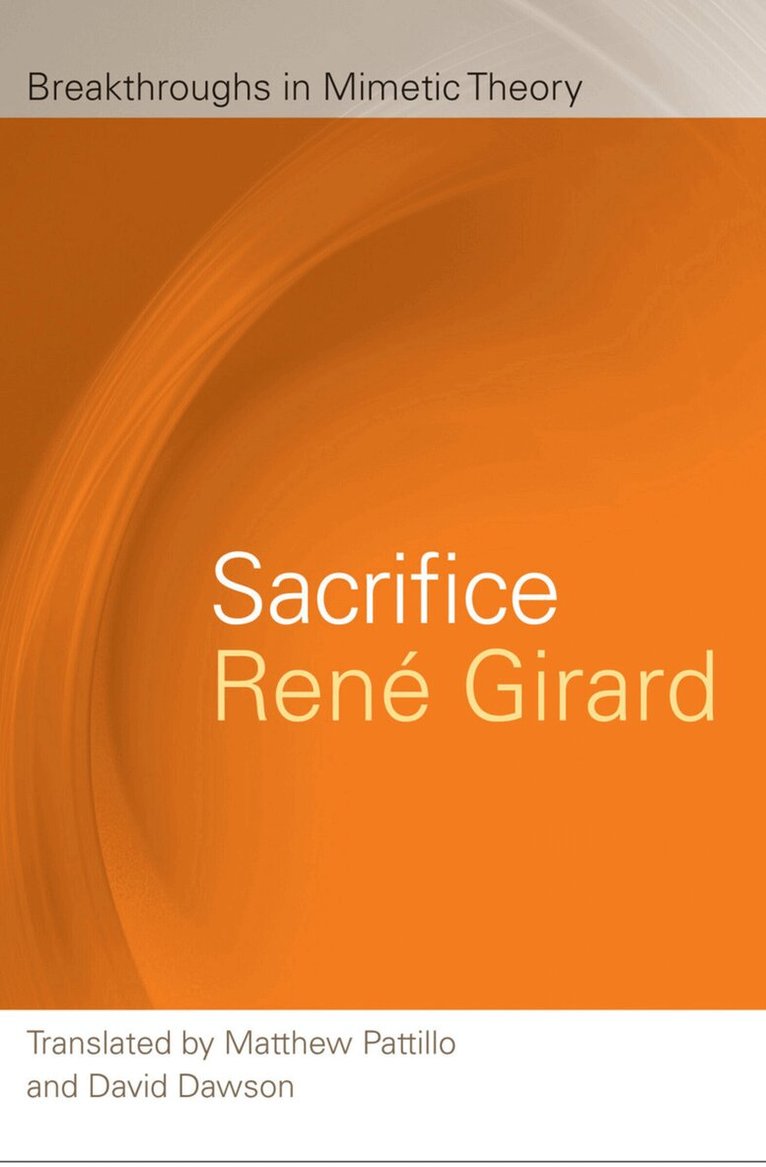
Sacrifice
Av René Girard
Häftad, 2011
414 kr
Tillfälligt slut
In Sacrifice, René Girard interrogates the Brahmanas of Vedic India, exploring coincidences with mimetic theory that are too numerous and striking to be accidental. Even that which appears to be dissimilar fails to contradict mimetic theory, but instead corresponds to the minimum of illusion …
Anorexia and Mimetic Desire
Av René Girard
Häftad, 2013
268 kr
Tillfälligt slut
René Girard shows that all desires are contagious—and the desire to be thin is no exception. In this compelling new book, Girard ties the anorexia epidemic to what he calls mimetic desire: a desire imitated from a model. Girard has long argued that, far from being spontaneous, our most intimate …
Ressentiment
Reflections on Mimetic Desire and Society
Häftad, 2015
580 kr
Tillfälligt slut
This book is a response to Friedrich Nietzsche’s provocative question: How much and how does ressentiment condition our daily life? During the twentieth century we witnessed veritable eruptions of this insidious emotion, and we are still witnesses of its proliferation at various levels of society. …
Reflection in the Waves
The Interdividual Observer in a Quantum Mechanical World
Häftad, 2019
580 kr
Tillfälligt slut
The incredible success of quantum theory as a mathematical model makes it especially frustrating that we cannot agree on a plausible philosophical or metaphysical description of it. Some philosophers of science have noticed certain parallels between quantum theory and the philosophy of Thomas …