Brock Springer Series in Contemporary Bioscience - Böcker
Visar alla böcker i serien Brock Springer Series in Contemporary Bioscience. Handla med fri frakt och snabb leverans.
16 produkter
16 produkter
1 635 kr
Skickas inom 10-15 vardagar
The microbiology of drinking water remains an important worldwide concern despite modem progress in science and engineering. Countries that are more technologically advanced have experienced a significant reduction in water borne morbidity within the last 100 years: This reduction has been achieved through the application of effective technologies for the treatment, disinfec tion, and distribution of potable water. However, morbidity resulting from the ingestion of contaminated water persists globally, and the available ep idemiological evidence (Waterborne Diseases in the United States, G. F. Craun, ed. , 1986, CRC Press) demonstrates a dramatic increase in the number of waterborne outbreaks and individual cases within the United States since the mid-1960s. In addition, it should also be noted that the incidence of water borne outbreaks of unknown etiology and those caused by "new" pathogens, such as Campylobaeter sp. , is also increasing in the United States. Although it might bedebated whether these increases are real or an artifact resulting from more efficient reporting, it is clear that waterborne morbidity cannot be ignored in the industrialized world. More significantly, it represents one of the most important causes of illness within developing countries. Approxi mately one-half the world's population experiences diseases that are the direct consequence of drinking polluted water. Such illnesses are the primary cause of infant mortality in many Third World countries.
2 178 kr
Skickas inom 10-15 vardagar
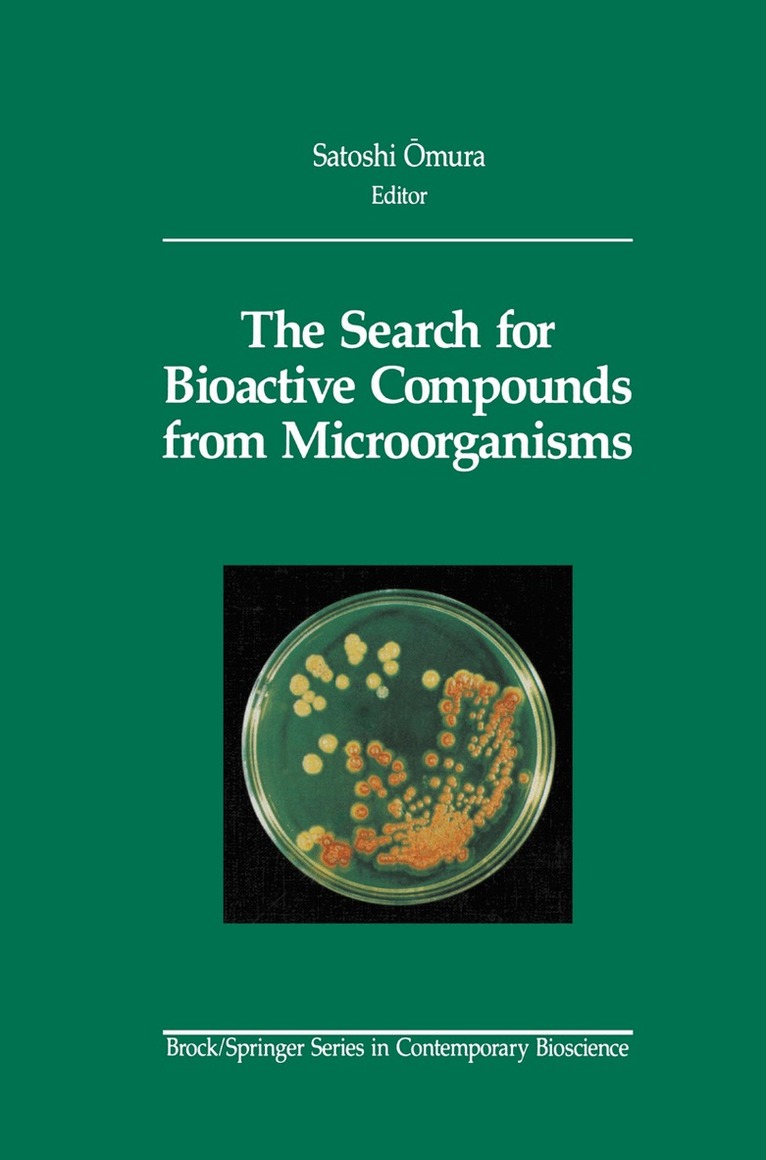
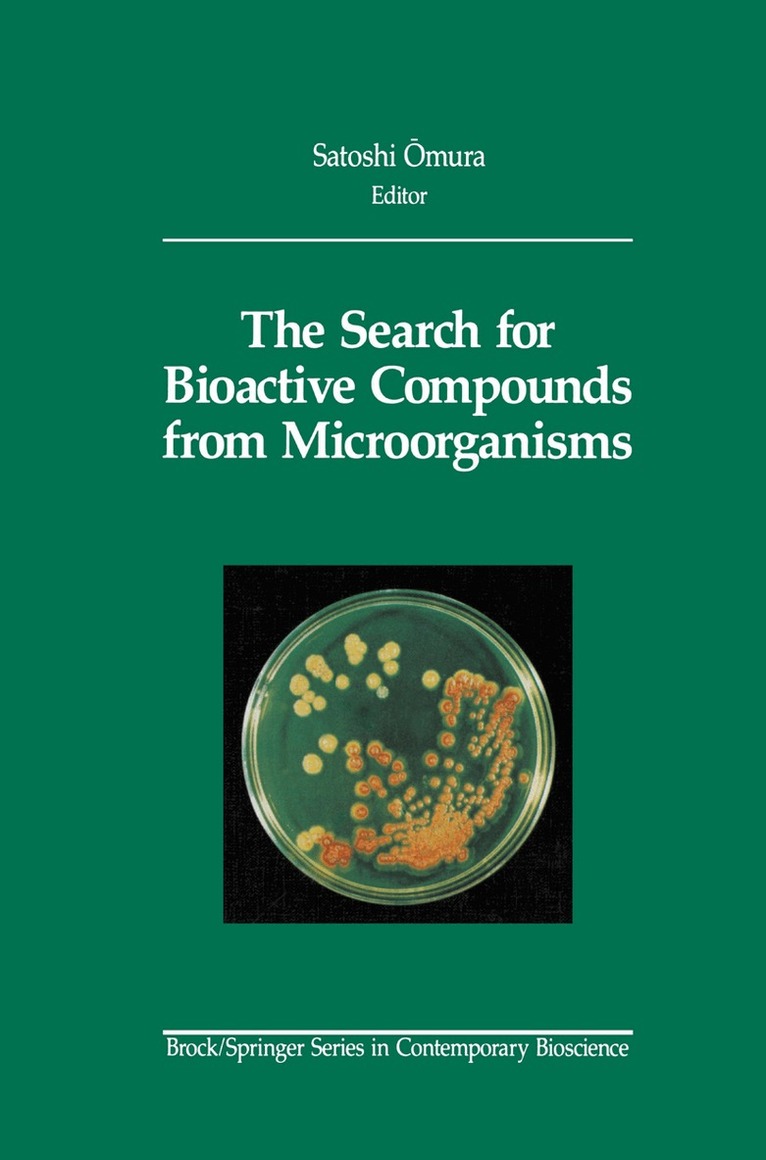
Biologically active compounds isolated from microorganisms continue to be vital to the development of new drugs and agricultural chemicals. This book was prepared by current and past members of the laboratory of Dr. Satoshi Omura of the Kitasato Institute in Japan. Dr. Omura and his colleagues have discovered and studied a number of important antibiotics, and in their work they have pioneered new methods for screening microbes for interesting and important compounds. This book presents strategies and methods for identifying novel molecules with several types of biological activity. In addition, the book discusses the identification of microbial compounds of agrochemical importance, presents information on chemical screening methods, and concludes with chapters on microbial strain selection, fermentation technology, and genetic engineering of antibiotic-producing microorganisms. This book will be of great interest to scientists working in the very active and competitive fields of antibiotic and agrochemical discovery.
794 kr
Skickas inom 10-15 vardagar
1 480 kr
Skickas inom 10-15 vardagar
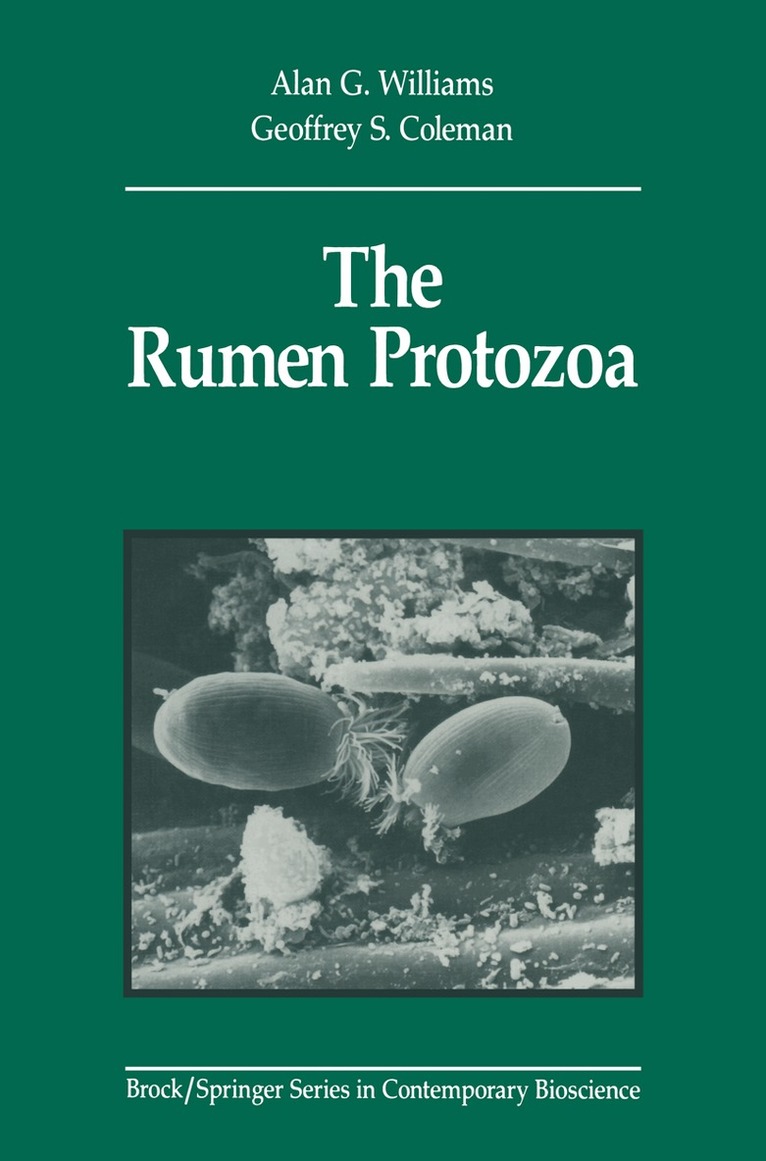
All ruminants are dependent on the microorganisms that live in their forestomach - the rumen - to break down ingested feed constituents into a form that the host animal can utilize. Protozoa are part of this complex ruminal population and are essential for the nutritional well-being and productivity of the host ruminant. Over 30 different genera (nearly 300 species) of protozoa from the rumen ecosystem have been described since their initial discovery nearly 150 years ago. This book brings together, for the first time, the available information on these protozoa. It comprehensively describes the characteristic anatomical features of value for their identification and includes detailed sections on techniques and methodologies for the isolation and cultivation of these fastidious, oxygen-sensitive microorganisms. Their occurrence, biochemistry, physiology, and role in the ruminal ecosystem are fully reviewed. Particular emphasis is given to potential improvement of the nutrition and productivity of the host ruminant through manipulation of the protozoal population and its activities.
1 059 kr
Skickas inom 10-15 vardagar
The most important feature of the modern synthetic theory of evolution is its foundation upon a great variety of biological disciplines. -G. L. STEBBINS, 1968, p. 17 This book is written with the goal of presenting ecologically significant anal ogies between the biology of microorganisms and macroorganisms. I consider such parallels to be important for two reasons. First, they serve to emphasize that however diverse life may be, there are common themes at the ecological level (not to mention other levels). Second, research done with either microbes or macroorganisms has implications which transcend a particular field of study. Although both points may appear obvious, the fact remains that at tempts to forge a conceptual synthesiS are astonishingly meager. While unify ing concepts may not necessarily be strictly correct, they enable one to draw analogies across disciplines. New starting points are discovered as a conse quence, and new ways of looking at things emerge. The macroscopic organisms ('macroorganisms') include most represen tatives of the plant and animal kingdoms. I interpret the term 'microorganism' (microbe) literally to mean the small or microscopic forms of life, and I include in this category the bacteria, the protists (excluding the macroscopic green, brown, and red algae), and the fungi. Certain higher organisms, such as many of the nematodes, fall logically within this realm, but are not discussed at any length.
1 059 kr
Skickas inom 10-15 vardagar
Organic matter in aquatic environments consists mostly of large compounds which cannot be taken up and utilized directly by microbial cells. Prior to incorporation, polymeric materials undergo degradation by cell-bound and extracellular enzymes produced by these microbes; in fact, such enzymatic mobilization and transformation is the key process which regulates the turnover of organic as well as inorganic compounds in aquatic environments. This volume brings together studies on enzymatic degradation processes from disciplines as diverse as water and sediment research, bacterial and algal aquatic ecophysiology, eutrophication, and nutrient cycling and biogeochemistry, in both freshwater and marine ecosystems. Its scope extends from fundamental research exploring the contribution of microbial enzymatic processes to whole ecosystem functioning to practical applications in water biotechnology. The first comprehensive publication providing an overview of this emerging field of enzymology, Microbial Enzymes in Aquatic Environments will be of great interest to ecologists and microbiologists alike.
1 059 kr
Skickas inom 10-15 vardagar
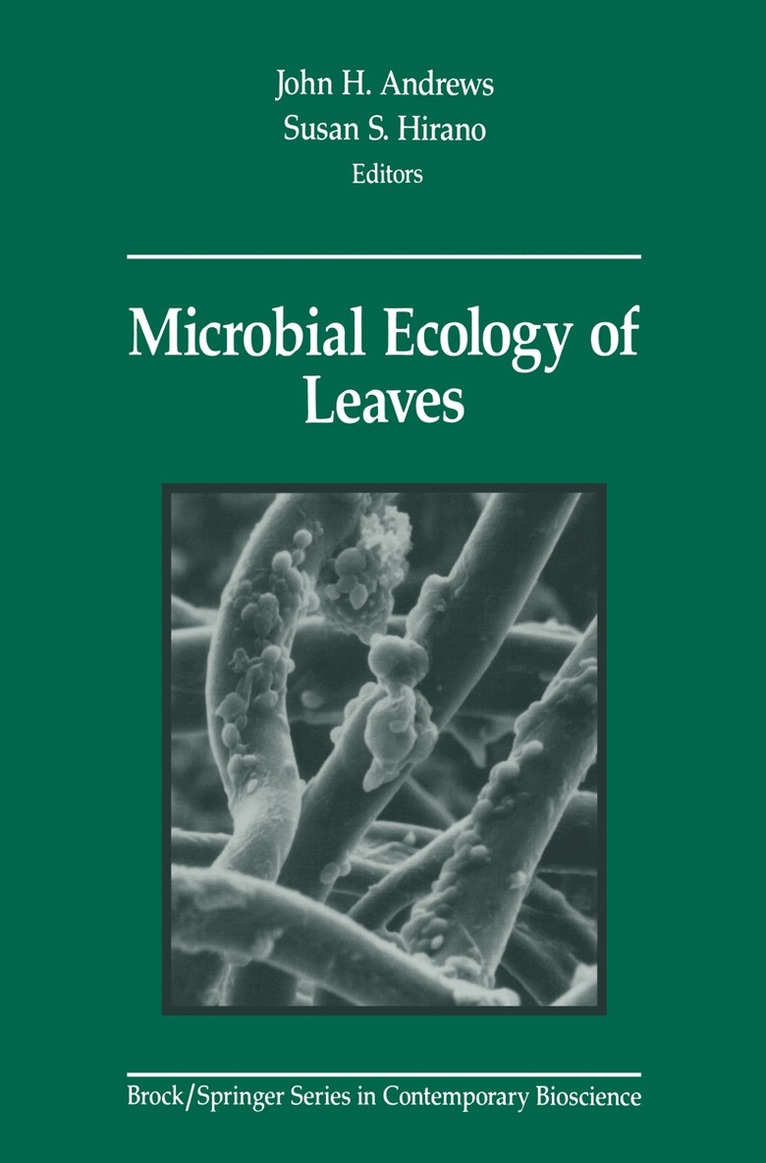
This book is based on symposium addresses given at the 5th International Symposium on the Microbiology of the Phyllosphere, held in Madison, Wisconsin, from 31 July to 3 August 1990. The conference brought together about 100 scientists with diverse interests pertinent to the study of leaves and microbes, including bacteriology, mycology, medical microbiology, ecology, plant pathology, physiology, anatomy, molecular biology, statis- tics, aerobiology, and meteorology. What has been learned since the first conference of the series was convened in 1979 at Newcastle-upon-Tyne, England, by T. F. Preece and C. H. Dickinson? Introductory remarks by N. J. Fokkema (Chapter 1) provide the pers- pective of a plant pathologist about how the discipline has evolved and where we stand now more than 30 years after the pioneering Dutch scien- tist J. Ruinen described the phyllosphere as an "ecologically neglected mili* eu. " The first major section of the book, Part 2, "The Habitat," is comprised of five chapters and considers leaf-microbe relationships in an aerial and an aquatic setting. B. E.Juniper (Chapter 2) sets the stage by reviewing the physical and chemical features of leaves that may influence microbial growth. Aerial movement of microbes to and from leaves is considered by D. E. Pedgley (Chapter 3). The aquatic analog to air as a medium is assessed by R. Goulder and J. H. Baker (Chapter 4). Leaf surface features that influ- ence fungal infection are discussed by E. A. Allen, H. C. Hoch, J. R.
1 375 kr
Skickas inom 10-15 vardagar
Safety is a word that has many connotations, of risk ofa possible accident that is acceptable conjuring up different meanings to different to one person· may not be acceptable to an people. What is safety? A scientist views safety other. This may be one reason why skydiving as a consideration in the design of an exper and mountain climbing are sports that are not iment. A manufacturing plant engineer looks as popular as are, say, boating or skiing. on safety as one of the necessary factors in But even activities that have high levels of developing a manufacturing process. A legis potential risk can be engaged in safely. How lator is likely to see safety as an important part can we minimize risks so that they decrease of an environmental law. A governmental ad to acceptable levels? We can do this by iden ministrator may consider various safety issues tifying sources of hazards and by assessing the when reviewing the environmental conse risks of accidents inherent to these hazards. quences of a proposed project. An attorney Most hazards that are faced in the laboratory may base a negligence suit on safety defects.
1 059 kr
Skickas inom 10-15 vardagar
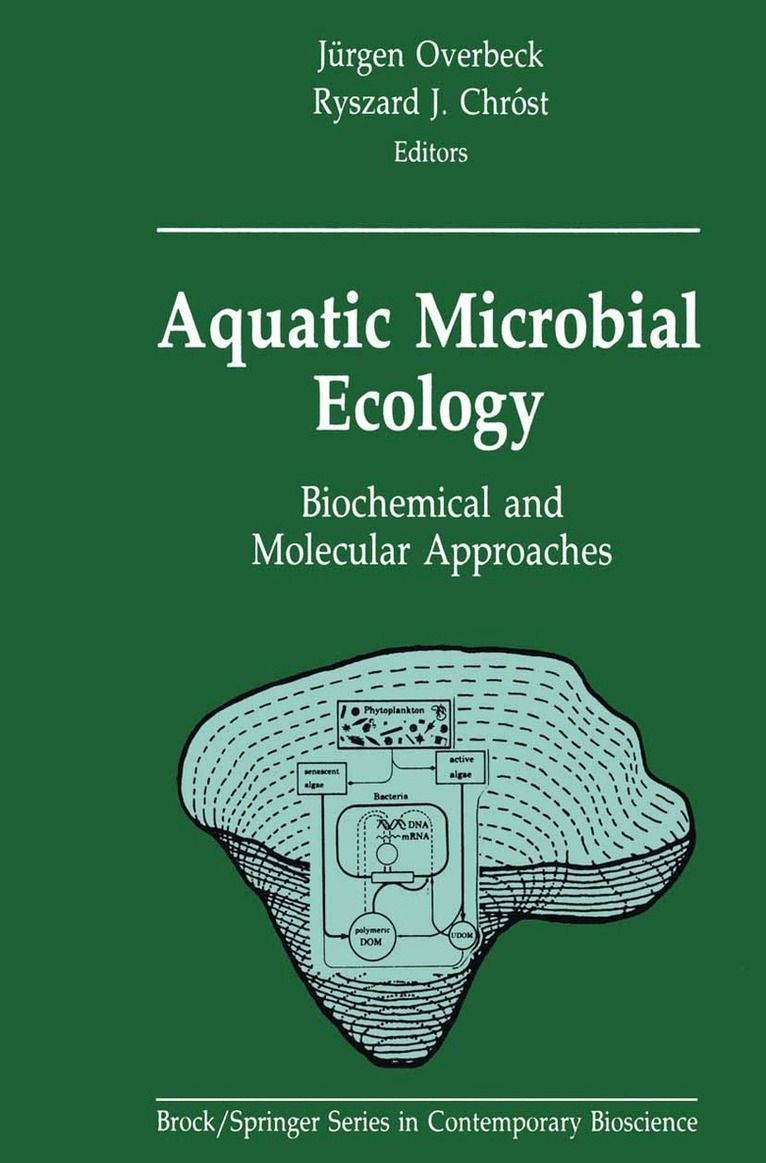
Aquatic microbial ecology, a growing interdisciplinary field, has become increasingly compartmentalized in recent years. The aim of this volume is to propose a framework for biochemical and molecular approaches, which are employed ever more widely in studies of aquatic microbial communities and ecosystem functioning. The book presents state of the art applications of modern molecular research techniques to a range of topics in ectoenzymes microbial carbon metabolism bacterial population dynamics RNA chemotaxonomy of microbial communities plasmids and adaptation to environmental conditions. Written for limnologists, marine biologists, and all researchers interested in environmental microbiology and molecular aspects of ecology, this volume will provide a stimulating introduction to this emerging field.
2 111 kr
Skickas inom 10-15 vardagar
Biologically active compounds isolated from microorganisms continue to be vital to the development of new drugs and agricultural chemicals. This book was prepared by current and past members of the laboratory of Dr. Satoshi Omura of the Kitasato Institute in Japan. Dr. Omura and his colleagues have discovered and studied a number of important antibiotics, and in their work they have pioneered new methods for screening microbes for interesting and important compounds. This book presents strategies and methods for identifying novel molecules with several types of biological activity. In addition, the book discusses the identification of microbial compounds of agrochemical importance, presents information on chemical screening methods, and concludes with chapters on microbial strain selection, fermentation technology, and genetic engineering of antibiotic-producing microorganisms. This book will be of great interest to scientists working in the very active and competitive fields of antibiotic and agrochemical discovery.
1 632 kr
Skickas inom 10-15 vardagar
The microbiology of drinking water remains an important worldwide concern despite modem progress in science and engineering. Countries that are more technologically advanced have experienced a significant reduction in water borne morbidity within the last 100 years: This reduction has been achieved through the application of effective technologies for the treatment, disinfec tion, and distribution of potable water. However, morbidity resulting from the ingestion of contaminated water persists globally, and the available ep idemiological evidence (Waterborne Diseases in the United States, G. F. Craun, ed. , 1986, CRC Press) demonstrates a dramatic increase in the number of waterborne outbreaks and individual cases within the United States since the mid-1960s. In addition, it should also be noted that the incidence of water borne outbreaks of unknown etiology and those caused by "new" pathogens, such as Campylobaeter sp. , is also increasing in the United States. Although it might bedebated whether these increases are real or an artifact resulting from more efficient reporting, it is clear that waterborne morbidity cannot be ignored in the industrialized world. More significantly, it represents one of the most important causes of illness within developing countries. Approxi mately one-half the world's population experiences diseases that are the direct consequence of drinking polluted water. Such illnesses are the primary cause of infant mortality in many Third World countries.
1 059 kr
Skickas inom 10-15 vardagar
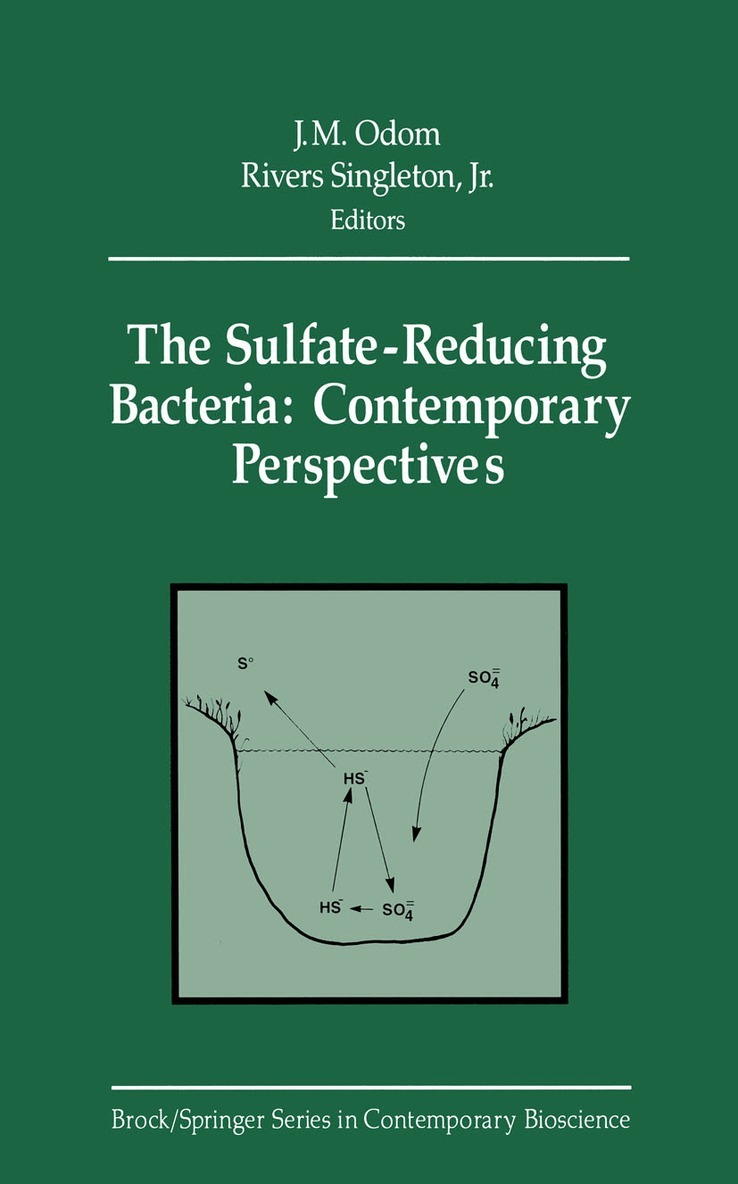
Sulfate-reducing bacteria comprise a diverse and ecologically interactive group of anaerobic prokaryotes which share an extraordinary trait: growth by sulfate respiration with hydrogen sulfide as a major end-product. Sulfate-reducers are found in diverse environments ranging from estuaries to geological oil-bearing formations. They have attracted considerable scientific and commercial interest. These organisms have been actively investigated by researchers in microbial energetics, protein chemistry, ecology and more recently molecular biology. This interest has increased greatly over the past decade, and this volume presents the first book-length summary of our knowledge of sulfate-reducing bacteria in nearly 10 years. Featuring an introduction by the eminent microbiologist John Postgate and comprehensive reviews from recognized authorities, this book will be of interest to microbiologists with interests in physiology, evolution, and ecology.
549 kr
Skickas inom 10-15 vardagar
The field of bacterial genetics has been restricted for many years to Escherichia coli and a few other genera of aerobic or facultatively anaerobic bacteria such as Pseudomonas, Bacillus, and Salmonella. The prevailing view up to recent times has been that anaerobic bacteria are interesting organisms but nothing is known about their genetics. To most microbiologists, anaerobic bacteria appeared as a sort of distant domain, reserved for occasional intrusions by taxonomists and medical microbiologists. By the mid-1970s, knowledge of the genetics and molecular biology of anaerobes began to emerge, and then developed rapidly. but also im This was the result of advances in molecular biology techniques, portantly because of improvements in basic techniques for culturing anaerobes and for understanding their biochemistry and other areas of in terest. Investigations in this field were also stimulated by a renewal of interest in their ecology, their role in pathology and in biotransformations, and in the search for alternative renewable sources of energy. The initial idea for this book came from Thomas D. Brock. When Dr. Brock requested my opinion about two years ago on the feasibility of publishing a book on the genetics of anaerobic bacteria, as a part of the Brock/Springer Series in Contemporary Bioscience, I answered positively but I was apprehen sive about assuming the role of editor. However, I was soon reassured by the enthusiastic commitment of those I approached to contribute. Eventually, thanks to the caring cooperation of the contributors, the task became relatively easy.
1 061 kr
Skickas inom 10-15 vardagar
Hypersaline environments are the principal habitats of petroleum deposition. They are also of intense evolutionary and ecological interest. This book presents a cross-disciplinary examination of the variety of halophilic microorganisms and their roles in modifying the ecology and geochemistry of hypersaline environments. The book also covers in detail the various inland and coastal habitats where halophilic microorganisms thrive. Geographically, hypersaline environments extend from the tropics to the poles, and from the terrestrial to the submarine. Organisms capable of living in such environments have faced unique evolutionary challenges.
1 061 kr
Skickas inom 10-15 vardagar
All relevant ecological aspects of plankton, especially seasonal changes in the species composition, the role of competition for limiting resources in species replacements, the role of parasitism, predation and competition in seasonal succession are treated in detail considering phytoplankton, zooplankton and bacteroplankton. In addition to its use as a valid reference book for plankton ecology, this monograph may well be used as a model for other kinds of ecological communities.
1 061 kr
Skickas inom 10-15 vardagar
The vast majority of the world's lakes are small in size and short lived in geological terms. Only 253 of the thousands of lakes on this planet have surface areas larger than 500 square kilometers. At first sight, this statistic would seem to indicate that large lakes are relatively unimportant on a global scale; in fact, however, large lakes contain the bulk of the liquid surface freshwater of the earth. Just Lake Baikal and the Laurentian Great Lakes alone contain more than 38% of the world's total liquid freshwater. Thus, the large lakes of the world accentuate an important feature of the earth's freshwater reserves-its extremely irregular distribution. The energy crisis of the 1970s and 1980s made us aware of the fact that we live on a spaceship with finite, that is, exhaustible resources. On the other hand, the energy crisis led to an overemphasis on all the issues concerning energy supply and all the problems connected with producing new energy. The energy crisis also led us to ignore strong evidence suggesting that water of appropriate quality to be used as a resouce will be used up more quickly than energy will. Although in principle water is a "renewable resource," the world's water reserves are diminishing in two fashions, the effects of which are multiplicative: enhanced consumption and accelerated degradation of quality.