Bucknell Studies in Eighteenth Century Literature and Culture – serie
Visar alla böcker i serien Bucknell Studies in Eighteenth Century Literature and Culture. Handla med fri frakt och snabb leverans.
3 produkter
3 produkter
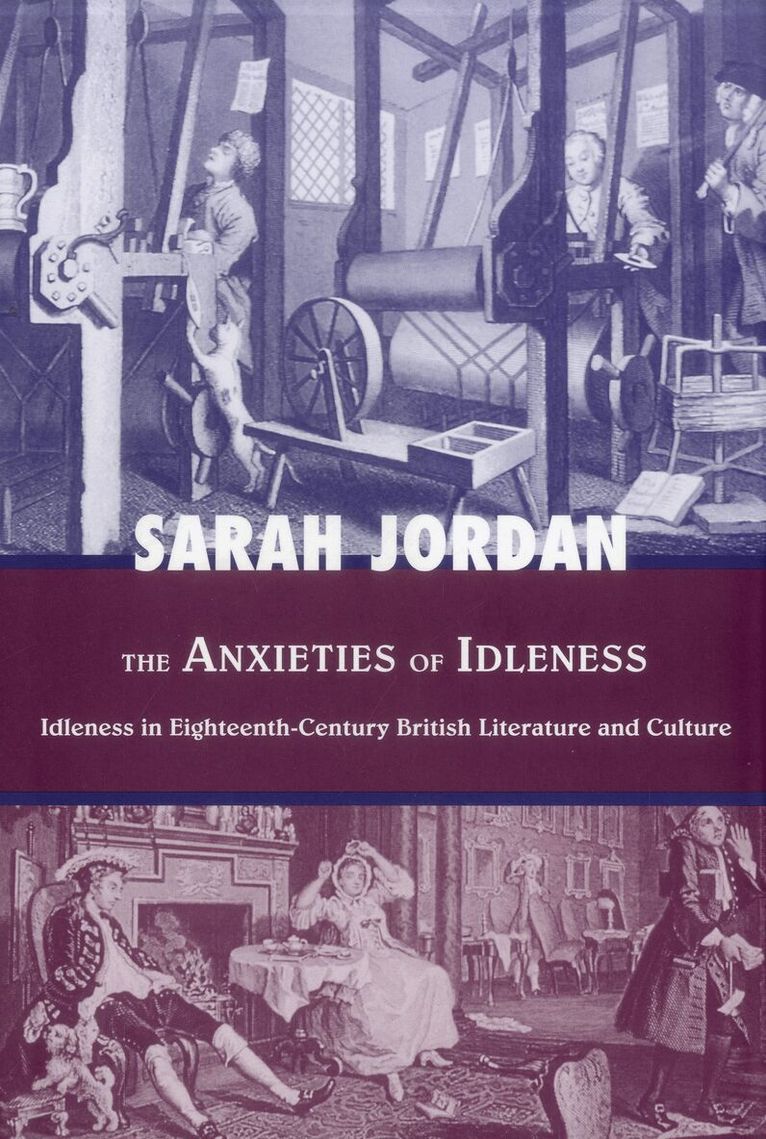
Anxieties of Idleness
Idleness in Eighteenth-Century British Literature and Culture
Inbunden, Engelska, 2003
1 467 kr
Skickas inom 10-15 vardagar
The Anxieties of Idleness: Idleness in Eighteenth-Century British Literature and Culture investigates the preoccupation with idleness that haunts the British eighteenth century. Sarah Jordan argues that as Great Britain began to define itself as a nation during this period, one important quality it claimed for itself was industriousness. But this claim was undermined and complicated by, among other factors, the importance of leisure to the upholding of class status, thus making idleness a subject of intense anxiety. One result of this anxiety was an increased surveillance of the supposed idleness of marginalized and less powerful members of society: the working classes, the nonwhite races, and women.In a widely researched and elegantly argued book, Jordan analyzes how idleness is figured in eighteenth-century literature and culture, including both traditional forms of literature and a wide variety of other cultural discourses. At the center of this account, Jordan investigates the lives and works of Johnson, Cowper, Thomson, and many other, lesser known writers. She incorporates their obsession with idleness into a new and lucid theorization of the professionalization of writing and the place of idleness and industry in the larger cultural formation that was eighteenth-century British identity.
1 365 kr
Skickas inom 7-10 vardagar
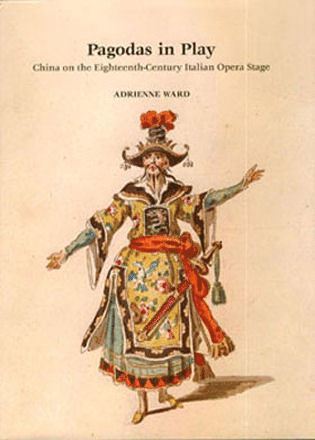
Pagodas in Play examines the representation of China in nine Italian operas of the eighteenth century. It focuses specifically on libretti, analyzing them as texts produced in a variety of interpenetrating cultural contexts: the general European fascination with the Middle Kingdom; developments in Italian literary, theatrical, and operatic realms; Enlightenment ideologies; and the heterogeneity of the Italian states. With exemplary scholarship Adrienne Ward explores how Italians appropriated prevailing notions about the Celestial Empire and used them productively in a form of entertainment widely comprehensible in eighteenth-century Europe. The Chinese characters, places, objects, and ideas staged in Italian heroic operas (opera serie) and comic operas (opera buffe) provide a rich picture of how such authors as Pietro Metastasio, Apostolo Zeno, Carlo Goldoni, Giambattista Lorenzi, and Domenico Lalli conceived of the Celestial Empire. Furthermore, the texts and performance practices tell a detailed story about China's versatile role in how Italians addressed local and transnational developments. Ward demonstrates how the fertile exploitation of perceptions of China in Settecento Italian opera challenges the idea that only in the twentieth century has Orientalism shifted from a geographical paradigm to one in which essentialist characteristics are deterritorialized and manipulated in the interests of competing new world elites. Indeed, discrete conceptualizations of Chineseness were mobilized for local purposes, far removed from questions of actual East vs. West, and from nationalist and/or colonialist projects. Pagodas in Play will appeal to students and scholars of the Enlightenment, Orientalism, Italian Studies, and Opera Studies, as well as to historians of European sinology, who will be afforded a fascinating view onto a "stage" until now unrevealed.
1 314 kr
Skickas inom 10-15 vardagar
This book addresses the place of women writers in anthologies and other literary collections in eighteenth-century England. It explores and contextualizes the ways in which two different kinds of printed material—poetic miscellanies and biographical collections—complemented one another in defining expectations about the woman writer. Far more than the single-authored text, it was the collection in one form or another that invested poems and their authors with authority. By attending to this fascinating cultural context, Chantel Lavoie explores how women poets were placed posthumously in the world of eighteenth-century English letters. Investigating the lives and works of four well-known poets—Katherine Philips, Aphra Behn, Anne Finch, and Elizabeth Rowe—Lavoie illuminates the ways in which celebrated women were collected alongside their poetry, the effect of collocation on individual reputations, and the intersection between bibliography and biography as female poets themselves became curiosities. In so doing, Collecting Women contributes to the understanding of the intersection of cultural history, canon formation, and literary collecting in eighteenth-century England.