Science in Culture, c.350 – c.1750 – serie
Visar alla böcker i serien Science in Culture, c.350 – c.1750. Handla med fri frakt och snabb leverans.
2 produkter
2 produkter
1 072 kr
Skickas inom 7-10 vardagar
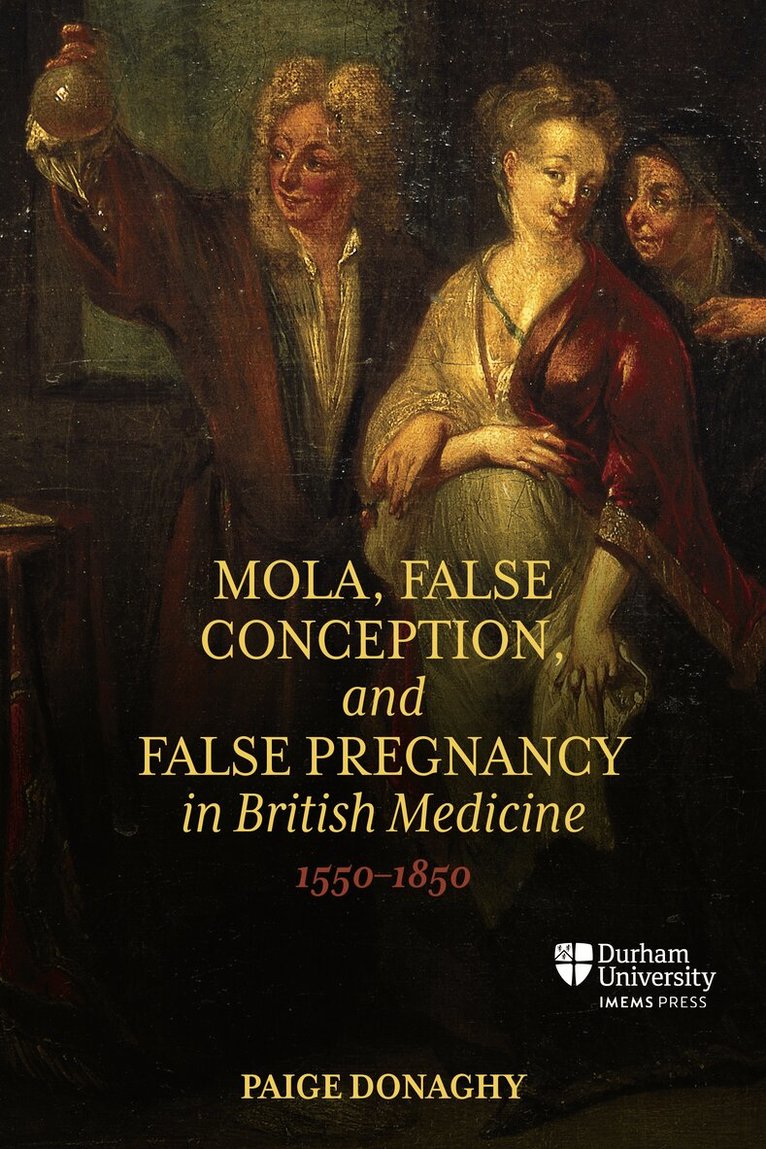
When reproduction defied certainty, it unsettled medicine, law, and belief. This book reveals how ambiguous pregnancies reshaped knowledge, emotion, and the cultural meaning of conception across centuries.Across the long durée of the early-modern period, British medical practitioners and society at large were preoccupied with the elusive phenomenon of "false generation"-a term encompassing false conceptions, molae, moles, and spurious pregnancies. These non-foetal pregnancies, often indistinguishable from true gestations, generated profound uncertainty in medical, legal, and theological thought. Drawing on sources ranging from anatomical treatises and midwifery manuals to women's letters, diaries, and court records, Donaghy traces how false generation shaped reproductive knowledge and understandings of the embodied experience. Through case studies such as Mary I and Joanna Southcott, the book highlights how reproductive ambiguity was not merely a private ordeal but a public and intellectual crisis. Engaging with figures like Galen, Jean Fernel, François Valleriola, and Frederik Ruysch, the book situates British debates within wider contemporaneous European contexts as well as a transhistorical development of medical knowledge. By foregrounding uncertainty as both an emotional and conceptual force, this monograph contributes to the history of emotions, knowledge, and the body. It offers a field-defining account of how false generation unsettled assumptions about life, conception, and pregnancy, and how these ideas evolved into modern categories such as molar pregnancy. The book speaks directly to current debates in reproductive justice and healthcare, while presenting a compelling case for the historical contingency of reproductive knowledge and the diverse ways it has been shaped by cultural, scientific, and experiential factors.
1 072 kr
Skickas inom 7-10 vardagar
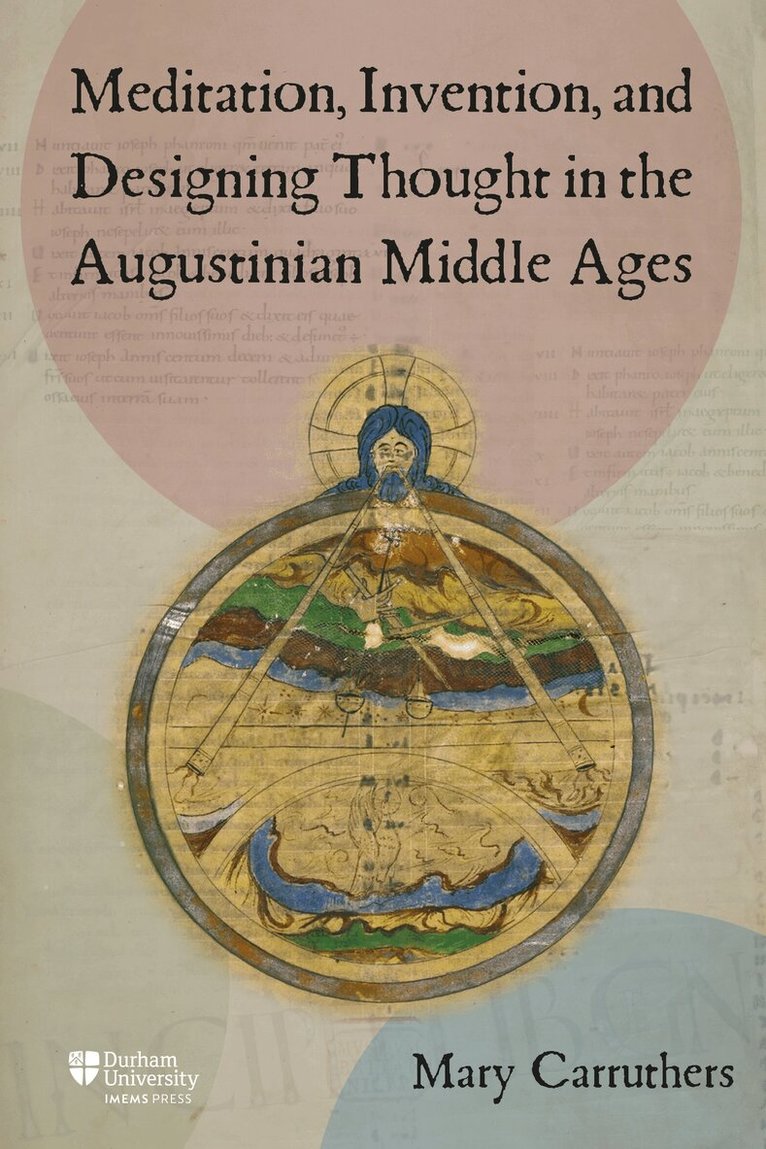
A fresh perspective on how early scholars perceived the cosmos and the nature of knowledge through a tour-de-force study of the central role geometry played in medieval creativity.Geometry, rhetoric and creativity were intricately linked in medieval thought. Early thinkers integrated mathematical and linguistic frameworks in their attempts to understand both divine and human creation with geometry providing the means through which these scholars tackled everything from theological speculation to the medieval art of "Invention". Through detailed explorations of the works of figures such as Augustine, Calcidius and Cassiodorus, this book reveals how medieval thinkers conceptualized beginnings-not as fixed points but as unfolding processes with metaphors of weaving, mapping and journeying reflecting how these scholars navigated the act of creation, whether that terrestrial or cosmological. Engaging with philosophy, theology and intellectual history, this work offers fresh insights into how medieval minds reconciled the limits of human understanding with the vast complexity of the universe. In doing so, it challenges modern assumptions about the separation of mathematical and linguistic thinking, demonstrating the dynamic, process-oriented nature of medieval ideas about the mind and the procedures of thinking.