Cambridge Studies in Archaeology - Böcker
Visar alla böcker i serien Cambridge Studies in Archaeology. Handla med fri frakt och snabb leverans.
13 produkter
13 produkter
387 kr
Skickas inom 7-10 vardagar
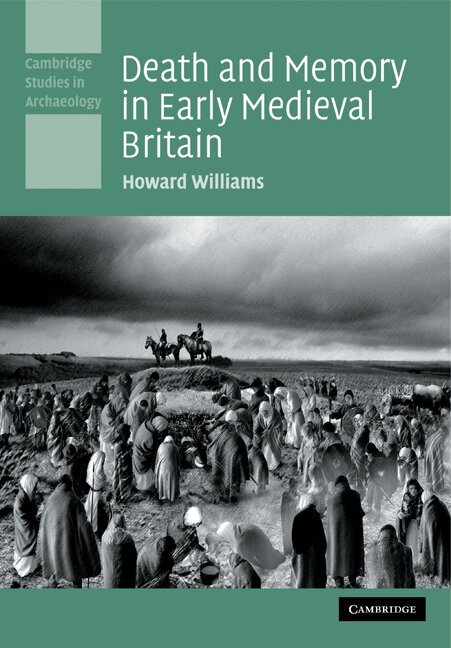
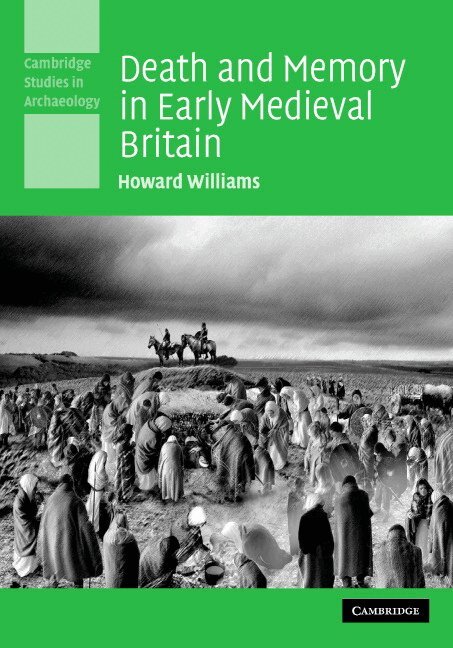
How were the dead remembered in early medieval Britain? Originally published in 2006, this innovative study demonstrates how perceptions of the past and the dead, and hence social identities, were constructed through mortuary practices and commemoration between c. 400-1100 AD. Drawing on archaeological evidence from across Britain, including archaeological discoveries, Howard Williams presents a fresh interpretation of the significance of portable artefacts, the body, structures, monuments and landscapes in early medieval mortuary practices. He argues that materials and spaces were used in ritual performances that served as 'technologies of remembrance', practices that created shared 'social' memories intended to link past, present and future. Through the deployment of material culture, early medieval societies were therefore selectively remembering and forgetting their ancestors and their history. Throwing light on an important aspect of medieval society, this book is essential reading for archaeologists and historians with an interest in the early medieval period.
482 kr
Skickas inom 7-10 vardagar
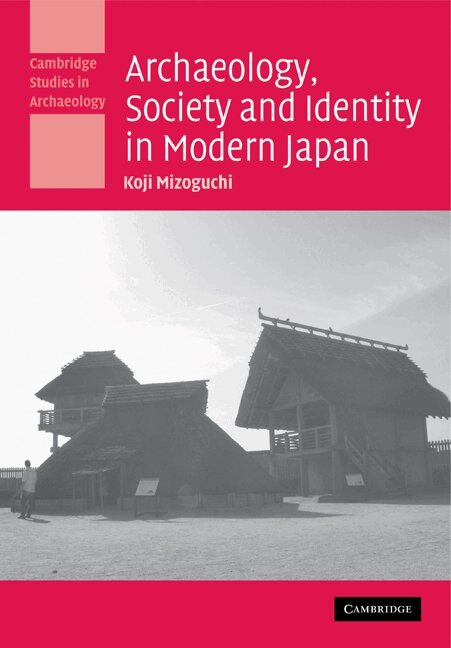
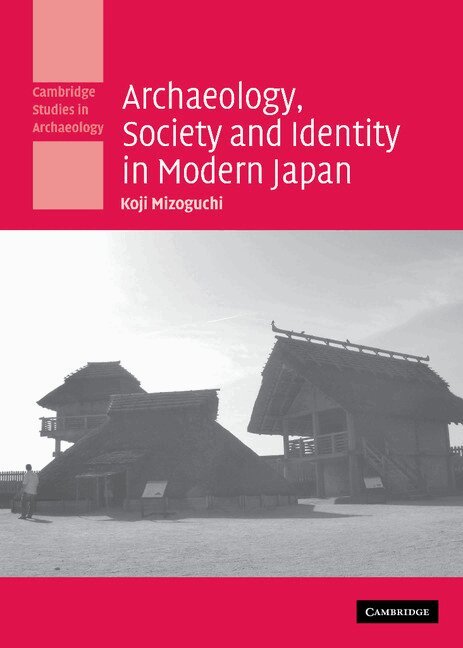
This bold and illuminating study examines the role of archaeology in the formation of the modern Japanese nation and explores the processes by which archaeological practice is shaped by national social and intellectual discourse. Leading Japanese archaeologist Koji Mizoguchi argues that an understanding of the past has been a central component in the creation of national identities and modern nation states and that, since its emergence as a distinct academic discipline in the modern era, archaeology has played an important role in shaping that understanding. By examining in parallel the uniquely intense process of modernisation experienced by Japan and the history of Japanese archaeology, Mizoguchi explores the close interrelationship between archaeology, society and modernity, helping to explain why we do archaeology in the way that we do. This book is essential reading for anybody with an interest in the history of archaeology or modern Japan.
A Social Archaeology of Households in Neolithic Greece
An Anthropological Approach
Inbunden, Engelska, 2008
1 228 kr
Skickas inom 7-10 vardagar
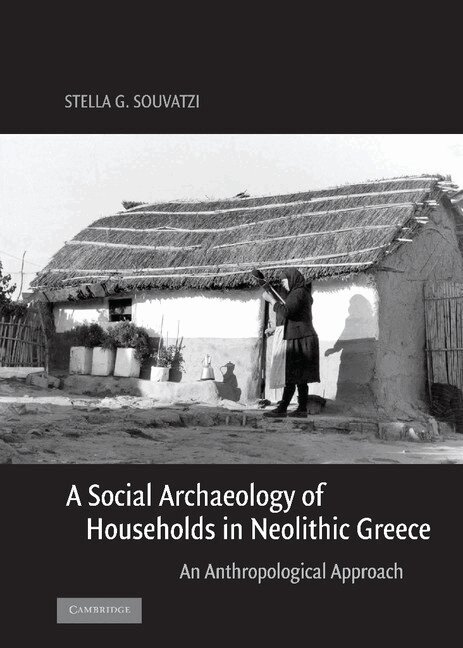
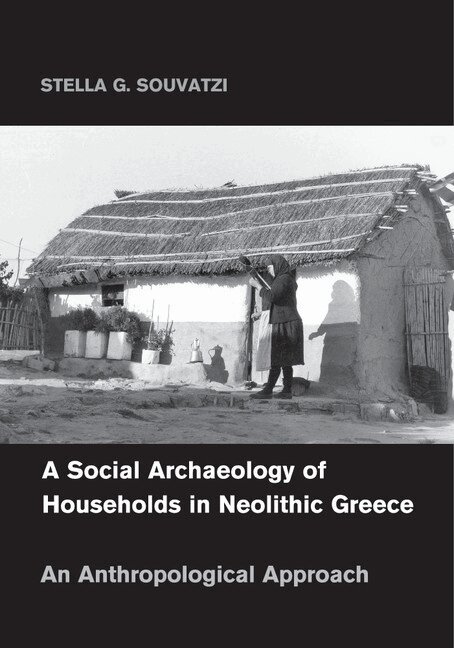
The study of households and everyday life is increasingly recognized as fundamental in social archaeological analysis. This volume addresses the household as a process and as a conceptual and analytical means through which we can interpret social organization from the bottom up. Using detailed case studies from Neolithic Greece, Stella Souvatzi examines how the household is defined socially, culturally and historically; she discusses household and community, variability, production and reproduction, individual and collective agency, identity, change, complexity and integration. Her study is enriched by an in-depth discussion of the framework for the household in the social sciences and the synthesis of many anthropological, historical and sociological examples. It reverses the view of the household as passive, ahistorical and stable, showing it instead to be active, dynamic and continually shifting.
1 268 kr
Skickas inom 7-10 vardagar
How were the dead remembered in early medieval Britain? Originally published in 2006, this innovative study demonstrates how perceptions of the past and the dead, and hence social identities, were constructed through mortuary practices and commemoration between c. 400-1100 AD. Drawing on archaeological evidence from across Britain, including archaeological discoveries, Howard Williams presents a fresh interpretation of the significance of portable artefacts, the body, structures, monuments and landscapes in early medieval mortuary practices. He argues that materials and spaces were used in ritual performances that served as 'technologies of remembrance', practices that created shared 'social' memories intended to link past, present and future. Through the deployment of material culture, early medieval societies were therefore selectively remembering and forgetting their ancestors and their history. Throwing light on an important aspect of medieval society, this book is essential reading for archaeologists and historians with an interest in the early medieval period.
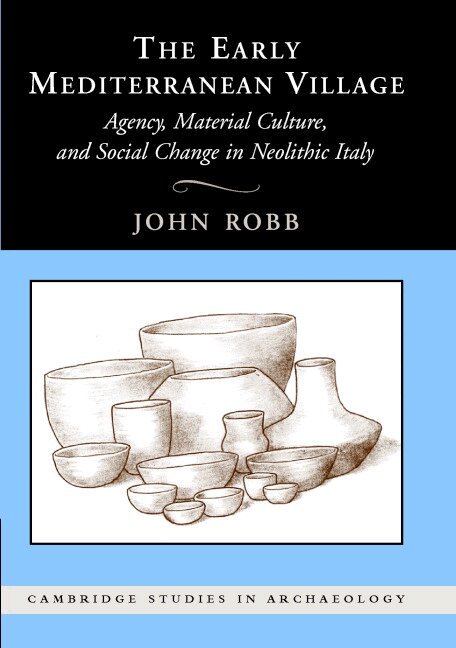
The Early Mediterranean Village
Agency, Material Culture, and Social Change in Neolithic Italy
Inbunden, Engelska, 2007
889 kr
Skickas inom 7-10 vardagar
What was daily life like in Italy between 6000 and 3500 BC? In this book, first published in 2007, John Robb brings together the archaeological evidence on a wide range of aspects of life in Neolithic Italy and surrounding regions (Sicily and Malta). Exploring how the routines of daily life structured social relations and human experience during this period, Robb provides a detailed analysis of how people built houses, buried their dead, made and shared a distinctive cuisine, and made the pots and stone tools that archaeologists find. He also addresses questions of regional variation and long-term change, showing how the sweeping changes at the end of the Neolithic were rooted in and transformed the daily practices of earlier periods. Robb links the agency of daily life and the reproduction of social relations with long-term patterns in European prehistory.
1 228 kr
Skickas inom 7-10 vardagar
This bold and illuminating study examines the role of archaeology in the formation of the modern Japanese nation and explores the processes by which archaeological practice is shaped by national social and intellectual discourse. Leading Japanese archaeologist Koji Mizoguchi argues that an understanding of the past has been a central component in the creation of national identities and modern nation states and that, since its emergence as a distinct academic discipline in the modern era, archaeology has played an important role in shaping that understanding. By examining in parallel the uniquely intense process of modernisation experienced by Japan and the history of Japanese archaeology, Mizoguchi explores the close interrelationship between archaeology, society and modernity, helping to explain why we do archaeology in the way that we do. This book is essential reading for anybody with an interest in the history of archaeology or modern Japan.
726 kr
Skickas inom 7-10 vardagar
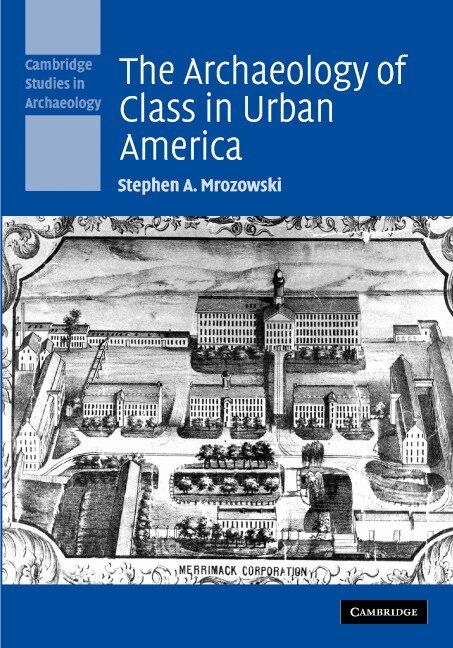
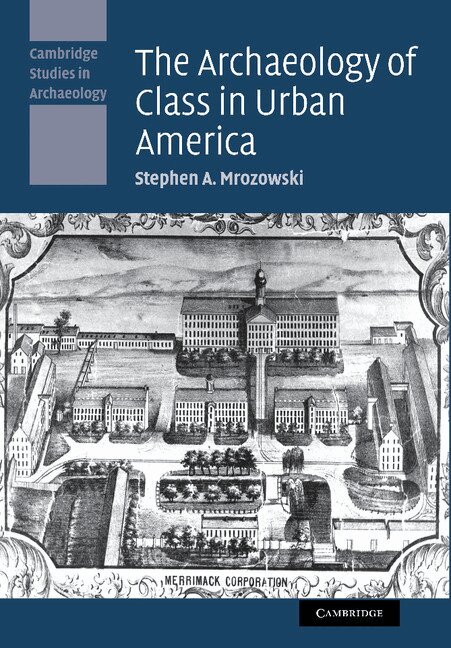
No examination of contemporary urban communities would be complete without the discussion of class identity. But how did class identity inform the urban communities of yesteryear? Taking Newport, Rhode Island in the eighteenth century and Lowell, Massachusetts in the nineteenth century, at the peak of their economic powers when they represented some of the purist forms of capitalist production in North America, as case studies, this book explores the material and biological manifestations of class identity. Stephen Mrozowski uses a combination of documentary research, material cultural studies, and environmental archaeology to probe the lives of artisans, merchants, and mill workers in these urban communities. Taking an interdisciplinary approach to fully examine burgeoning notions of class, he offers significant insights into the factors shaping those notions. This engaging study, supported throughout by tables, illustrations and graphs, is required reading for all students of urban history and historical archaeology.
1 228 kr
Tillfälligt slut
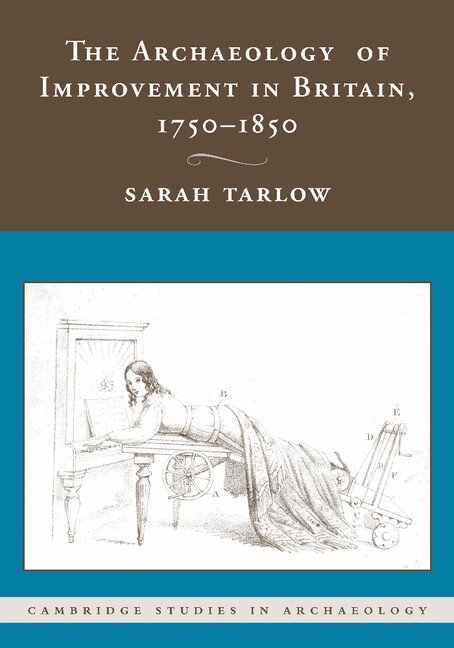
In this innovative 2007 study, Sarah Tarlow shows how the archaeology of this period manifests a widespread and cross-cutting ethic of improvement. Theoretically informed and drawn from primary and secondary sources in a range of disciplines, the author considers agriculture and the rural environment, towns, and buildings such as working-class housing and institutions of reform. From bleach baths to window glass, rubbish pits to tea wares, the material culture of the period reflects a particular set of values and aspirations. Tarlow examines the philosophical and historical background to the notion of improvement and demonstrates how this concept is a useful lens through which to examine the material culture of later historical Britain.
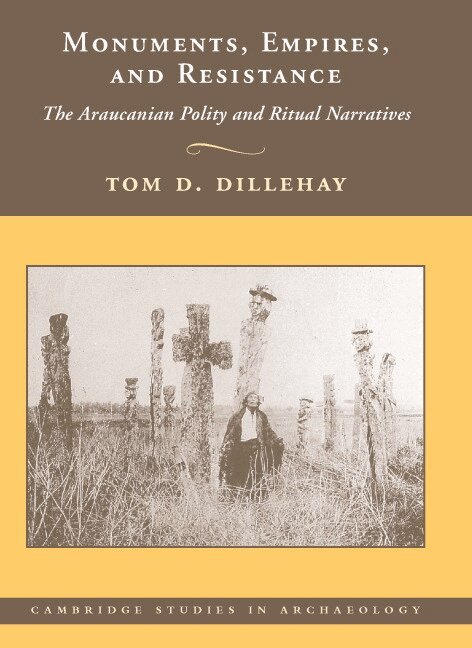
Monuments, Empires, and Resistance
The Araucanian Polity and Ritual Narratives
Inbunden, Engelska, 2007
1 634 kr
Skickas inom 7-10 vardagar
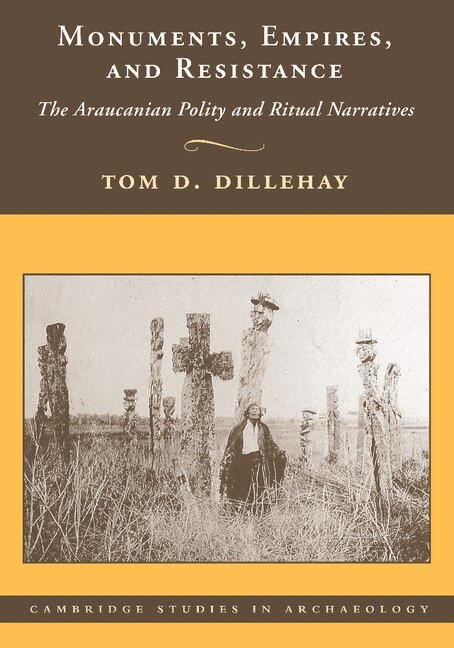
From AD 1550 to 1850, the Araucanian polity in southern Chile was a center of political resistance to the intruding Spanish empire. In this book, Tom D. Dillehay examines the resistance strategies of the Araucanians and how they used mound building and other sacred monuments to reorganize their political and culture life in order to unite against the Spanish. Drawing on anthropological research conducted over three decades, Dillehay focuses on the development of leadership, shamanism, ritual, and power relations. His study combines developments in social theory with the archaeological, ethnographic, and historical records. Both theoretically and empirically informed, this book is a fascinating account of the only indigenous ethnic group to successfully resist outsiders for more than three centuries and to flourish under these conditions.
563 kr
Skickas inom 7-10 vardagar
In this innovative 2007 study, Sarah Tarlow shows how the archaeology of this period manifests a widespread and cross-cutting ethic of improvement. Theoretically informed and drawn from primary and secondary sources in a range of disciplines, the author considers agriculture and the rural environment, towns, and buildings such as working-class housing and institutions of reform. From bleach baths to window glass, rubbish pits to tea wares, the material culture of the period reflects a particular set of values and aspirations. Tarlow examines the philosophical and historical background to the notion of improvement and demonstrates how this concept is a useful lens through which to examine the material culture of later historical Britain.
482 kr
Skickas inom 7-10 vardagar
No examination of contemporary urban communities would be complete without the discussion of class identity. But how did class identity inform the urban communities of yesteryear? Taking Newport, Rhode Island in the eighteenth century and Lowell, Massachusetts in the nineteenth century, at the peak of their economic powers when they represented some of the purist forms of capitalist production in North America, as case studies, this book explores the material and biological manifestations of class identity. Stephen Mrozowski uses a combination of documentary research, material cultural studies, and environmental archaeology to probe the lives of artisans, merchants, and mill workers in these urban communities. Taking an interdisciplinary approach to fully examine burgeoning notions of class, he offers significant insights into the factors shaping those notions. This engaging study, supported throughout by tables, illustrations and graphs, is required reading for all students of urban history and historical archaeology.
631 kr
Skickas inom 7-10 vardagar
From AD 1550 to 1850, the Araucanian polity in southern Chile was a center of political resistance to the intruding Spanish empire. In this book, Tom D. Dillehay examines the resistance strategies of the Araucanians and how they used mound building and other sacred monuments to reorganize their political and culture life in order to unite against the Spanish. Drawing on anthropological research conducted over three decades, Dillehay focuses on the development of leadership, shamanism, ritual, and power relations. His study combines developments in social theory with the archaeological, ethnographic, and historical records. Both theoretically and empirically informed, this book is a fascinating account of the only indigenous ethnic group to successfully resist outsiders for more than three centuries and to flourish under these conditions.
A Social Archaeology of Households in Neolithic Greece
An Anthropological Approach
Häftad, Engelska, 2014
441 kr
Skickas inom 7-10 vardagar
The study of households and everyday life is increasingly recognized as fundamental in social archaeological analysis. This volume addresses the household as a process and as a conceptual and analytical means through which we can interpret social organization from the bottom up. Using detailed case studies from Neolithic Greece, Stella Souvatzi examines how the household is defined socially, culturally and historically; she discusses household and community, variability, production and reproduction, individual and collective agency, identity, change, complexity and integration. Her study is enriched by an in-depth discussion of the framework for the household in the social sciences and the synthesis of many anthropological, historical and sociological examples. It reverses the view of the household as passive, ahistorical and stable, showing it instead to be active, dynamic and continually shifting.