Children in Charge – serie
Visar alla böcker i serien Children in Charge. Handla med fri frakt och snabb leverans.
6 produkter
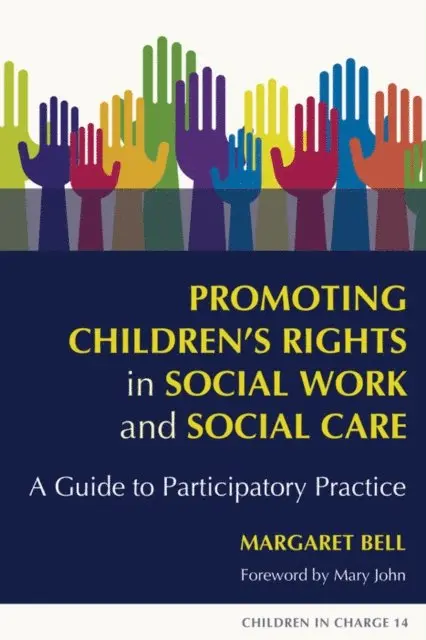
Promoting Children's Rights in Social Work and Social Care
A Guide to Participatory Practice
E-bok, 2011
408 kr
Lägg i varukorg
Children have a right enshrined within the UN Convention on the Rights of the Child to participate in decisions that affect them, and their participation in social care services can have a positive impact on their own self-esteem and confidence, but also the quality of service and decisions made by …
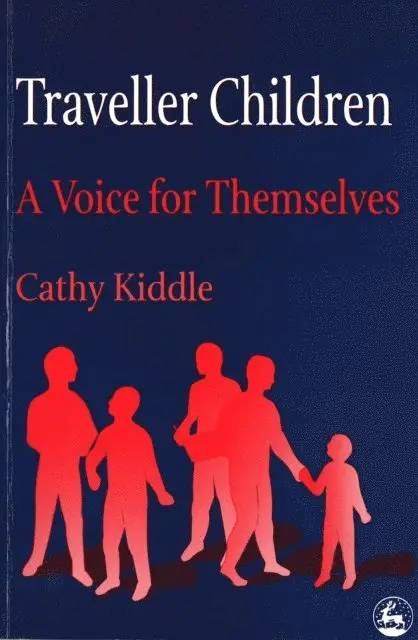
Traveller Children
A Voice for Themselves
Av Cathy Kiddle
E-bok, 1999
351 kr
Lägg i varukorg
Over the last twenty-five years there has been an unprecedented expansion of opportunity for Traveller and Gypsy children to attend school. Educational outreach services have developed in parallel with an increased willingness on the part of parents to put their children into school. Cathy Kiddle …
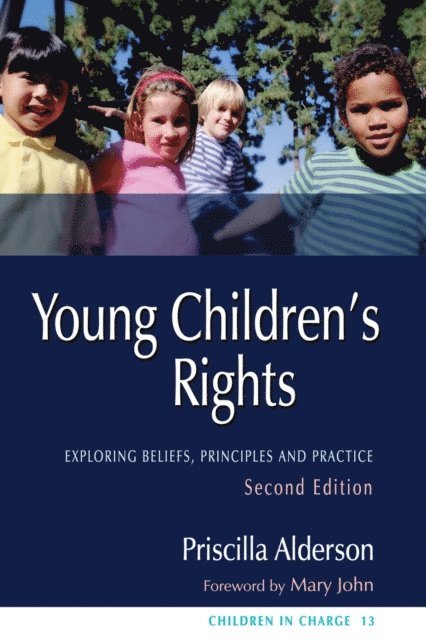
Young Children's Rights
Exploring Beliefs, Principles and Practice
Häftad, 2008
523 kr
Lägg i varukorg
Published in association with Save the ChildrenPriscilla Alderson examines the often overlooked issue of the rights of young children, starting with the question of how the 1989 UN Convention on the Rights of the Child applies to the youngest children, from birth to eight years of age. The question …
Promoting Children's Rights in Social Work and Social Care
A Guide to Participatory Practice
Häftad, 2011
437 kr
Lägg i varukorg
Children have a right enshrined within the UN Convention on the Rights of the Child to participate in decisions that affect them, and their participation in social care services can have a positive impact on their own self-esteem and confidence, but also the quality of service and decisions made by …
Young Children's Rights
Exploring Beliefs, Principles and Practice
E-bok, 2008
443 kr
Lägg i varukorg
Published in association with Save the ChildrenPriscilla Alderson examines the often overlooked issue of the rights of young children, starting with the question of how the 1989 UN Convention on the Rights of the Child applies to the youngest children, from birth to eight years of age. The question …
Traveller Children
A Voice for Themselves
Av Cathy Kiddle
Häftad, 1999
429 kr
Lägg i varukorg
Over the last twenty-five years there has been an unprecedented expansion of opportunity for Traveller and Gypsy children to attend school. Educational outreach services have developed in parallel with an increased willingness on the part of parents to put their children into school. Cathy Kiddle …