
Cine-Aesthetics: New Directions in Film and Philosophy – serie
Visar alla böcker i serien Cine-Aesthetics: New Directions in Film and Philosophy. Handla med fri frakt och snabb leverans.
3 produkter
3 produkter
557 kr
Skickas inom 10-15 vardagar
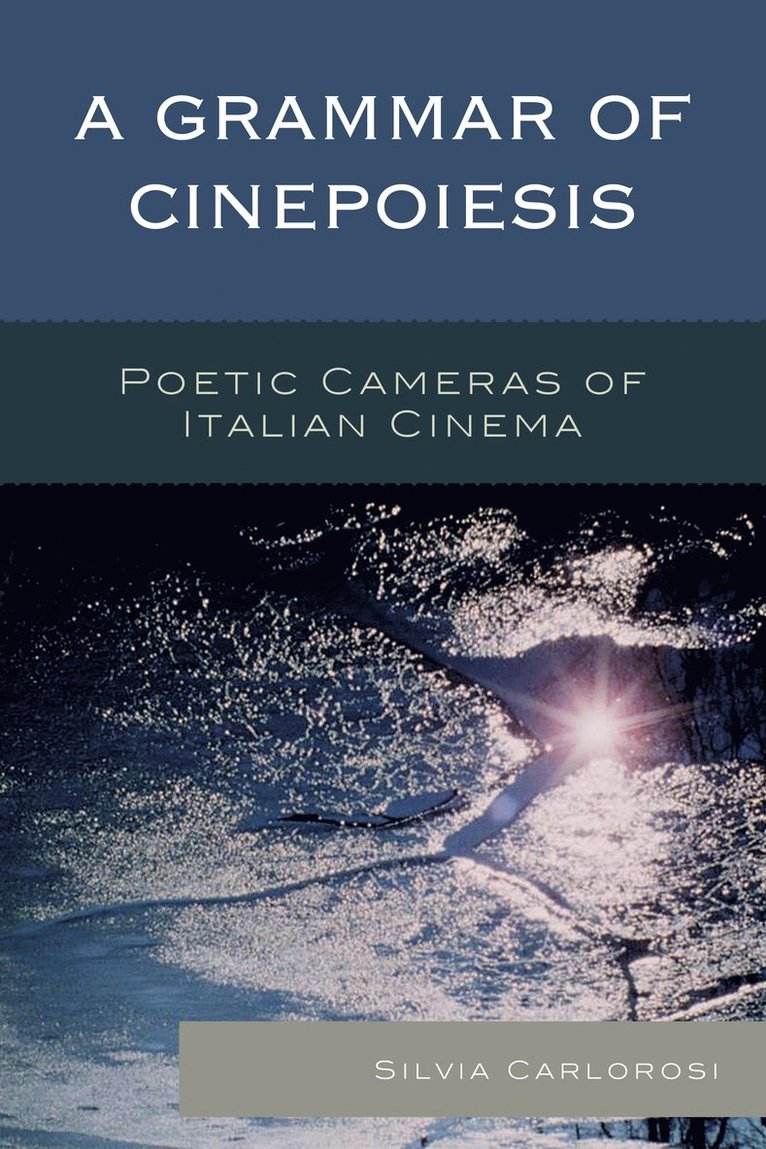
Cinepoiesis, or cinema of poetry, strikes us as a strange combination, a phrase we initially read as an oxymoron. Poetry is often associated with the abstract and the evocative, while cinema suggests the concrete and the visible. Yet, various visual media use strong and often contradictory images, whose symbolic force and visual impact stimulate the public’s attention. Abstract and emblematic images surround us, and the poetic nature of these images lies in the way they speak beyond their apparent limits and stimulate connections on a subjective level. A prosaic world like the contemporary one, though, no longer seems to hold a place for poetry. We are inundated by the need to tell and to be told, the need to build our lives through narratives. But it is precisely here, in this contemporary landscape, that the cinema of poetry attempts to establish a space for itself, exchanging the productive and industrial apparatus for the poetic stimulus of a sensory experience. A Grammar of Cinepoiesis is a theoretical and practical guide to the cinema of poetry, to its tools and forms. It examines how the language of a “cinema of poetry” works both in its theoretical foundations and in its modes of representation, and how it takes shape in the exemplary practice of Italian authors such as Pier Paolo Pasolini, Michelangelo Antonioni, Federico Fellini, and the more recent Franco Piavoli and Matteo Garrone.
488 kr
Skickas inom 10-15 vardagar
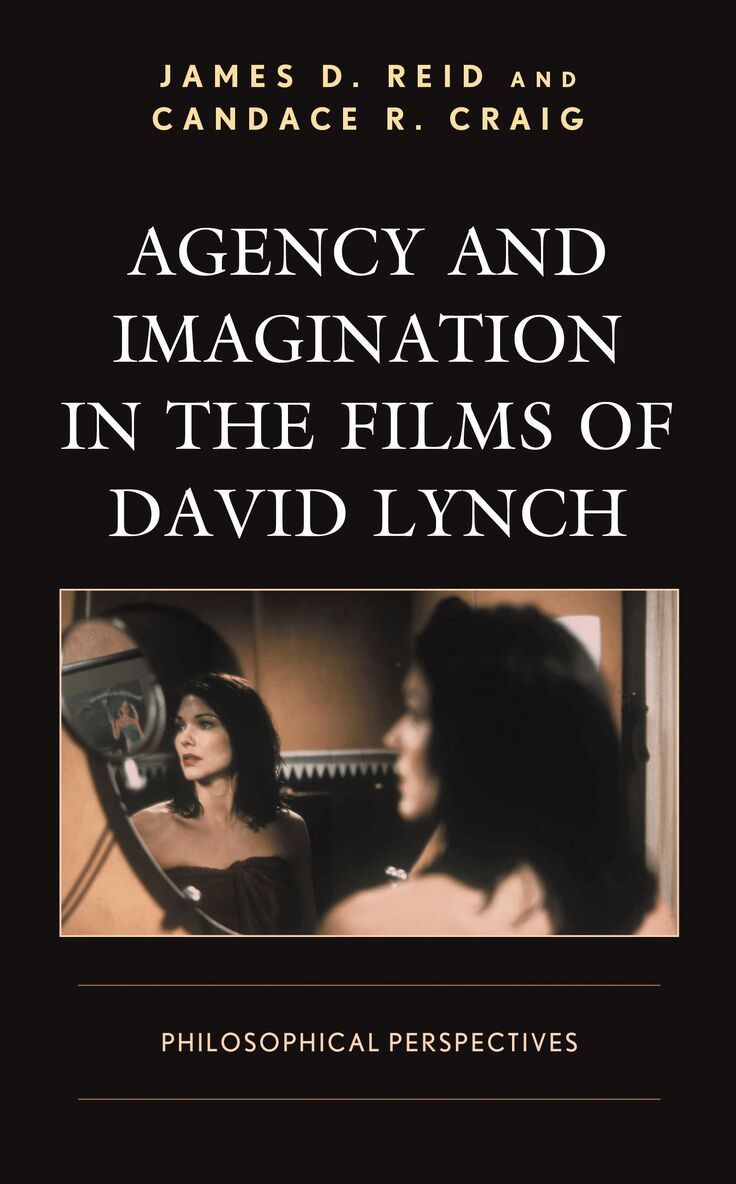
Agency and Imagination in the Films of David Lynch: Philosophical Perspectives offers a sustained philosophical interpretation of the filmmaker’s work in light of classic and contemporary discussions of human agency and the complex relations between our capacity to act and our ability to imagine. With the help of the pathological characters that so often leave their unforgettable mark on Lynch’s films, this book reveals several important ways in which human beings fail to achieve fuller embodiments of agency or seek substitute satisfactions in spaces of fantasy. In keeping with Lynch’s penchant for unconventional narrative techniques, James D. Reid and Candace R. Craig explore the possibility, scope, and limits of the very idea of agency itself and what it might be like to renounce concepts of agency altogether in the interpretation and depiction of human life. In a series of interlocking readings of eight feature-length films and Twin Peaks: The Return that combine suggestive philosophical analysis with close attention to cinematic detail, Reid and Craig make a convincing case for the importance of David Lynch’s work in the philosophical examination of agency, the vagaries of the human imagination, and the relevance of film for the philosophy of human action. Scholars of film studies and philosophy will find this book particularly useful.
1 276 kr
Skickas inom 10-15 vardagar
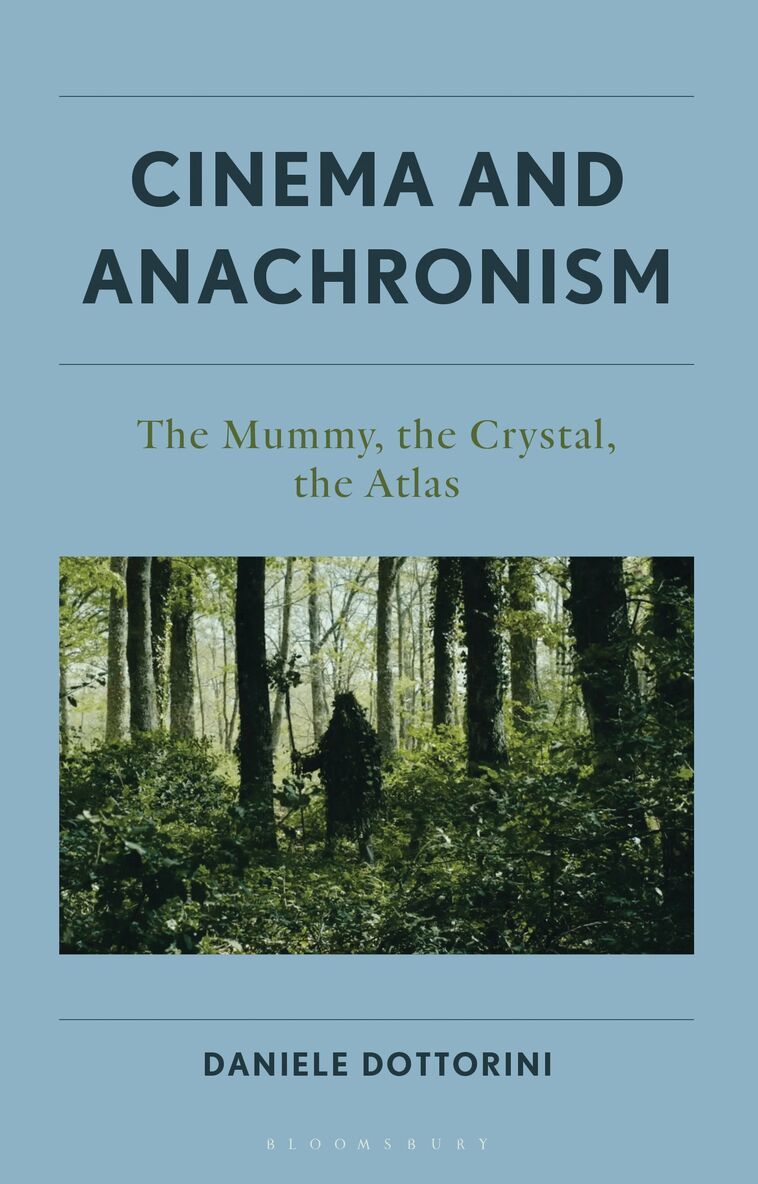
In this book, Daniele Dottorini establishes a starting point toward a theory of the anachronism of cinematic images through an exploration of existing films, theories, and discourses concerning the temporality of images that have shaped the history of cinema. Dottorini examines the cinematic form as a specific way of working with the temporality of images, emphasizing its medium specificity in its ability to employ a confrontation with the history of both the image itself and the discourses that have reflected on it simultaneously, particularly within the contemporary sphere. The image is always in a sense spectral, phantasmal, and open, he argues – it is a field of tensions which has the unique ability to form connections to other images, epochs, gazes, and visions of the past as it is used time and again in new and different works.By building on the work of scholars and artists that have come before him, including Warburg, Pasolini, Deleuze, Benjamin, Godard, and Herzog, among many others, Dottorini positions the image as not only – and not even primarily – a datapoint to be analyzed, but as a form that is constantly moving, changing, and forming new connections. Ultimately, this book constitutes a significant contribution to our understanding of the image as a path built through encounters and comparisons, which is but one facet of establishing a history of cinema as a story of returns and survivals.