Citizenship and Migration in the Americas – serie
Visar alla böcker i serien Citizenship and Migration in the Americas. Handla med fri frakt och snabb leverans.
16 produkter
16 produkter
Inbunden, Engelska, 2020
731 kr
Skickas inom 10-15 vardagar
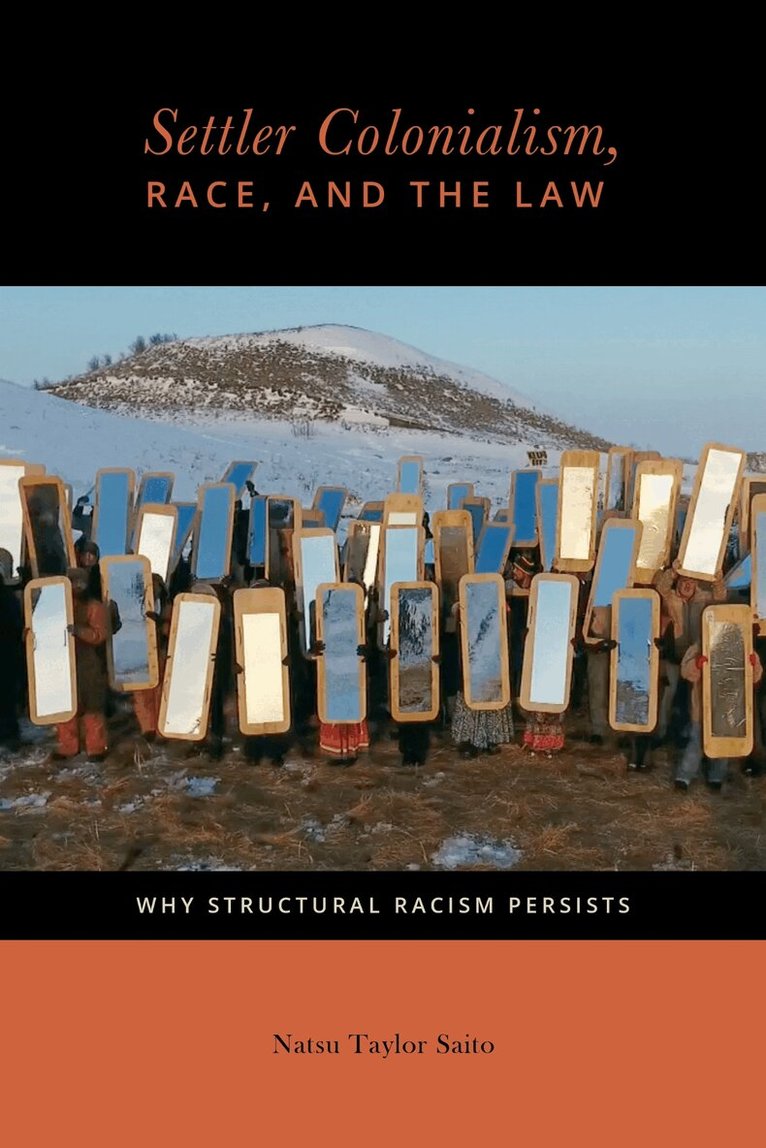
2021 Outstanding Academic Title, Choice MagazineHow taking Indigenous sovereignty seriously can help dismantle the structural racism encountered by other people of color in the United States Settler Colonialism, Race, and the Law provides a timely analysis of structural racism at the intersection of law and colonialism. Noting the grim racial realities still confronting communities of color, and how they have not been alleviated by constitutional guarantees of equal protection, this book suggests that settler colonial theory provides a more coherent understanding of what causes and what can help remediate racial disparities. Natsu Taylor Saito attributes the origins and persistence of racialized inequities in the United States to the prerogatives asserted by its predominantly Angloamerican colonizers to appropriate Indigenous lands and resources, to profit from the labor of voluntary and involuntary migrants, and to ensure that all people of color remain "in their place." By providing a functional analysis that links disparate forms of oppression, this book makes the case for the oft-cited proposition that racial justice is indivisible, focusing particularly on the importance of acknowledging and contesting the continued colonization of Indigenous peoples and lands. Settler Colonialism, Race, and the Law concludes that rather than relying on promises of formal equality, we will more effectively dismantle structural racism in America by envisioning what the right of all peoples to self-determination means in a settler colonial state.
Inbunden, Engelska, 2012
768 kr
Skickas inom 10-15 vardagar
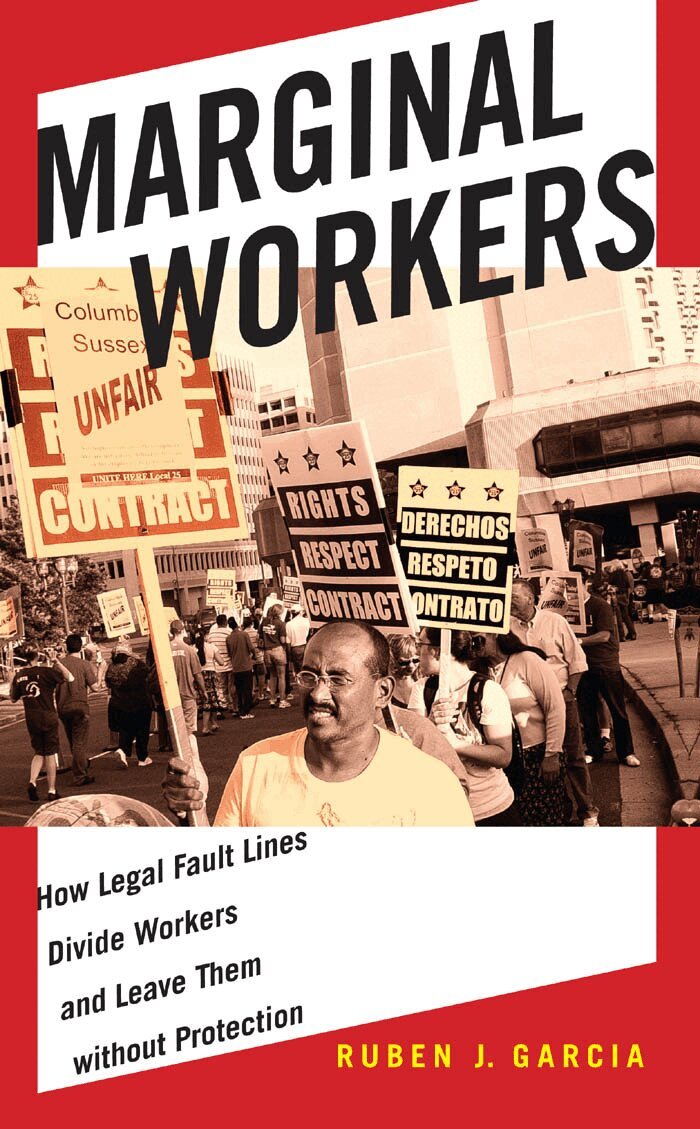
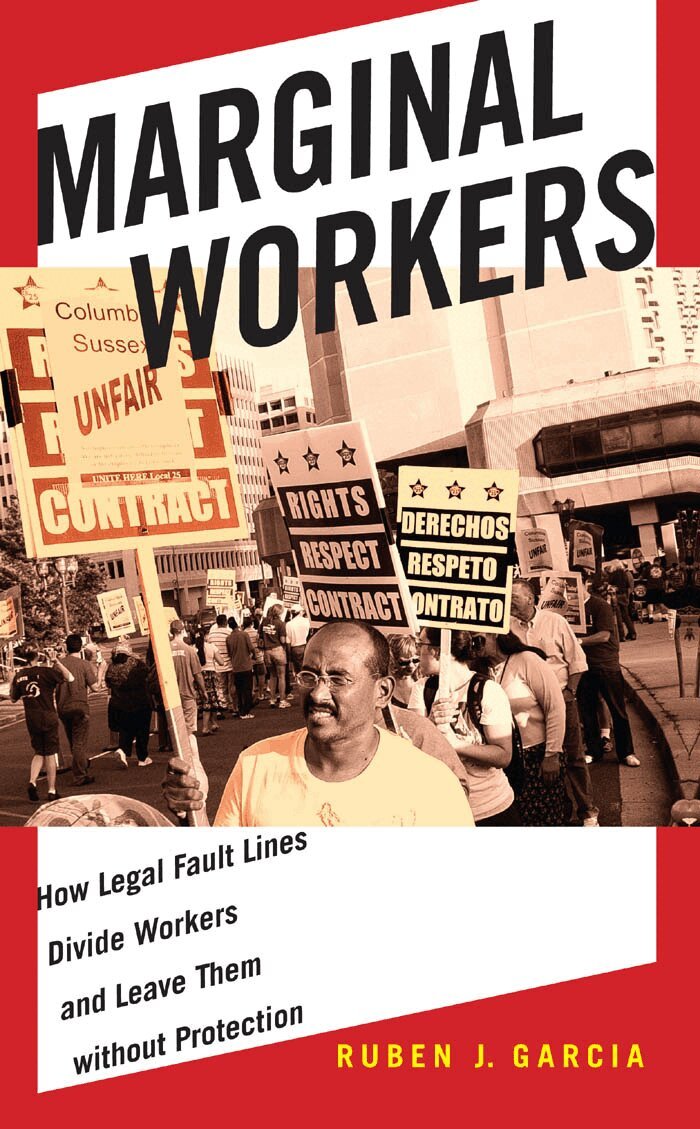
Undocumented and authorized immigrant laborers, female workers, workers of color, guest workers, and unionized workers together compose an enormous and diverse part of the labor force in America. Labor and employment laws are supposed to protect employees from various workplace threats, such as poor wages, bad working conditions, and unfair dismissal. Yet as members of individual groups with minority status, the rights of many of these individuals are often dictated by other types of law, such as constitutional and immigration laws. Worse still, the groups who fall into these cracks in the legal system often do not have the political power necessary to change the laws for better protection.In Marginal Workers, Ruben J. Garcia demonstrates that when it comes to these marginal workers, the sum of the law is less than its parts, and, despite what appears to be a plethora of applicable statutes, marginal workers are frequently lacking in protection. To ameliorate the status of marginal workers, he argues for a new paradigm in worker protection, one based on human freedom and rights.
Inbunden, Engelska, 2014
614 kr
Skickas inom 10-15 vardagar
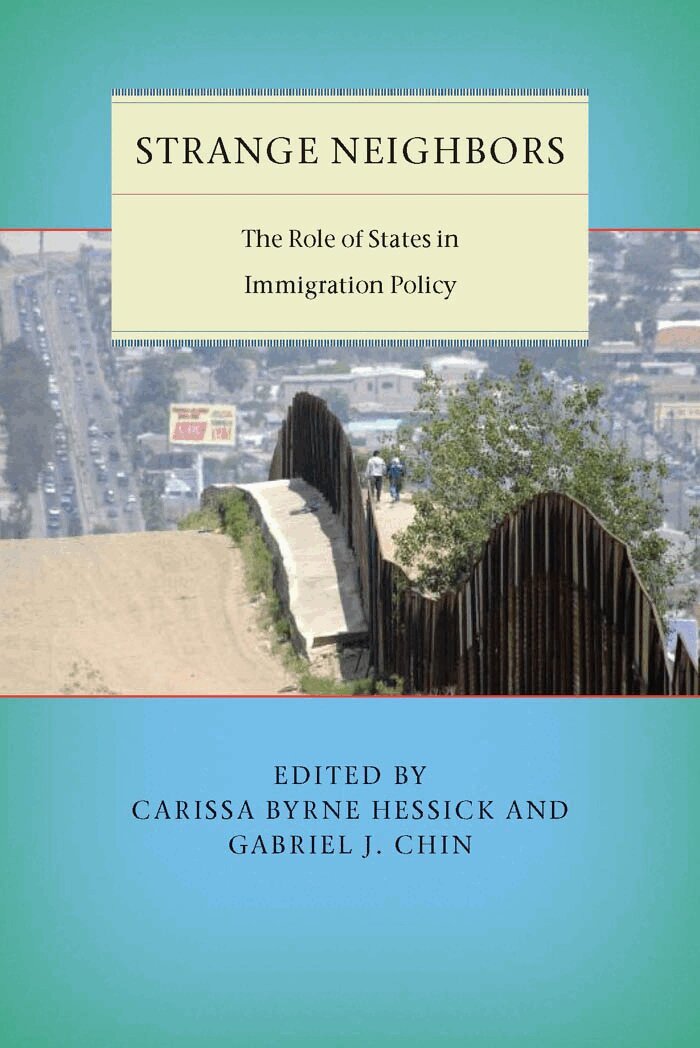
Since its founding, the U.S. has struggled withissues of federalism and states' rights. In almost every area of law, fromabortion to zoning, conflicts arise between the states and the federalgovernment over which entity is best suited to create and enforce laws. In thelast decade, immigration has been on the front lines of this debate, withstates such as Arizona taking an extremely assertive role in policingimmigrants within their borders. While Arizona and its notorious SB 1070 is themost visible example of states claiming expanded responsibility to make andenforce immigration law, it is far from alone. An ordinance inHazelton, Pennsylvania prohibited landlords from renting to the undocumented. Severalstates have introduced legislation to deny citizenship to babies who are bornto parents who are in the United States without authorization. Other stateshave also enacted legislation aimed at driving out unauthorized migrants.Strange Neighbors explores the complicated and complicating roleof the states in immigration policy and enforcement, including voices from bothsides of the debate. While many contributors point to the dangers inherent instate regulation of immigration policy, at least two support it, while othersoffer empirically-based examinations of state efforts to regulate immigrationwithin their borders, pointing to wide, state-by-state disparities inlocally-administered immigration policies and laws. Ultimately, the book offersan extremely timely, thorough, and spirited discussion on an issue that willcontinue to dominate state and federal legislatures for years to come.
Inbunden, Engelska, 2015
1 015 kr
Skickas inom 10-15 vardagar
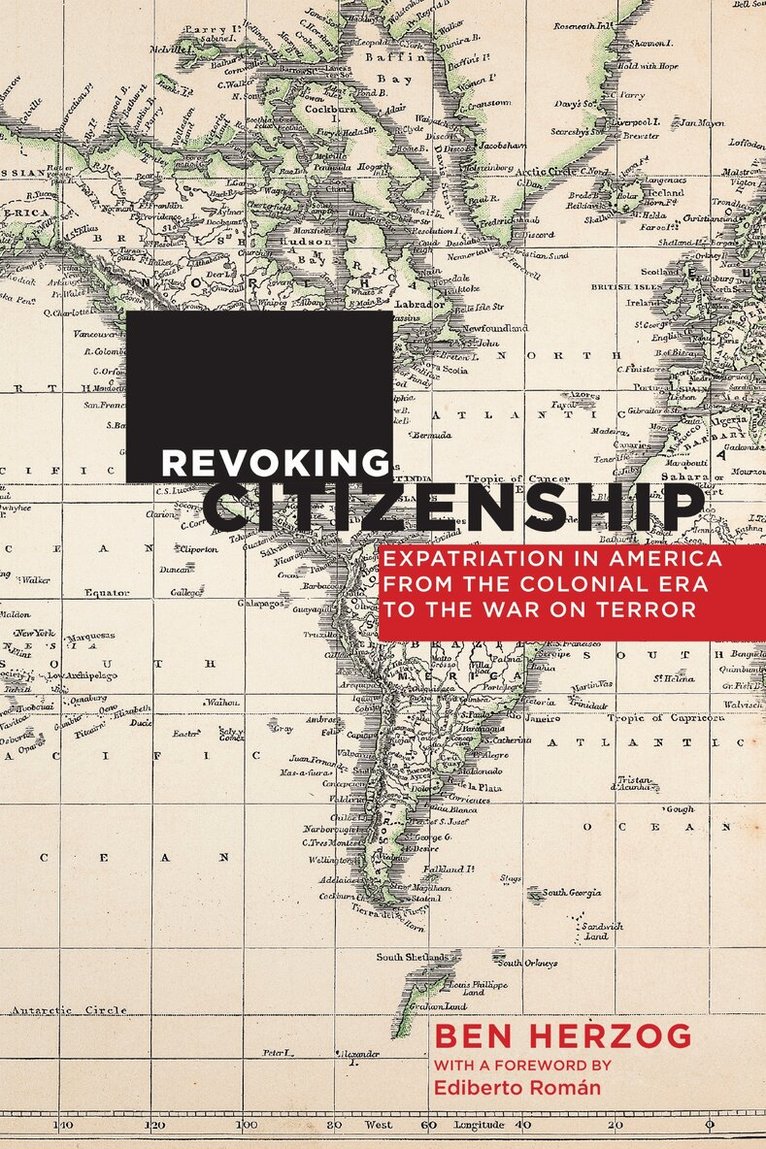
Reveals America's long history of making both naturalized immigrants and native-born citizens un-American after stripping away their citizenship Expatriation, or the stripping away citizenship and all the rights that come with it, is usually associated with despotic and totalitarian regimes. The imagery of mass expulsion of once integral members of the community is associated with civil wars, ethnic cleansing, the Holocaust, or other oppressive historical events. Yet these practices are not just a product of undemocratic events or extreme situations, but are standard clauses within the legal systems of most democratic states, including the United States. Witness, for example, Yaser Esam Hamdi, captured in Afghanistan in November 2001, sent to Guantánamo, transferred to a naval brig in South Carolina when it was revealed that he was a U.S. citizen, and held there without trial until 2004, when the Justice Department released Hamdi to Saudi Arabia without charge on the condition that he renounce his U.S. citizenship. Hamdi's story may be the best known expatriation story in recent memory, but in Revoking Citizenship, Ben Herzog reveals America's long history of making both naturalized immigrants and native-born citizens un-American after their citizenship was stripped away. Tracing this history from the early republic through the Cold War, Herzog locates the sociological, political, legal, and historic meanings of revoking citizenship. Why, when, and with what justification do states take away citizenship from their subjects? Should loyalty be judged according to birthplace or actions? Using the history and policies of revoking citizenship as a lens, Revoking Citizenship examines, describes, and analyzes the complex relationships between citizenship, immigration, and national identity.
Inbunden, Engelska, 2012
501 kr
Skickas inom 10-15 vardagar
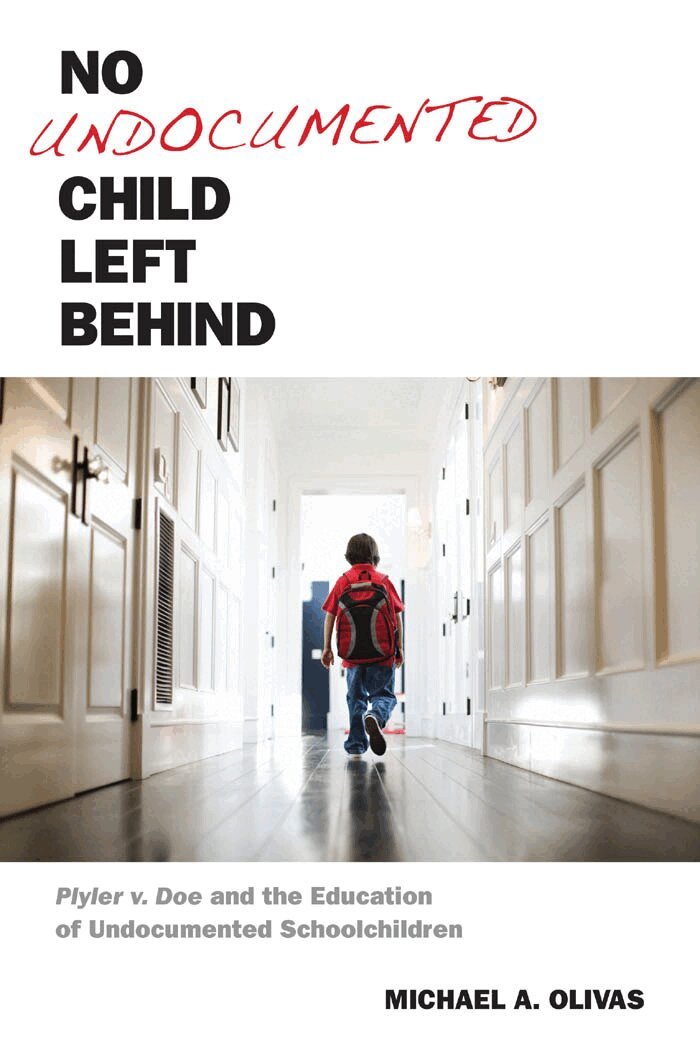
The 1982 U. S. Supreme Court case of Plyler v. Doe, which made it possible for undocumented children to enroll in Texas public schools, was a watershed moment for immigrant rights in the United States. The Court struck down both a state statute denying funding for education to undocumented children and a municipal school district's attempt to charge an annual $1,000 tuition fee for each undocumented student to compensate for the lost state funding. Yet while this case has not returned to the Supreme Court, it is frequently contested at the state and local level. In No Undocumented Child Left Behind, Michael A. Olivas tells a fascinating history of the landmark case, examining how, 30 years later, Plyler v. Doe continues to suffer from implementation issues and requires additional litigation and vigilance to enforce the ruling. He takes a comprehensive look at the legal regime it established regarding the education of undocumented school children, moves up through its implementation, including direct and indirect attacks on it, and closes with the ongoing, highly charged debates over the Development, Relief, and Education for Minors (DREAM) Act, which aims to give conditional citizenship to undocumented college students who graduated from US high schools and have been in the country for at least five years. Listen to Michael Olivas on WYPF 88.1 FM, as he takes a look back 30 years to the Supreme Court case that made it possible for undocumented children to enroll in public schools and the highly-charged political and legal battles that have ensued.
Inbunden, Engelska, 2013
545 kr
Skickas inom 10-15 vardagar
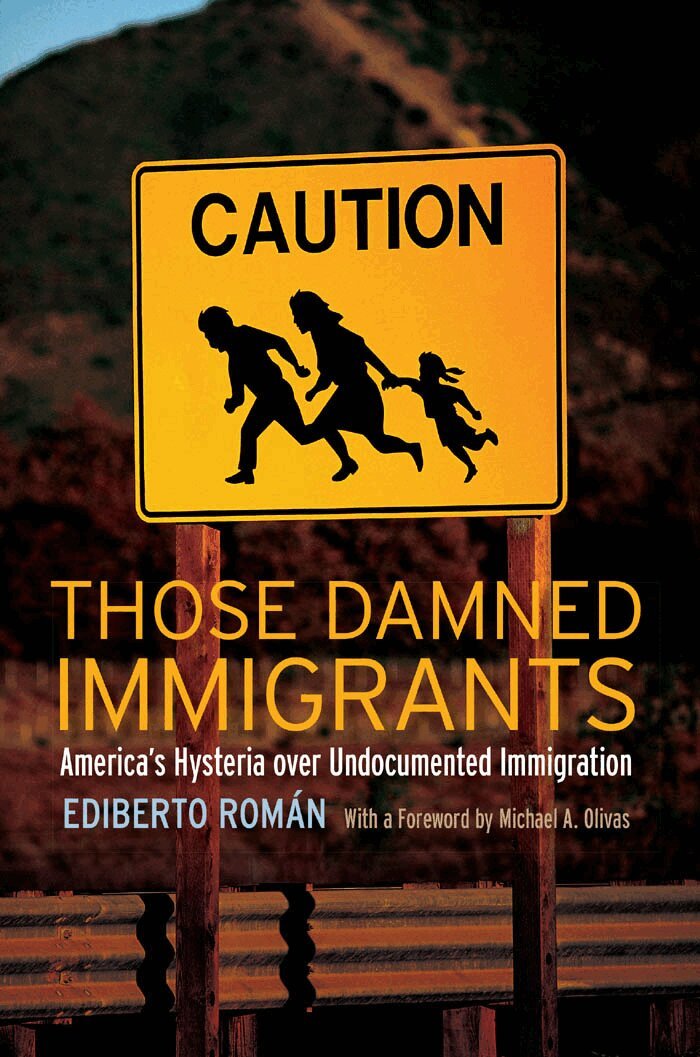
Exposes the false narratives at the heart of Americans' fear of Latino/a immigration The election of Barack Obama prompted people around the world to herald the dawning of a new, postracial era in America. Yet a scant one month after Obama's election, Jose Oswaldo Sucuzhanay, a 31-year old Ecuadorian immigrant,was ambushed by a group of white men as he walked arm and arm with his brother. Yelling anti-Latino slurs, the men beat Sucuzhanay into a coma. He died 5 days later. The incident is one of countless attacks—ranging from physical violence to raids on homes and workplaces to verbal abuse—that Latino/a immigrants have confronted for generations in America. And these attacks—physical and otherwise—are accepted by a substantial number of American citizens and elected officials, who are virulently opposed to immigrant groups crossing the Mexican border. Quick to cast all Latino/a immigrants as illegal, opponents have placed undocumented workers at the center of their anti-immigrant movement, and as such, many different types of native Spanish-speakers in this country (legal, illegal, citizen, guest), have been targeted as being responsible for increasing crime rates, a plummeting economy, and an erosion of traditional American values and culture.In Those Damned Immigrants, Ediberto Román takes on critics of Latina/o immigration, drawing on empirical evidence to refute charges of links between immigration and crime, economic downfall, and a weakening of Anglo culture. Román utilizes government statistics, economic data, historical records, and social science research to provide a counter-narrative to what he argues is a largely one-sided public discourse on Latino/a immigration.
Inbunden, Engelska, 2016
463 kr
Skickas inom 10-15 vardagar
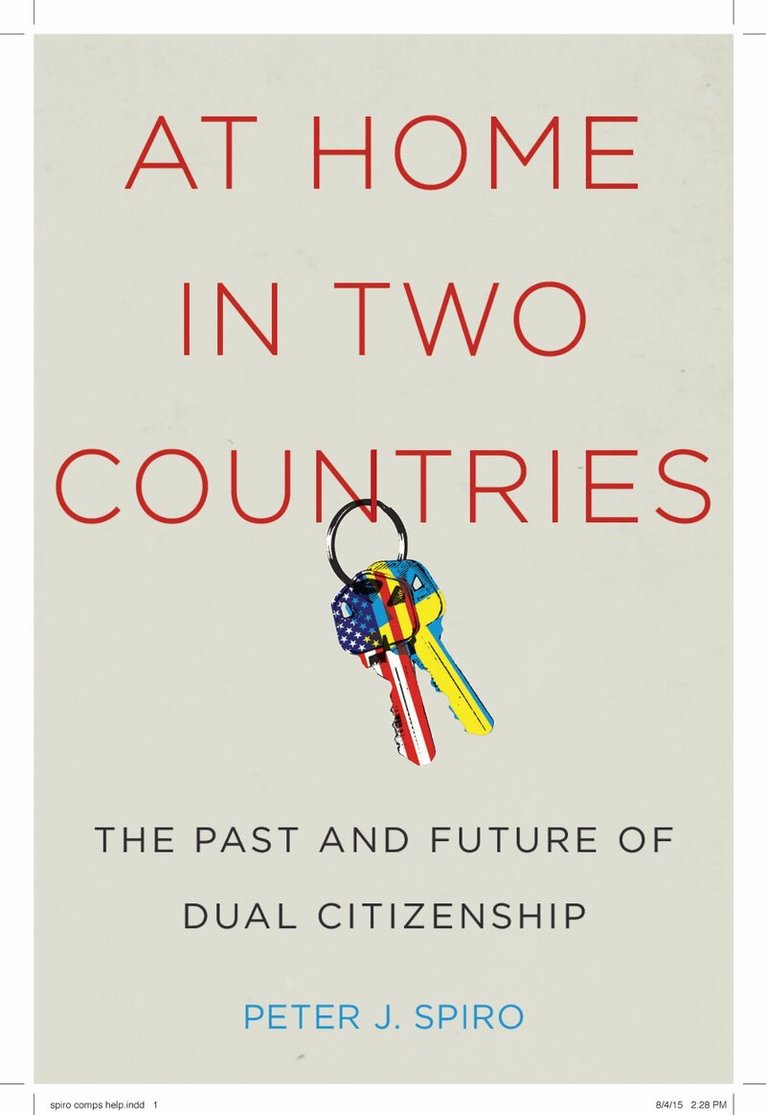
Read Peter's Op-ed on Trump's Immigration Ban in The New York Times The rise of dual citizenship could hardly have been imaginable to a time traveler from a hundred or even fifty years ago. Dual nationality was once considered an offense to nature, an abomination on the order of bigamy. It was the stuff of titanic battles between the United States and European sovereigns. As those conflicts dissipated, dual citizenship continued to be an oddity, a condition that, if not quite freakish, was nonetheless vaguely disreputable, a status one could hold but not advertise. Even today, some Americans mistakenly understand dual citizenship to somehow be "illegal", when in fact it is completely tolerated. Only recently has the status largely shed the opprobrium to which it was once attached. At Home in Two Countries charts the history of dual citizenship from strong disfavor to general acceptance. The status has touched many; there are few Americans who do not have someone in their past or present who has held the status, if only unknowingly. The history reflects on the course of the state as an institution at the level of the individual. The state was once a jealous institution, justifiably demanding an exclusive relationship with its members. Today, the state lacks both the capacity and the incentive to suppress the status as citizenship becomes more like other forms of membership. Dual citizenship allows many to formalize sentimental attachments. For others, it's a new way to game the international system. This book explains why dual citizenship was once so reviled, why it is a fact of life after globalization, and why it should be embraced today.
Inbunden, Engelska, 2012
545 kr
Skickas inom 10-15 vardagar
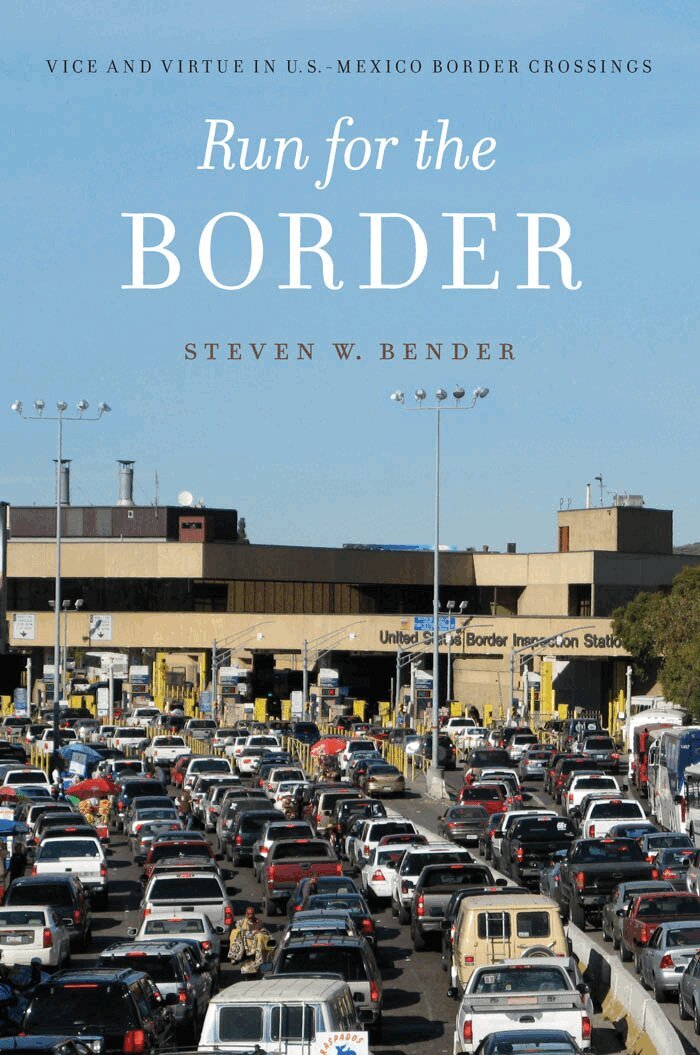
Mexico andthe United States exist in a symbiotic relationship: Mexico frequently providesthe United States with cheap labor, illegal goods, and, for criminal offenders,a refuge from the law. In turn, the U.S. offers Mexican laborers the Americandream: the possibility of a better livelihood through hard work. To supply eachother's demands, Americans and Mexicans have to cross their shared border fromboth sides. Despite this relationship, U.S. immigration reform debates tend tobe security-focused and center on the idea of menacingMexicans heading north to steal abundant American resources. Further, Congresstends to approach reform unilaterally, without engaging with Mexico or otherfeeder countries, and, disturbingly, without acknowledging problematic southerncrossings that Americans routinely make into Mexico.In Run for the Border, Steven W. Benderoffers a framework for a more comprehensive border policy through a historicalanalysis of border crossings, both Mexico to U.S. and U.S. to Mexico. In contrastto recent reform proposals, this book urges reform as the product ofnegotiation and implementation by cross-border accord; reform that honors theshared economic and cultural legacy of the U.S. and Mexico. Covering everythingfrom the history of Anglo crossings into Mexico to escape law authorities, tovice tourism and retirement in Mexico, to today's focus on Mexicanborder-crossing immigrants and drug traffickers, Bender takes lessons from thepast 150 years to argue for more explicit and compassionate cross-bordercooperation. Steeped inseveral disciplines, Run for the Borderis a blend of historical, cultural, and legal perspectives, as well as thosefrom literature and cinema, that reflect Bender's cultural background and legalexpertise.
Inbunden, Engelska, 2010
615 kr
Skickas inom 10-15 vardagar
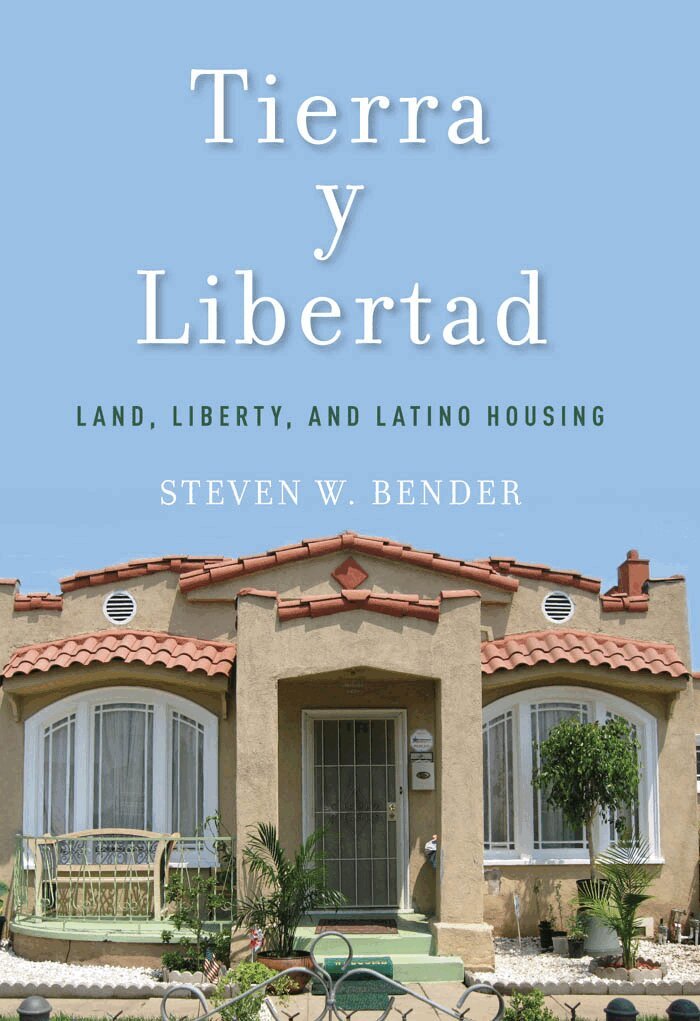
One of the quintessential goals of the American Dream is to own land and a home, a place to raise one's family and prove one's prosperity. Particularly for immigrant families, home ownership is a way to assimilate into American culture and community. However, Latinos, who make up the country's largest minority population, have largely been unable to gain this level of inclusion. Instead, they are forced to cling to the fringes of property rights and ownership through overcrowded rentals, transitory living arrangements, and, at best, home acquisitions through subprime lenders.In Tierra y Libertad, Steven W. Bender traces the history of Latinos' struggle for adequate housing opportunities, from the nineteenth century to today's anti-immigrant policies and national mortgage crisis. Spanning southwest to northeast, rural to urban, Bender analyzes the legal hurdles that prevent better housing opportunities and offers ways to approach sweeping legal reform. Tierra y Libertad combines historical, cultural, legal, and personal perspectives to document the Latino community's ongoing struggle to make America home.
Häftad, Engelska, 2013
319 kr
Skickas inom 5-8 vardagar
Undocumented and authorized immigrant laborers, female workers, workers of color, guest workers, and unionized workers together compose an enormous and diverse part of the labor force in America. Labor and employment laws are supposed to protect employees from various workplace threats, such as poor wages, bad working conditions, and unfair dismissal. Yet as members of individual groups with minority status, the rights of many of these individuals are often dictated by other types of law, such as constitutional and immigration laws. Worse still, the groups who fall into these cracks in the legal system often do not have the political power necessary to change the laws for better protection.In Marginal Workers, Ruben J. Garcia demonstrates that when it comes to these marginal workers, the sum of the law is less than its parts, and, despite what appears to be a plethora of applicable statutes, marginal workers are frequently lacking in protection. To ameliorate the status of marginal workers, he argues for a new paradigm in worker protection, one based on human freedom and rights.
Inbunden, Engelska, 2015
1 097 kr
Skickas inom 10-15 vardagar
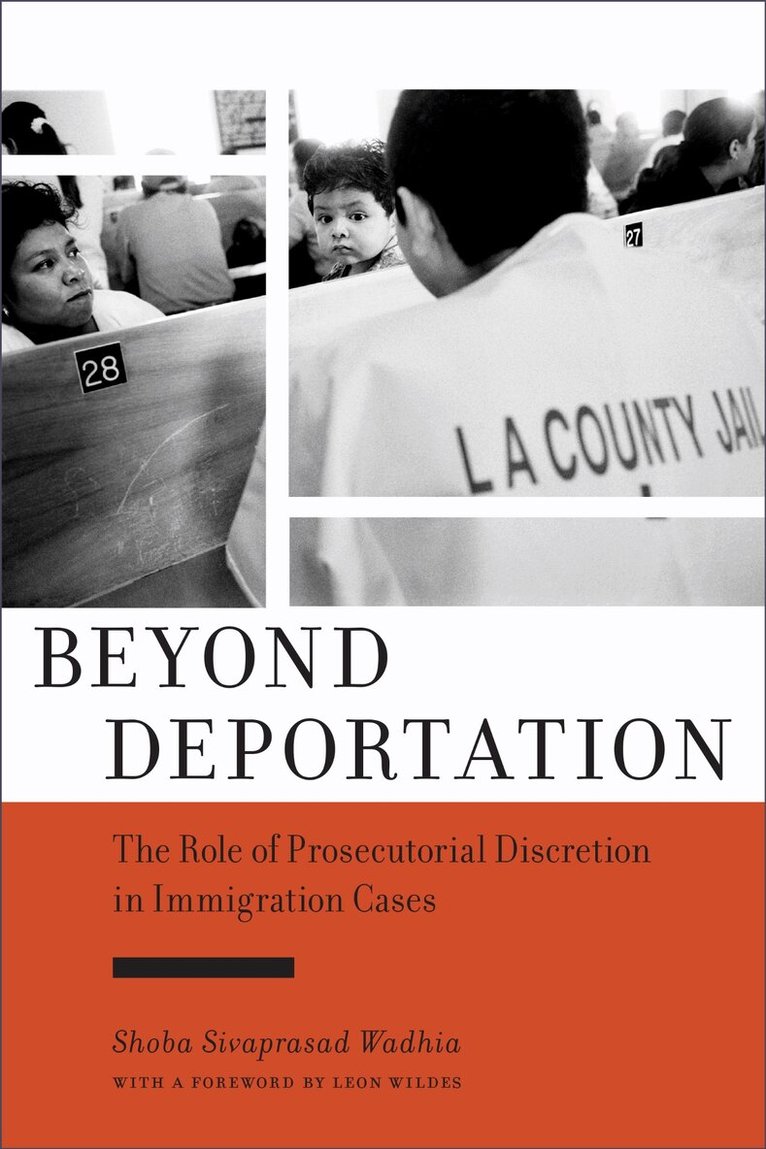
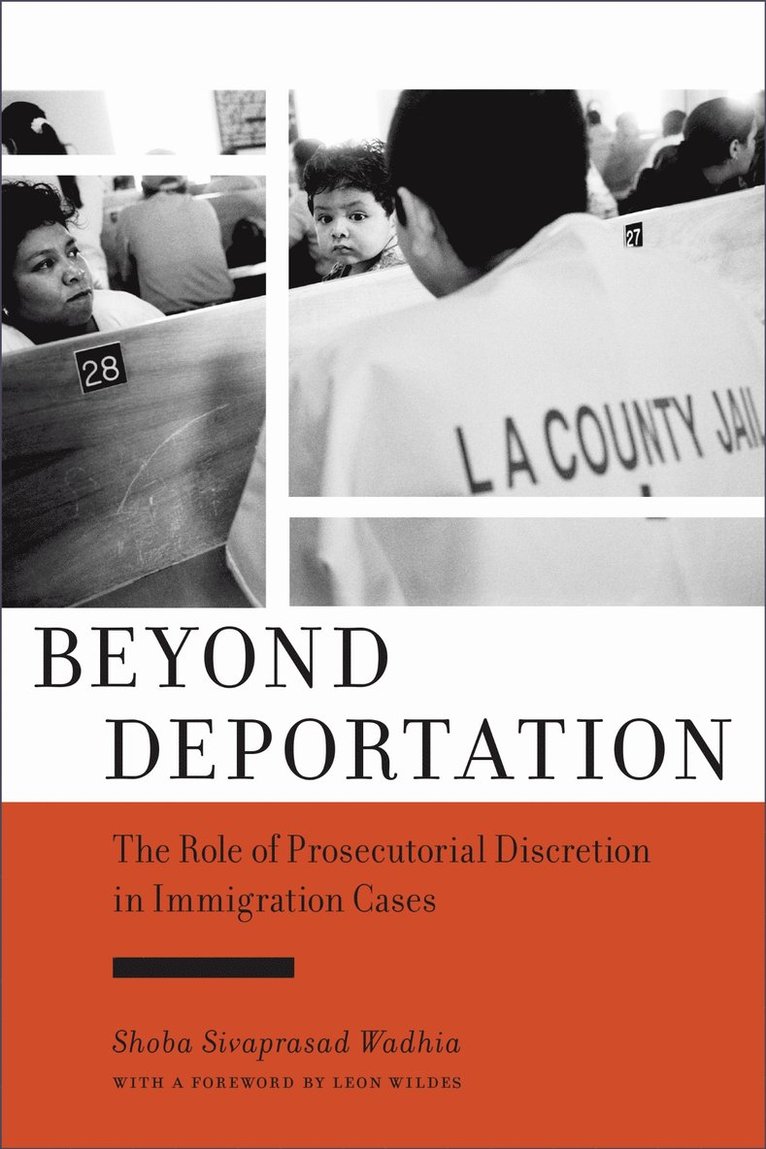
The first book to comprehensivelydescribe the history, theory, and application of prosecutorial discretion inimmigration law When Beatles star John Lennon faced deportation from the U.S. in the 1970s, his lawyer Leon Wildes made a groundbreaking argument. He argued that Lennon should be granted "nonpriority" status pursuant to INS's (now DHS's) policy of prosecutorial discretion. In U.S. immigration law, the agency exercises prosecutorial discretion favorably when it refrains from enforcing the full scope of immigration law. A prosecutorial discretion grant is important to an agency seeking to focus its priorities on the "truly dangerous" in order to conserve resources and to bring compassion into immigration enforcement. The Lennon case marked the first moment that the immigration agency's prosecutorial discretion policy became public knowledge. Today, the concept of prosecutorial discretion is more widely known in light of the Obama Administration's Deferred Action for Childhood Arrivals or DACA program, a record number of deportations and a stalemate in Congress to move immigration reform.Beyond Deportation is the first book to comprehensively describe the history, theory, and application of prosecutorial discretion in immigration law. It provides a rich history of the role of prosecutorial discretion in the immigration system and unveils the powerful role it plays in protecting individuals from deportation and saving the government resources. Shoba Sivaprasad Wadhia draws on her years of experience as an immigration attorney, policy leader, and law professor to advocate for a bolder standard on prosecutorial discretion, greater mechanisms for accountability when such standards are ignored, improved transparency about the cases involving prosecutorial discretion, and recognition of "deferred action" in the law as a formal benefit.
Häftad, Engelska, 2024
222 kr
Skickas inom 10-15 vardagar
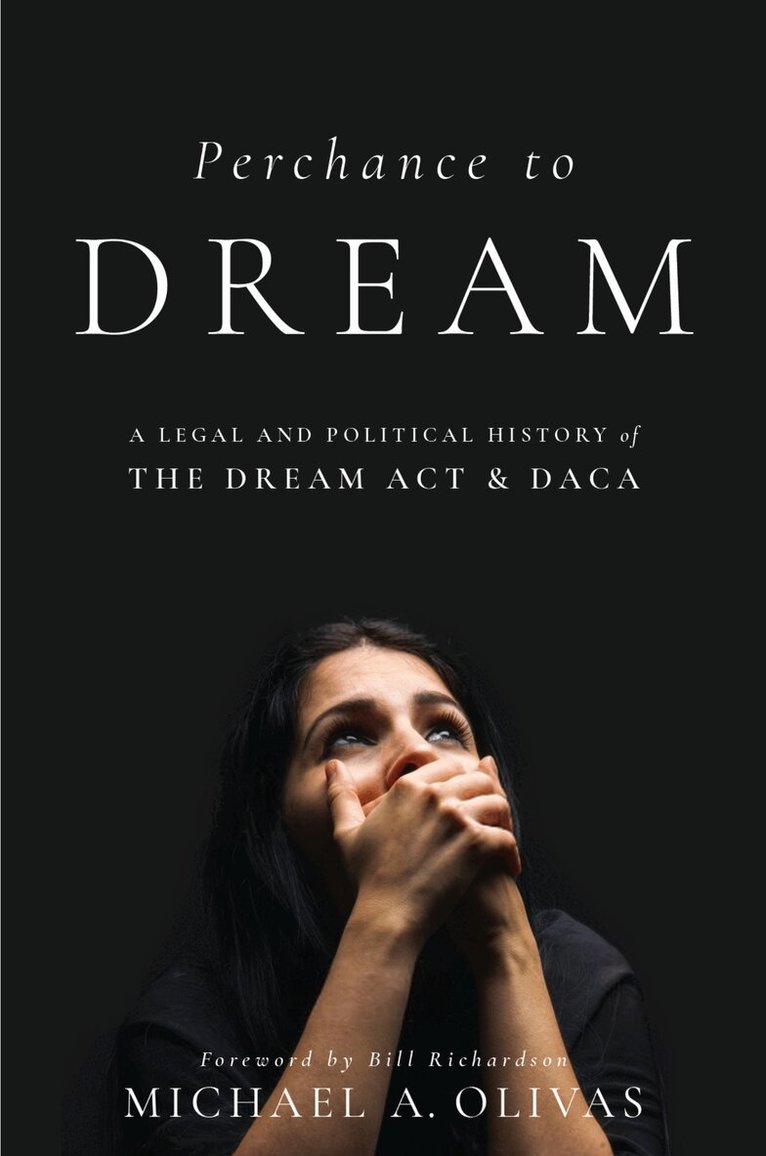
The first comprehensive history of the DREAM Act and Deferred Action for Childhood Arrivals (DACA)In 1982, the Supreme Court of the United States ruled in Plyler v. Doe that undocumented children had the right to attend public schools without charge or impediment, regardless of their immigration status. The ruling raised a question: what if undocumented students, after graduating from the public school system, wanted to attend college? Perchance to DREAM is the first comprehensive history of the DREAM Act, which made its initial congressional appearance in 2001, and Deferred Action for Childhood Arrivals (DACA), the discretionary program established by President Obama in 2012 out of Congressional failure to enact comprehensive immigration reform. Michael A. Olivas relates the history of the DREAM Act and DACA over the course of two decades.With the Trump Administration challenging the legality of DACA and pursuing its elimination in 2017, the fate of DACA is uncertain. Perchance to DREAM follows the political participation of DREAMers, who have been taken hostage as pawns in a cruel game as the White House continues to advocate anti-immigrant policies. Perchance to DREAM brings to light the many twists and turns that the legislation has taken, suggests why it has not gained the required traction, and offers hopeful pathways that could turn this darkness to dawn.
Inbunden, Engelska, 2015
615 kr
Skickas inom 10-15 vardagar
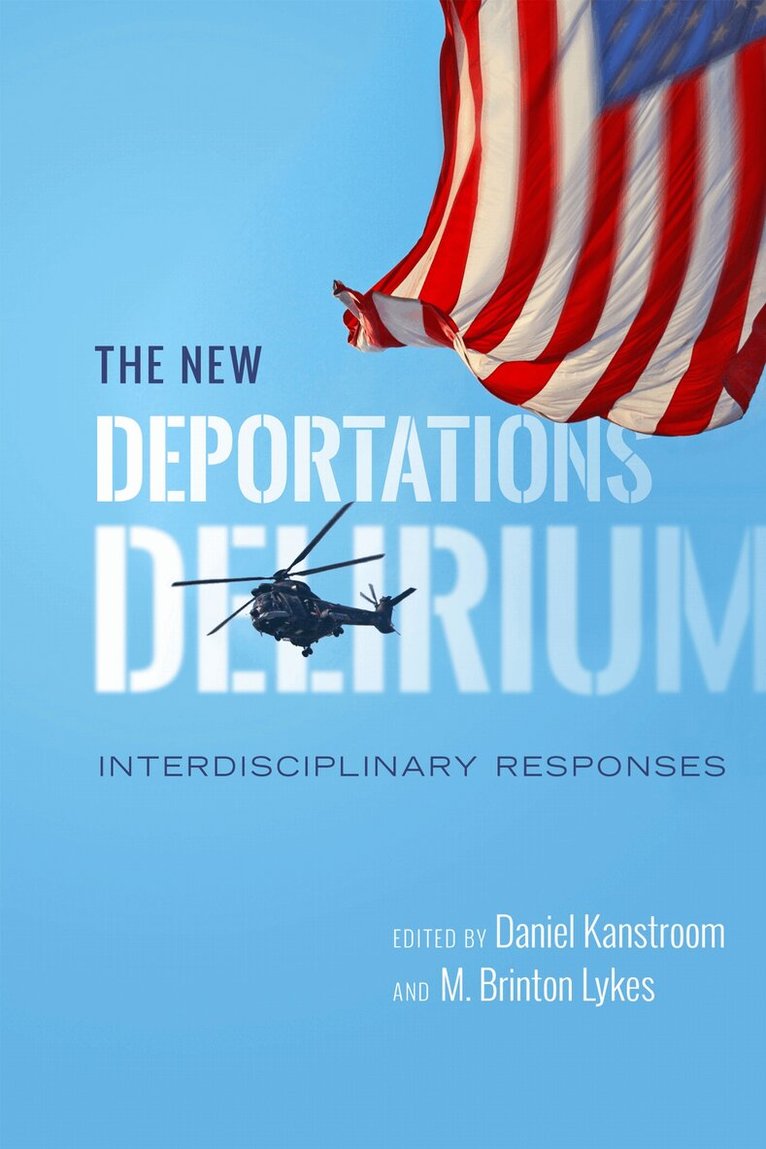
Since 1996, when the deportation laws were hardened, millions of migrants to the U.S., including many long-term legal permanent residents with "green cards," have experienced summary arrest, incarceration without bail, transfer to remote detention facilities, and deportation without counsel—a life-time banishment from what is, in many cases, the only country they have ever known. U.S.-based families and communities face the loss of a worker, neighbor, spouse, parent, or child. Many of the deported are "sentenced home" to a country which they only knew as an infant, whose language they do not speak, or where a family lives in extreme poverty or indebtedness for not yet being able to pay the costs of their previous migration. But what does this actually look like and what are the systems and processes and who are the people who are enforcing deportation policies and practices? The New Deportations Delirium responds to these questions.Taken as a whole, the volume raises consciousness about the complexities of the issues and argues for the interdisciplinary dialogue and response. Over the course of the book, deportation policy is debated by lawyers, judges, social workers, researchers, and clinical and community psychologists as well as educators, researchers, and community activists. The New Deportations Delirium presents a fresh conversation and urges a holistic response to the complex realities facing not only migrants but also the wider U.S. society in which they have sought a better life.
Häftad, Engelska, 2017
319 kr
Skickas inom 5-8 vardagar
The first book to comprehensivelydescribe the history, theory, and application of prosecutorial discretion inimmigration law When Beatles star John Lennon faced deportation from the U.S. in the 1970s, his lawyer Leon Wildes made a groundbreaking argument. He argued that Lennon should be granted "nonpriority" status pursuant to INS's (now DHS's) policy of prosecutorial discretion. In U.S. immigration law, the agency exercises prosecutorial discretion favorably when it refrains from enforcing the full scope of immigration law. A prosecutorial discretion grant is important to an agency seeking to focus its priorities on the "truly dangerous" in order to conserve resources and to bring compassion into immigration enforcement. The Lennon case marked the first moment that the immigration agency's prosecutorial discretion policy became public knowledge. Today, the concept of prosecutorial discretion is more widely known in light of the Obama Administration's Deferred Action for Childhood Arrivals or DACA program, a record number of deportations and a stalemate in Congress to move immigration reform.Beyond Deportation is the first book to comprehensively describe the history, theory, and application of prosecutorial discretion in immigration law. It provides a rich history of the role of prosecutorial discretion in the immigration system and unveils the powerful role it plays in protecting individuals from deportation and saving the government resources. Shoba Sivaprasad Wadhia draws on her years of experience as an immigration attorney, policy leader, and law professor to advocate for a bolder standard on prosecutorial discretion, greater mechanisms for accountability when such standards are ignored, improved transparency about the cases involving prosecutorial discretion, and recognition of "deferred action" in the law as a formal benefit.
Häftad, Engelska, 2017
357 kr
Skickas inom 5-8 vardagar
Reveals America's long history of making both naturalized immigrants and native-born citizens un-American after stripping away their citizenship Expatriation, or the stripping away citizenship and all the rights that come with it, is usually associated with despotic and totalitarian regimes. The imagery of mass expulsion of once integral members of the community is associated with civil wars, ethnic cleansing, the Holocaust, or other oppressive historical events. Yet these practices are not just a product of undemocratic events or extreme situations, but are standard clauses within the legal systems of most democratic states, including the United States. Witness, for example, Yaser Esam Hamdi, captured in Afghanistan in November 2001, sent to Guantánamo, transferred to a naval brig in South Carolina when it was revealed that he was a U.S. citizen, and held there without trial until 2004, when the Justice Department released Hamdi to Saudi Arabia without charge on the condition that he renounce his U.S. citizenship. Hamdi's story may be the best known expatriation story in recent memory, but in Revoking Citizenship, Ben Herzog reveals America's long history of making both naturalized immigrants and native-born citizens un-American after their citizenship was stripped away. Tracing this history from the early republic through the Cold War, Herzog locates the sociological, political, legal, and historic meanings of revoking citizenship. Why, when, and with what justification do states take away citizenship from their subjects? Should loyalty be judged according to birthplace or actions? Using the history and policies of revoking citizenship as a lens, Revoking Citizenship examines, describes, and analyzes the complex relationships between citizenship, immigration, and national identity.
Inbunden, Engelska, 2020
492 kr
Skickas inom 5-8 vardagar
The first comprehensive history of the DREAM Act and Deferred Action for Childhood Arrivals (DACA)In 1982, the Supreme Court of the United States ruled in Plyler v. Doe that undocumented children had the right to attend public schools without charge or impediment, regardless of their immigration status. The ruling raised a question: what if undocumented students, after graduating from the public school system, wanted to attend college? Perchance to DREAM is the first comprehensive history of the DREAM Act, which made its initial congressional appearance in 2001, and Deferred Action for Childhood Arrivals (DACA), the discretionary program established by President Obama in 2012 out of Congressional failure to enact comprehensive immigration reform. Michael A. Olivas relates the history of the DREAM Act and DACA over the course of two decades.With the Trump Administration challenging the legality of DACA and pursuing its elimination in 2017, the fate of DACA is uncertain. Perchance to DREAM follows the political participation of DREAMers, who have been taken hostage as pawns in a cruel game as the White House continues to advocate anti-immigrant policies. Perchance to DREAM brings to light the many twists and turns that the legislation has taken, suggests why it has not gained the required traction, and offers hopeful pathways that could turn this darkness to dawn.