CMES Middle East Monograph Series - Böcker
Visar alla böcker i serien CMES Middle East Monograph Series. Handla med fri frakt och snabb leverans.
2 produkter
2 produkter
203 kr
Skickas inom 7-10 vardagar
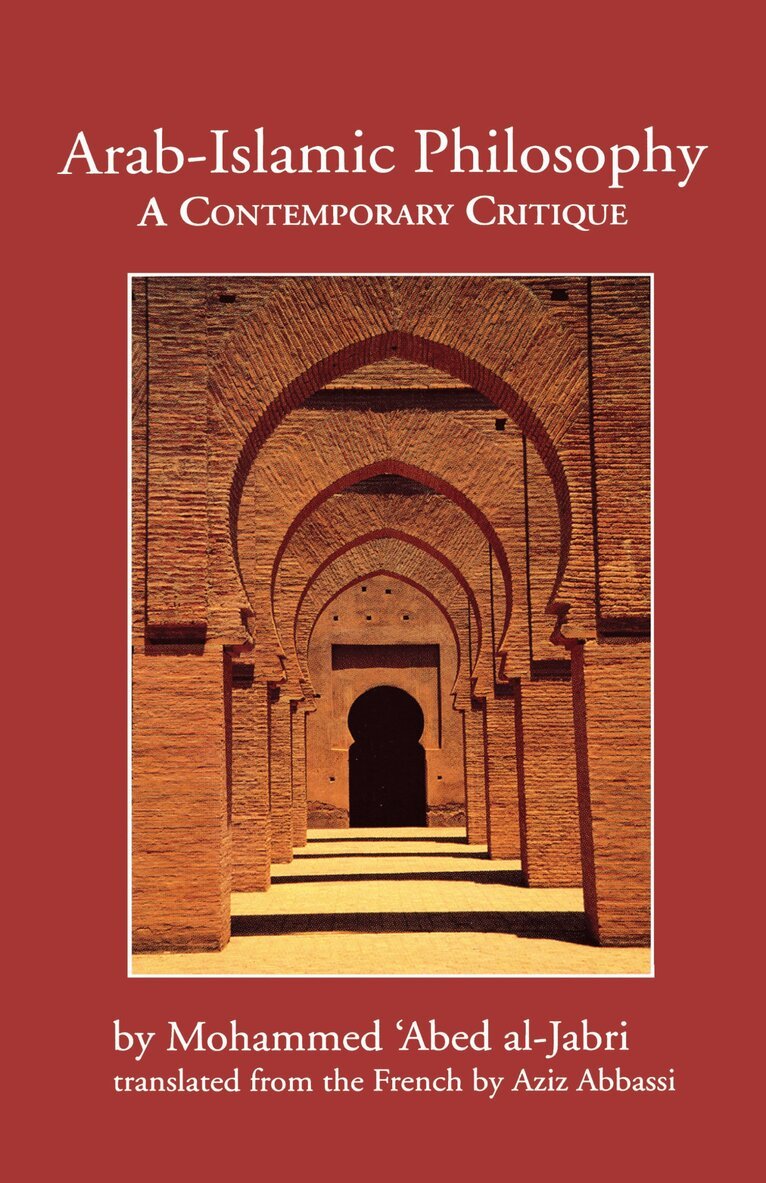
The distinguished Moroccan philosopher Mohammed Abed al-Jabri, in this summary of his own work, examines the status of Arab thought in the late twentieth century. Al-Jabri rejects what he calls the current polarization of Arab thought between an imported modernism that disregards Arab tradition and a fundamentalism that would reconstruct the present in the image of an idealized past. Both past and present intellectual currents are examined. Al-Jabri first questions the current philosophical positions of the liberals, the Marxists, and the fundamentalists. Then he turns to history, exploring Arab philosophy in the tenth and twelfth centuries, a time of political and ideological struggle. In the writings of Ibn Hazm and AverroËs, he identifies the beginnings of Arab rationalism, a rationalism he traces through the innovative fourteenth–century work of Ibn Khaldun. Al-Jabri offers both Western readers and his own compatriots a radical new approach to Arab thought, one that finds in the past the roots of an open, critical rationalism which he sees as emerging in the Arab world today.
473 kr
Skickas inom 3-6 vardagar
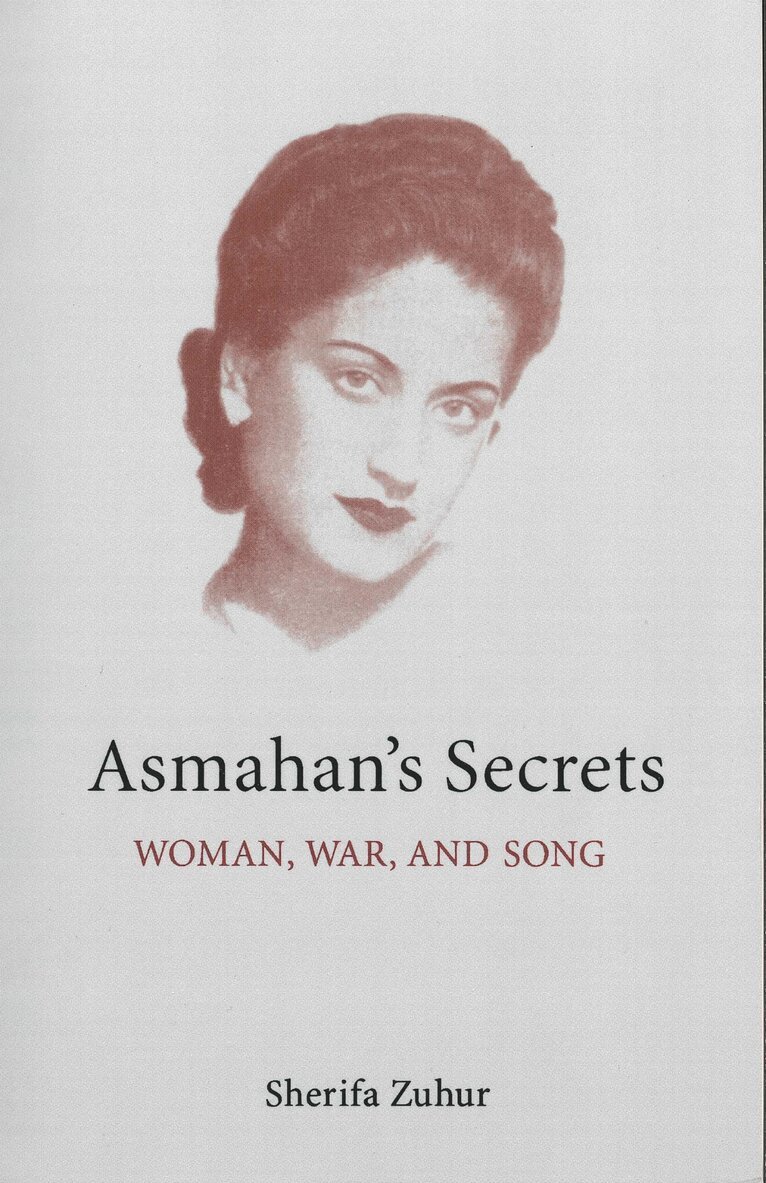
The great Arab singer Asmahan was the toast of Cairo song and cinema in the late 1930s and early 1940s, as World War II approached. She remained a figure of glamour and intrigue throughout her life and lives on today in legend as one of the shaping forces in the development of Egyptian popular culture. In this biography, author Sherifa Zuhur does a thorough study of the music and film of Asmahan and her historical setting. A Druze princess actually named Amal al-Atrash, Asmahan came from an important clan in the mountains of Syria but broke free from her traditional family background, left her husband, and became a public performer, a role frowned upon for women of the time. This unique biography of the controversial Asmahan focuses on her public as well as her private life. She was a much sought-after guest in the homes of Egypt's rich and famous, but she was also rumored to be an agent for the Allied forces during World War II. Through the story of Asmahan, the reader glimpses not only aspects of the cultural and political history of Egypt and Syria between the two world wars, but also the change in attitude in the Arab world toward women as public performers on stage. Life in wartime Cairo comes alive in this illustrated account of one of the great singers of the Arab world, a woman who played an important role in history.