Cognitive Classics - Böcker
Visar alla böcker i serien Cognitive Classics. Handla med fri frakt och snabb leverans.
2 produkter
2 produkter
1 380 kr
Skickas inom 5-8 vardagar
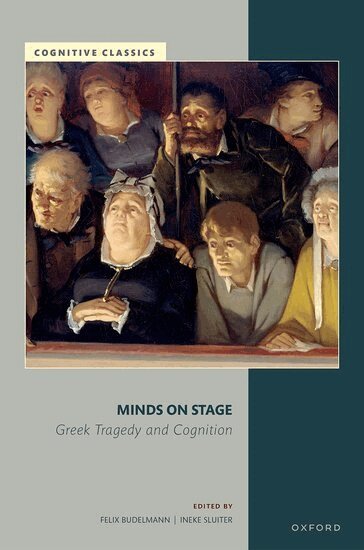
Greek tragedy parades, tests, stimulates, and upends human cognition. Characters plot deception, try to fathom elusive gods, and fail to recognise loved ones. Spectators observe the characters' cognitive limitations and contemplate their own, grapple with moral quandaries and emotional breakdown, overlay mythical past and topical present, and all the while imagine that a man with a mask is Helen of Troy. With broad coverage of both plays and cognitive capabilities, Minds on Stage pursues a dual aim: to expand our understanding of Greek tragedy and to use Greek tragedy as a focal point for exploring cognitive thinking about literature.After an introduction that considers questions of methodology, the volume is divided into three parts. Part One examines the dynamics of mind-reading by characters and audience, with articles on Aeschylus, Sophocles, and Euripides. The chapters in Part Two study aspects of the characters' cognitive sense-making, from individual styles of attributing causes and different manners of remembering, to the use of objects as tools for thinking. Finally, Part Three turns to the cognitive dimension of spectating. The articles treat the spectators' generic expectations and different modes of engagement with the fictional worlds of the plays, the joint nature of their attention to the drama, the nexus between aesthetic illusion and the ethics of deception, as well as the situated nature of cognition that helps both audiences and characters make sense of morally complex situations.
Experience, Narrative, and Criticism in Ancient Greece
Under the Spell of Stories
Inbunden, Engelska, 2019
1 684 kr
Skickas inom 7-10 vardagar
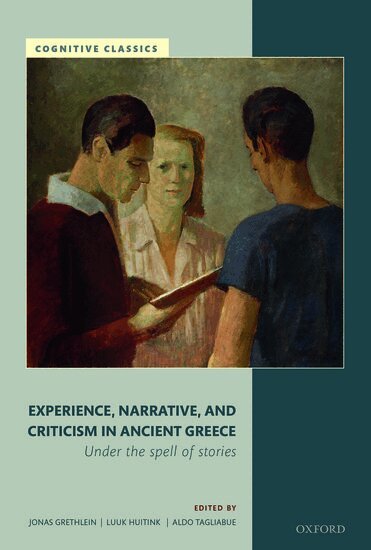
Experience, Narrative, and Criticism in Ancient Greece pursues a new approach to ancient Greek narrative beyond the taxonomies of structuralist narratologies. Focusing on the phenomenal and experiential dimension of our response to narrative, it triangulates ancient narrative with ancient criticism and cognitive approaches, opening up new vistas within the study of classical literature while ably deploying the ancient material to demonstrate the value of a historical perspective for cognitive studies. Concepts such as immersion and embodiment help to establish a more comprehensive understanding of ancient narrative and ancient reading habits, as manifested in Greek criticism and rhetorical theory. The thirteen chapters presented here tackle a broad range of narrative genres, broadly understood: besides epic, historiography, and the novel, tragedy and early Christian texts are also considered alongside non-literary media, such as dance and sculpture. Authored by international specialists in the language, literature, and culture of ancient Greece, each chapter utilizes a rich set of theoretical and methodological tools drawn from cognitive studies, phenomenology, and linguistics that place them at the vanguard of a strong new current in classical scholarship and literary criticism more generally.