Columbia Histories of Modern American Life – serie
Visar alla böcker i serien Columbia Histories of Modern American Life. Handla med fri frakt och snabb leverans.
9 produkter
Religion in America Since 1945
A History
Inbunden, 2003
2609 kr
Lägg i varukorg
Moving far beyond the realm of traditional "church history," Patrick Allitt here offers a vigorous and erudite survey of the broad canvas of American religion since World War II. Identifying the major trends and telling moments within major denominations and also in less formal religious movements, …
Religion in America Since 1945
A History
Häftad, 2005
714 kr
Lägg i varukorg
Moving far beyond the realm of traditional "church history," Patrick Allitt here offers a vigorous and erudite survey of the broad canvas of American religion since World War II. Identifying the major trends and telling moments within major denominations and also in less formal religious movements, …
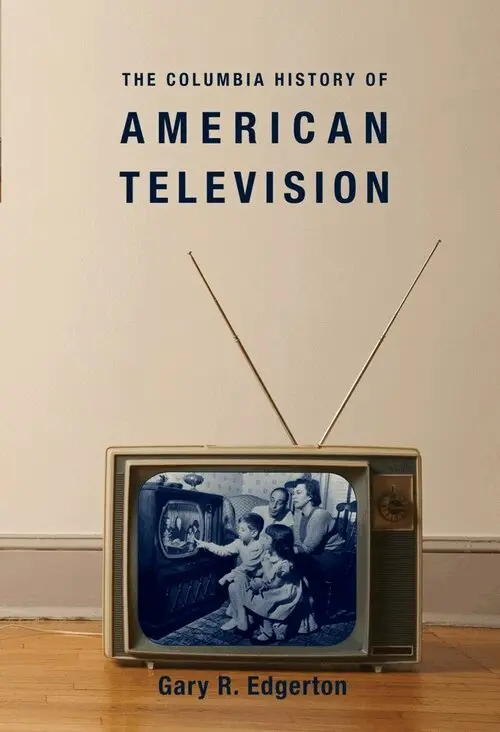
The Columbia History of American Television
Inbunden, 2007
2609 kr
Lägg i varukorg
Television is a form of media without equal. It has revolutionized the way we learn about and communicate with the world and has reinvented the way we experience ourselves and others. More than just cheap entertainment, TV is an undeniable component of our culture and contains many clues to who we …
The Columbia History of American Television
Häftad, 2009
357 kr
Lägg i varukorg
Television is a form of media without equal. It has revolutionized the way we learn about and communicate with the world and has reinvented the way we experience ourselves and others. More than just cheap entertainment, TV is an undeniable component of our culture and contains many clues to who we …
More Than Just a Game
Sports in American Life Since 1945
Av Kathryn Jay
Inbunden, 2004
1231 kr
Lägg i varukorg
More Than Just a Game tracks the explosion of the sports industry in the United States since 1945 and how it has shaped class, racial, gender, and national identities. By examining both professional and intercollegiate sports such as baseball, football, basketball, golf, tennis, and stock car …
More Than Just a Game
Sports in American Life Since 1945
Av Kathryn Jay
Häftad, 2006
620 kr
Lägg i varukorg
More Than Just a Game tracks the explosion of the sports industry in the United States since 1945 and how it has shaped class, racial, gender, and national identities. By examining both professional and intercollegiate sports such as baseball, football, basketball, golf, tennis, and stock car …
More Than Just a Game
Sports in American Life Since 1945
Av Kathryn Jay
E-bok, 2004
464 kr
Lägg i varukorg
More Than Just a Game tracks the explosion of the sports industry in the United States since 1945 and how it has shaped class, racial, gender, and national identities. By examining both professional and intercollegiate sports such as baseball, football, basketball, golf, tennis, and stock car …
Religion in America Since 1945
A History
E-bok, 2005
546 kr
Lägg i varukorg
Moving far beyond the realm of traditional "church history," Patrick Allitt here offers a vigorous and erudite survey of the broad canvas of American religion since World War II. Identifying the major trends and telling moments within major denominations and also in less formal religious movements, …
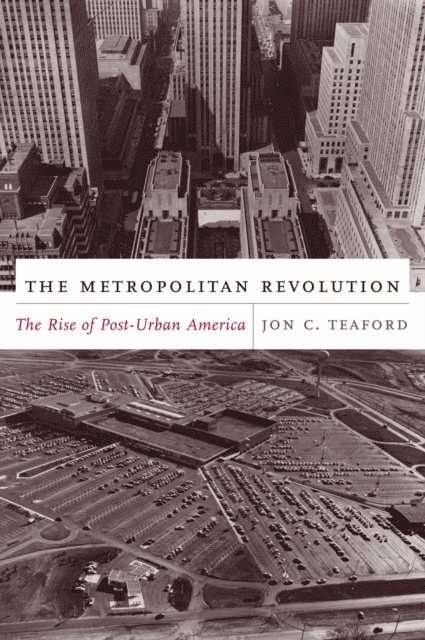
Metropolitan Revolution
The Rise of Post-Urban America
E-bok, 2006
490 kr
Lägg i varukorg
In this absorbing history, Jon C. Teaford traces the dramatic evolution of American metropolitan life. At the end of World War II, the cities of the Northeast and the Midwest were bustling, racially and economically integrated areas frequented by suburban and urban dwellers alike. Yet since 1945, …