Contestations - Böcker
Visar alla böcker i serien Contestations. Handla med fri frakt och snabb leverans.
12 produkter
12 produkter
685 kr
Skickas inom 10-15 vardagar
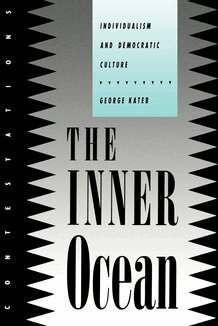
"What is the meaning of individualism in a modern democracy? In this rich and penetrating book, a major political theorist examines the nature of individualism—the concept of self it implies, the ethic it sustains, the personal connectedness it supports, and the politics it requires—and provides a challenging answer.George Kateb argues that democracy is founded on respect for the dignity of individuals as individuals, and that this respect transforms all human relations. Democratic individuality, in his view, is a way in which individuals whose rights are protected may dare to live their private lives and to conceive their roles as citizens.Kateb employs the concept of individuality not only to criticize communitarianism and to define the limits of the role of the state, but also to approach global concerns involving our relation to nature. The ten essays of this book explore democratic individuality in light of such topics as the power of political institutions to accommodate and express different values, the moral distinctiveness of representative democracy, the implications of the liberal social contract, and the possibility of human extinction.Eloquently addressing issues at the heart of democratic life, The Inner Ocean will be of vital interest to scholars and students in American studies, political theory, and moral philosophy.
1 780 kr
Skickas inom 10-15 vardagar
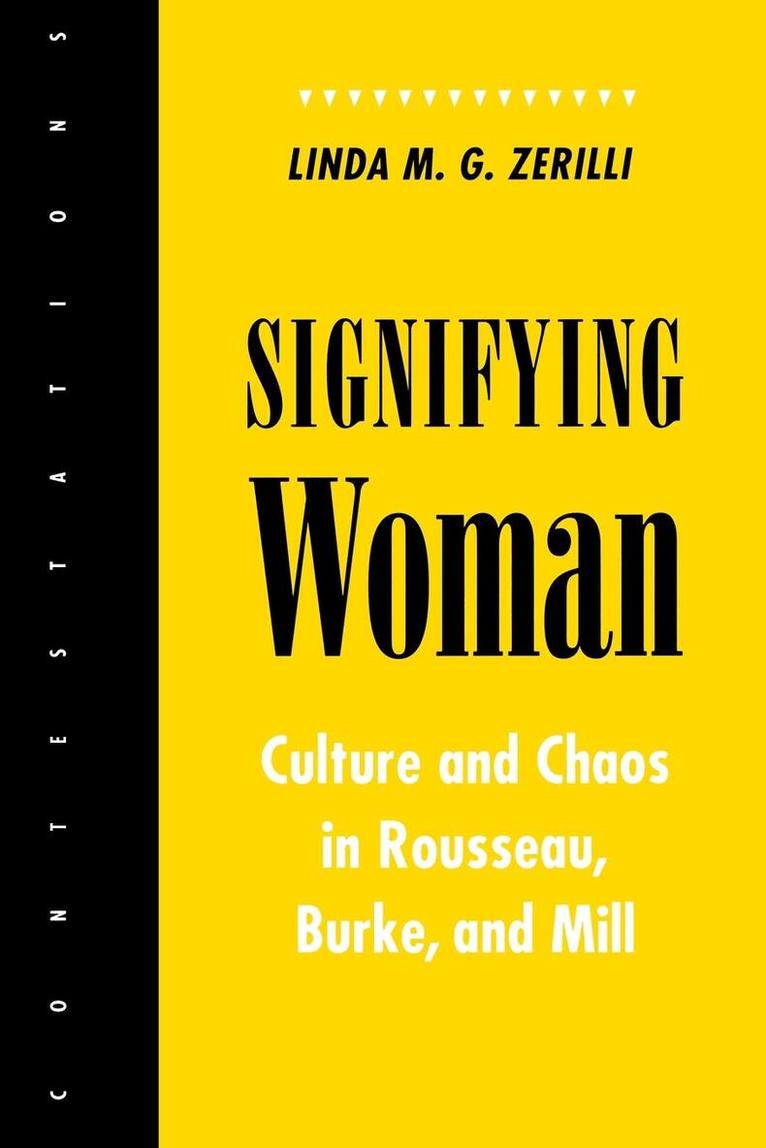
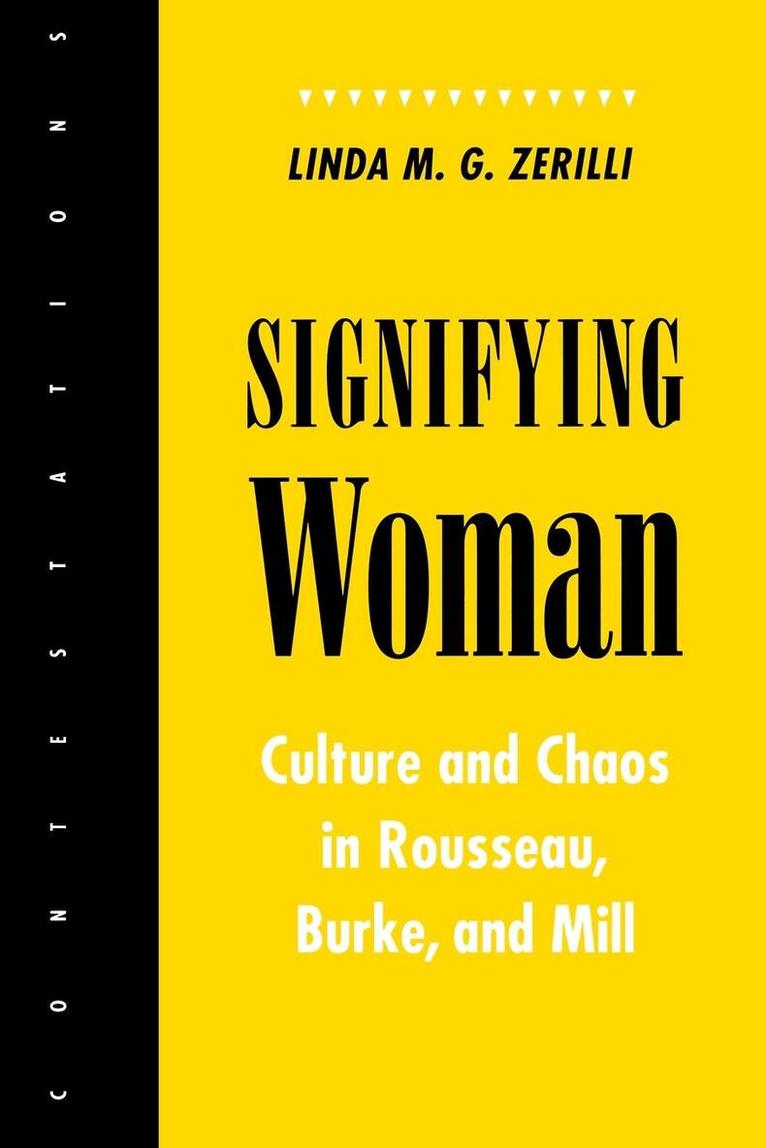
Woman has been defined in classic political theory as elusive yet dangerous, by her nature fundamentally destructive to public life. In the view of Linda M. G. Zerilli, however, gender relations shape the very grammar of citizenship. In deeply textured interpretations of Rousseau, Burke, and Mill, Zerilli recasts our understanding of woman as the agent of social chaos and makes a major advance for feminist political theory.
691 kr
Skickas inom 10-15 vardagar
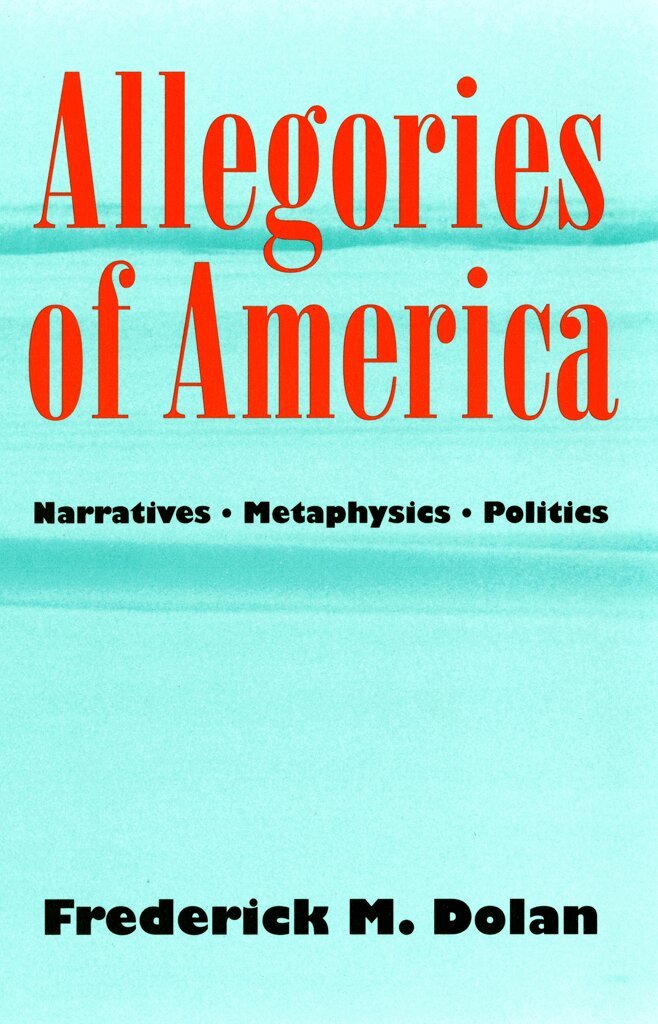
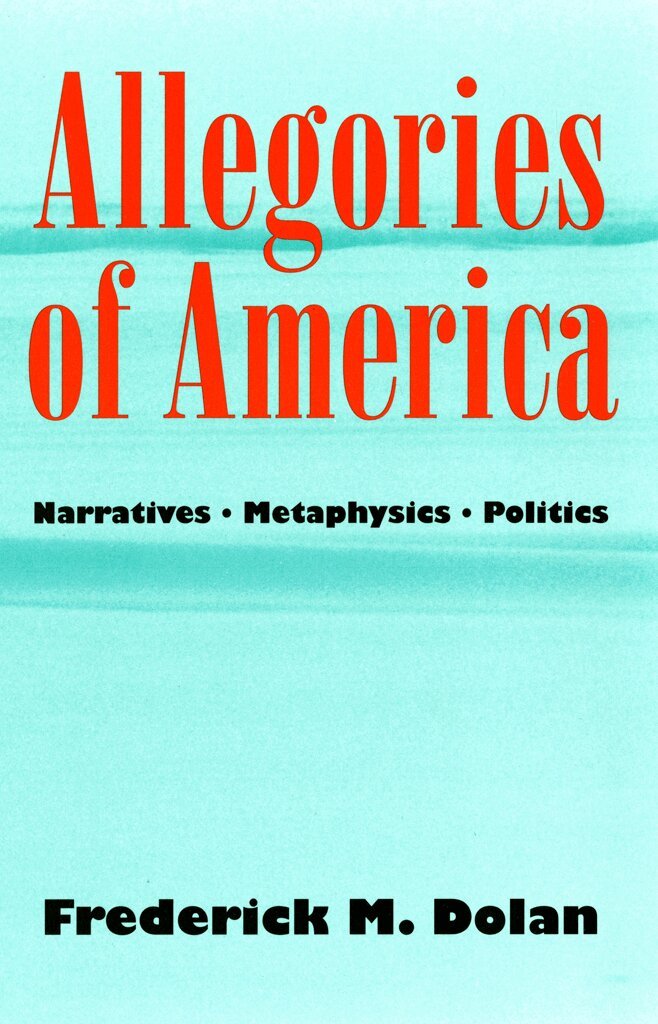
Allegories of America offers a bold idea of what, in terms of political theory, it means to be American. Beginning with the question What do we want from a theory of politics? Dolan explores the metaphysics of American-ness and stops along the way to reflect on John Winthrop, the Constitution, 1950s behavioralist social science, James Merrill, and William Burroughs.The pressing problem, in Dolan's view, is how to find a vocabulary for politics in the absence of European metaphysics. American political thinkers, he suggests, might respond by approaching their own theories as allegories. The postmodern dilemma of the loss of traditional absolutes would thus assume the status of a national mythology—America's perennial identity crisis in the absence of a tradition establishing the legitimacy of its founding.After examining the mid-Atlantic sermons of John Winthrop, the spiritual founding father, Dolan reflects on the authority of the Constitution and the Federalist. He then takes on questions of representation in Cold War ideology, focusing on the language of David Easton and other liberal political "behaviorists," as well as on cold War cinema and the coverage of international affairs by American journalists. Additional discussions are inspired by Hannah Arendt's recasting of political theory in a narrative framework. here Dolan considers two starkly contrasting postwar literary figures—William S. Burroughs and James Merrill—both of whom have a troubled relationship to politics but nonetheless register an urgent need to articulate its dangers and opportunities. Alongside Merrill's unraveling of the distinction between the serious and the fictive, Dolan assesses the attempt in Arendt's On Revolution to reclaim fictional devices for political reflection.
1 548 kr
Skickas inom 10-15 vardagar
Despite an abundance of violence occurring in political contexts, no liberal political theorist since Thomas Hobbes has talked directly and coherently about death. John E. Seery does. He contends that liberalism desperately needs a theoretical framework in which to discuss pressing matters of human mortality. Among the contemporary political issues that cry out for theoretical articulation, Seery suggests, are abortion politics, ethnic cleansing, suicide assistance, national reparations, environmental degradation, and capital punishment. Seery offers a new conception of social contract theory as a framework for confronting death issues. He urges us to look to an older tradition of descent into an underworld, wherein classic theorists consulted poetically with the dead and acquired from them political insight and direction.In this lively book, Seery excavates the infernal tradition by rereading the politics of death in Platonism, early Christianity, and contemporary feminism. Building on those traditions, he proposes a new, constructive image of death that can serve democratic theory productively. Reconsidered from the "land of the shades," social contractarian theory is sufficiently altered that, for example, a pro-life Christian and a pro-choice secularist might be able to strike common ground upon which to discuss abortion politics.
1 548 kr
Skickas inom 10-15 vardagar
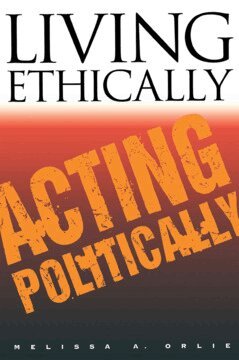
How can we conceive of freedom and responsibility when our power is limited and we are subject to the forces of society? Melissa A. Odie asks what it means to live responsibly amid historical harm and wrongdoing, in the wake of slavery and genocide, or in the face of severe resource asymmetries. By connecting resistance to evil with reflections on the nature of power and political action, Odie reveals the daily ways people commonly exercise power, inflict harm, and show themselves capable of actions that transform both selves and the world. Viewed in this context, truly ethical political action may appear miraculous but could happen at any time.Odie asks what it means to live freely when advantages are distributed disproportionately according to race, gender, class, culture, and religion. What do freedom and responsibility entail when, for example, creating a home for oneself implies social and economic commitments that render others homeless? To address these questions, Orlie links diverse intellectual concerns and constituencies in the social sciences and humanities, offering original interpretations of Hannah Arendt, Michel Foucault, and Thomas Hobbes. She compares their thinking to that of the seventeenth-century Quakers who found political possibilities in the powers they called "spirit" in the world and in themselves.
326 kr
Skickas inom 10-15 vardagar
"What is the meaning of individualism in a modern democracy? In this rich and penetrating book, a major political theorist examines the nature of individualism—the concept of self it implies, the ethic it sustains, the personal connectedness it supports, and the politics it requires—and provides a challenging answer.George Kateb argues that democracy is founded on respect for the dignity of individuals as individuals, and that this respect transforms all human relations. Democratic individuality, in his view, is a way in which individuals whose rights are protected may dare to live their private lives and to conceive their roles as citizens.Kateb employs the concept of individuality not only to criticize communitarianism and to define the limits of the role of the state, but also to approach global concerns involving our relation to nature. The ten essays of this book explore democratic individuality in light of such topics as the power of political institutions to accommodate and express different values, the moral distinctiveness of representative democracy, the implications of the liberal social contract, and the possibility of human extinction.Eloquently addressing issues at the heart of democratic life, The Inner Ocean will be of vital interest to scholars and students in American studies, political theory, and moral philosophy.
573 kr
Skickas inom 10-15 vardagar
Woman has been defined in classic political theory as elusive yet dangerous, by her nature fundamentally destructive to public life. In the view of Linda M. G. Zerilli, however, gender relations shape the very grammar of citizenship. In deeply textured interpretations of Rousseau, Burke, and Mill, Zerilli recasts our understanding of woman as the agent of social chaos and makes a major advance for feminist political theory.
379 kr
Skickas inom 10-15 vardagar
Despite an abundance of violence occurring in political contexts, no liberal political theorist since Thomas Hobbes has talked directly and coherently about death. John E. Seery does. He contends that liberalism desperately needs a theoretical framework in which to discuss pressing matters of human mortality. Among the contemporary political issues that cry out for theoretical articulation, Seery suggests, are abortion politics, ethnic cleansing, suicide assistance, national reparations, environmental degradation, and capital punishment. Seery offers a new conception of social contract theory as a framework for confronting death issues. He urges us to look to an older tradition of descent into an underworld, wherein classic theorists consulted poetically with the dead and acquired from them political insight and direction.In this lively book, Seery excavates the infernal tradition by rereading the politics of death in Platonism, early Christianity, and contemporary feminism. Building on those traditions, he proposes a new, constructive image of death that can serve democratic theory productively. Reconsidered from the "land of the shades," social contractarian theory is sufficiently altered that, for example, a pro-life Christian and a pro-choice secularist might be able to strike common ground upon which to discuss abortion politics.
392 kr
Skickas inom 10-15 vardagar
How can we conceive of freedom and responsibility when our power is limited and we are subject to the forces of society? Melissa A. Odie asks what it means to live responsibly amid historical harm and wrongdoing, in the wake of slavery and genocide, or in the face of severe resource asymmetries. By connecting resistance to evil with reflections on the nature of power and political action, Odie reveals the daily ways people commonly exercise power, inflict harm, and show themselves capable of actions that transform both selves and the world. Viewed in this context, truly ethical political action may appear miraculous but could happen at any time.Odie asks what it means to live freely when advantages are distributed disproportionately according to race, gender, class, culture, and religion. What do freedom and responsibility entail when, for example, creating a home for oneself implies social and economic commitments that render others homeless? To address these questions, Orlie links diverse intellectual concerns and constituencies in the social sciences and humanities, offering original interpretations of Hannah Arendt, Michel Foucault, and Thomas Hobbes. She compares their thinking to that of the seventeenth-century Quakers who found political possibilities in the powers they called "spirit" in the world and in themselves.
233 kr
Skickas inom 10-15 vardagar
Allegories of America offers a bold idea of what, in terms of political theory, it means to be American. Beginning with the question What do we want from a theory of politics? Dolan explores the metaphysics of American-ness and stops along the way to reflect on John Winthrop, the Constitution, 1950s behavioralist social science, James Merrill, and William Burroughs.The pressing problem, in Dolan's view, is how to find a vocabulary for politics in the absence of European metaphysics. American political thinkers, he suggests, might respond by approaching their own theories as allegories. The postmodern dilemma of the loss of traditional absolutes would thus assume the status of a national mythology—America's perennial identity crisis in the absence of a tradition establishing the legitimacy of its founding.After examining the mid-Atlantic sermons of John Winthrop, the spiritual founding father, Dolan reflects on the authority of the Constitution and the Federalist. He then takes on questions of representation in Cold War ideology, focusing on the language of David Easton and other liberal political "behaviorists," as well as on cold War cinema and the coverage of international affairs by American journalists. Additional discussions are inspired by Hannah Arendt's recasting of political theory in a narrative framework. here Dolan considers two starkly contrasting postwar literary figures—William S. Burroughs and James Merrill—both of whom have a troubled relationship to politics but nonetheless register an urgent need to articulate its dangers and opportunities. Alongside Merrill's unraveling of the distinction between the serious and the fictive, Dolan assesses the attempt in Arendt's On Revolution to reclaim fictional devices for political reflection.
1 335 kr
Skickas inom 10-15 vardagar
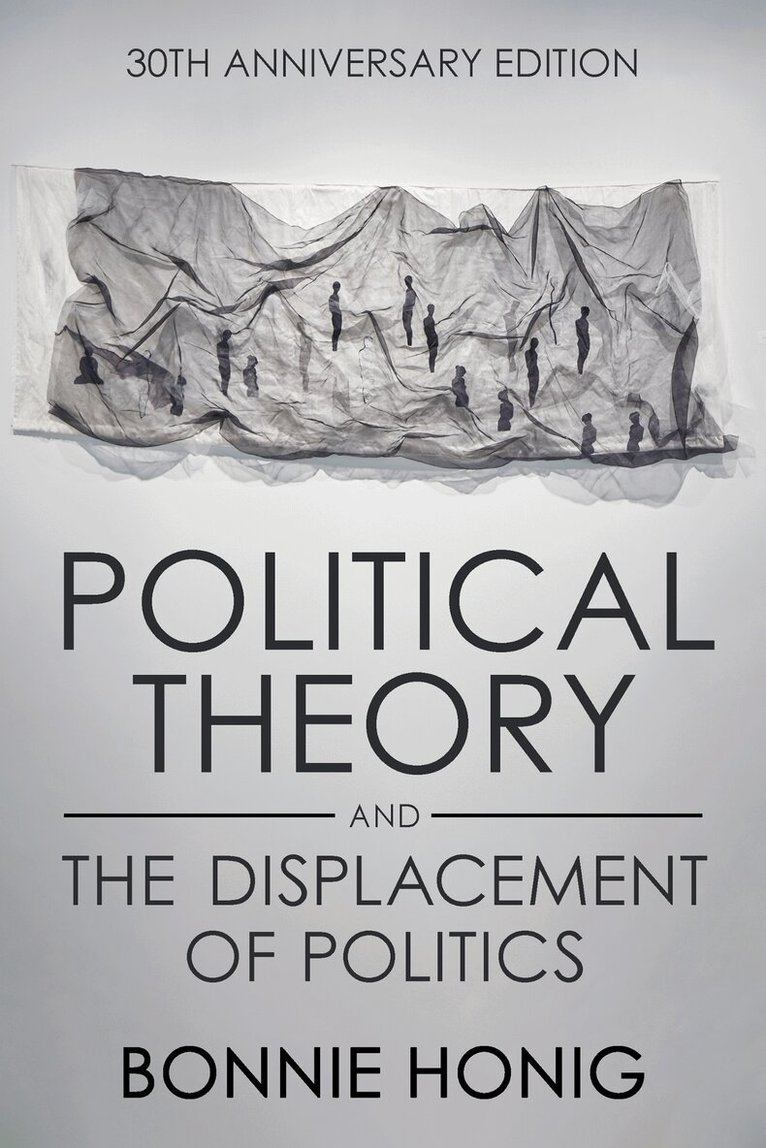
Political Theory and the Displacement of Politics, originally published in 1993, has been called a founding text of agonism, which treats political contestation not as a regrettably necessary way to correct political imperfections but as a necessary, sometimes joyful feature of democratic life. As Bonnie Honig writes in the preface to this thirtieth anniversary edition, "the agonism that informs this book is democratic: it is committed to shared spaces and relational practices in which diverse groups and individuals set and reset the terms of living together as equals."By rethinking the established relation between politics and political theory, Honig argues that political theorists of opposing positions often treat political theory less as an exploration of politics than as a series of devices for its displacement. She characterizes Kant, Rawls, and Sandel as virtue theorists of politics, arguing that they rely on principles of right, rationality, community, and law to protect their political theories from the conflict and uncertainty of political reality. Drawing on Nietzsche and Arendt as well as Machiavelli and Derrida, Honig instead explores an alternative politics of virtú, which treats the disruptions of political order as valued sites of democratic freedom and individuality.
339 kr
Skickas inom 10-15 vardagar
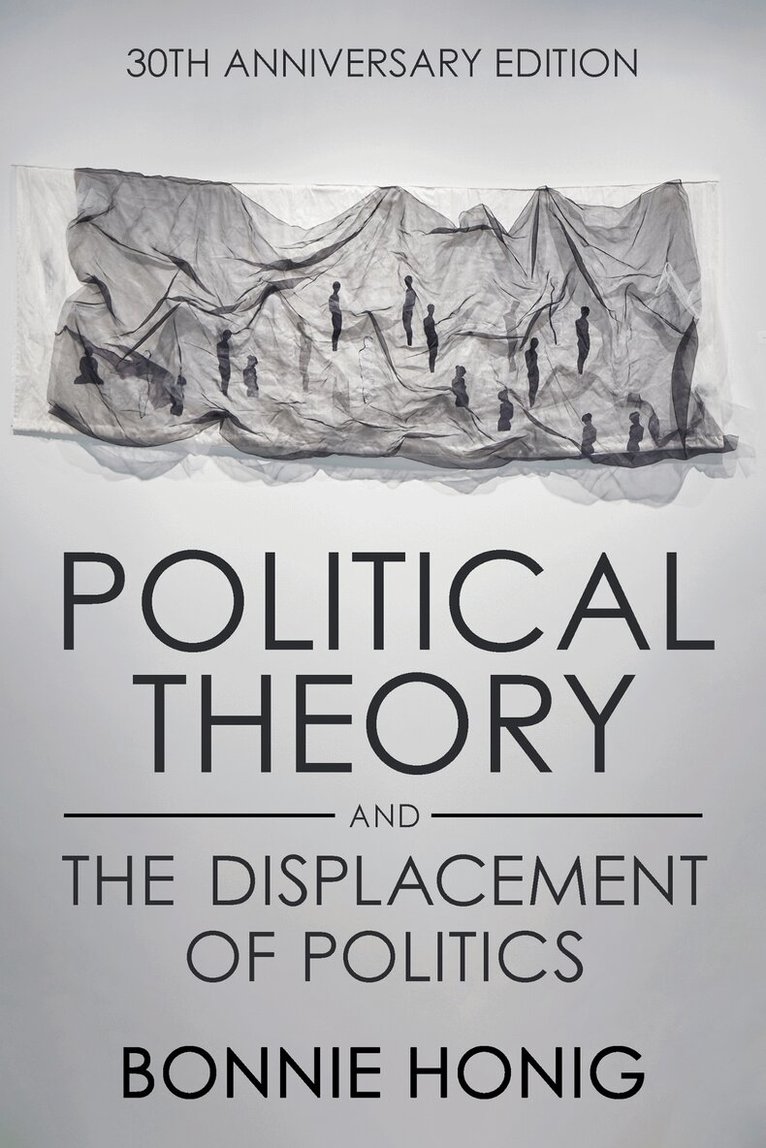
Political Theory and the Displacement of Politics, originally published in 1993, has been called a founding text of agonism, which treats political contestation not as a regrettably necessary way to correct political imperfections but as a necessary, sometimes joyful feature of democratic life. As Bonnie Honig writes in the preface to this thirtieth anniversary edition, "the agonism that informs this book is democratic: it is committed to shared spaces and relational practices in which diverse groups and individuals set and reset the terms of living together as equals."By rethinking the established relation between politics and political theory, Honig argues that political theorists of opposing positions often treat political theory less as an exploration of politics than as a series of devices for its displacement. She characterizes Kant, Rawls, and Sandel as virtue theorists of politics, arguing that they rely on principles of right, rationality, community, and law to protect their political theories from the conflict and uncertainty of political reality. Drawing on Nietzsche and Arendt as well as Machiavelli and Derrida, Honig instead explores an alternative politics of virtú, which treats the disruptions of political order as valued sites of democratic freedom and individuality.