Contextual Bach Studies - Böcker
Visar alla böcker i serien Contextual Bach Studies. Handla med fri frakt och snabb leverans.
10 produkter
10 produkter
Crucifixion in Music
An Analytical Survey of Settings of the Crucifixus between 1680 and 1800
Inbunden, Engelska, 2006
1 754 kr
Skickas inom 10-15 vardagar
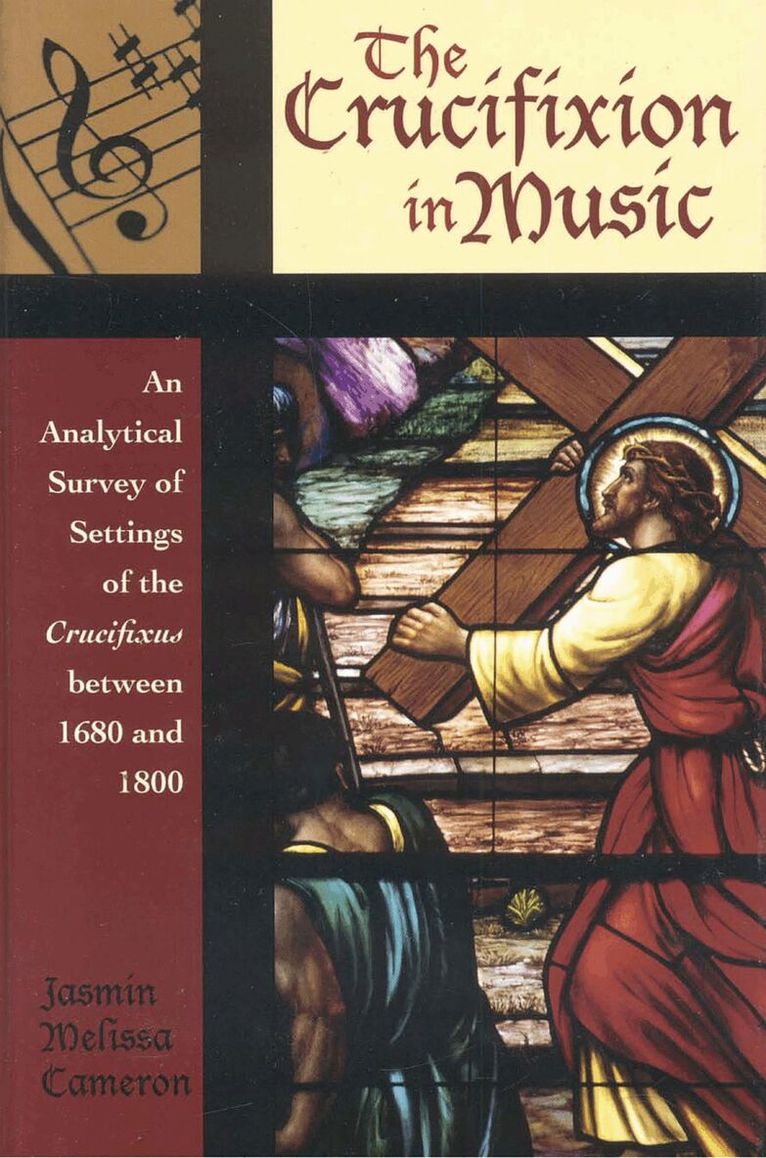
Unique yet diverse in its approach, The Crucifixion in Music examines how text is set in music through the specific musicological period from 1680 to 1800. The treatise focuses specifically on the literary text of the Crucifixus from the Credo of the Ordinary of the Roman Catholic Mass. Combining analytical theory and method to address musical rhetoric, semiotics, and theory, author Jasmin Cameron follows the Crucifixion through many settings in Baroque and Classical music.In this first title in Scarecrow Press's new series, Contextual Bach Studies, Cameron studies musical representations of the text, first through a discussion that establishes a theoretical framework, then by applying the framework to individual case studies, such as Johann Sebastian Bach's B Minor Mass. By studying the musical representation of the text, and the concepts and contexts to which the words refer, Cameron examines the way the treatment of a literary text fuses into a recognizable musical tradition that composers can follow, develop, modify, or ignore. With equal time given to the settings of the Crucifixus by composers before and after Bach's time, the reader is provided with a fuller historical context for Bach's genius. Cameron also combines the beliefs of past theorists with those of today, reaching a common ground among them, and providing a basis and analytical framework for further study.
Crucifixion in Music
An Analytical Survey of Settings of the Crucifixus between 1680 and 1800
Häftad, Engelska, 2006
1 039 kr
Skickas inom 10-15 vardagar
Unique yet diverse in its approach, The Crucifixion in Music examines how text is set in music through the specific musicological period from 1680 to 1800. The treatise focuses specifically on the literary text of the Crucifixus from the Credo of the Ordinary of the Roman Catholic Mass. Combining analytical theory and method to address musical rhetoric, semiotics, and theory, author Jasmin Cameron follows the Crucifixion through many settings in Baroque and Classical music.In this first title in Scarecrow Press's new series, Contextual Bach Studies, Cameron studies musical representations of the text, first through a discussion that establishes a theoretical framework, then by applying the framework to individual case studies, such as Johann Sebastian Bach's B Minor Mass. By studying the musical representation of the text, and the concepts and contexts to which the words refer, Cameron examines the way the treatment of a literary text fuses into a recognizable musical tradition that composers can follow, develop, modify, or ignore. With equal time given to the settings of the Crucifixus by composers before and after Bach's time, the reader is provided with a fuller historical context for Bach's genius. Cameron also combines the beliefs of past theorists with those of today, reaching a common ground among them, and providing a basis and analytical framework for further study.
2 049 kr
Skickas inom 10-15 vardagar
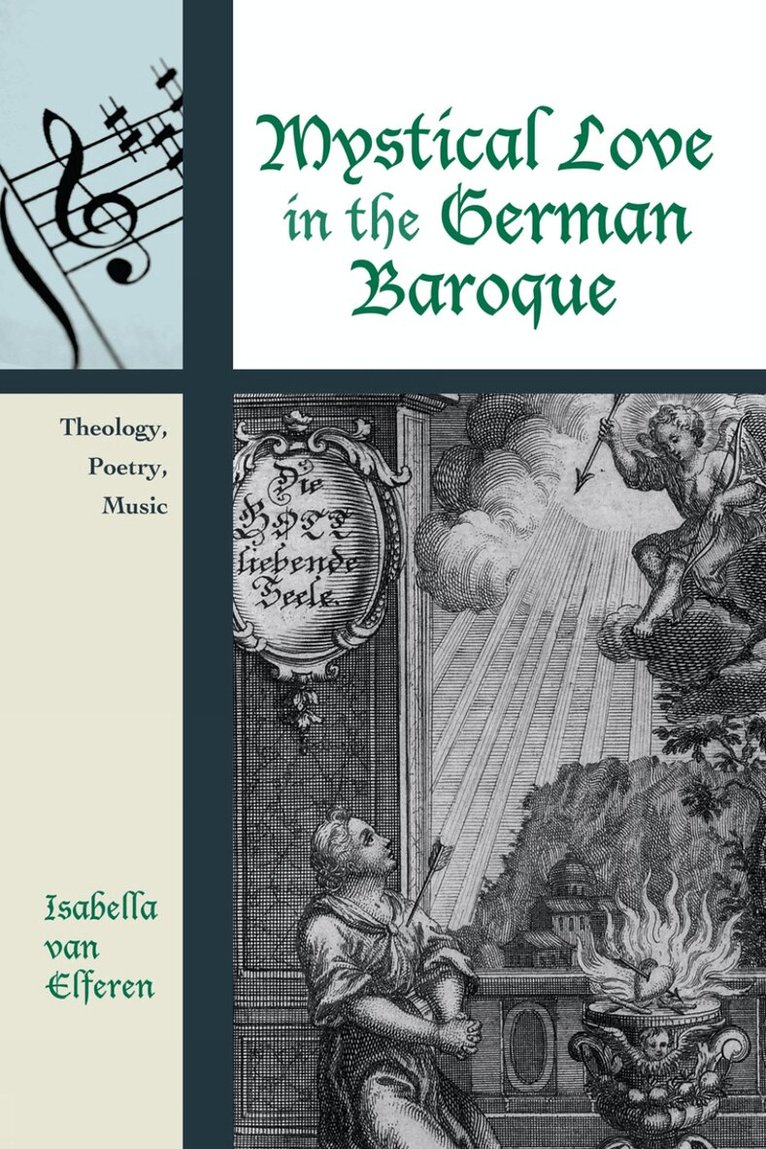
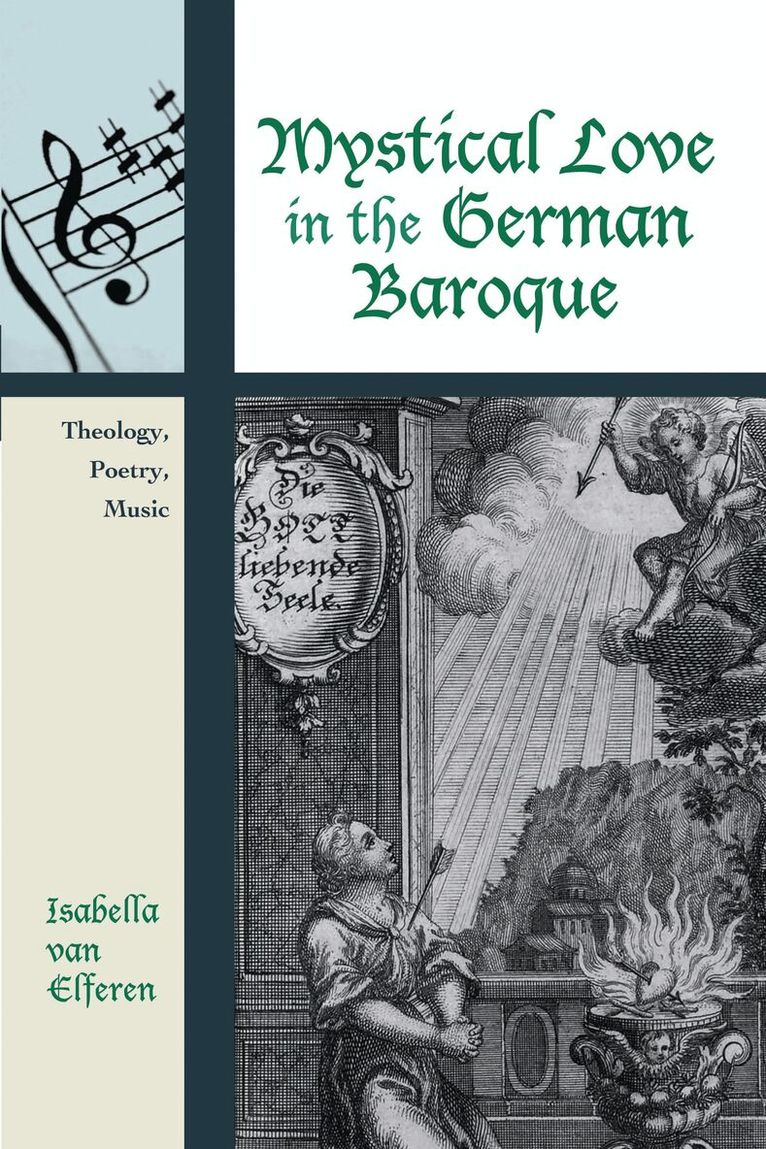
Mystical Love in the German Baroque: Theology, Poetry, Music identifies the cultural and devotional conventions underlying expressions of mystical love in poetry and music of the German baroque. It sheds new light on the seemingly erotic overtones in settings of the Song of Songs and dialogues between Christ and the faithful soul in late 17th- and early 18th-century cantatas by Heinrich Schütz, Dieterich Buxtehude, and Johann Sebastian Bach. While these compositions have been interpreted solely as a secularizing tendency within devotional music of the baroque period, Isabella van Elferen demonstrates that they need to be viewed instead as intensifications of the sacred. Based on a wide selection of previously unedited or translated 17th- and 18th-century sources, van Elferen describes the history and development of baroque poetic and musical love discourses, from Schütz's early works through Buxtehude's cantatas and Bach's cantatas and Passions. This long and multilayered discursive history of these compositions considers the love poetry of Petrarch, European reception of petrarchan imagery and traditions, its effect on the madrigal in Germany, and the role of Catholic medieval mystics in baroque Lutheranism. Van Elferen shows that Bach's compositional technique, based on the emotional characteristics of text and music rather than on the depiction of single words, allows the musical expression of mystical love to correspond closely to contemporary literary and theological conceptions of this affect.
1 619 kr
Skickas inom 10-15 vardagar
Mystical Love in the German Baroque: Theology, Poetry, Music identifies the cultural and devotional conventions underlying expressions of mystical love in poetry and music of the German baroque. It sheds new light on the seemingly erotic overtones in settings of the Song of Songs and dialogues between Christ and the faithful soul in late 17th- and early 18th-century cantatas by Heinrich Schütz, Dieterich Buxtehude, and Johann Sebastian Bach. While these compositions have been interpreted solely as a secularizing tendency within devotional music of the baroque period, Isabella van Elferen demonstrates that they need to be viewed instead as intensifications of the sacred. Based on a wide selection of previously unedited or translated 17th- and 18th-century sources, van Elferen describes the history and development of baroque poetic and musical love discourses, from Schütz's early works through Buxtehude's cantatas and Bach's cantatas and Passions. This long and multilayered discursive history of these compositions considers the love poetry of Petrarch, European reception of petrarchan imagery and traditions, its effect on the madrigal in Germany, and the role of Catholic medieval mystics in baroque Lutheranism. Van Elferen shows that Bach's compositional technique, based on the emotional characteristics of text and music rather than on the depiction of single words, allows the musical expression of mystical love to correspond closely to contemporary literary and theological conceptions of this affect.
1 520 kr
Skickas inom 10-15 vardagar
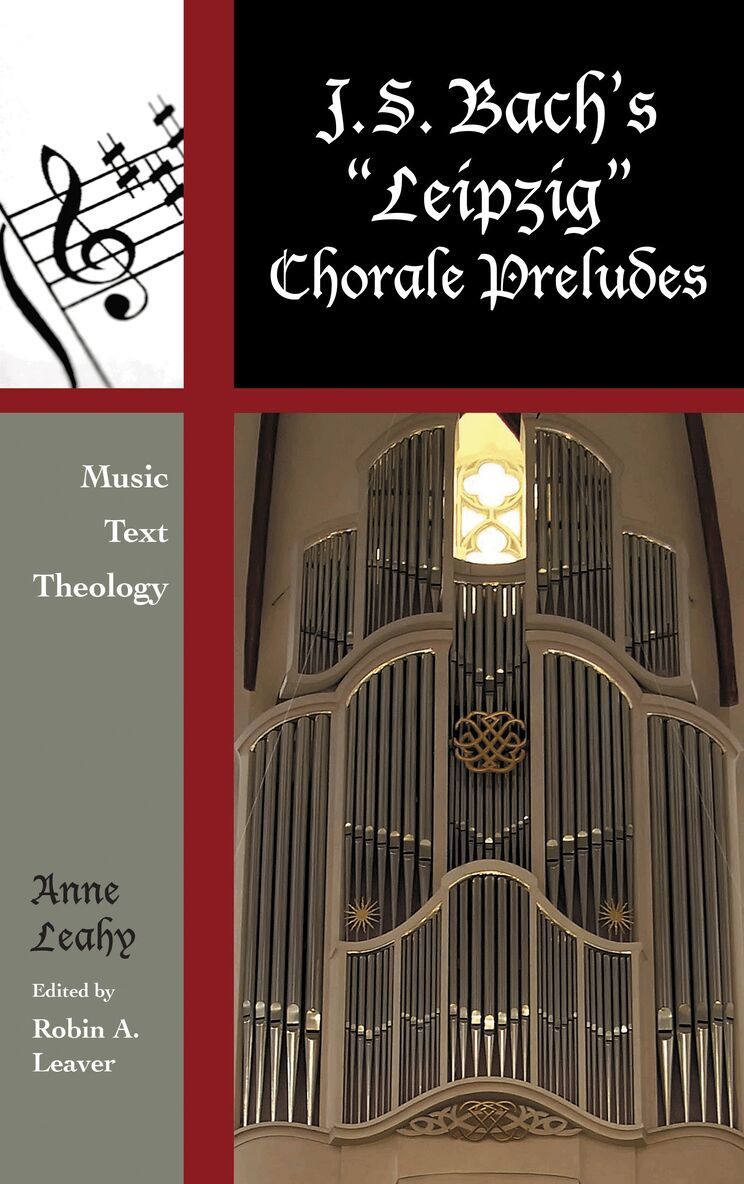
In 2007, the great Bach scholar Anne Leahy died at the age of 46. She was a leading light in Bach studies and lecturer at the Dublin Institute of Technology (DIT) Conservatory of Music and Drama. Posthumously edited by renowned Bach scholar Robin A. Leaver, Leahy's dissertation research forms the basis for this original study of the preludes to Bach's Leipzig chorales. Originally composed in Weimar and later revised in Leipzig, Bach's compositions have been a source of some puzzlement. As Leahy notes, "the original intentions of Bach and the possible purpose of this collection might be regarded as speculative." Working from available sources, however, she argues that through the careful examination of the links among the music, hymn texts, and theological sources some answers may be had. From Bach's personal and deep interest in Lutheran theology to his enormous musical passion, Leahy considers closely a series of critical questions: does the original manuscript for the chorales simply reflect a random gathering of compositions or is there a common theme in setting? How critical is the order of the chorales and what is the theological significance of that order? Were the chorales a unified collection, and if so, which parts were to be included and which not? Indeed, were the chorales themselves part of a possibly larger corpus?As Leahy makes evident, there are no simple answers, which is why she considers critical the relationship the texts of the hymns to the chorales and to one another, outlining a theological pattern that is vital to fully grasping the guiding philosophy of these compositions.J. S. Bach's "Leipzig" Chorale Preludes: Music, Text, Theology is ideally suited for Bach scholars and those with a general interest in the intricate connections between text and music in the composition of religious music.
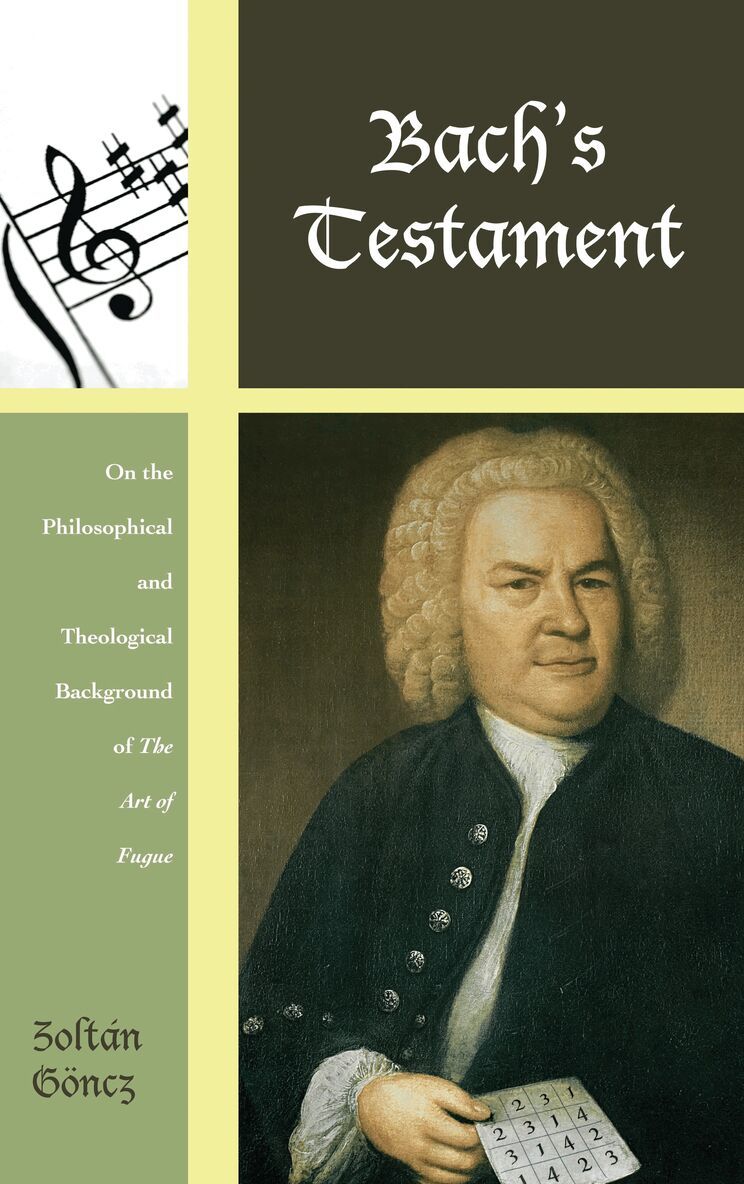
Bach's Testament
On the Philosophical and Theological Background of The Art of Fugue
Inbunden, Engelska, 2012
1 383 kr
Skickas inom 10-15 vardagar
Written late in his life, J. S. Bach’s The Art of Fugue has long been admired—in some quarters revered—as one of his masterworks. Its last movement, Contrapunctus 14, went unfinished, and the enigma of its incompleteness still preoccupies scholars and musical conductors alike. In 1881, Gustav Nottebohm discovered that the three subjects of the movement could be supplemented by a fourth. In 1993, Zoltán Göncz revealed that Bach had planned the passage that would join the four subjects in an entirely unique way. This section has not survived, but, as Göncz notes, it must have been ready in the earliest phase of composition since Bach had created the expositions of the first three subjects from its “disjointed” parts. Göncz then boldly took on the task of reconstructing the original “template” by putting together the once separate pieces.In Bach’s Testament: On the Philosophical and Theological Background of The Art of Fugue, Göncz probes the philosophic-theological background of The Art of Fugue, revealing the special structures that supported the 1993 reconstruction. Bach’s Testament investigates the reconstruction’s metaphysical dimensions, focusing on the quadruple fugue. As a summary of Zoltán Göncz’s extensive research over many years, which resulted in the completion of the fugue, this work explores the complex combinatorial, philosophical and theological considerations that inform its structure. Bach’s Testament is ideally suited not only to Bach scholars and musicologists but also intellectual historians with particular interests in 18th-century religious and philosophical ideas.
1 520 kr
Skickas inom 10-15 vardagar
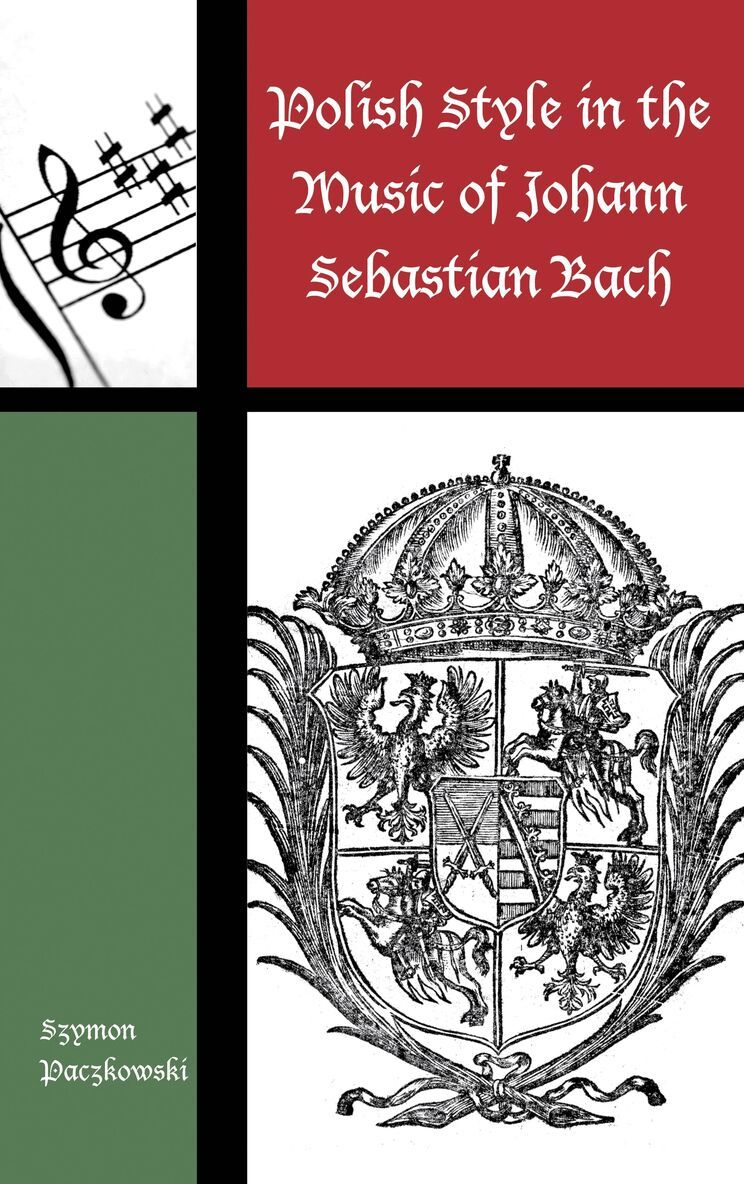
Now appearing in an English translation, this book by Szymon Paczkowski is the first in-depth exploration of the Polish style in the music of Johann Sebastian Bach. Bach spent almost thirty years living and working in Leipzig in Saxony, a country ruled by Friedrich August I and his son Friedrich August II, who were also kings of Poland (as August II and August III). This period of close Polish-Saxon relations left a significant imprint on Bach’s music. Paczkowski’s meticulous account of this complex political and cultural dynamic sheds new light on many of Bach’s familiar pieces. The book explores the semantic and rhetorical functions that undergird the symbolism of the Polish style in Baroque music. It demonstrates how the notion of a Polish style in music was developed in German music theory, and conjectures that Bach’s successful application for the title of Court Composer at the court of the Elector of Saxony and King of Poland would induce the composer to deliberately use elements of the Polish style.This comprehensive study of the way Bach used the Polish style in his music moves beyond technical analysis to place the pieces within the context of Baroque customs and discourse. This ambitious and inspiring study is an original contribution to the scholarly conversation concerning Bach’s music, focusing on the symbolism of the polonaise, the most popular and recognizable Polish dance in 18th-century Saxony. In Saxony at this time the polonaise was associated with the ceremonies of the royal-electoral court in Dresden, and Saxon musicians regarded it as a musical symbol of royalty. Paczkowski explores this symbolism of the Polish royal dance in Bach’s instrumental music and, which is also to be found to an even greater extent, in his vocal works.The Polish Style in the Music of Johann Sebastian Bach provides wide-ranging interpretations based on a careful analysis of the sources explored within historical and theological context. The book is a valuable source for both teaching and further research, and will find readers not only among musicologists, but also historians, art historians, and readers in cultural studies. All lovers of Bach’s music will appreciate this lucid and intriguing study.
1 619 kr
Skickas inom 10-15 vardagar
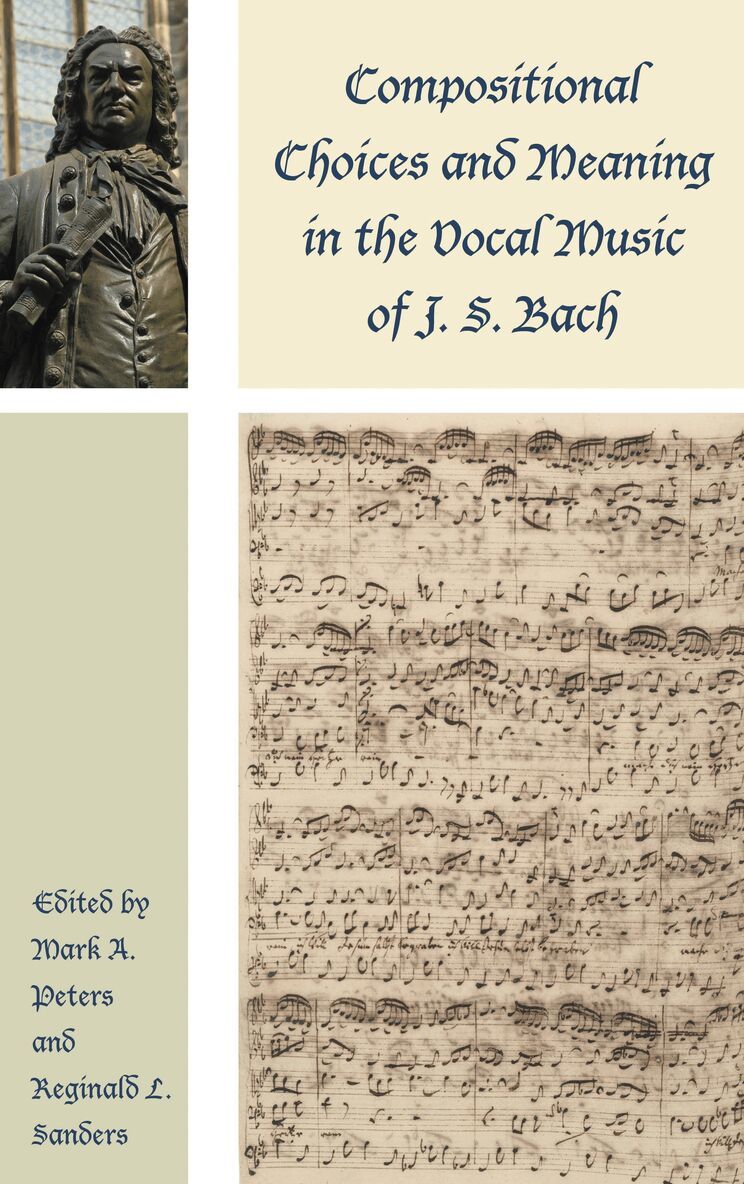
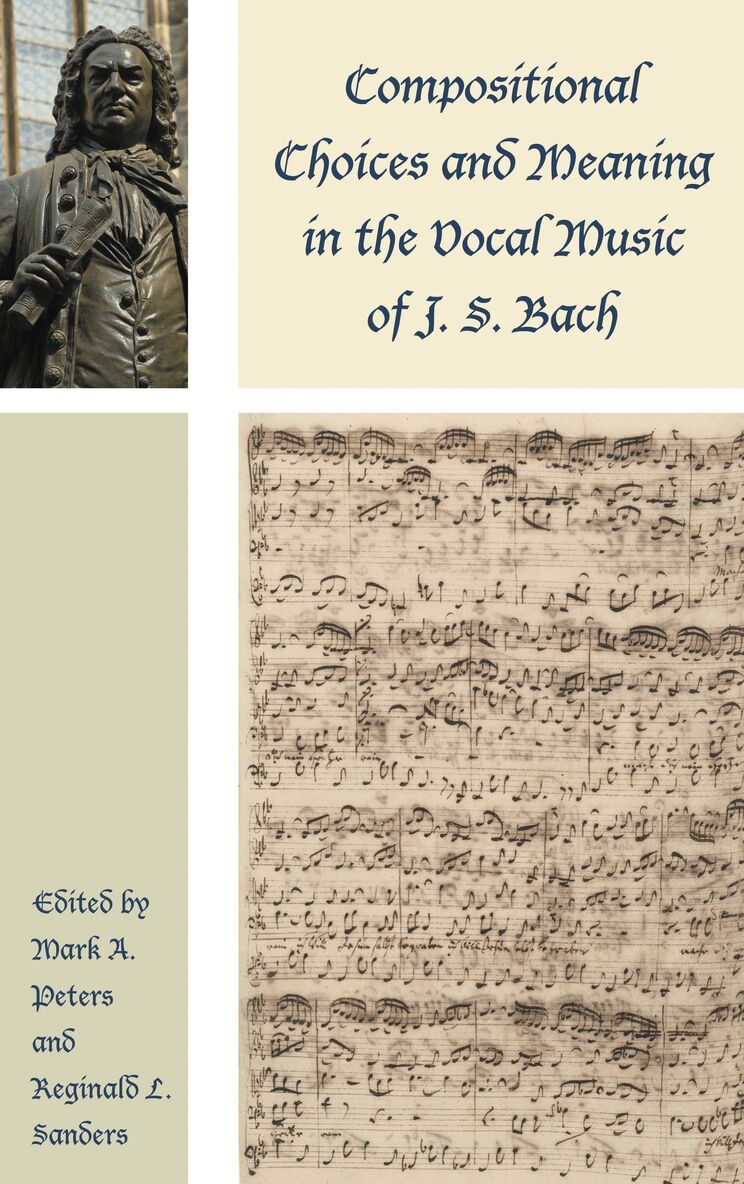
Compositional Choices and Meaning in the Vocal Music of J. S. Bach collects seventeen essays by leading Bach scholars. The authors each address in some way such questions of meaning in J. S. Bach’s vocal compositions—including his Passions, Masses, Magnificat, and cantatas—with particular attention to how such meaning arises out of the intentionality of Bach’s own compositional choices or (in Part IV in particular) how meaning is discovered, and created, through the reception of Bach’s vocal works. And the authors do not consider such compositional choices in a vacuum, but rather discuss Bach’s artistic intentions within the framework of broader cultural trends—social, historical, theological, musical, etc. Such questions of compositional choice and meaning frame the four primary approaches to Bach’s vocal music taken by the authors in this volume, as seen across the book’s four parts: Part I: How might the study of historical theology inform our understanding of Bach’s compositional choices in his music for the church (cantatas, Passions, masses)? Part II: How can we apply traditional analytical tools to understand better how Bach’s compositions were created and how they might have been heard by his contemporaries? Part III: What we can understand anew through the study of Bach’s self-borrowing (i.e., parody), which always changed the earlier meaning of a composition through changes in textual content, compositional characteristics, the work’s context within a larger composition, and often the performance context (from court to church, for example)? Part IV: What can the study of reception teach us about a work’s meaning(s) in Bach’s time, during the time of his immediate successors, and at various points since then (including our present)?The chapters in this volume thus reflect the breadth of current Bach research in its attention not only to source study and analysis, but also to meanings and contexts for understanding Bach’s compositions.
585 kr
Skickas inom 10-15 vardagar
Compositional Choices and Meaning in the Vocal Music of J. S. Bach collects seventeen essays by leading Bach scholars. The authors each address in some way such questions of meaning in J. S. Bach’s vocal compositions—including his Passions, Masses, Magnificat, and cantatas—with particular attention to how such meaning arises out of the intentionality of Bach’s own compositional choices or (in Part IV in particular) how meaning is discovered, and created, through the reception of Bach’s vocal works. And the authors do not consider such compositional choices in a vacuum, but rather discuss Bach’s artistic intentions within the framework of broader cultural trends—social, historical, theological, musical, etc. Such questions of compositional choice and meaning frame the four primary approaches to Bach’s vocal music taken by the authors in this volume, as seen across the book’s four parts: Part I: How might the study of historical theology inform our understanding of Bach’s compositional choices in his music for the church (cantatas, Passions, masses)? Part II: How can we apply traditional analytical tools to understand better how Bach’s compositions were created and how they might have been heard by his contemporaries? Part III: What we can understand anew through the study of Bach’s self-borrowing (i.e., parody), which always changed the earlier meaning of a composition through changes in textual content, compositional characteristics, the work’s context within a larger composition, and often the performance context (from court to church, for example)? Part IV: What can the study of reception teach us about a work’s meaning(s) in Bach’s time, during the time of his immediate successors, and at various points since then (including our present)?The chapters in this volume thus reflect the breadth of current Bach research in its attention not only to source study and analysis, but also to meanings and contexts for understanding Bach’s compositions.
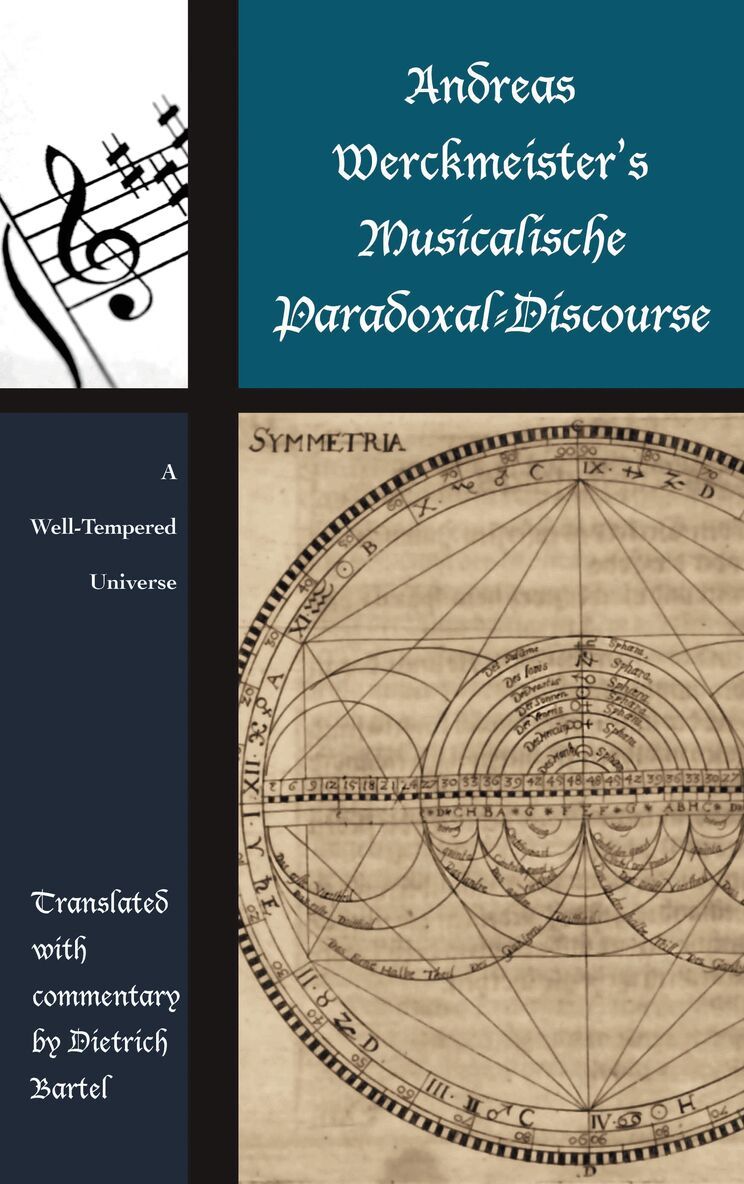
Andreas Werckmeister’s Musicalische Paradoxal-Discourse
A Well-Tempered Universe
Inbunden, Engelska, 2017
1 177 kr
Skickas inom 10-15 vardagar
Andreas Werckmeister (1645 – 1706), a late seventeenth-century German Lutheran organist, composer, and music theorist, is the last great advocate and defender of the Great Tradition in music, with its assumptions that music is a divine gift to humanity, spiritually charged yet rationally accessible, the key being a complex of mathematical proportions which govern and are at the root of the entire universe and all which that embraces. Thus understood, music is the audible manifestation of the order of the universe, allowing glimpses, sound-bites of the very Creator of a well-tempered universe, and of our relationship to each other, our environment, and the divine powers which placed us here. This is the subject matter of the conversation which Werckmeister wishes to have with us, his readers, particularly in his last treatise, the Musicalische Paradoxal-Discourse. But he does not make it easy for today’s readers. He assumes certain proficiencies from his readers, including detailed biblical knowledge, a fluency in Latin, and a familiarity with treatises and publications concerning music, theology, and a number of related disciplines. He writes in a rather archaic German, riddled with obscure references which require a thorough explanation. With its extensive commentary and translation of the treatise, this book seeks to bridge Werckmeister’s world with that of the twenty-first century. Werckmeister wrote for novice and professional musicians alike, an author who wanted to consider with his readers the basic and existential questions and issues regarding the wondrous art of music, questions as relevant then as they are now.