Continuum Studies in Philosophy of Religion – serie
Visar alla böcker i serien Continuum Studies in Philosophy of Religion. Handla med fri frakt och snabb leverans.
19 produkter
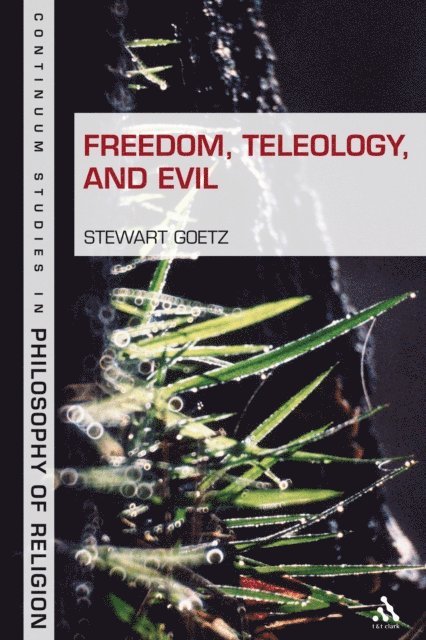
Freedom, Teleology, and Evil
E-bok, 2011
608 kr
Lägg i varukorg
In Freedom, Teleology, and Evil Stewart Goetz defends the existence of libertarian freedom of the will. He argues that choices are essentially uncaused events with teleological explanations in the form of reasons or purposes. Because choices are uncaused events with teleological explanations, …
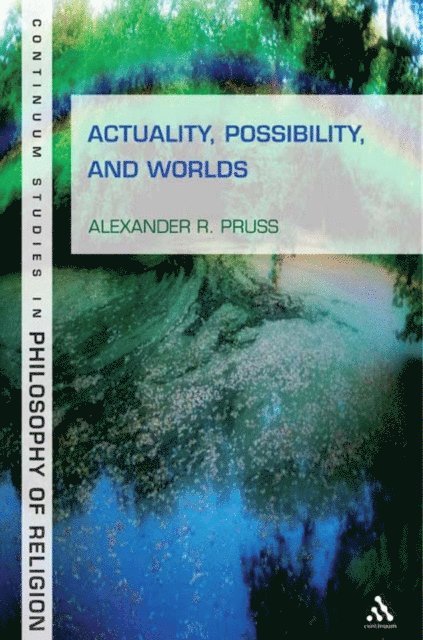
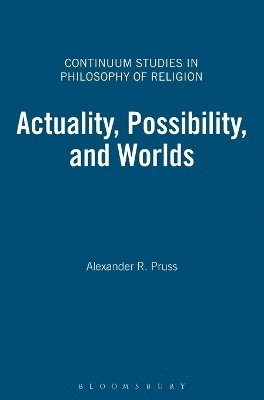
Actuality, Possibility, and Worlds
E-bok, 2011
610 kr
Lägg i varukorg
Actuality, Possibility and Worlds is an exploration of the Aristotelian account that sees possibilities as grounded in causal powers. On his way to that account, Pruss surveys a number of historical approaches and argues that logicist approaches to possibility are implausible. The notion of …
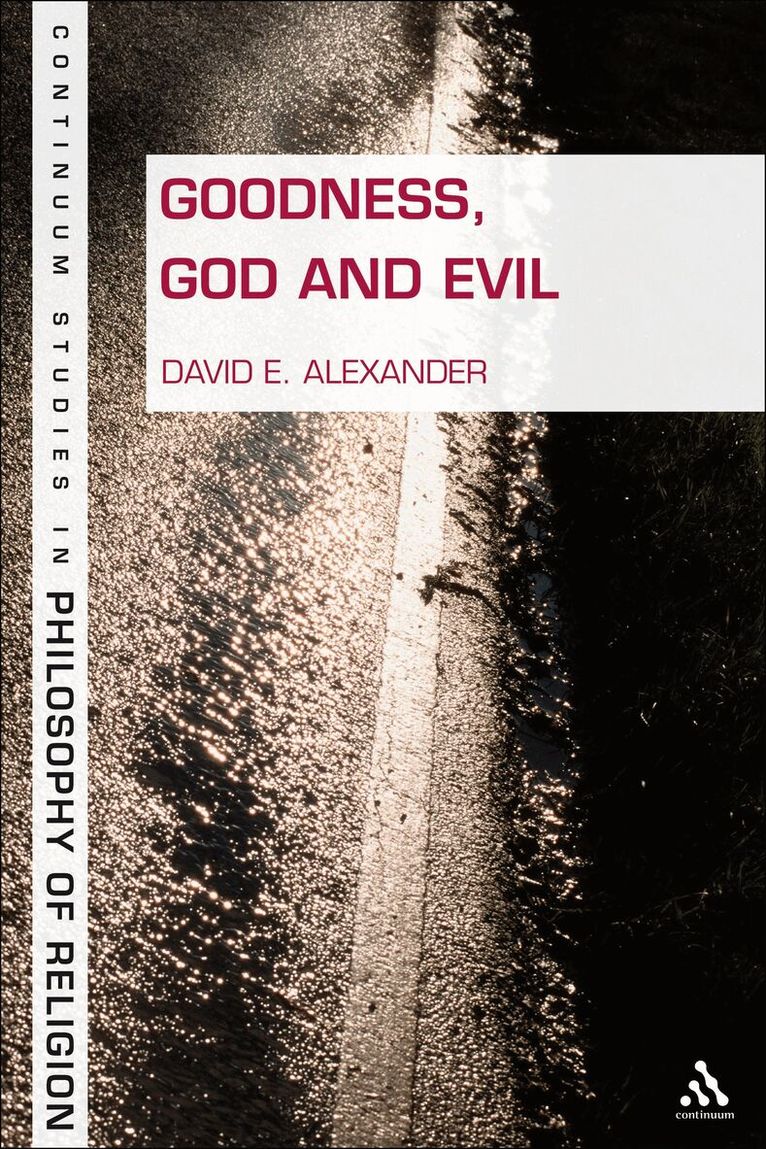
Goodness, God, and Evil
Inbunden, 2012
1991 kr
Lägg i varukorg
Most contemporary versions of moral realism are beset with difficulties. Many of these difficulties arise because of a faulty conception of the nature of goodness. Goodness, God and Evil lays out and defends a new version of moral realism that re-conceives that nature of goodness. Alexander argues …
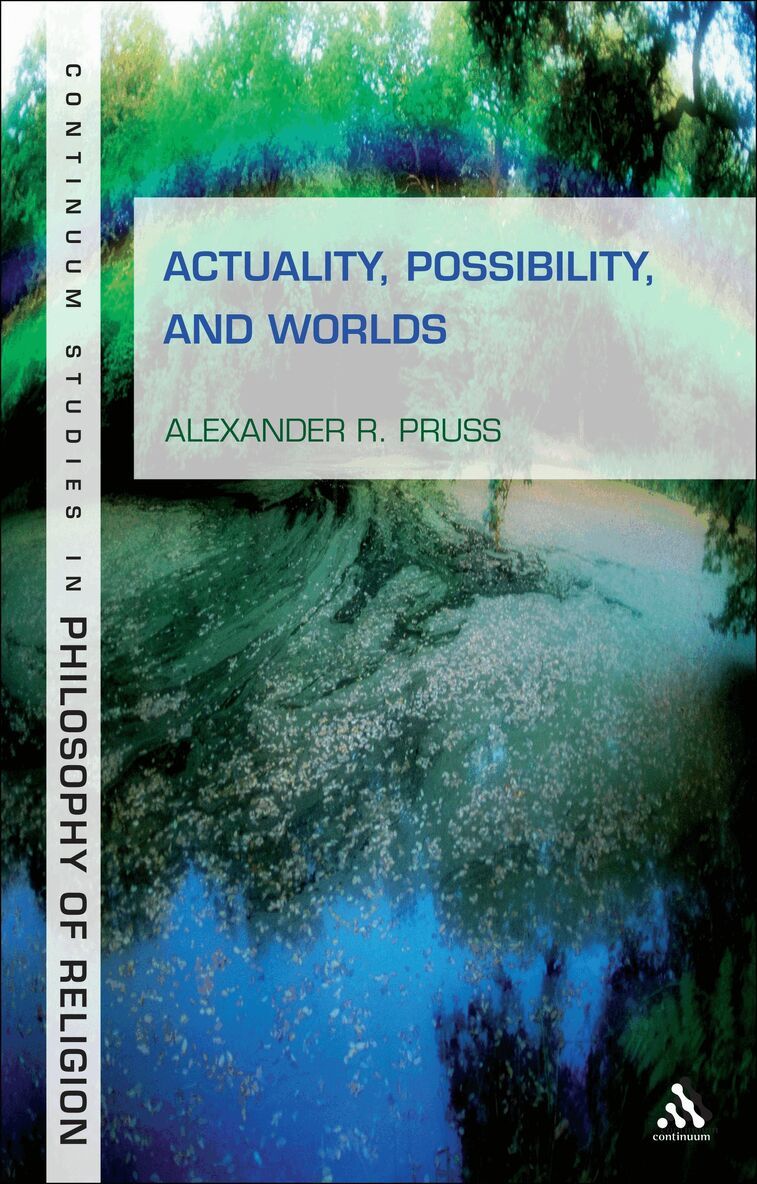
Actuality, Possibility, and Worlds
Häftad, 2011
574 kr
Lägg i varukorg
This is an original exploration of the philosophical arguments for and against the possibility of other worlds. "Actuality, Possibility and Worlds" is an exploration of the Aristotelian account that sees possibilities as grounded in causal powers. On his way to that account, Pruss surveys a number …
Actuality, Possibility, and Worlds
E-bok, 2011
624 kr
Lägg i varukorg
Actuality, Possibility and Worlds is an exploration of the Aristotelian account that sees possibilities as grounded in causal powers. On his way to that account, Pruss surveys a number of historical approaches and argues that logicist approaches to possibility are implausible. The notion of …
Actuality, Possibility, and Worlds
Inbunden, 2011
2416 kr
Lägg i varukorg
This is an original exploration of the philosophical arguments for and against the possibility of other worlds. "Actuality, Possibility and Worlds" is an exploration of the Aristotelian account that sees possibilities as grounded in causal powers. On his way to that account, Pruss surveys a number …
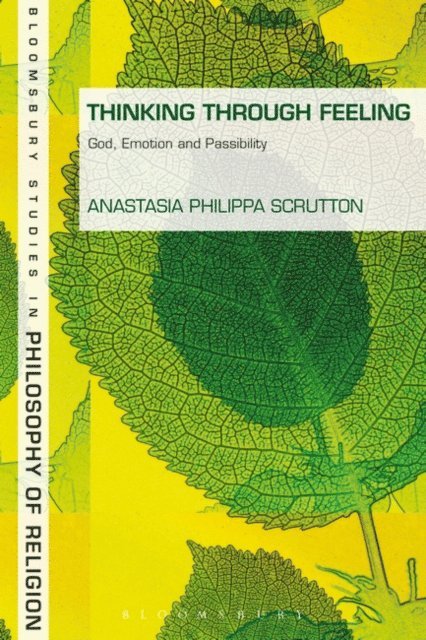
Thinking Through Feeling
God, Emotion and Passibility
Av Anastasia Philippa Scrutton
E-bok, 2011
589 kr
Lägg i varukorg
Contemporary debates on God''s emotionality are divided between two extremes. Impassibilists deny God''s emotionality on the basis of God''s omniscience, omnipotence and incorporeality. Passibilists seem to break with tradition by affirming divine emotionality, often focusing on the idea that God …
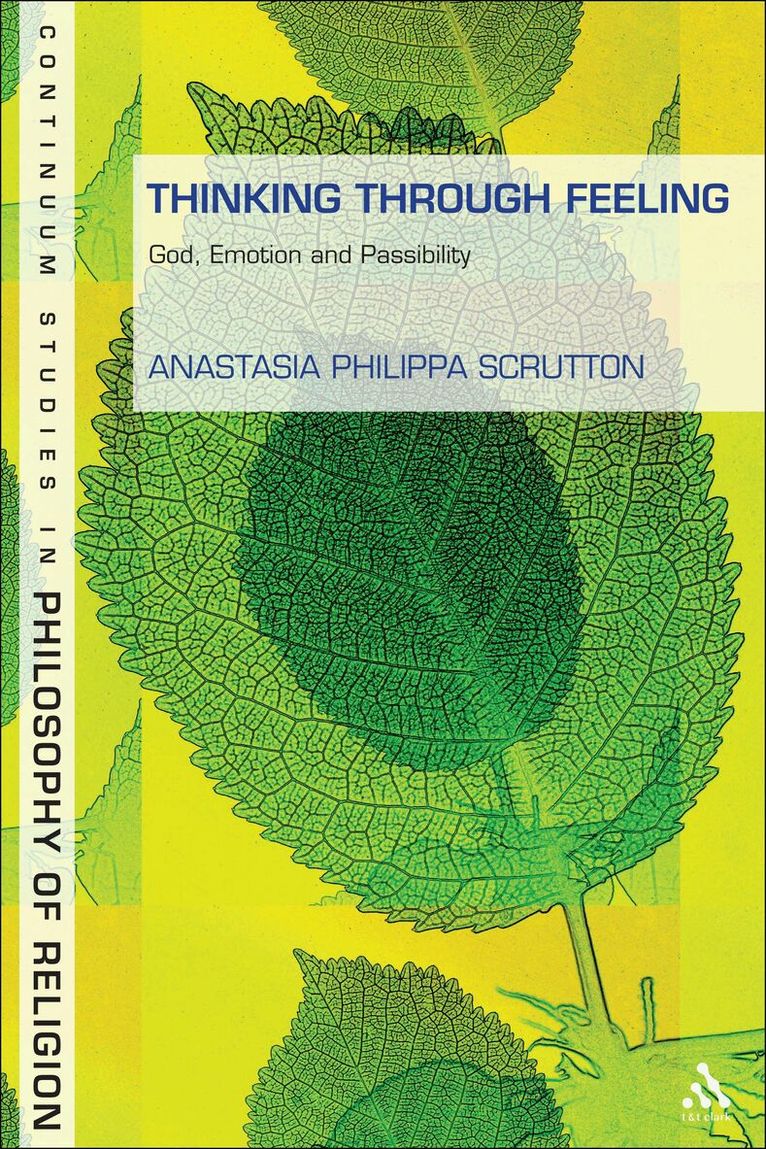
Thinking Through Feeling
God, Emotion and Passibility
Av Anastasia Philippa Scrutton
Inbunden, 2011
1991 kr
Lägg i varukorg
Contemporary debates on God's emotionality are divided between two extremes. Impassibilists deny God's emotionality on the basis of God's omniscience, omnipotence and incorporeality. Passibilists seem to break with tradition by affirming divine emotionality, often focusing on the idea that God …
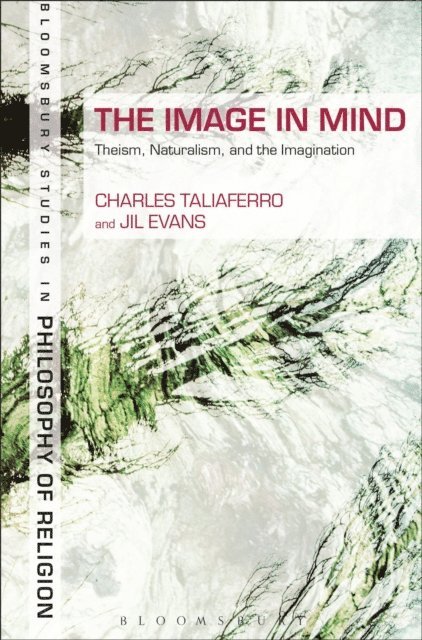
Image in Mind
Theism, Naturalism, and the Imagination
Av Charles Taliaferro, Jil Evans
E-bok, 2011
519 kr
Lägg i varukorg
A philosophical inquiry into the strengths and weaknesses of theism and naturalism in accounting for the emergence of consciousness, the visual imagination and aesthetic values. The authors begin by offering an account of modern scientific practice which gives a central place to the visual …
Well-Being and Theism
Linking Ethics to God
E-bok, 2012
608 kr
Lägg i varukorg
Well-Being and Theism is divided into two distinctive parts. The first part argues that desire-fulfillment welfare theories fail to capture the ''good'' part of ''good for'', and that objective list welfare theories fail to capture the ''for'' part of ''good for''. Then, with the aim of capturing …
Freedom, Teleology, and Evil
E-bok, 2008
590 kr
Lägg i varukorg
In Freedom, Teleology, and Evil Stewart Goetz defends the existence of libertarian freedom of the will. He argues that choices are essentially uncaused events with teleological explanations in the form of reasons or purposes. Because choices are uncaused events with teleological explanations, …
Goodness, God, and Evil
E-bok, 2012
608 kr
Lägg i varukorg
Most contemporary versions of moral realism are beset with difficulties. Many of these difficulties arise because of a faulty conception of the nature of goodness. Goodness, God, and Evil lays out and defends a new version of moral realism that re-conceives the nature of goodness. Alexander argues …
Thinking Through Feeling
God, Emotion and Passibility
Av Anastasia Philippa Scrutton
E-bok, 2011
595 kr
Lägg i varukorg
Contemporary debates on God''s emotionality are divided between two extremes. Impassibilists deny God''s emotionality on the basis of God''s omniscience, omnipotence and incorporeality. Passibilists seem to break with tradition by affirming divine emotionality, often focusing on the idea that God …
Freedom, Teleology, and Evil
Häftad, 2011
560 kr
Lägg i varukorg
In Freedom, Teleology, and Evil Stewart Goetz defends the existence of libertarian freedom of the will. He argues that choices are essentially uncaused events with teleological explanations in the form of reasons or purposes. Because choices are uncaused events with teleological explanations, …
Rainbow of Experiences, Critical Trust, and God
A Defense of Holistic Empiricism
Av Kai-man Kwan
E-bok, 2011
608 kr
Lägg i varukorg
The question of whether religious experience can be trusted has been hotly debated in epistemology and philosophy of religion in recent years. Kwan surveys this contemporary philosophical debate, provides in-depth analysis of the crucial issues, and offer arguments for an affirmative answer to the …
Well-Being and Theism
Linking Ethics to God
E-bok, 2012
595 kr
Lägg i varukorg
Well-Being and Theism is divided into two distinctive parts. The first part argues that desire-fulfillment welfare theories fail to capture the ''good'' part of ''good for'', and that objective list welfare theories fail to capture the ''for'' part of ''good for''. Then, with the aim of capturing …
Goodness, God, and Evil
E-bok, 2012
608 kr
Lägg i varukorg
Most contemporary versions of moral realism are beset with difficulties. Many of these difficulties arise because of a faulty conception of the nature of goodness. Goodness, God, and Evil lays out and defends a new version of moral realism that re-conceives the nature of goodness. Alexander argues …
Freedom, Teleology, and Evil
Inbunden, 2008
2133 kr
Lägg i varukorg
In "Freedom, Teleology, and Evil" Stewart Goetz defends the existence of libertarian freedom of the will. He argues that choices are essentially uncaused events with teleological explanations in the form of reasons or purposes. Because choices are uncaused events with teleological explanations, …
Image in Mind
Theism, Naturalism, and the Imagination
Av Charles Taliaferro, Jil Evans
Inbunden, 2011
2133 kr
Lägg i varukorg
A philosophical inquiry into the strengths and weaknesses of theism and naturalism in accounting for the emergence of consciousness, the visual imagination and aesthetic values. The authors begin by offering an account of modern scientific practice which gives a central place to the visual …