Crystals - Böcker
Visar alla böcker i serien Crystals. Handla med fri frakt och snabb leverans.
13 produkter
13 produkter
1 059 kr
Skickas inom 10-15 vardagar
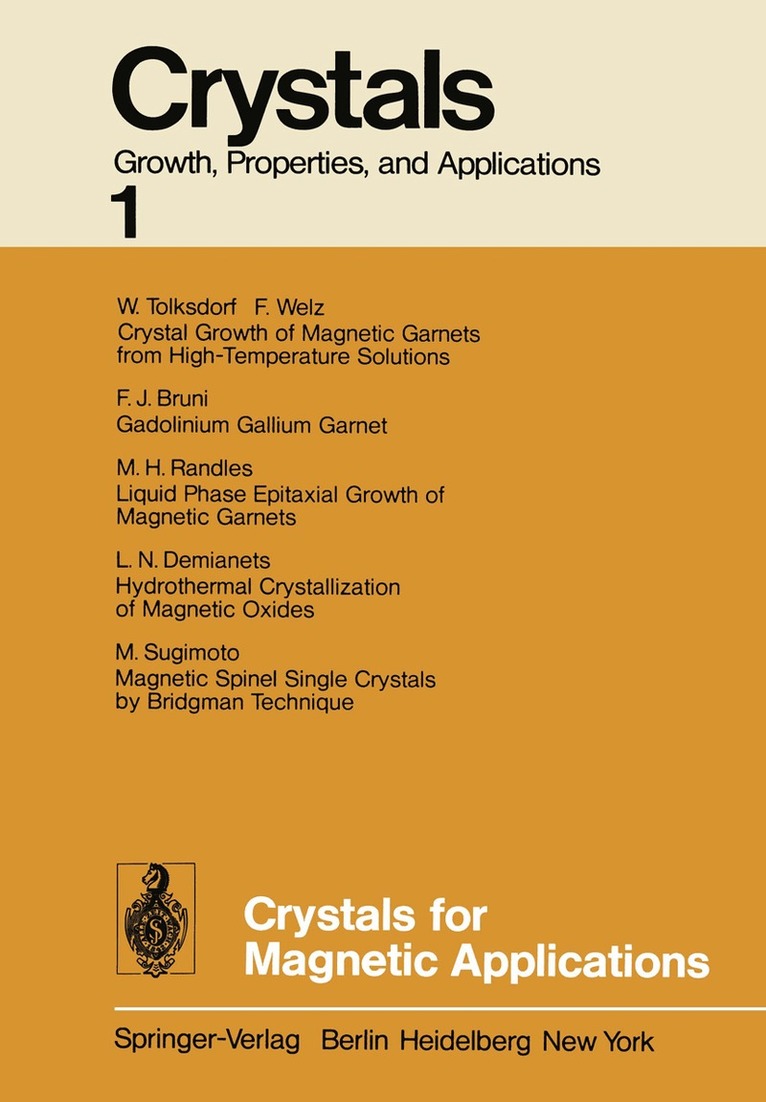
Springer-Verlag, Berlin Heidelberg, in conjunction with Springer-Verlag New York, is pleased to announce a new series: CRYSTALS Growth, Properties, and Applications The series will present critical reviews of recent developments in the field of crystal growth, properties, and applications. A substantial portion of the new series will be devoted to the theory, mechanisms, and techniques of crystal growth. Occasionally, clear, concise, complete, and tested instructions fqr growing crystals will be published, particularly in the case of methods and procedures that promise to have general applicability. Responding· to the ever-increasing need for crystal substances in research and industry, appropriate space will be devoted to methods of crystal characterization and analysis in the broadest sense, even though reproducible results may be expected only when structures, microstructures, and composition are really known. Relations among procedures, properties, and the morphology of crystals will also be treated with reference to specific aspects of their practical application. In this way, the series will bridge the gaps between the needs of research and industry, the pos sibilities and limitations of crystal growth, and the properties of crystals. Reports on the broad spectrum of new applications - in electronics, laser tech nology, and nonlinear optics, to name only a few - will be of interest not only to industry and technology, but to wider areas of applied physics as well and to solid state physics in particular. In response to the growing interest in and importance of organic crystals and polymers, they will also be treated.
1 059 kr
Skickas inom 10-15 vardagar
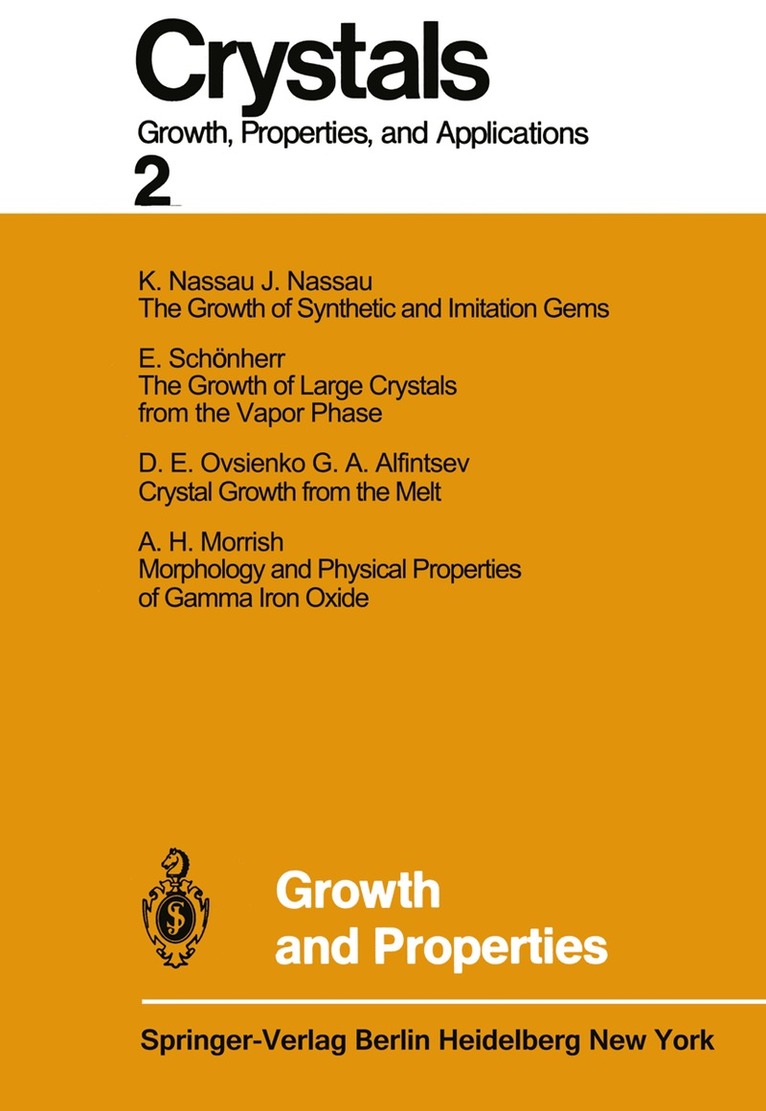
Springer-Verlag, Berlin Heidelberg, in conjunction with Springer-Verlag New York, is pleased to announce a new series: CRYSTALS Growth, Properties, and Applications The series presents critical reviews of recent developments in the field of crystal growth, properties, and applications. A substantial portion of the new series will be devoted to the theory, mechanisms, and techniques of crystal growth. Occasionally, clear, concise, complete, and tested instructions for growing crystals will be published, particularly in the case of methods and procedures that promise to have general applicability. Responding to the ever-increasing need for crystal substances in research and industry, appropriate space will be devoted to methods of crystal characterization and analysis in the broadest sense, even though reproducible results may be expected only when structures, microstructures, and composition are really known. Relations among procedures, properties, and the morphology of crystals will also be treated with reference to specific aspects of their practical application. In this way the series will bridge the gaps between the needs of research and industry, the pos sibilities and limitations of crystal growth, and the properties of crystals. Reports on the broad spectrum of new applications - in electronics, laser tech nology, and nonlinear optics, to name only a few - will be of interest not only to industry and technology, but to wider areas of applied physics as well and to solid state physics in particular. In response to the growing interest in and importance of organic crystals and polymers, they will also be treated.
1 059 kr
Skickas inom 10-15 vardagar
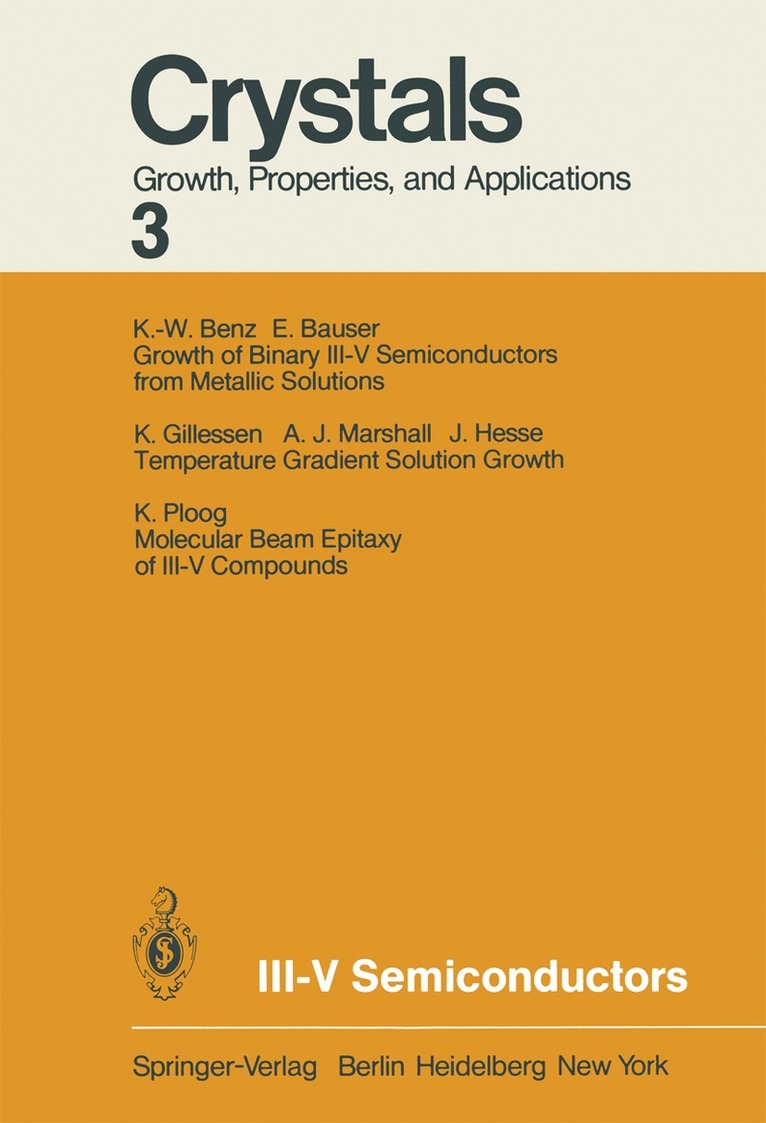
Springer-Verlag, Berlin Heidelberg, in conjunction with Springer-Verlag New York, is pleased to announce a new series: CRYSTALS Growth, Properties, and Applications The series presents critical reviews of recent developments in the field of crystal growth, properties, and applications. A substantial portion of the new series will be devoted to the theory, mechanisms, and techniques of crystal growth. Occasionally, clear, concise, complete, and tested instructions for growing crystals will be published, particularly in the case of methods and procedures that promise to have general applicability. Responding to the ever-increasing need for crystal substances in research and industry, appropriate space will be devoted to methods of crystal characterization and analysis in the broadest sense, even though reproducible results may be expected only when structures, microstructures, and composition are really known. Relations among procedures, properties, and the morphology of crystals will also be treated with reference to specific aspects of their practical application. In this way the series will bridge the gaps between the needs of research and industry, the pos sibilities and limitations of crystal growth, and the properties of crystals. Reports on the broad spectrum of new applications - in electronics, laser tech nology, and nonlinear optics, to name only a few - will be of interest not only to industry and technology, but to wider areas of applied physics as well and to solid state physics in particular. In response to the growing interest in and importance of organic crystals and polymers, they will also be treated.
1 059 kr
Skickas inom 10-15 vardagar
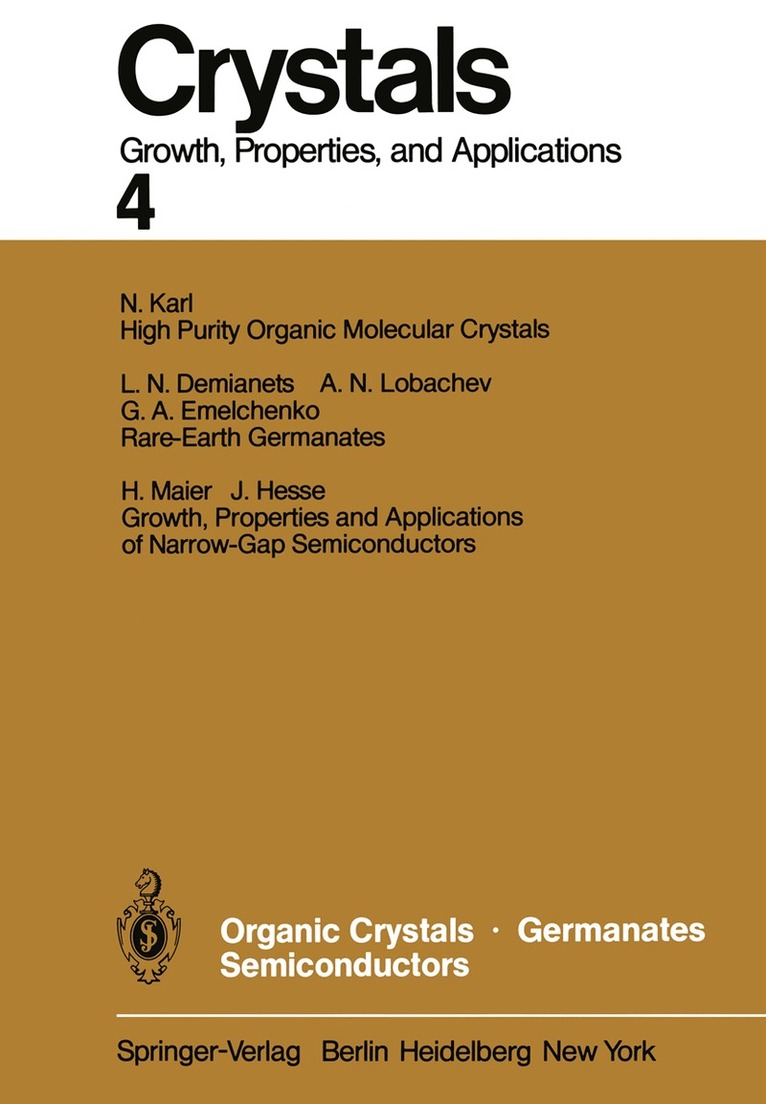
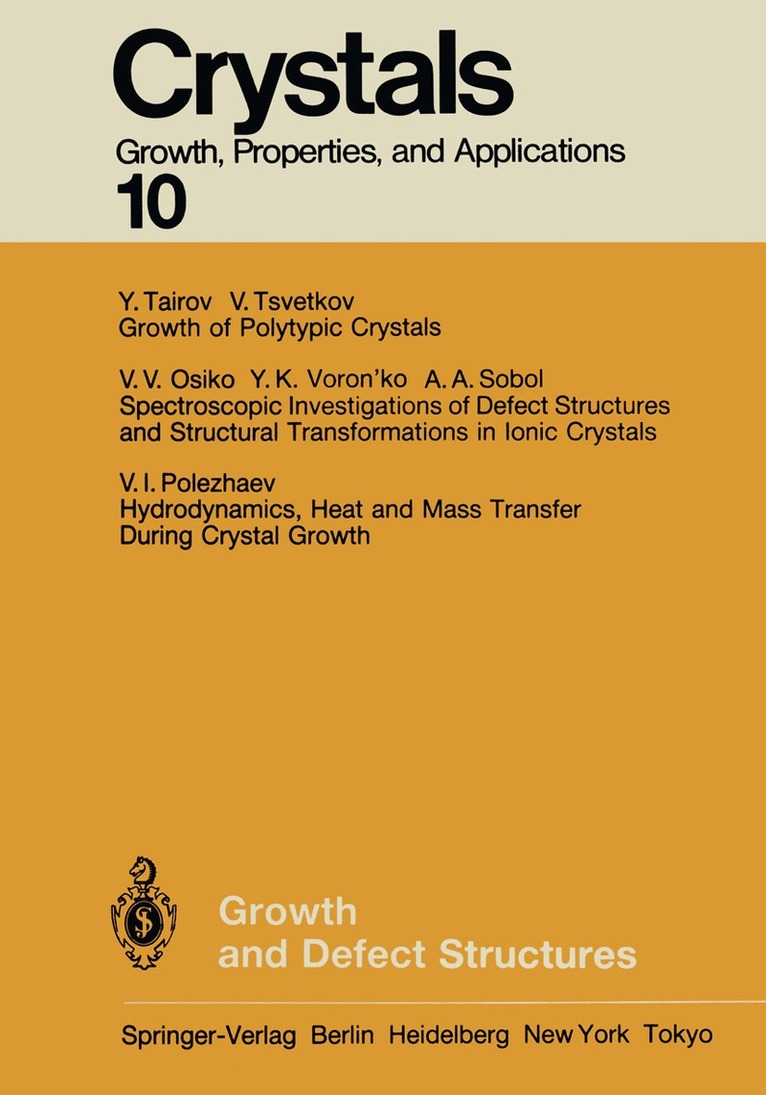
1.1 Preface Organic chemistry had its origin in chemicals which are synthesized by living cells. These chemicals consist of molecules whose skeletons are built up of carbon atoms. The remaining valences are connected with ligands such as hydrogen, halo gens, -OH,==O, -NH . Some of the skeletal carbon atoms can be replaced by non 2 metals such as oxygen, nitrogen, or sulfur {"heteroatoms"}. It is characteristic for the living world, not to be in a crystalline state. However it is possible to obtain single crystals from many organic compounds both of natural and synthetic origin. For a number of years the physics and chem istry of these crystals have stimulated fundamental research on a rapidly growing scale. The great variety of possible organic structures {as compared to inorganics} opens up a large field of new materials and of novel material properties; for previous literature reviews and data compilations see 1-40) and Chap. 6. The art of producing good and pure organic single crystals has developed hand in-hand with the ever growing requirements of basic research, arising from its interest in fundamental interactions in the solid state. Interactions manifest themselves in a very detailed way by energy transfer.
1 059 kr
Skickas inom 10-15 vardagar
1.1 The Role of Silicon as a Semiconductor Silicon is unchallenged as a semiconductor base material in our present electronics indu stry. The reasons why it qualifies so strongly for this particular purpose are manyfold. The attractive combination of physical (electrical) properties of silicon and the unique properties of its native oxide layer have been the original factors for its breathtaking evolution in device technology. The majority of reasons, however, for its present status are correlated with industrial prosessing in terms of charge units ( economy), reliability (reproducibility), and flexibility, but also its availability. The latter point, in particular, plays an important role in the different long-term projects on the terrestrial application of solar cells. Practically inexhaustive resources of silicon dioxide form a sound basis even for the most pretentious programs on future alternatives to relieve the present situation in electrical power generation by photovol taics. Assuming a maximum percentage of 10% to be replaced by the year 2000 would roughly mean a cumulative annual production of 2 million metric tons of crude silicon (based on present solar cell standards)!). To illustrate the orders of magnitude that have to be discussed in pertinent programs: Today, the industrial silicon capacity of non-communistic countries (including ferrosili con and other alloys by their relative Si-content) amounts to some 2 million tons per year.
1 059 kr
Skickas inom 10-15 vardagar
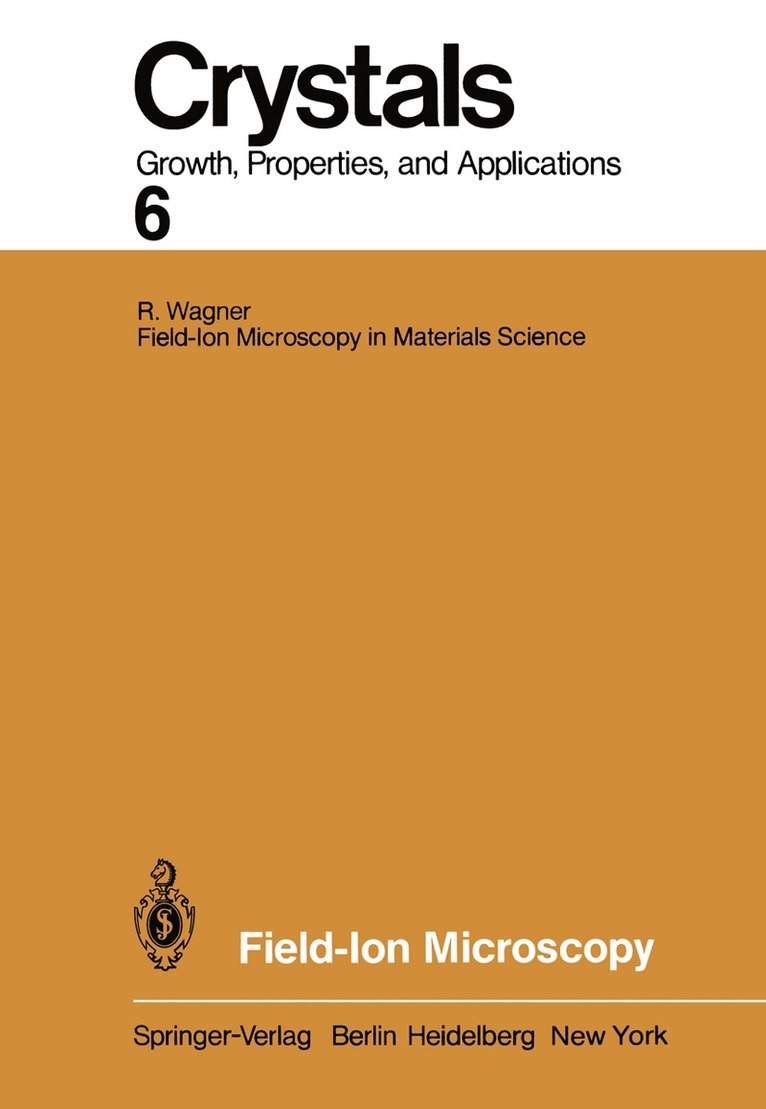
Despite the recent progress in developing various microanalytical tools of better spatial resolution and more sensitivity to chemical analyses for the study of various defects in metallic solids the Field-Ion Microscope (FIM) still remains the only instrument up to now to resolve single atoms in the surface of a metal. Fifteen years after Milller!) invented the FIM he was also the first to combine the FIM with a time-of-flight (ToF) mass spectrometer - the so-called Atom-Probe FlM - to identify the chemical nature of single atoms imaged in the FIM2). Originally the motivation to develop the ToF atom probe was to use this method to obtain some more fundamental understanding of field ionization and field evaporation, the most basic physical processes in field-ion microscopy. Even after the successful combination of a FIM with a ToF atom probe had been accomplished, the technique was rarely applied to metallurgical investigations since for a fairly long period only refractory metals such as tungsten, molybdenum, iridium, etc. could be imaged in the FIM. How ever, these metals do not playa very important role in metallurgy. Only when Turner et 3 al. ) substituted the conventional phosphorescent screen of the field-ion microscope with micro-channel electron multiplier arrays, termed micro channel plates, did it become possible to image in the FIM the less refractory metals like Fe, Cu, Ni and even AI.
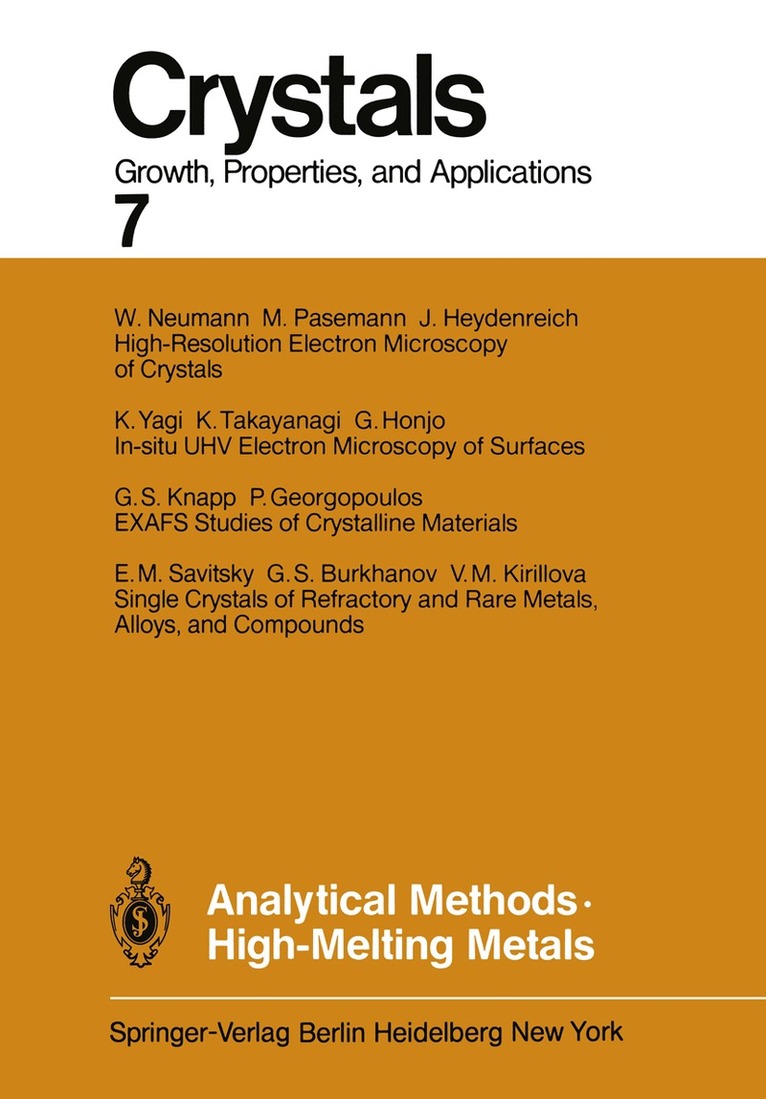
Analytical Methods High-Melting Metals
Häftad, Engelska, 2011
1 059 kr
Skickas inom 10-15 vardagar
In solid state physics and in materials science the investigation of the connection between the properties of solids and their microstructure is of major importance. For crystalline materials this connection is related to the lattice structure, and it can be shown convinc ingly that the material properties depend on deviations from the ideal lattice structure in the majority of cases. For this reason a reliable detection and analysis of defects in "nearly perfect" crystals is necessary, and a sufficient spatial resolution of the methods applied is required. Because electrons on the one hand strongly interact with the matter to be investigated and on the other hand can easily be focused electron-optical methods are very advantageous for this purpose. They are used in the diffraction mode, in the imaging mode and in the spectroscopic mode. The attainable high lateral resolution in the imaging mode makes the application of electron microscopy especially effective. Although already valuable information on crystal defects can be gained by using the routine technique of diffraction contrast imagingl-3) which has a resolution of some 4 10 nm - in the special weak-beam technique ) of some nm -, the detection of crystal defects and inhomogeneities, resp. on an atomic or molecular level by the aid of high resolution electron microscopy gets increasing importance.
1 059 kr
Skickas inom 10-15 vardagar
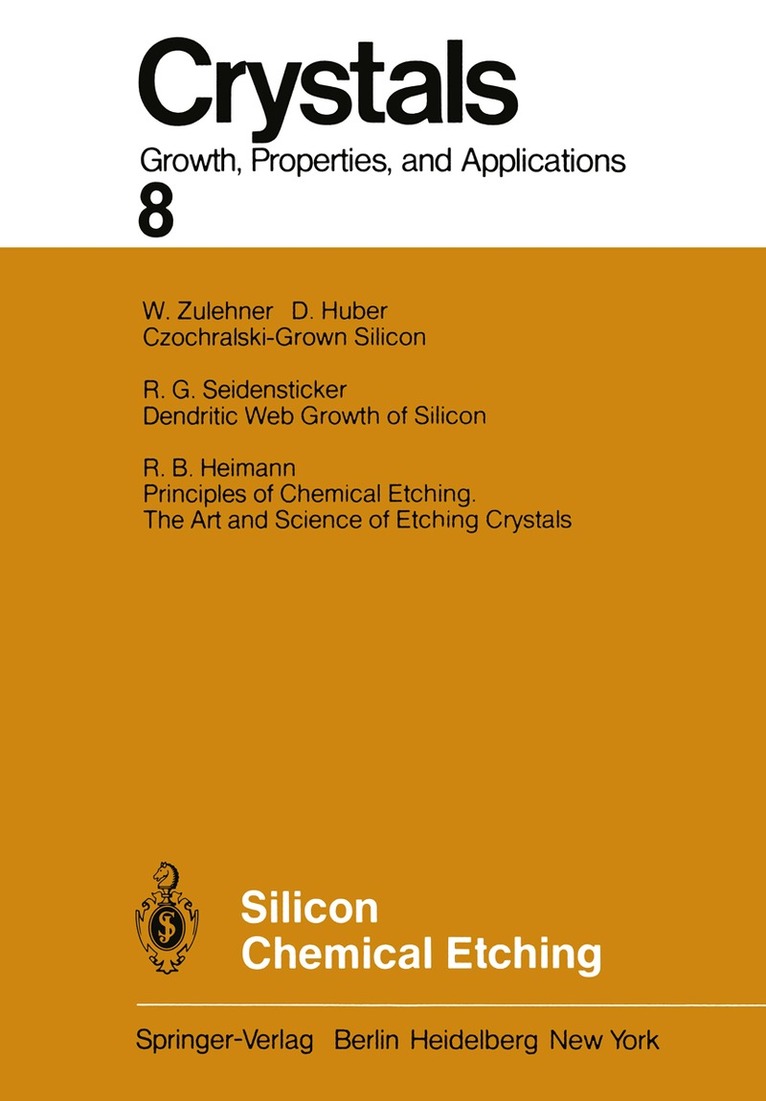
In the first contribution to this volume we read that the world-wide production of single crystal silicon amounts to some 2000 metric tons per year. Given the size of present-day silicon-crystals, this number is equivalent to 100000 silicon-crystals grown every year by either the Czochralski (80%) or the floating-zone (20%) technique. But, to the best of my knowledge, no coherent and comprehensive article has been written that deals with "the art and science", as well as the practical and technical aspects of growing silicon crystals by the Czochralski technique. The same could be said about the floating-zone technique were it not for the review article by W. Dietze, W. Keller and A. Miihlbauer which was published in the preceding Volume 5 ("Silicon") of this series (and for a monograph by two of the above authors published about the same time). As editor of this volume I am very glad to have succeeded in persuading two scien tists, W. Zulehner and D. Huber, of Wacker-Chemitronic GmbH - the world's largest producer of silicon-crystals - to write a comprehensive article about the practical and scientific aspects of growing silicon-crystals by the Czochralski method and about silicon wafer manufacture. I am sure that many scientists or engineers who work with silicon crystals -be it in the laboratory or in a production environment - will profit from the first article in this volume.
1 059 kr
Skickas inom 10-15 vardagar
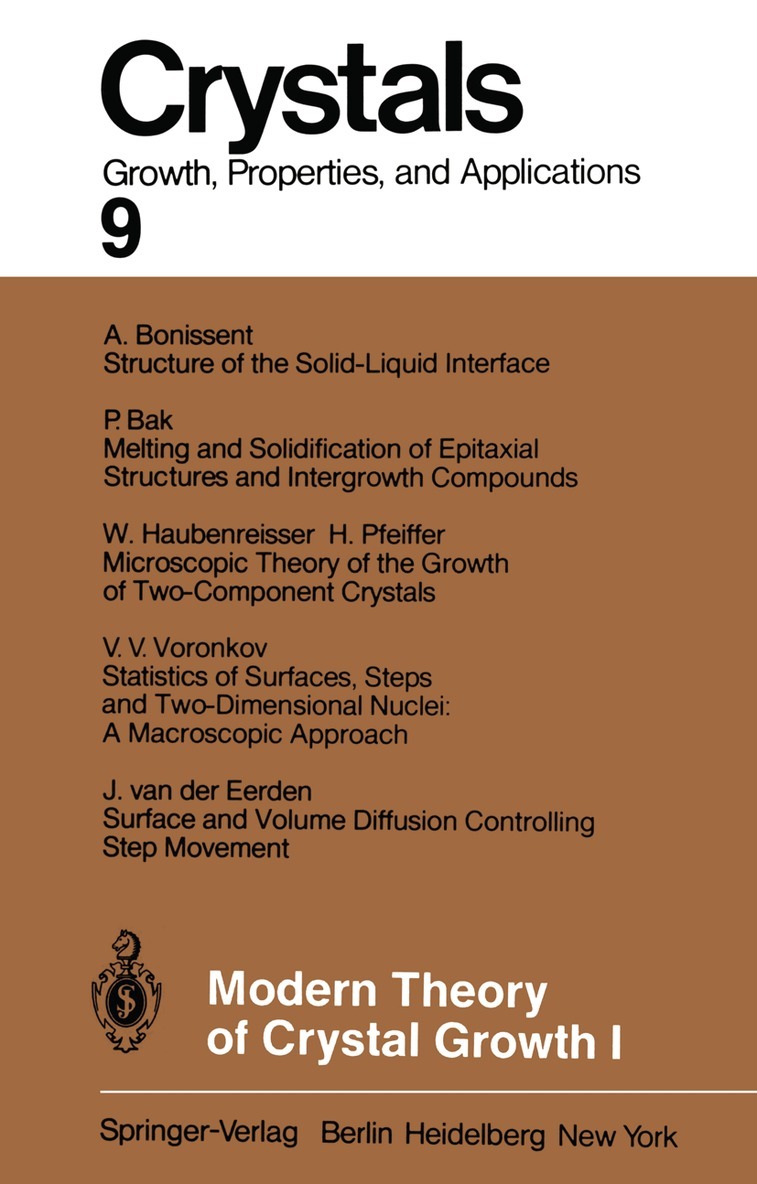
Our understanding of the basic processes of crystal growth has meanwhile reached the level of maturity at least in the phenomenological concepts. This concerns for example the growth of pure crystals from a low-density nutrient phase like vapor or dilute solution with various aspects of pattern formation like spiral and layer growth, facetting and roughening, and the stability of smooth macroscopic shapes, as well as basic mechanisms of impurity incorporation in melt growth of (in this sense) simple materials like silicon or organic model substances. In parallel the experimental techniques to quantitatively ana lyze the various growth mechanisms have also reached a high level of reproducibility and precision, giving reliable tests on theoretical predictions. These basic concepts and appli cations to experiments have been recently reviewed by one of us (A. A. C. ) in "Modern Crystallography III. Crystal Growth" (Springer Series on Solid State Sciences, 1983). It has to be emphasized, however, that for practical applications we are still unable to quantitatively calculate many important parameters like kinetic coefficients from first principles. For mixed systems such as complex oxides, solutions and systems with chemi cal reactions, our degree of understanding is even lower. As a few examples for present achievements we note that experiments with vapour and molecular beam condensation of alkali halides confirmed the qualitatively predicted mechanisms of screw dislocations and two-dimensional nucleation for layer-growth.
1 059 kr
Skickas inom 10-15 vardagar
Polytypic crystals of semiconductors, dielectrics and magnetic materials attract an increasing attention in science and technology. On one hand, the phenomenon of polyty pism is one of the fundamental problems of solid-state physics; its solution would make it possible to elucidate- the problem of the interconnection of different structures and intraatomic forces acting in crystals. On the other hand, the polytypic difference in crystals is most strongly expressed in electro-physical properties, which makes their application promising, mainly in semiconductor electronics. Thus, the difficulties of pro ducing modulated structures in polytypic crystals can be overcome since these crystals form a class of one-dimensional natural superlattices. At present it has become clear that polytypism in crystals and compounds is the rule rather than an exception and it is determined by the conditions of their synthesis. This phenomenon seems to be rather widespread in nature and fundamental for crystal forma tion. H polytypism was recently thought to be but a specific structural feature of a few substances such as SiC, ZnS, CdI , etc. , by now this phenomenon has been discovered in 2 v an increasing range of crystalline substances, for example, in silicon, diamond, AIIIB , VI AIIB , AIBVII compounds, in ternary semiconducting compounds, metals, silicates, perovskites, mica, organic crystals. The more accurately the structural studies are per formed, the greater is the number of crystals of various substances found to exhibit the phenomenon of polytypism. Recently, excellent surveys have systematized our knowledge of polytypism.
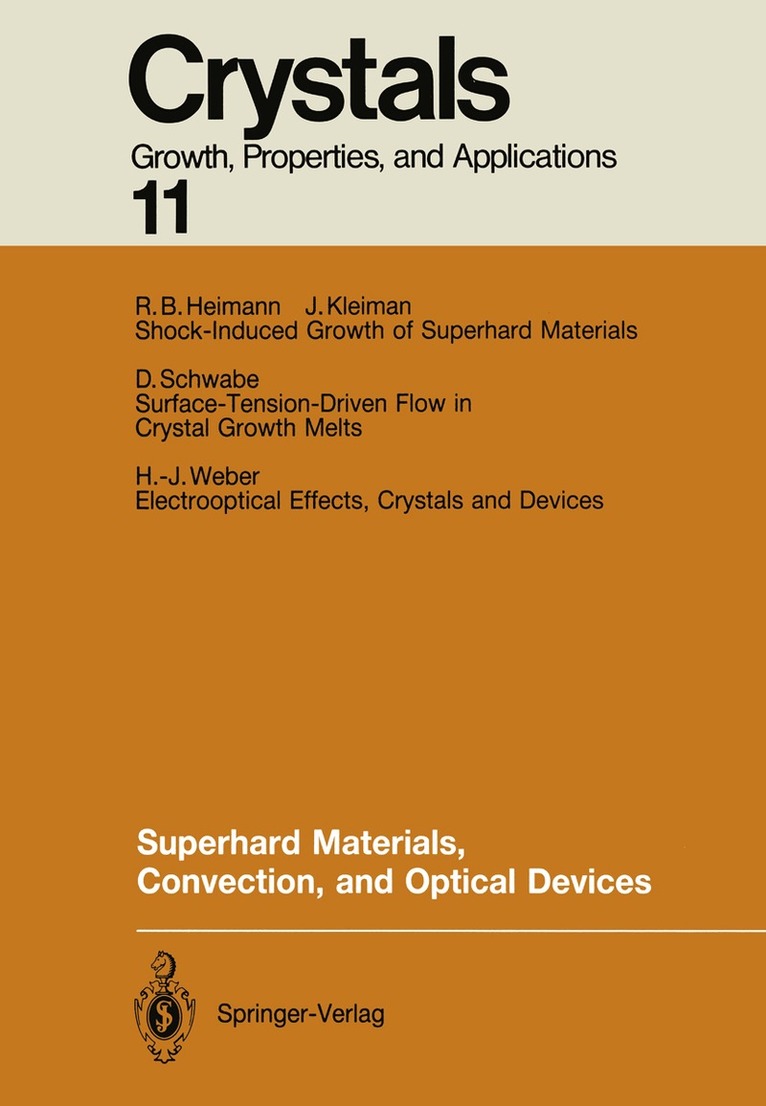
Superhard Materials, Convection, and Optical Devices
Häftad, Engelska, 2011
1 059 kr
Skickas inom 10-15 vardagar
Das Buch enthalt folgende Beitrage: R.B. Heimann, Edmonton, J. Kleiman, Downsview, Canada: Schock-induziertes Wachstum von superharten MaterialienD. Schwabe, Giessen, FRG: Durch Oberflachenspannungsgradienten getriebene Konvektion in KristallzuchtschmelzenH.-J. Weber, Dortmund, FRG: Elektrooptische Effekte, Kristalle und Bauteile
1 059 kr
Skickas inom 10-15 vardagar
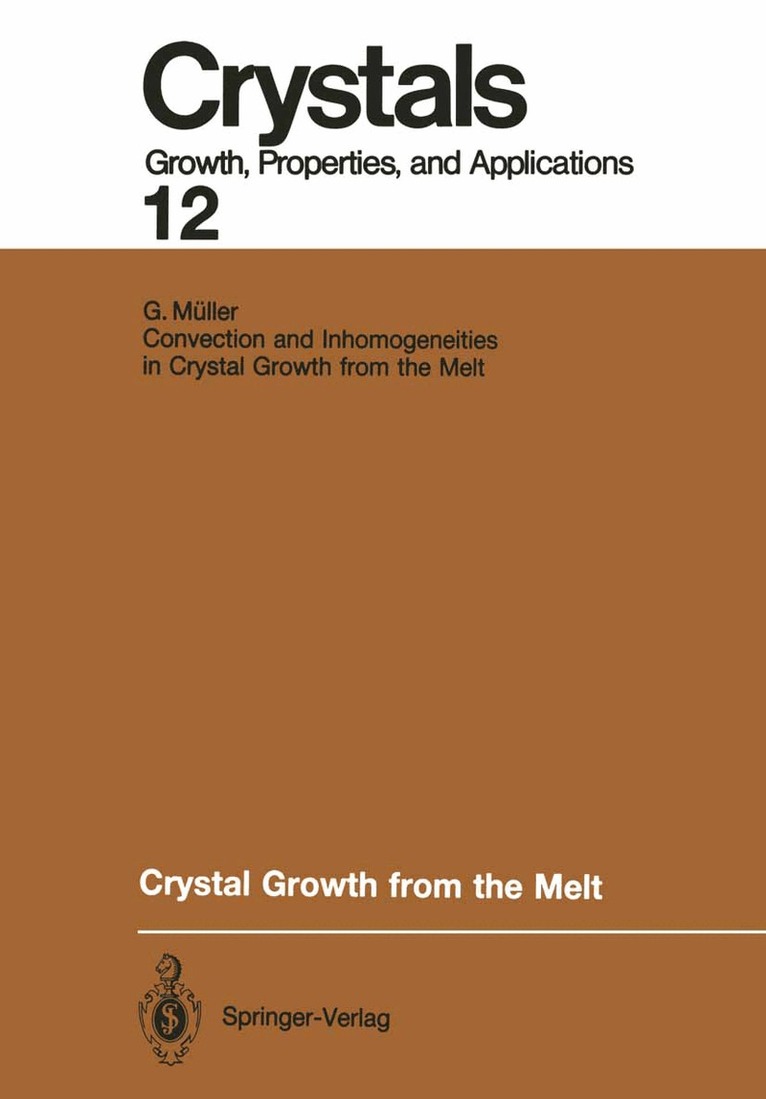
1 The content ofthis article is based on a German book version ) which appeared at the end of the year 1986. The author tried to incorporate - as far as possible - new important results published in the last year. But the literature in the field of "convection and inhomogeneities in crystal growth from the melt" has increased so much in the meantime that the reader and the collegues should make allowance for any incompleteness, also in the case that their important contributions have not been cited. This could for example hold for problems related to the Czochralski growth. But especially for this topic the reader may be refered to the forthcoming volume of this series, which contains special contributions on "Surface Tension Driven Flow in Crystal Growth Melts" by D. Schwabe and on "Convection in Czochralski Melts" by M. Mihelcic, W. Uelhoff, H. Wenzl and K. Wingerath. The preparation of this manuscript has been supported by several women whose help is gratefully acknowledged by the autor: Mrs. Gisela Neuner for the type writing, Mrs. Abigail Sanders, Mrs. Fiona Eels and especially Prof. Nancy Haegel for their help in questions of the English language and Mrs. Christa Weber for reading corrections. Also the good cooperation with the Springer Verlag, especially Mrs. Bohlen and with the managing editor of Crystals, Prof. H. C. Freyhardt, who critically read the manuscript, is acknowledged.
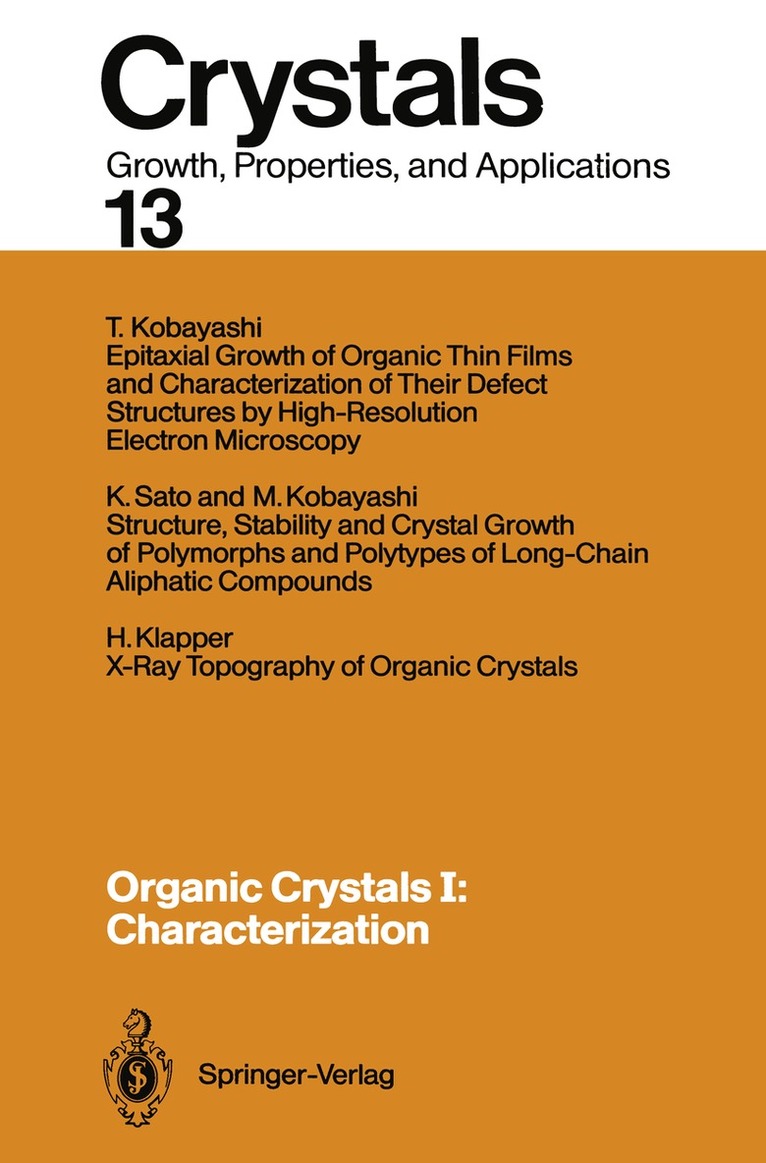
Organic Crystals I: Characterization
Häftad, Engelska, 2011
1 059 kr
Skickas inom 10-15 vardagar
Lattice defects of organic molecular crystals affect their optical or electrical properties by changing the local energy structure. Lattice defects also playa very important role in the chemical and physical properties, for example, as an active site of a catalyst or an initiating point of a solid state reaction. However, very little has been reported on the defect structure of real organic crystals. In the past ten years it became clear that the origin and the structure of the defects depend on the geometrical and chemical nature of the building units of the crystal, the molecules. Molecular size, form and anisotropy, charge distribution, etc. cause the characteristic structure of the defect. Accordingly, a defect structure found in one compound may not be found in others. The defect structure of an organic crystal cannot be defined solely by the displacement of the molecular center from the normal lattice site. A rotational displacement of a molecule is frequently accompanied by a parallel shift of the molecular center. In addition to the usual geometrical crystallographic defects, chemical defects are important too which originate, for example, from differences in the substitution sites of molecules carrying side groups. In order to reveal such defect structures, direct imaging of molecules by high resolution electron microscopy is the only direct method.