Regional Spaces, Cultures and Identities of East Asia – serie
Visar alla böcker i serien Regional Spaces, Cultures and Identities of East Asia. Handla med fri frakt och snabb leverans.
2 produkter
2 produkter
1 699 kr
Skickas inom 3-6 vardagar
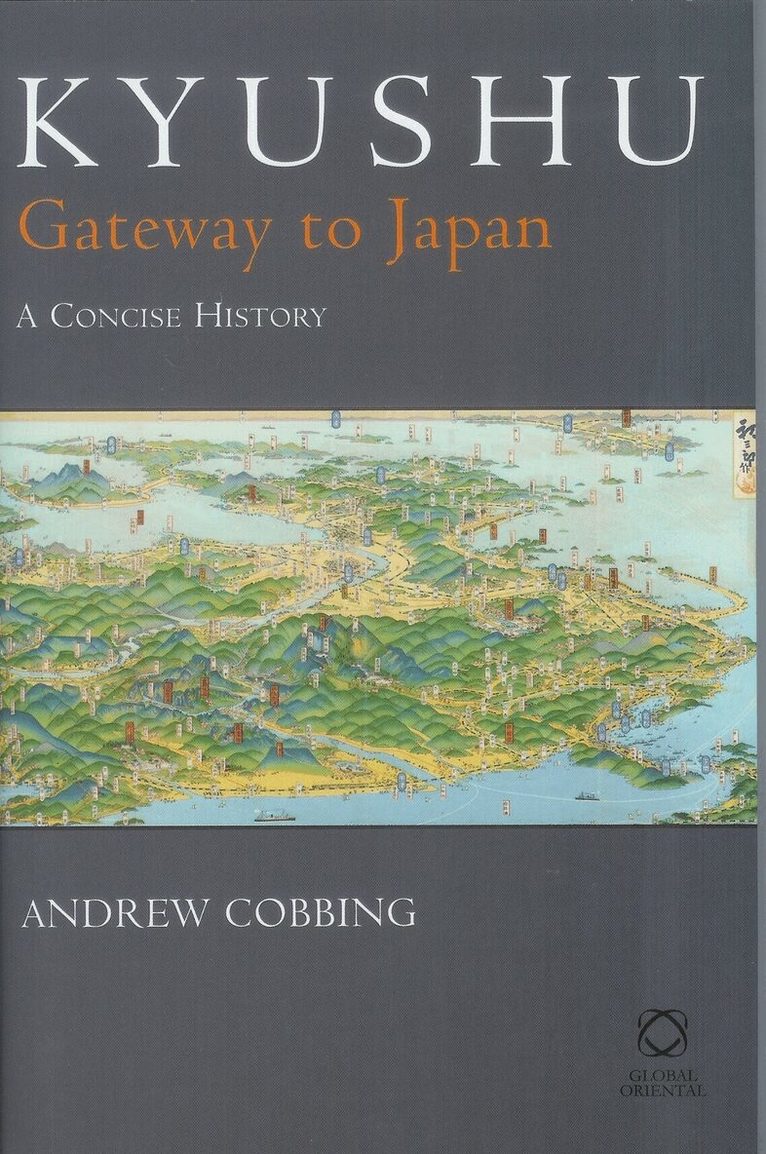
In this first major study of the region in English, the author examines the key themes of Kyushu’s history from earliest times – the cultural interaction with the continental mainland, settlement, location and infrastructure as well as trade and commerce, – arguing that it was the principal stepping-stone in terms of Japan’s cultural, social and economic advance through history up to the present day. Although an integral part of Japan, Kyushu is culturally distinct in that its location on the East China Sea has exposed the region to an unusually high degree of influence from overseas. There was diplomatic exchange between this island and China, for example, even before the political entity of Japan came into existence. Kyushu, in fact, has been the setting for many of the major cultural encounters in Japan’s history, from the introduction of Buddhism, Confucianism and Christianity to gunpowder, coffee and tea. The volume also includes a colour plate section containing 60 images which support the text and provide the reader/researcher with invaluable pictorial references to Kyushu’s history from earliest times to the present day.
Del 1 - Regional Spaces, Cultures and Identities of East Asia
Hakata
The Cultural Worlds of Northern Kyushu
Inbunden, Engelska, 2013
2 210 kr
Skickas inom 5-8 vardagar
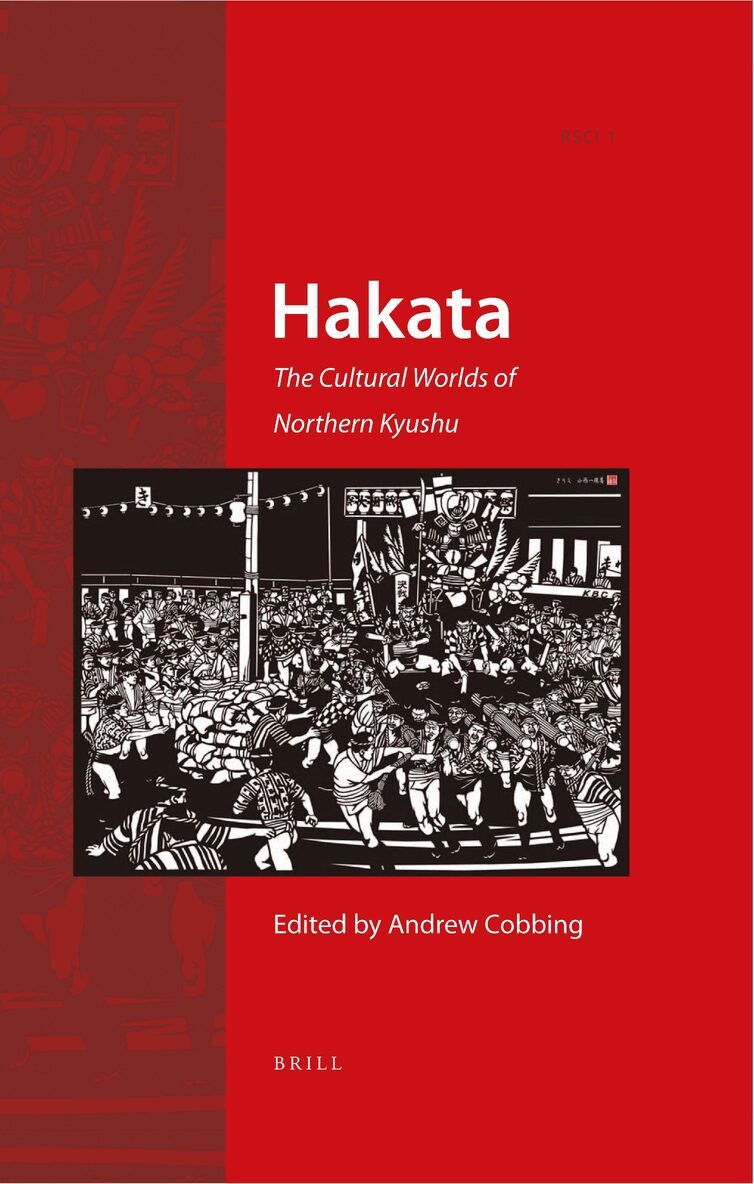
In Hakata: The Cultural Worlds of Northern Kyushu, experts in various fields have collaborated to produce an interdisciplinary collection offering diverse insights on a region yet to be fully addressed in English. A historic port situated in a strategically vital region as the closest point of contact with the Asian continent, Hakata has long served as a key hub in the transcultural networks linking Japan with the outside world. This volume explores the rich legacy of these wider interactions, in particular the cosmopolitan, international dimension deeply embedded in Hakata's urban culture. With an identity all its own and quite distinct from other regions in Japan, it is a culture once again increasingly relevant in today's world of borderless communications.