Defending American Democracy - Böcker
Visar alla böcker i serien Defending American Democracy. Handla med fri frakt och snabb leverans.
10 produkter
10 produkter
492 kr
Skickas inom 10-15 vardagar
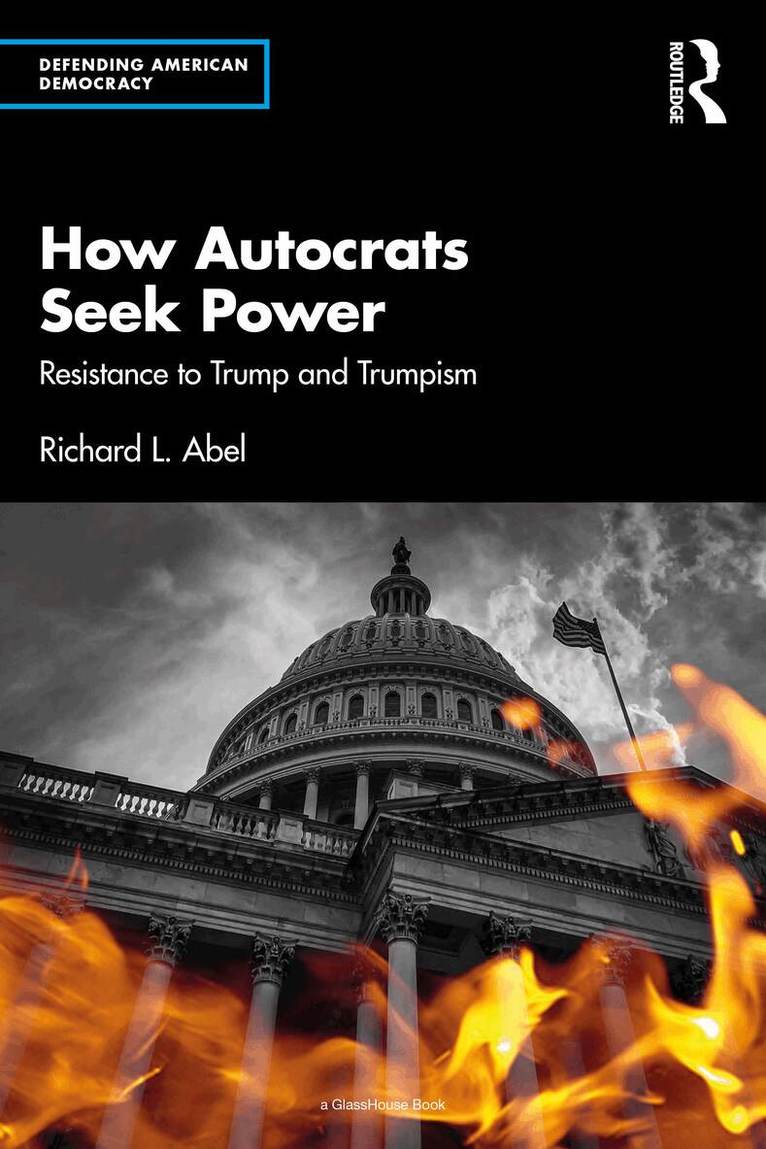
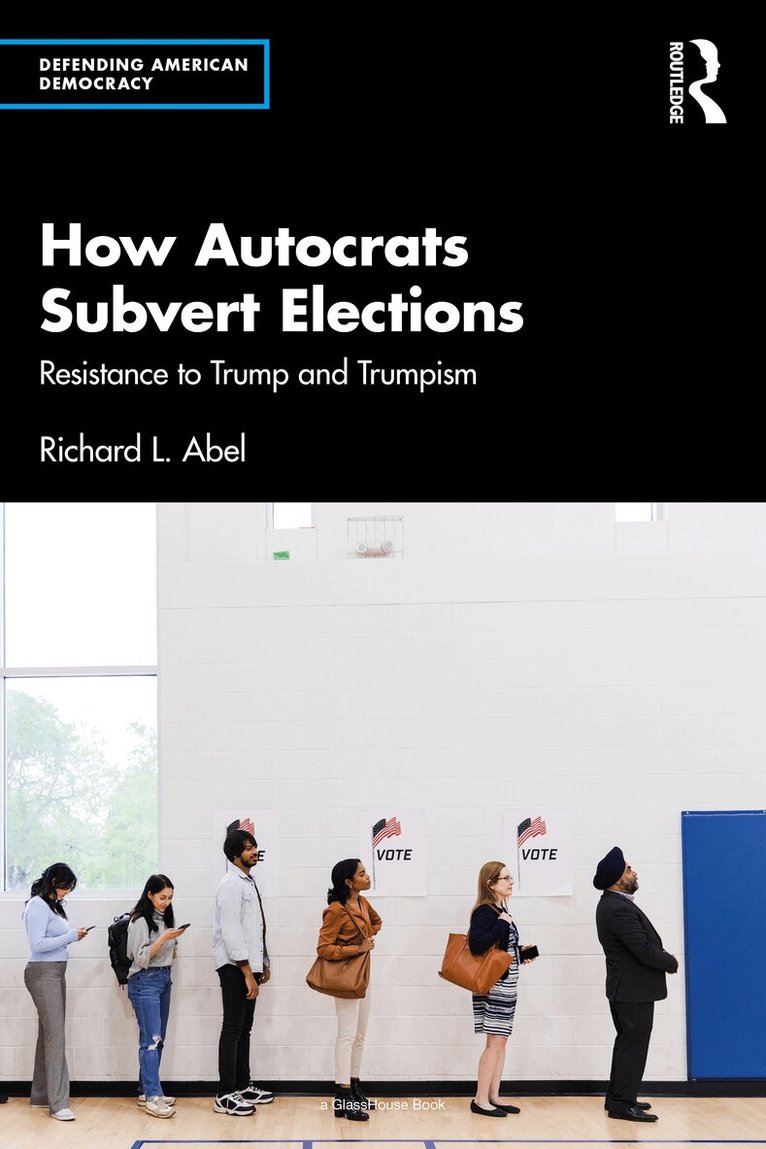
Chronicling and analyzing resistance to the threat that autocracy poses to American liberal democracy, this book provides the definitive account of the rise of Trump’s populist support in 2016, and his failed efforts to nullify the result of the 2020 election.This book is about the threat of autocracy, which antedated Donald Trump and will persist after he leaves the stage. Autocracy negates both liberalism—which includes the protection of fundamental rights, the rule of law, separation of powers, and respect for specialist expertise—and democracy—which requires that the state be responsible to an electorate composed of all eligible voters—by concentrating unconstrained power in a single individual. Anticipating defeat in the 2016 election, Trump attacked suggestions that he had sought, or even benefited from, Russian assistance despite the evidence, and he made repeated claims of election fraud. In 2020, fearful that his mishandling of the pandemic had alienated voters, he intensified the allegations of fraud, demanding recounts, pressuring state legislatures and state election officials, advancing bizarre conspiracy theories, and finally, calling for a massive demonstration, urging protesters to march to the Capitol to pressure Congress, promising to accompany them. But as this book documents, Trump’s efforts to nullify the result of the 2020 election failed. As the courts rejected his numerous challenges, state election officials loyally performed their statutory duties, the Justice Department found no evidence of fraud, and politicians from all sides certified Biden’s victory, this book traces the many, and varied, forms of the defense of liberal democracy located within both the state and civil society, including law (judges, government lawyers, and private practitioners), the media, NGOs, science (and other forms of expertise), and civil servants (in federal, state, and local government). Evaluating their efficacy, the book maintains, is vital if—as history has repeatedly taught us—the price of liberal democracy, like that of liberty itself, is eternal vigilance.This definitive account and analysis of Trumpism and the resistance to it will appeal to scholars, students, and others with interests in politics, populism, and the rule of law and, more specifically, to those concerned with resisting the threat that autocracy poses to liberal democracy.
1 811 kr
Skickas inom 10-15 vardagar
Chronicling and analyzing resistance to the threat that autocracy poses to American liberal democracy, this book provides the definitive account of the rise of Trump’s populist support in 2016, and his failed efforts to nullify the result of the 2020 election.This book is about the threat of autocracy, which antedated Donald Trump and will persist after he leaves the stage. Autocracy negates both liberalism—which includes the protection of fundamental rights, the rule of law, separation of powers, and respect for specialist expertise—and democracy—which requires that the state be responsible to an electorate composed of all eligible voters—by concentrating unconstrained power in a single individual. Anticipating defeat in the 2016 election, Trump attacked suggestions that he had sought, or even benefited from, Russian assistance despite the evidence, and he made repeated claims of election fraud. In 2020, fearful that his mishandling of the pandemic had alienated voters, he intensified the allegations of fraud, demanding recounts, pressuring state legislatures and state election officials, advancing bizarre conspiracy theories, and finally, calling for a massive demonstration, urging protesters to march to the Capitol to pressure Congress, promising to accompany them. But as this book documents, Trump’s efforts to nullify the result of the 2020 election failed. As the courts rejected his numerous challenges, state election officials loyally performed their statutory duties, the Justice Department found no evidence of fraud, and politicians from all sides certified Biden’s victory, this book traces the many, and varied, forms of the defense of liberal democracy located within both the state and civil society, including law (judges, government lawyers, and private practitioners), the media, NGOs, science (and other forms of expertise), and civil servants (in federal, state, and local government). Evaluating their efficacy, the book maintains, is vital if—as history has repeatedly taught us—the price of liberal democracy, like that of liberty itself, is eternal vigilance.This definitive account and analysis of Trumpism and the resistance to it will appeal to scholars, students, and others with interests in politics, populism, and the rule of law and, more specifically, to those concerned with resisting the threat that autocracy poses to liberal democracy.
504 kr
Skickas inom 10-15 vardagar
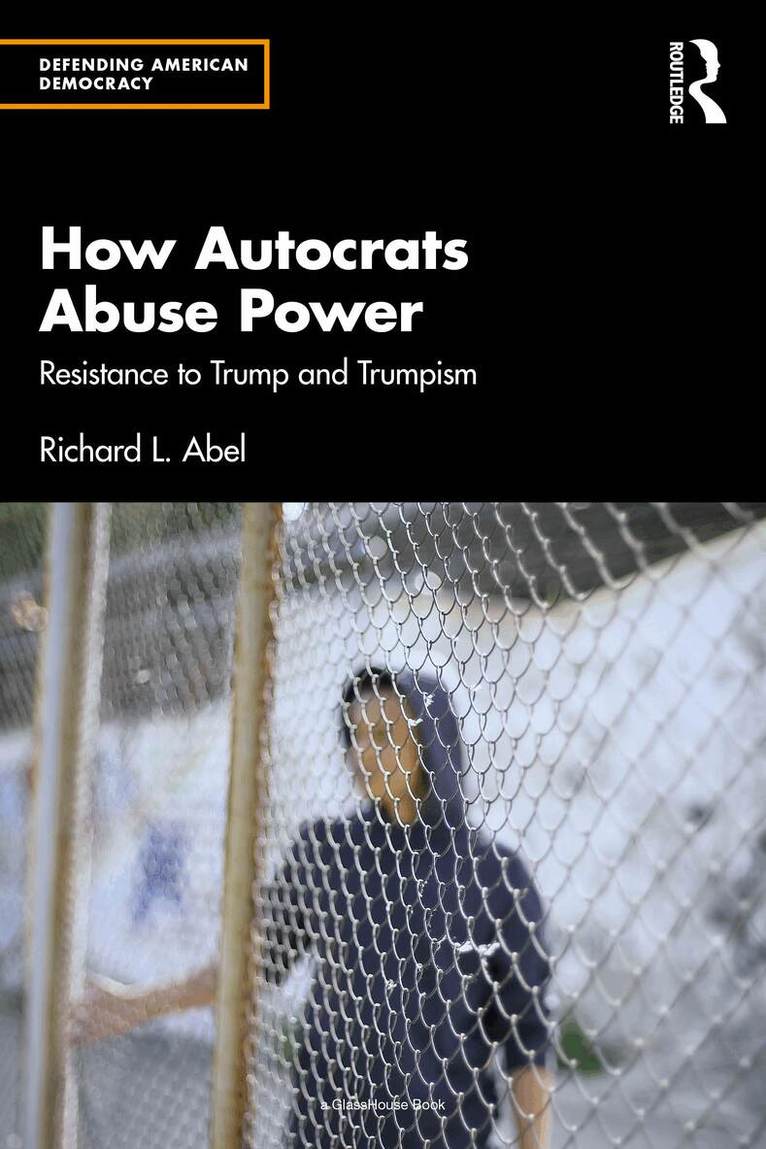
Chronicling and analyzing resistance to the threat that autocracy poses to American liberal democracy, this book provides the definitive account of both Trump’s efforts to erode democracy’s essential elements and opposition to those efforts.This book is about the threat of autocracy, which antedated Donald Trump and will persist after he leaves the stage. Autocrats blur or breach the separation of powers, use executive orders to bypass the legislature, pack the courts, replace career prosecutors with political appointees, abuse the pardon power, and claim immunity from the law. They seek to hobble opposition from civil society by curtailing speech and assembly, tolerating and even encouraging vigilante violence, and attacking the media. As this book demonstrates, Trump followed the autocrat’s playbook in many ways. He was a huckster of hate, aiming his vitriol at women and racial minorities and making attacks on immigrants the focus of his 2016 campaign, as well as his first years in office. Nevertheless, his rhetoric and policies encountered widespread opposition—from religious leaders, business executives, lawyers and bar associations, and civil servants. His executive orders (on which he relied) were almost all struck down by courts: including the first two “Muslim bans,” the detention of children and their separation from parents, the diversion of military funds to build the border wall, the insertion of a citizenship question in the census, and the limits on asylum. Just as Trump sought to weaponize the criminal justice system against his political opponents, so he manipulated it to defend his cronies, derailing some of their prosecutions. Trump also intervened in courts martial and criminal prosecutions of those convicted of war crimes in Afghanistan and Iraq and those accused of desertion and terrorism. Again, however, there was resistance, as some career prosecutors withdrew from cases or resigned when subjected to political pressure and federal courts convicted all of Trump’s allies—even though the president went on to use his unreviewable pardon power. This book, then, documents the abuses that are characteristic of autocracy and assesses the various forms of resistance to them.This definitive account and analysis of Trumpism in action, as well as the resistance to it, will appeal to scholars, students, and others with interests in politics, populism, and the rule of law and, more specifically, to those concerned with resisting the threat that autocracy poses to liberal democracy.
1 935 kr
Skickas inom 10-15 vardagar
Chronicling and analyzing resistance to the threat that autocracy poses to American liberal democracy, this book provides the definitive account of both Trump’s efforts to erode democracy’s essential elements and opposition to those efforts.This book is about the threat of autocracy, which antedated Donald Trump and will persist after he leaves the stage. Autocrats blur or breach the separation of powers, use executive orders to bypass the legislature, pack the courts, replace career prosecutors with political appointees, abuse the pardon power, and claim immunity from the law. They seek to hobble opposition from civil society by curtailing speech and assembly, tolerating and even encouraging vigilante violence, and attacking the media. As this book demonstrates, Trump followed the autocrat’s playbook in many ways. He was a huckster of hate, aiming his vitriol at women and racial minorities and making attacks on immigrants the focus of his 2016 campaign, as well as his first years in office. Nevertheless, his rhetoric and policies encountered widespread opposition—from religious leaders, business executives, lawyers and bar associations, and civil servants. His executive orders (on which he relied) were almost all struck down by courts: including the first two “Muslim bans,” the detention of children and their separation from parents, the diversion of military funds to build the border wall, the insertion of a citizenship question in the census, and the limits on asylum. Just as Trump sought to weaponize the criminal justice system against his political opponents, so he manipulated it to defend his cronies, derailing some of their prosecutions. Trump also intervened in courts martial and criminal prosecutions of those convicted of war crimes in Afghanistan and Iraq and those accused of desertion and terrorism. Again, however, there was resistance, as some career prosecutors withdrew from cases or resigned when subjected to political pressure and federal courts convicted all of Trump’s allies—even though the president went on to use his unreviewable pardon power. This book, then, documents the abuses that are characteristic of autocracy and assesses the various forms of resistance to them.This definitive account and analysis of Trumpism in action, as well as the resistance to it, will appeal to scholars, students, and others with interests in politics, populism, and the rule of law and, more specifically, to those concerned with resisting the threat that autocracy poses to liberal democracy.
2 103 kr
Skickas inom 10-15 vardagar
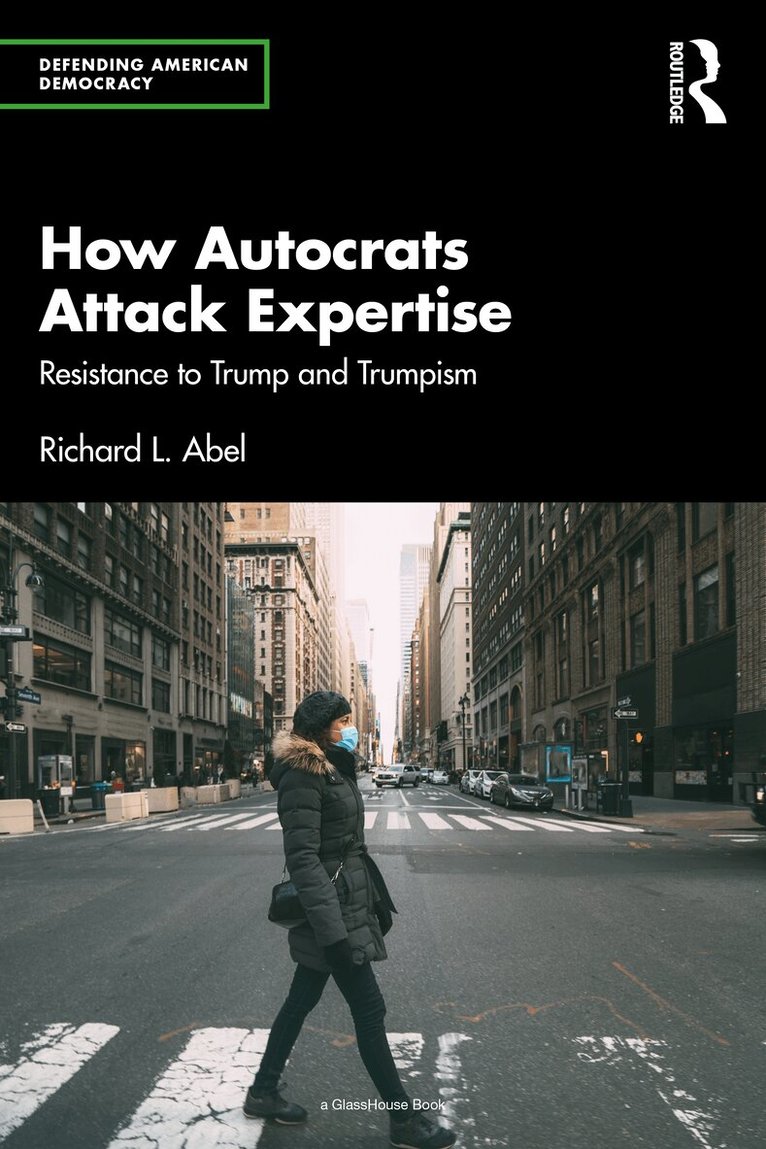
Chronicling and analyzing resistance to the threat that autocracy poses to American liberal democracy, this book provides the definitive account of Trump’s assault on truth and his populist attacks on expertise, as well as scientific and legal opposition to them.This book is about the threat of autocracy, which antedated Donald Trump and will persist after he leaves the stage. Pandering to populists, autocrats attack professional expertise in an Orwellian world, where “ignorance is strength” and where, as Hannah Arendt wrote, people “believe everything and nothing.” Trump sought to inflame xenophobia by blaming China for the pandemic and closing U.S. borders, then declaring victory and, when that proved premature, wrongly blaming the number of tests for escalating cases. He sought to muzzle government scientists and denounced those who defied or evaded his directives as members of the “deep state,” preferring to rely on inexpert buddies. He elevated obscure scientists who promoted quack cures and opposed effective preventive measures while sidelining the few reputable experts, who nevertheless courageously resisted political interference. In addition to these, as this book documents, independent scientists, scientific journals and professional associations also outspoken, often more so. Even the pharmaceutical industry sought to preserve the integrity of a federal bureaucracy that assured the public the drugs they consumed were safe and efficacious. Following Trump’s numerous efforts to distort and undermine expertise, this book describes and evaluates the resilience of scientific and legal defenses of truth.This definitive account and analysis of Trump’s populist rejection of truth and expertise will appeal to scholars, students and others with interests in politics, populism and the rule of law and, more specifically, to those concerned with resisting the threat that autocracy poses to liberal democracy.
548 kr
Skickas inom 10-15 vardagar
Chronicling and analyzing resistance to the threat that autocracy poses to American liberal democracy, this book provides the definitive account of Trump’s assault on truth and his populist attacks on expertise, as well as scientific and legal opposition to them.This book is about the threat of autocracy, which antedated Donald Trump and will persist after he leaves the stage. Pandering to populists, autocrats attack professional expertise in an Orwellian world, where “ignorance is strength” and where, as Hannah Arendt wrote, people “believe everything and nothing.” Trump sought to inflame xenophobia by blaming China for the pandemic and closing U.S. borders, then declaring victory and, when that proved premature, wrongly blaming the number of tests for escalating cases. He sought to muzzle government scientists and denounced those who defied or evaded his directives as members of the “deep state,” preferring to rely on inexpert buddies. He elevated obscure scientists who promoted quack cures and opposed effective preventive measures while sidelining the few reputable experts, who nevertheless courageously resisted political interference. In addition to these, as this book documents, independent scientists, scientific journals and professional associations also outspoken, often more so. Even the pharmaceutical industry sought to preserve the integrity of a federal bureaucracy that assured the public the drugs they consumed were safe and efficacious. Following Trump’s numerous efforts to distort and undermine expertise, this book describes and evaluates the resilience of scientific and legal defenses of truth.This definitive account and analysis of Trump’s populist rejection of truth and expertise will appeal to scholars, students and others with interests in politics, populism and the rule of law and, more specifically, to those concerned with resisting the threat that autocracy poses to liberal democracy.
529 kr
Skickas inom 10-15 vardagar
Chronicling and analyzing resistance to the threat that autocracy poses to American liberal democracy, this book provides the definitive account of the roles that courts and elections played in holding Trump accountable for his actions.This book describes the many lawsuits brought against Trump and his supporters for their autocratic actions. Trump was found liable in two civil lawsuits: for nearly $100 million for sexually abusing and defaming E. Jean Carroll and for nearly $500 million for fraudulently valuing his real estate properties. Trump supporters and associates suffered even greater liabilities for defamation. And many of his lawyers were disciplined by professional associations. New York successfully prosecuted Trump for falsifying business records in connection with hush money payments to Stormy Daniels. Georgia obtained guilty pleas from four Trump associates implicated in efforts to change that state’s electoral votes, although the case against Trump was derailed by prosecutorial misconduct. Special Counsel Jack Smith initiated two prosecutions against Trump: for concealing classified papers and for seeking to overturn the 2020 election. But the Supreme Court created a novel doctrine of presidential immunity; and those cases were dismissed before Trump’s second inauguration. The book also analyzes the 2024 election, which Trump won with a bare 1.5 percent majority. It exposes his intensifying vilification of immigrants and transgender people and the numerous falsehoods he and his supporters disseminated. The book concludes by evaluating all the varied forms of resistance to autocracy described in the five volumes of the Defending American Democracy mini-series.This definitive account and analysis of Trumpism and the resistance to it will appeal to scholars, students, and others with interests in politics, populism, and the rule of law and, more specifically, to those concerned with resisting the threat that autocracy poses to liberal democracy.
1 935 kr
Skickas inom 10-15 vardagar
Chronicling and analyzing resistance to the threat that autocracy poses to American liberal democracy, this book provides the definitive account of the roles that courts and elections played in holding Trump accountable for his actions.This book describes the many lawsuits brought against Trump and his supporters for their autocratic actions. Trump was found liable in two civil lawsuits: for nearly $100 million for sexually abusing and defaming E. Jean Carroll and for nearly $500 million for fraudulently valuing his real estate properties. Trump supporters and associates suffered even greater liabilities for defamation. And many of his lawyers were disciplined by professional associations. New York successfully prosecuted Trump for falsifying business records in connection with hush money payments to Stormy Daniels. Georgia obtained guilty pleas from four Trump associates implicated in efforts to change that state’s electoral votes, although the case against Trump was derailed by prosecutorial misconduct. Special Counsel Jack Smith initiated two prosecutions against Trump: for concealing classified papers and for seeking to overturn the 2020 election. But the Supreme Court created a novel doctrine of presidential immunity; and those cases were dismissed before Trump’s second inauguration. The book also analyzes the 2024 election, which Trump won with a bare 1.5 percent majority. It exposes his intensifying vilification of immigrants and transgender people and the numerous falsehoods he and his supporters disseminated. The book concludes by evaluating all the varied forms of resistance to autocracy described in the five volumes of the Defending American Democracy mini-series.This definitive account and analysis of Trumpism and the resistance to it will appeal to scholars, students, and others with interests in politics, populism, and the rule of law and, more specifically, to those concerned with resisting the threat that autocracy poses to liberal democracy.
1 935 kr
Skickas inom 10-15 vardagar
Chronicling and analyzing resistance to the threat that autocracy poses to American liberal democracy, this book provides the definitive account of the response to the January 6, 2021, assault on the Capitol and Republican efforts to overturn the 2020 election and bias future elections in their favor.In December 2020, Donald Trump invited supporters to DC for what he promised would be a “wild” demonstration against Biden’s victory. On January 6, 2021, he directed the mob he had summoned to march on the Capitol, where it ransacked the building, caused five deaths and hundreds of injuries, and delayed but failed to prevent certification of the election. Although some Congressional Republicans briefly distanced themselves from Trump, the party quickly closed ranks around him. The business community, similarly, initially expressed criticism but soon resumed campaign contributions to Republicans. Democrats sought to impeach Trump (for the second time), but Republicans blocked conviction. Democrats created a House Select Committee, which exposed Trump’s complicity through dramatic televised hearings and a comprehensive report. Republicans responded by denying there had been a riot—one calling it a mere tourist visit—and sanctifying those arrested. Nevertheless, all but two of the nearly 1,400 charged were convicted. Judges appointed by both Democratic and Republican presidents harshly condemned the insurrectionists, imposing sentences that did not vary by the judge’s party preference. This book contextualizes these continuing threats to American democracy through an opening chapter exposing distressing parallels with the rise of Nazism in 1930s Germany. The penultimate chapter examines the ways in which Republicans persisted in seeking to overturn the 2020 election and distort subsequent elections by gerrymandering and creating obstructions to potential Democratic voters. All the chapters focus on the multiple forms of resistance—politics, social action, economic pressure, media exposure, and criminal prosecution—evaluating their relative efficacy and comparing them with modes of resistance analyzed in the author’s related volumes.This definitive account and analysis of Trump’s and his supporters’ attempts to subvert the 2020 election will appeal to scholars, students, and others with interests in politics, populism, and the rule of law, and more specifically, to those concerned with resisting the threat that autocracy poses to liberal democracy.
529 kr
Skickas inom 10-15 vardagar
Chronicling and analyzing resistance to the threat that autocracy poses to American liberal democracy, this book provides the definitive account of the response to the January 6, 2021, assault on the Capitol and Republican efforts to overturn the 2020 election and bias future elections in their favor.In December 2020, Donald Trump invited supporters to DC for what he promised would be a “wild” demonstration against Biden’s victory. On January 6, 2021, he directed the mob he had summoned to march on the Capitol, where it ransacked the building, caused five deaths and hundreds of injuries, and delayed but failed to prevent certification of the election. Although some Congressional Republicans briefly distanced themselves from Trump, the party quickly closed ranks around him. The business community, similarly, initially expressed criticism but soon resumed campaign contributions to Republicans. Democrats sought to impeach Trump (for the second time), but Republicans blocked conviction. Democrats created a House Select Committee, which exposed Trump’s complicity through dramatic televised hearings and a comprehensive report. Republicans responded by denying there had been a riot—one calling it a mere tourist visit—and sanctifying those arrested. Nevertheless, all but two of the nearly 1,400 charged were convicted. Judges appointed by both Democratic and Republican presidents harshly condemned the insurrectionists, imposing sentences that did not vary by the judge’s party preference. This book contextualizes these continuing threats to American democracy through an opening chapter exposing distressing parallels with the rise of Nazism in 1930s Germany. The penultimate chapter examines the ways in which Republicans persisted in seeking to overturn the 2020 election and distort subsequent elections by gerrymandering and creating obstructions to potential Democratic voters. All the chapters focus on the multiple forms of resistance—politics, social action, economic pressure, media exposure, and criminal prosecution—evaluating their relative efficacy and comparing them with modes of resistance analyzed in the author’s related volumes.This definitive account and analysis of Trump’s and his supporters’ attempts to subvert the 2020 election will appeal to scholars, students, and others with interests in politics, populism, and the rule of law, and more specifically, to those concerned with resisting the threat that autocracy poses to liberal democracy.