Development Policy Studies Series – serie
Visar alla böcker i serien Development Policy Studies Series. Handla med fri frakt och snabb leverans.
6 produkter
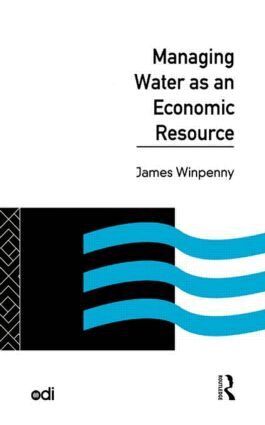
Managing Water as an Economic Resource
Häftad, 1993
560 kr
Lägg i varukorg
Water, already a scarce resource, is treated as though it were plentiful and free. The task of supplying enough water of the required quality to growing populations is straining authorities and governments to the limit as the economic and environmental costs of new supply sources escalate and …
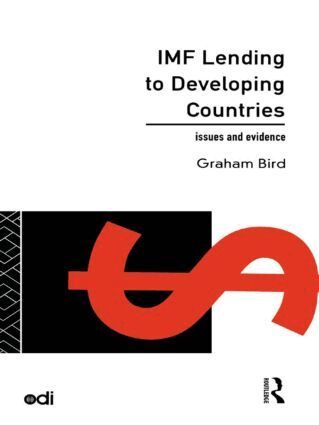
IMF Lending to Developing Countries
Issues and Evidence
Av Graham Bird
Häftad, 1994
952 kr
Lägg i varukorg
As the linchpin of the global financial system, the International Monetary Fund provides the balance of payments support, chiefly to developing countries, conditional on strict remedial policy measures.Its approach to policy remains highly controversial, however. While the Fund claims it has …
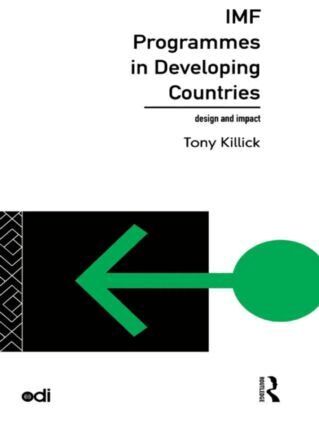
IMF Programmes in Developing Countries
Design and Impact
Av Tony Killick
Häftad, 1995
910 kr
Lägg i varukorg
The International Monetary Fund is the centre of a global financial system that encourages budgetary discipline and full integration into world trade to facilitate development and alleviate poverty.Yet this policy 'conditionality' of the IMF is highly controversial. Critics state that fifty years …
IMF Programmes in Developing Countries
Design and Impact
Av Tony Killick
Inbunden, 2017
3021 kr
Lägg i varukorg
The International Monetary Fund is the centre of a global financial system that encourages budgetary discipline and full integration into world trade to facilitate development and alleviate poverty. Yet this policy 'conditionality' of the IMF is highly controversial. Critics state that fifty years …
Managing Water as an Economic Resource
Inbunden, 2015
1521 kr
Lägg i varukorg
Water, already a scarce resource, is treated as though it were plentiful and free. The task of supplying enough water of the required quality to growing populations is straining authorities and governments to the limit as the economic and environmental costs of new supply sources escalate and …
IMF Lending to Developing Countries
Issues and Evidence
Av Graham Bird
Inbunden, 2015
3262 kr
Lägg i varukorg
As the linchpin of the global financial system, the International Monetary Fund provides the balance of payments support, chiefly to developing countries, conditional on strict remedial policy measures.Its approach to policy remains highly controversial, however. While the Fund claims it has …