Digestions - Böcker
Visar alla böcker i serien Digestions. Handla med fri frakt och snabb leverans.
6 produkter
6 produkter
391 kr
Skickas inom 3-6 vardagar
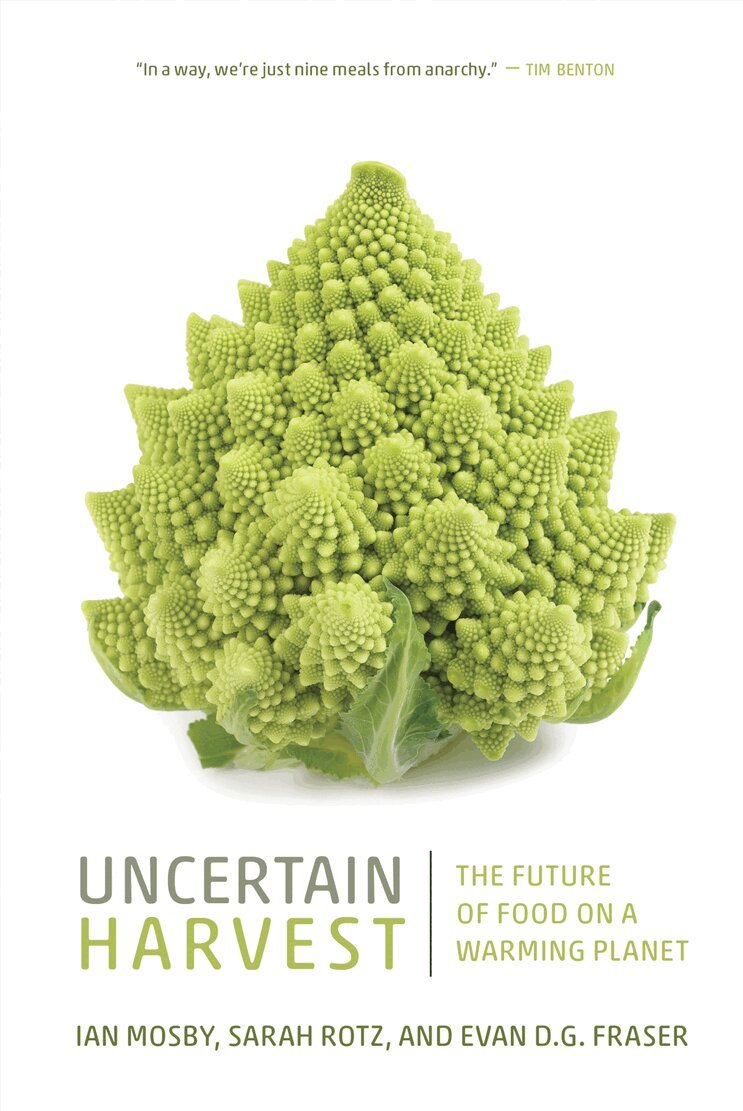
A menu for an edible future. In a world expected to reach a staggering population of 10 billion by 2050, and with global temperatures rising fast, humanity must fundamentally change the way it grows and consumes food. Uncertain Harvest brings together scientists, chefs, activists, entrepreneurs, farmers, philosophers, and engineers working on the global future of food to answer questions on how to make a more equitable, safe, sustainable, and plentiful food future. Navigating cutting-edge research on the science, culture, and economics of food, Ian Mosby, Sarah Rotz, and Evan D.G. Fraser present a roadmap for a global food policy, while examining eight foods that could save us: algae, caribou, kale, millet, tuna, crickets, milk, and rice. "Engaging, insightful, clever, sobering, and hard-hitting!" — Steffanie Scott , co-author of Organic Food and Farming in China "Uncertain Harvest offers an unflinching look at some of the biggest challenges we face today. By bringing together scholars from the fields of food studies, geography, and history, the book offers insightful answers to the questions: How did we get here and what lessons can we learn from our past? And how might the most commonly-touted 'future of food' solutions play out, both globally and locally?" — Ann Hui , author of Chop Suey Nation "What happens when a historian, an activist, and a techno-optimist come together to envision our food future? A surprisingly balanced and compelling snapshot of what's possible: local problems get local solutions, and the ancient art of feeding ourselves benefits from a much-needed update. At last, hope we might actually be able to count on." — Dan Barber , author of The Third Plate: Field Notes on the Future of Food
1 382 kr
Skickas inom 3-6 vardagar
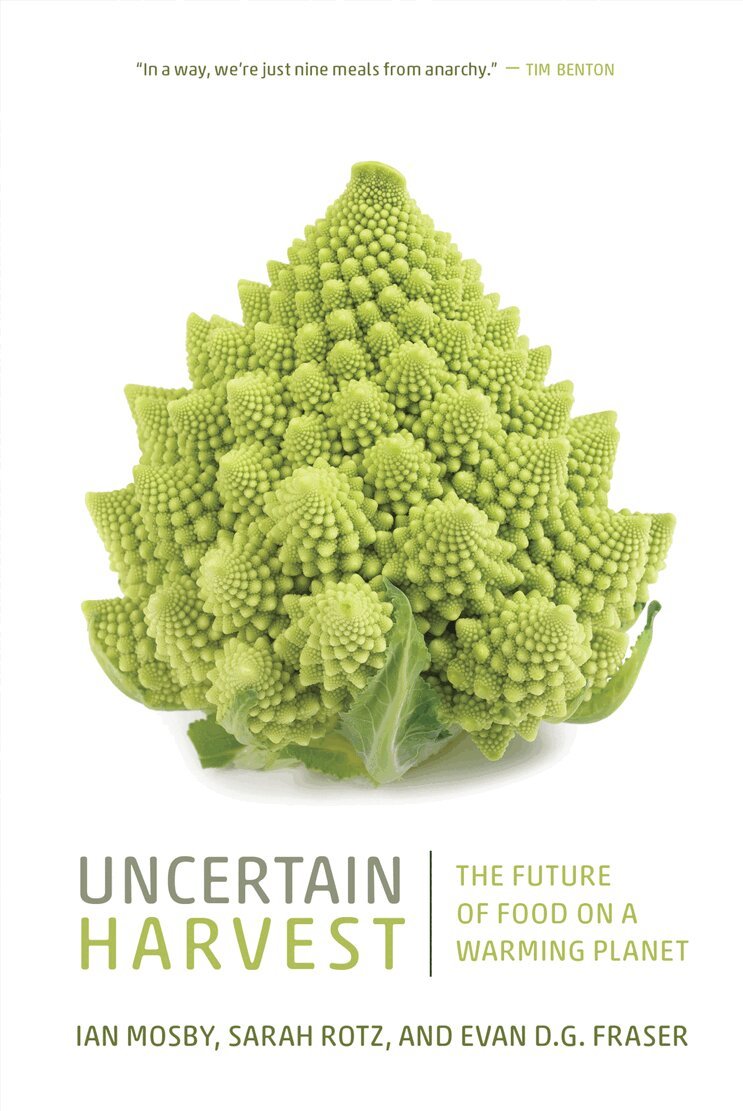
A menu for an edible future. In a world expected to reach a staggering population of 10 billion by 2050, and with global temperatures rising fast, humanity must fundamentally change the way it grows and consumes food. Uncertain Harvest brings together scientists, chefs, activists, entrepreneurs, farmers, philosophers, and engineers working on the global future of food to answer questions on how to make a more equitable, safe, sustainable, and plentiful food future. Navigating cutting-edge research on the science, culture, and economics of food, Ian Mosby, Sarah Rotz, and Evan D.G. Fraser present a roadmap for a global food policy, while examining eight foods that could save us: algae, caribou, kale, millet, tuna, crickets, milk, and rice. "Engaging, insightful, clever, sobering, and hard-hitting!" — Steffanie Scott , co-author of Organic Food and Farming in China "Uncertain Harvest offers an unflinching look at some of the biggest challenges we face today. By bringing together scholars from the fields of food studies, geography, and history, the book offers insightful answers to the questions: How did we get here and what lessons can we learn from our past? And how might the most commonly-touted 'future of food' solutions play out, both globally and locally?" — Ann Hui , author of Chop Suey Nation "What happens when a historian, an activist, and a techno-optimist come together to envision our food future? A surprisingly balanced and compelling snapshot of what's possible: local problems get local solutions, and the ancient art of feeding ourselves benefits from a much-needed update. At last, hope we might actually be able to count on." — Dan Barber , author of The Third Plate: Field Notes on the Future of Food
283 kr
Skickas inom 3-6 vardagar
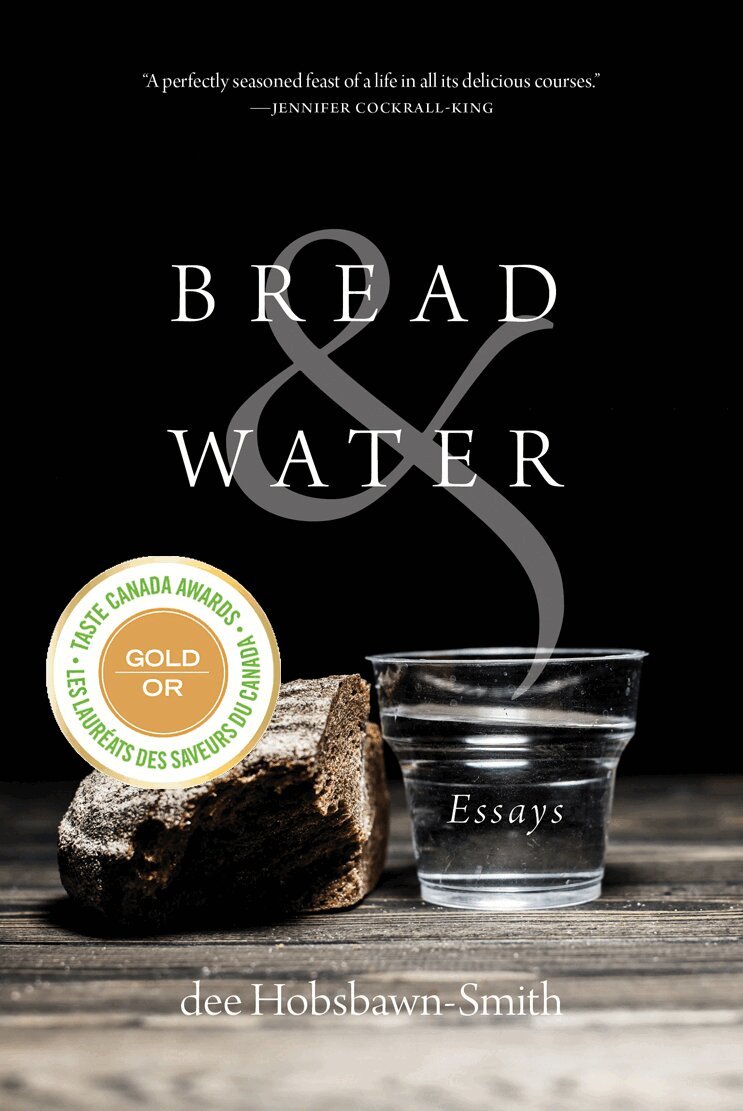
The lyricism of Bread & Water interweaves culinary insights and literary essays to pose fundamental questions about how we live----and how we feed----the larger hungers that motivate our lives. "When I write of hunger, I am really writing about love and the hunger for it, and warmth and the love of it and the hunger for it . . ." —MFK Fisher When chef and writer dee Hobsbawn-Smith left the city for rural life on a farm in Saskatchewan, she planned to replace cooking and teaching with poetry and prose. But—as begin the best stories—her next adventure didn't quite work that way. Food trickled into her poems, her essays, her fiction. And water poured into her property in both Saskatchewan and Calgary during two devastating floods. Bread & Water uses lyrical prose to examine those two fundamental ingredients, and to probe the essential questions on how to live a life. Hobsbawn-Smith uses food to explore the hungers of the human soul: wilder hungers that loiter beyond cravings for love. She kneads themes of floods and place, grief and loss; the commonalities of refugees and Canadians through common tastes in food; cooking methods, grandmothers and mentors; the politics of local and sustainable food; parenting; male privilege in the restaurant world; and the challenges of aging gracefully. It is an elegant collection that weaves joy into exploring the quotidian in search for larger meaning.
1 467 kr
Skickas inom 3-6 vardagar
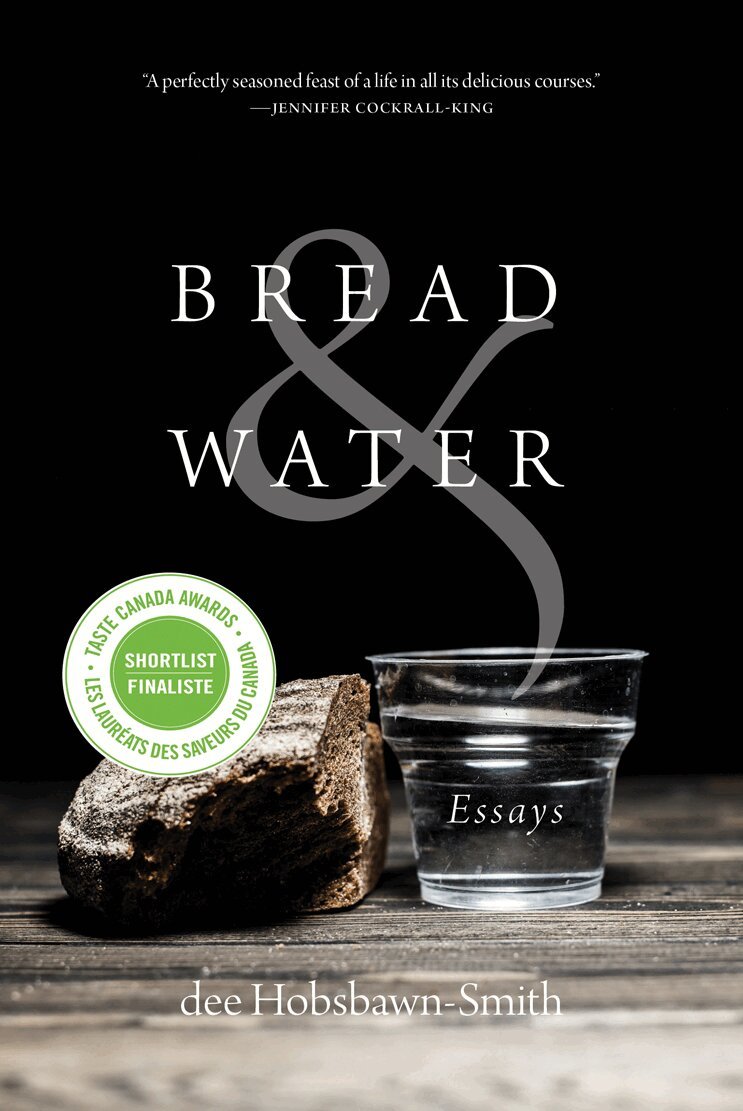
The lyricism of Bread & Water interweaves culinary insights and literary essays to pose fundamental questions about how we live----and how we feed----the larger hungers that motivate our lives. "When I write of hunger, I am really writing about love and the hunger for it, and warmth and the love of it and the hunger for it . . ." —MFK Fisher When chef and writer dee Hobsbawn-Smith left the city for rural life on a farm in Saskatchewan, she planned to replace cooking and teaching with poetry and prose. But—as begin the best stories—her next adventure didn't quite work that way. Food trickled into her poems, her essays, her fiction. And water poured into her property in both Saskatchewan and Calgary during two devastating floods. Bread & Water uses lyrical prose to examine those two fundamental ingredients, and to probe the essential questions on how to live a life. Hobsbawn-Smith uses food to explore the hungers of the human soul: wilder hungers that loiter beyond cravings for love. She kneads themes of floods and place, grief and loss; the commonalities of refugees and Canadians through common tastes in food; cooking methods, grandmothers and mentors; the politics of local and sustainable food; parenting; male privilege in the restaurant world; and the challenges of aging gracefully. It is an elegant collection that weaves joy into exploring the quotidian in search for larger meaning.
305 kr
Skickas
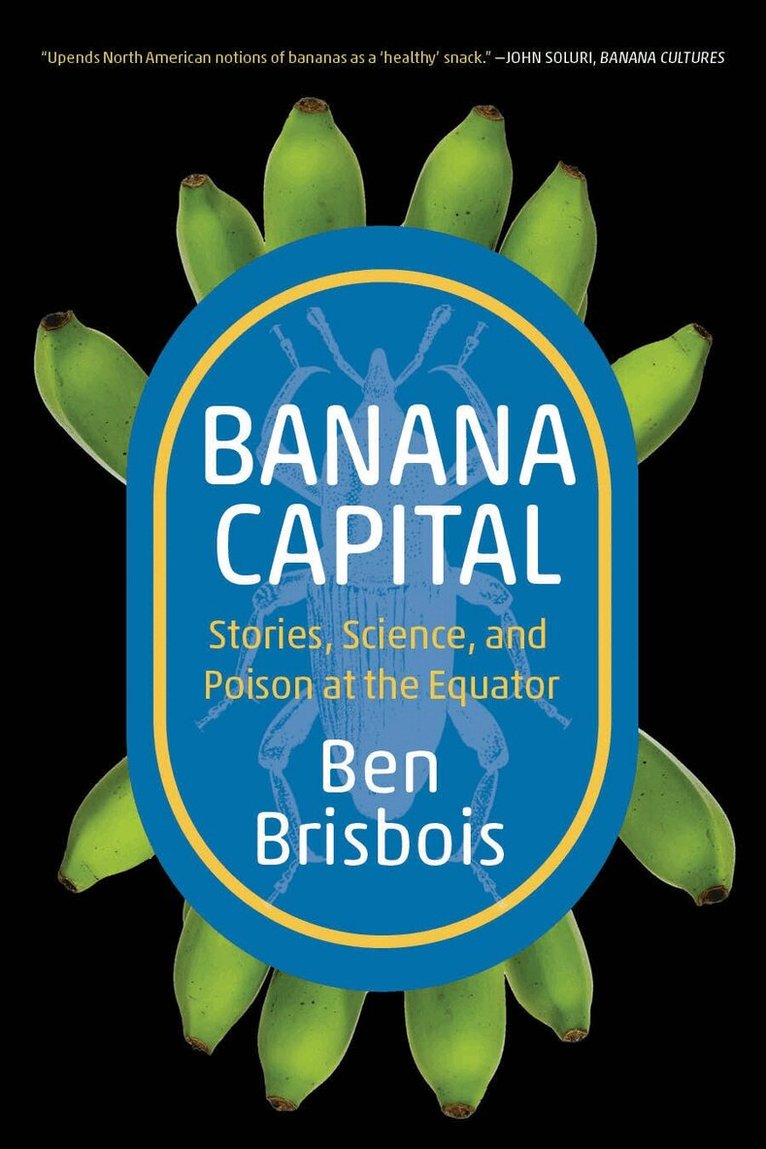
ONE OF CHOICE REVIEW'S OUTSTANDING ACADEMIC TITLES OF 2025For more than a century, banana plantations and farms in Latin America have defined the landscape and economies wherever these fruits are grown—toxic chemicals, exploited workers, and fragile monocultures are their legacy.At the southern end of Ecuador’s la costa region lies the city of Machala, the self-described “Banana Capital” of the world. There, farmers and workers experience alarming rates of negative health effects associated with widespread pesticide use along with precarious and unsafe working conditions. Banana Capital: Stories, Science, and Poison at the Equator reveals the grim realities of daily life for banana farmers and, beyond that, seeks to understand and address these challenges.Ben Brisbois’s search for understanding leads him back to the 19th-century origins of banana production in the Americas and through over a century of imperialism, bloodshed, and ecological devastation. Along the way, he uncovers how worker-led resistances and the ever-unpredictable ecosystem thwart repeated attempts by powerful multinationals and their government allies to extract more and more wealth from banana plantations at the cost of Latin American health and lives.Banana Capital reveals the power dynamics of life in the banana industry— dynamics vividly experienced by workers caught in a struggle against corporations prioritizing profit over the health of the land and the community.
766 kr
Kommande
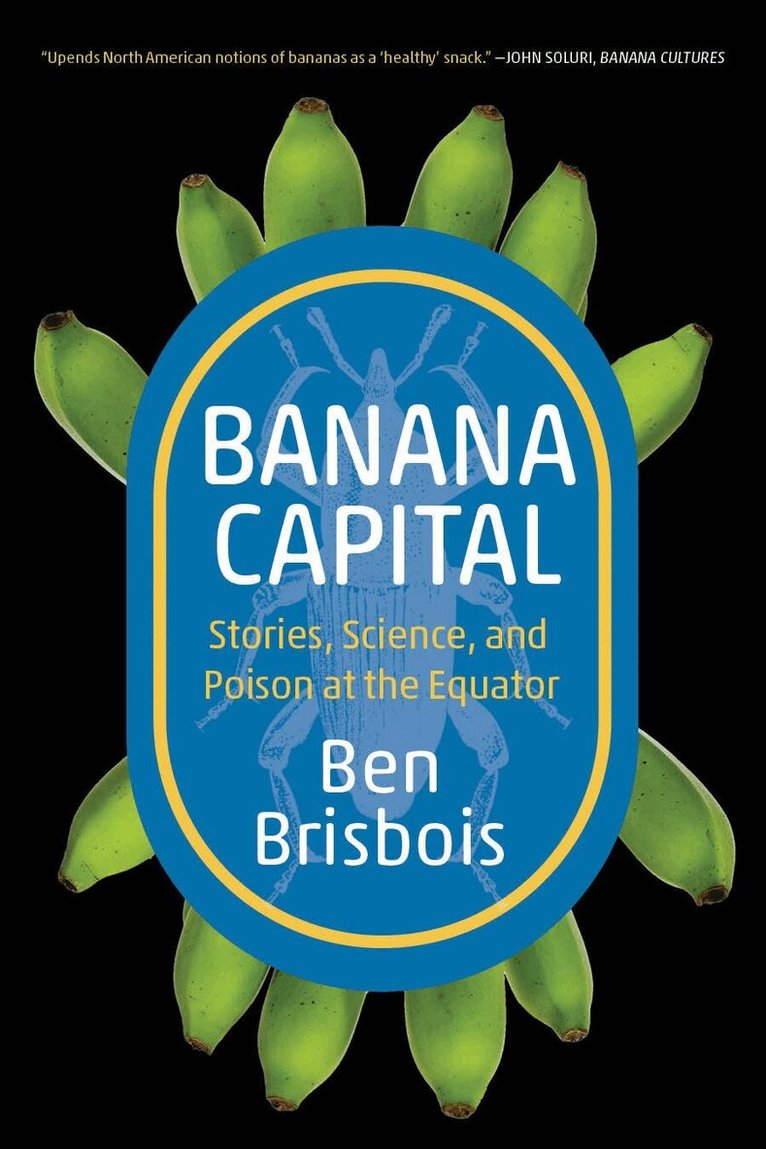
ONE OF CHOICE REVIEW'S OUTSTANDING ACADEMIC TITLES OF 2025For more than a century, banana plantations and farms in Latin America have defined the landscape and economies wherever these fruits are grown—toxic chemicals, exploited workers, and fragile monocultures are their legacy.At the southern end of Ecuador’s la costa region lies the city of Machala, the self-described “Banana Capital” of the world. There, farmers and workers experience alarming rates of negative health effects associated with widespread pesticide use along with precarious and unsafe working conditions. Banana Capital: Stories, Science, and Poison at the Equator reveals the grim realities of daily life for banana farmers and, beyond that, seeks to understand and address these challenges.Ben Brisbois’s search for understanding leads him back to the 19th-century origins of banana production in the Americas and through over a century of imperialism, bloodshed, and ecological devastation. Along the way, he uncovers how worker-led resistances and the ever-unpredictable ecosystem thwart repeated attempts by powerful multinationals and their government allies to extract more and more wealth from banana plantations at the cost of Latin American health and lives.Banana Capital reveals the power dynamics of life in the banana industry— dynamics vividly experienced by workers caught in a struggle against corporations prioritizing profit over the health of the land and the community.