Documentary Film Cultures - Böcker
Visar alla böcker i serien Documentary Film Cultures. Handla med fri frakt och snabb leverans.
4 produkter
4 produkter
Del 3 - Documentary Film Cultures
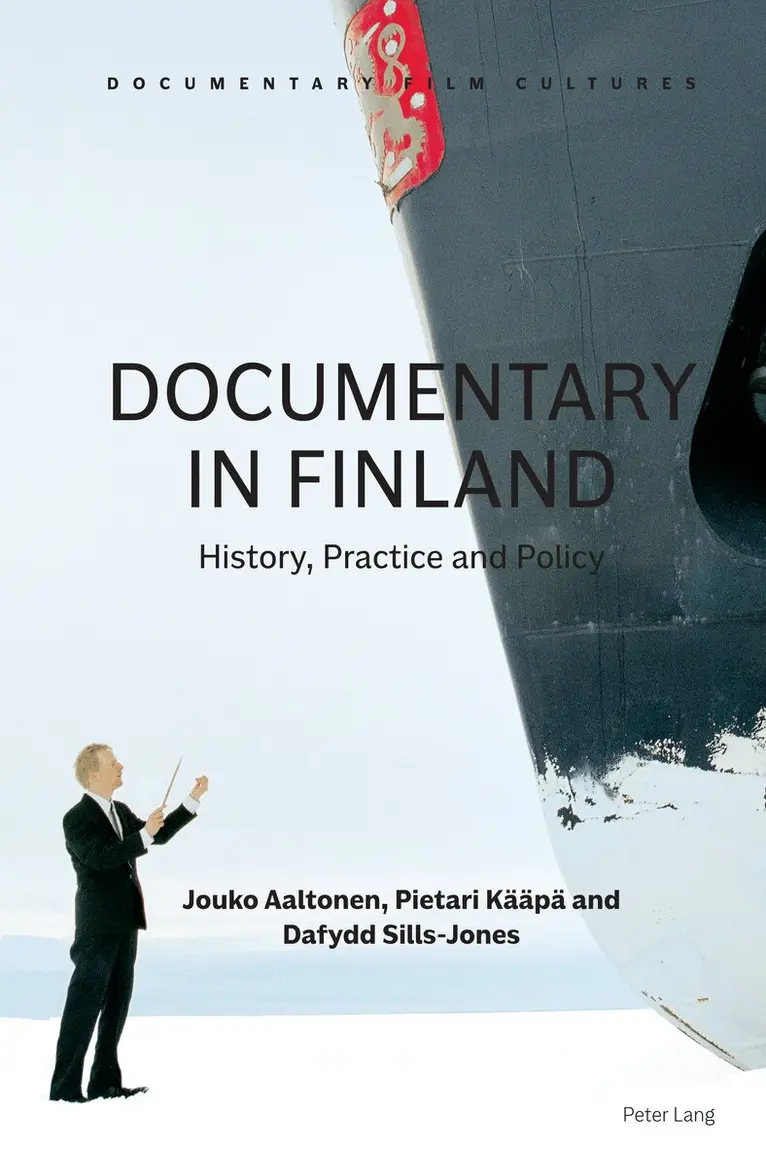
Documentary in Finland
History, Practice and Policy
Inbunden, Engelska, 2023
760 kr
Skickas inom 5-8 vardagar
844 kr
Skickas inom 5-8 vardagar
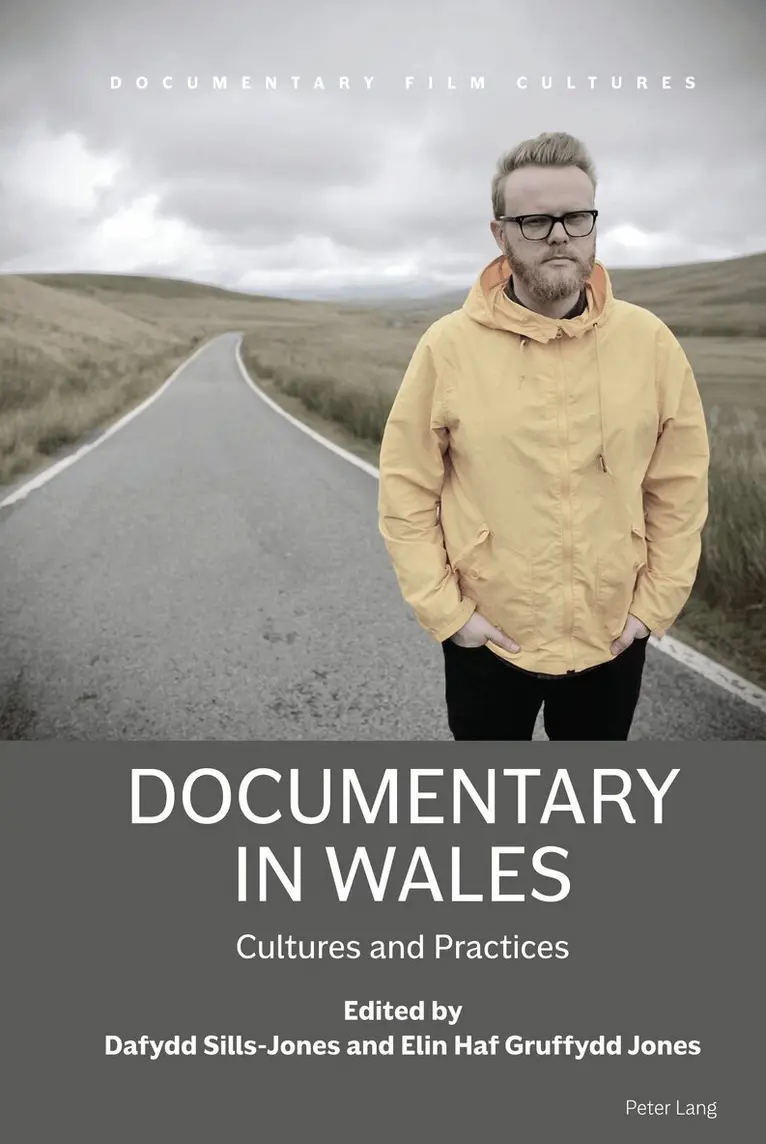
Documentary, in a small, bilingual nation such as Wales, experiences many of the same challenges that it faces across the world. As the costs of professional documentary production lessen, and the potentialities of internet distribution loosen the grip of its traditional tele-cinematic gatekeepers, documentary production communities face both the potential of new distribution avenues and severe professional precarity.In Wales, the dynamics of this transformation unfolds according to a specific historical, political and cultural situation. With funding, regulatory frameworks, audience taste, viewing figures, and contractual territories all mostly emanating or controlled from across the border in England, at times it is difficult to identify texts that can and can’t be claimed as «Welsh». But then again, contingency and struggle have always been fundamental aspects of Welsh cultural identity.What emerges is not so much the documentary culture of a small nation, but a documentary culture that is still struggling to come to terms with itself, giving Welsh documentary a character defined by a specific set of features: the political and cultural interplay of two languages, a continuation of older British public service broadcasting traditions, the acceptance of the marginal, the close interconnectedness of key players and the often paralysing effect of underfunding.
Del 2 - Documentary Film Cultures
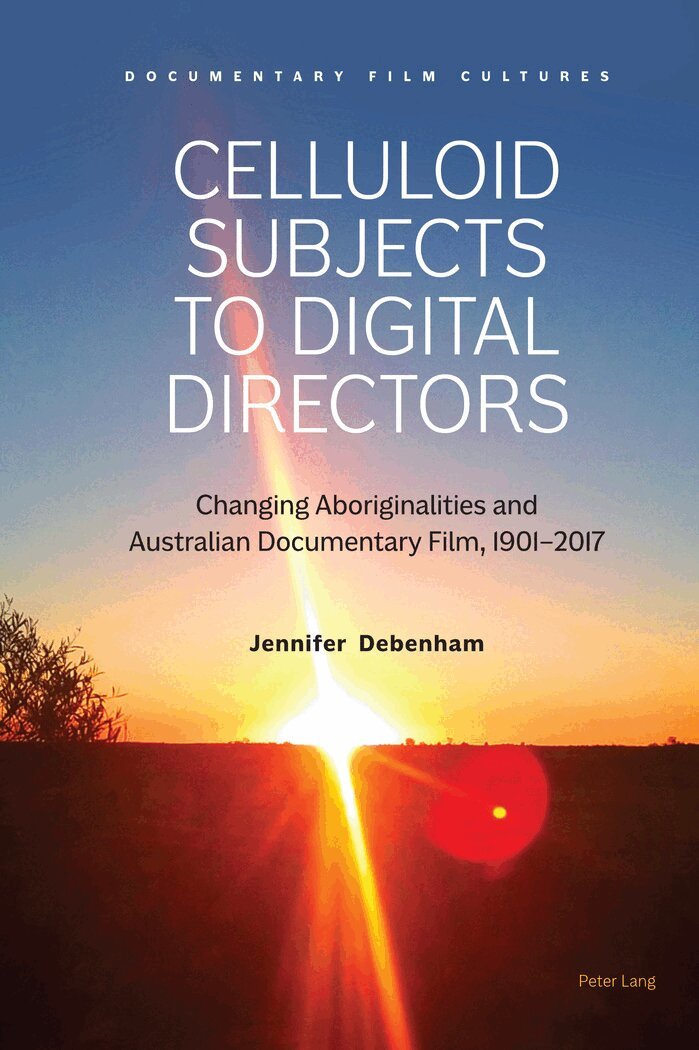
Celluloid Subjects to Digital Directors
Changing Aboriginalities and Australian Documentary Film, 1901–2017
Inbunden, Engelska, 2020
956 kr
Skickas inom 5-8 vardagar
How did Australia’s Aboriginal and Torres Strait Islander population go from being the objectified subjects of documentary films to the directors and producers in the digital age? What prompted these changes and how and when did this decolonisation of documentary film production occur? Taking a long historical perspective, this book is based on a study of a selection of Australian documentary films produced by and about Aboriginal peoples since the early twentieth century. The films signpost significant shifts in Anglo-Australian attitudes about Aboriginal and Torres Strait Islanders and trace the growth of the Indigenous filmmaking industry in Australia.Used as a form of resistance to the imposition of colonialism, filmmaking gave Aboriginal people greater control over their depiction on documentary film and the medium has become an avenue to contest widely held assumptions about a peaceful colonial settlement. This study considers how developments in camera and film stock technologies along with filmic techniques influenced the depiction of Aboriginal and Torres Strait Islanders. The films are also examined within their historical context, employing them to gauge how social attitudes, access to funding and political pressures influenced their production values. The book aims to expose the course of race relations in Australia through the decolonisation of documentary film by Aboriginal filmmakers, tracing their struggle to achieve social justice and self-representation.
760 kr
Skickas inom 5-8 vardagar
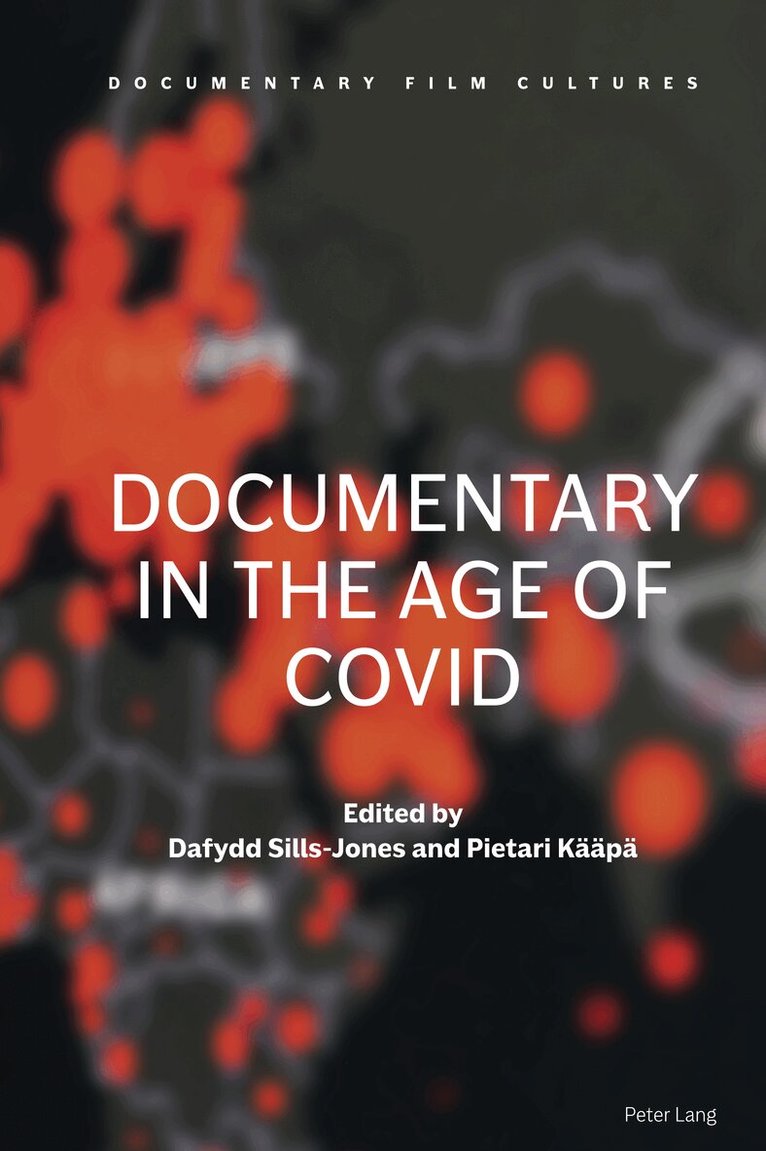
«Documentary in the Age of COVID is a timely and astute volume that affirms and challenges our thinking about how the cultural and technological disruption brought by the pandemic response has upended documentary culture. It is a guiding light for documentary practitioners and scholars as they navigate the new terrain of a post-COVID world.»(Professor Belinda Smaill, Monash University)This collection responds to the unusual and disturbing challenges of the COVID-19 pandemic. The volume surveys the immediate effects of the onset of the COVID-19 pandemic in documentary film cultures as well as providing a space for unpacking the recent past and future of documentary in the context of the pandemic’s possible effects. It is published as part of Peter Lang’s Documentary Film Cultures series and reflects the value of documentary as an enduring and influential channel of media discourse and community of practice. Media producers have been forced to both interrogate their chosen professions and innovate with limited resources. Already, we are seeing new distribution and production methods emerge to highlight the importance of media-makers as essential workers, as they are uniquely equipped with the ability to represent the various dialogues undertaken to respond to the cultural, social, economic and political challenges the pandemic has foisted on global society.