Transformative Politics Series, ed. Joy James - Böcker
Visar alla böcker i serien Transformative Politics Series, ed. Joy James. Handla med fri frakt och snabb leverans.
3 produkter
3 produkter
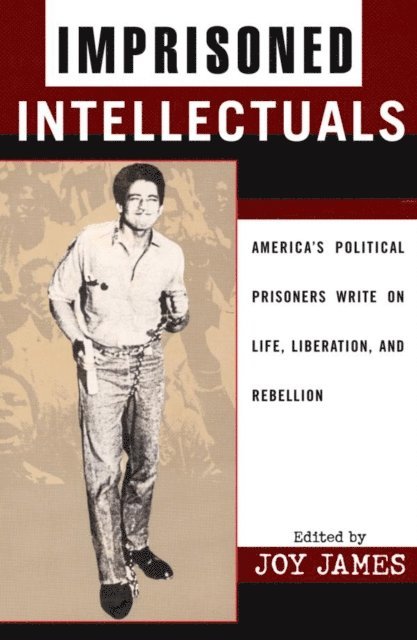
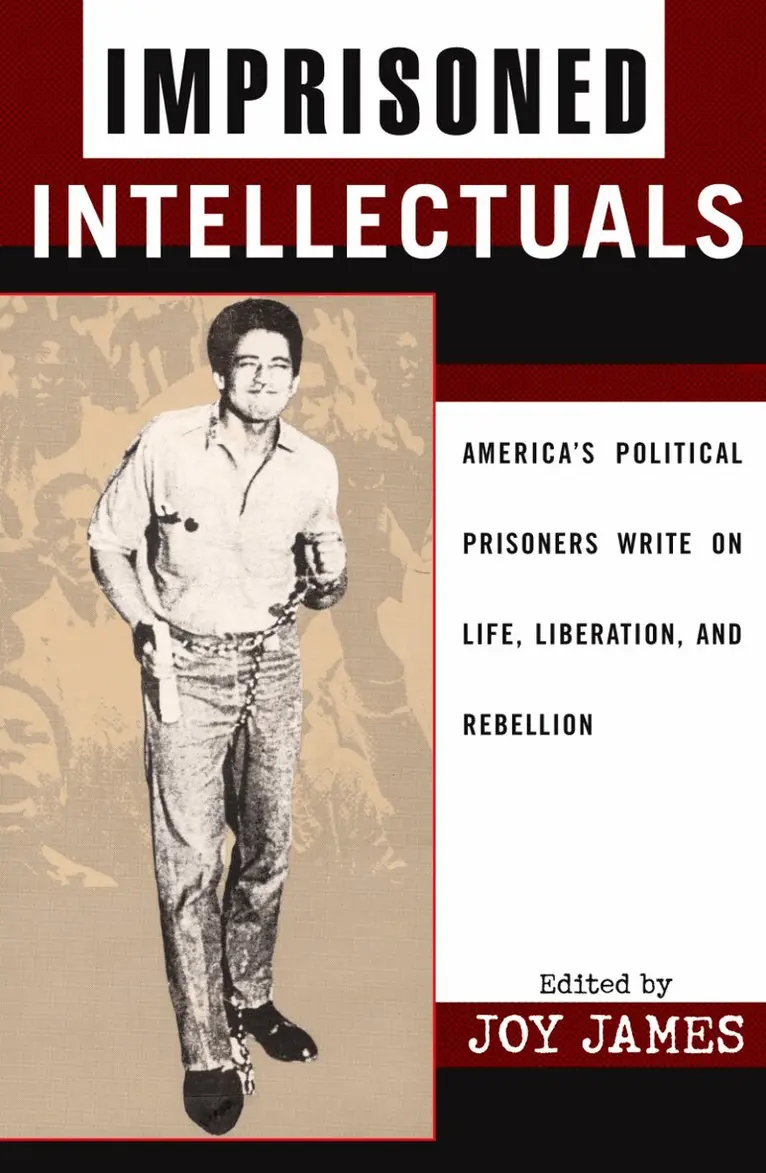
Imprisoned Intellectuals
America's Political Prisoners Write on Life, Liberation, and Rebellion
Häftad, Engelska, 2003
568 kr
Skickas inom 10-15 vardagar
Prisons constitute one of the most controversial and contested sites in a democratic society. The United States has the highest incarceration rate in the industrialized world, with over 2 million people in jails, prisons, and detention centers; with over three thousand on death row, it is also one of the few developed countries that continues to deploy the death penalty. International Human Rights Organizations such as Amnesty International have also noted the scores of political prisoners in U.S. detention.This anthology examines a class of intellectuals whose analyses of U.S. society, politics, culture, and social justice are rarely referenced in conventional political speech or academic discourse. Yet this body of outlawed "public intellectuals" offers some of the most incisive analyses of our society and shared humanity.Here former and current U.S. political prisoners and activists-writers from the civil rights/black power, women's, gay/lesbian, American Indian, Puerto Rican Independence and anti-war movements share varying progressive critiques and theories on radical democracy and revolutionary struggle.This rarely-referenced "resistance literature" reflects the growing public interest in incarceration sites, intellectual and political dissent for social justice, and the possibilities of democratic transformations. Such anthologies also spark new discussions and debates about "reading"; for as Barbara Harlow notes: "Reading prison writing must. . . demand a correspondingly activist counterapproach to that of passivity, aesthetic gratification, and the pleasures of consumption that are traditionally sanctioned by the academic disciplining of literature."—Barbara Harlow [1]1. Barbara Harlow, Barred: Women, Writing, and Political Detention (New England: Wesleyan University Press, 1992).Royalties are reserved for educational initiatives on human rights and U.S. incarceration.
1 873 kr
Skickas inom 5-8 vardagar
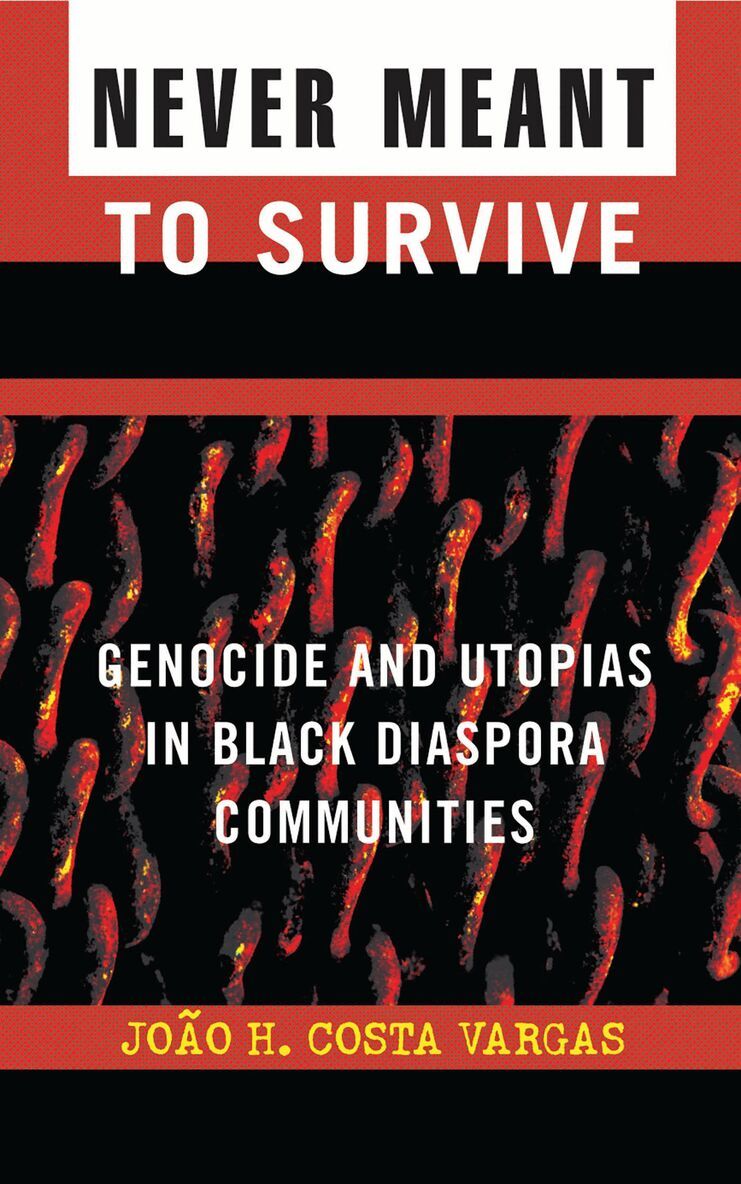
Never Meant to Survive presents a historical, political, and social assessment of anti-black genocide and liberatory struggles that arose to resist it. Based on fine-grained accounts of community life at the street level, Costa Vargas's work presents crucial examples of political resistance and community activism.By examining two cities linked by common experiences of Blackness, Los Angeles and Rio de Janeiro, this book identifies a prevailing genocidal force that organizes individuals and groups across society. The 1965 and 1992 riots in Los Angeles, the work of the Black Panther Party and favela activists in Brazil, and police brutality in struggles between black communities and the state in both L.A. and Rio de Janeiro all figure importantly in Costa Vargas's compelling account. What emerges from this analysis is a call for the destruction of the conditions that foster the marginalization of black communities and a halt to the internal conflicts between black social groups themselves.
603 kr
Skickas inom 5-8 vardagar
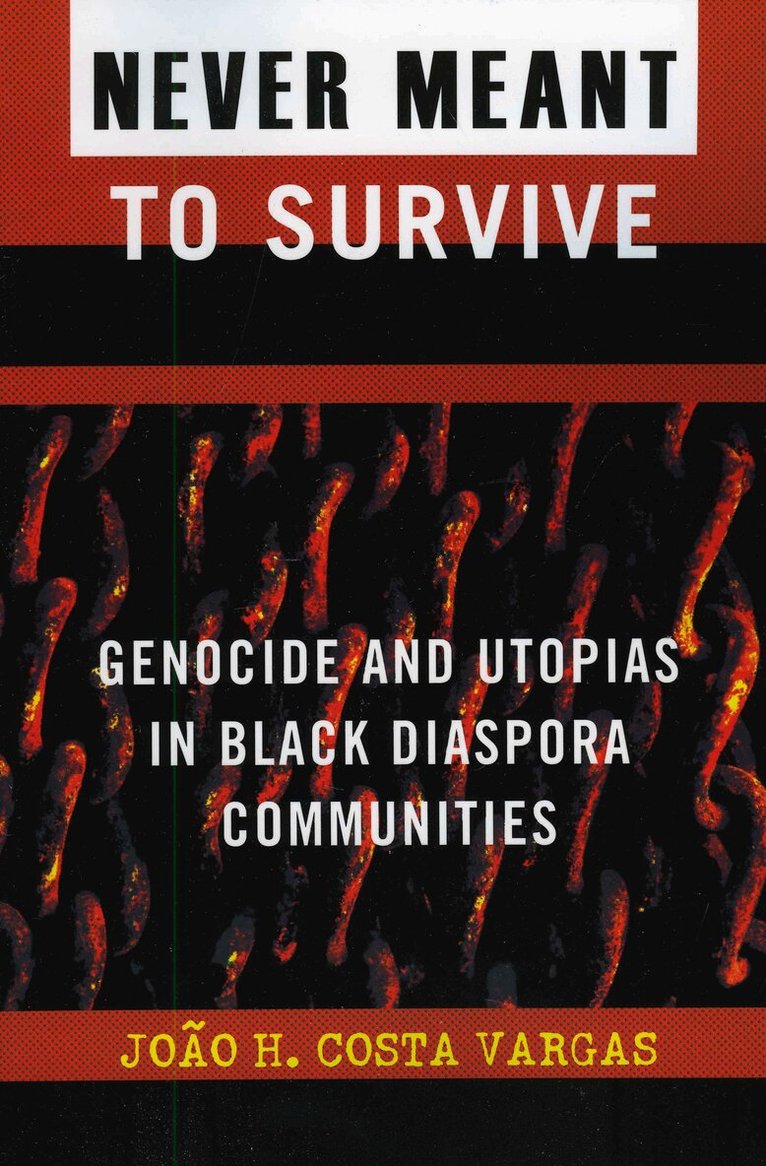
Never Meant to Survive presents a historical, political, and social assessment of anti-black genocide and liberatory struggles that arose to resist it. Based on fine-grained accounts of community life at the street level, Costa Vargas's work presents crucial examples of political resistance and community activism.By examining two cities linked by common experiences of Blackness, Los Angeles and Rio de Janeiro, this book identifies a prevailing genocidal force that organizes individuals and groups across society. The 1965 and 1992 riots in Los Angeles, the work of the Black Panther Party and favela activists in Brazil, and police brutality in struggles between black communities and the state in both L.A. and Rio de Janeiro all figure importantly in Costa Vargas's compelling account. What emerges from this analysis is a call for the destruction of the conditions that foster the marginalization of black communities and a halt to the internal conflicts between black social groups themselves.