Edinburgh Studies in Television - Böcker
Visar alla böcker i serien Edinburgh Studies in Television. Handla med fri frakt och snabb leverans.
8 produkter
8 produkter
1 928 kr
Skickas inom 3-6 vardagar
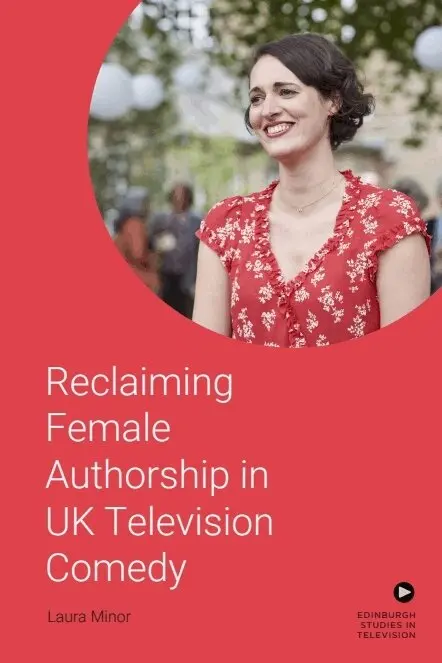
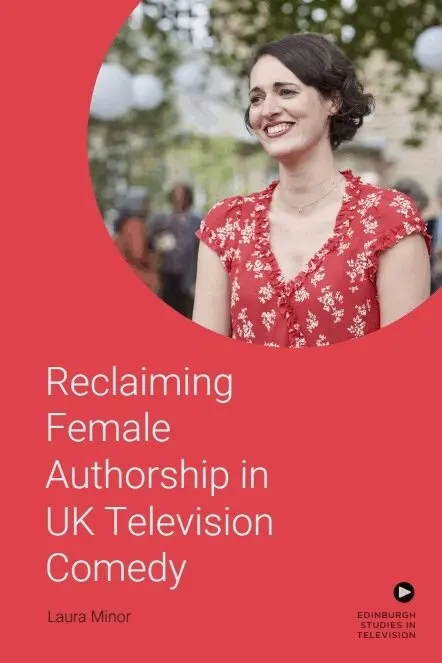
This book explores female authorship in UK television comedy, with a focus on British and Northern Irish writers/performers. More specifically, it examines comedy texts produced between 2010 and 2020, a period marked by a proliferation of female-centric and female-created comedy. In the following order, comedians Julia Davis, Phoebe Waller-Bridge, Caitlin/Caroline Moran, Michaela Coel, and Sharon Horgan will be analysed as key case studies.Drawing from these case studies, the book has two objectives. First, it seeks to update Kathleen Rowe's concept of the 'unruly' woman, shifting the emphasis from visibility and performance to the labour and contexts behind on-screen portrayals. Building on Rowe's existing scholarship, the book introduces the term 'fastidious' to describe how comedians display delicacy, precision, and control over their carefully crafted TV series. Secondly, the book aims to extend this concept to British and Northern Irish TV writers/performers who have been either overlooked or examined within broader transnational projects. In doing so, it 'reclaims' the authorship of women from the UK.
239 kr
Skickas
This book explores female authorship in UK television comedy, with a focus on British and Northern Irish writers/performers. More specifically, it examines comedy texts produced between 2010 and 2020, a period marked by a proliferation of female-centric and female-created comedy. In the following order, comedians Julia Davis, Phoebe Waller-Bridge, Caitlin/Caroline Moran, Michaela Coel, and Sharon Horgan will be analysed as key case studies.Drawing from these case studies, the book has two objectives. First, it seeks to update Kathleen Rowe's concept of the 'unruly' woman, shifting the emphasis from visibility and performance to the labour and contexts behind on-screen portrayals. Building on Rowe's existing scholarship, the book introduces the term 'fastidious' to describe how comedians display delicacy, precision, and control over their carefully crafted TV series. Secondly, the book aims to extend this concept to British and Northern Irish TV writers/performers who have been either overlooked or examined within broader transnational projects. In doing so, it 'reclaims' the authorship of women from the UK.
1 277 kr
Skickas inom 7-10 vardagar
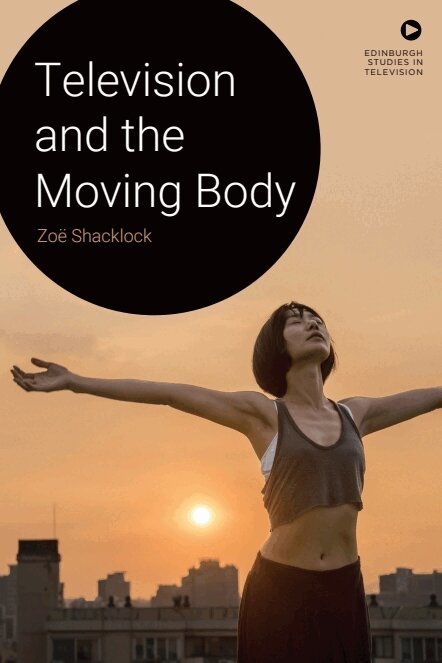
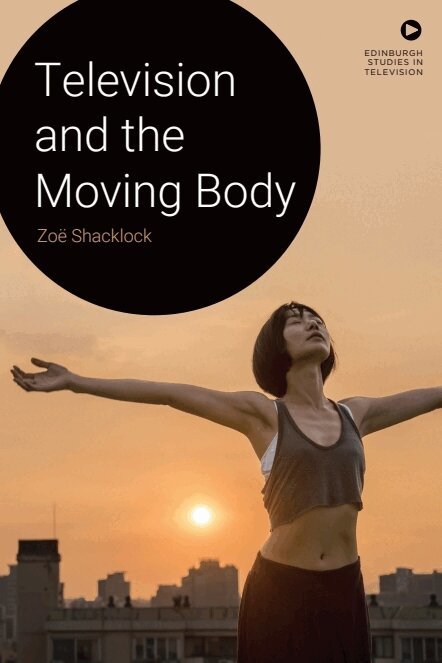
To watch television is to watch bodies in motion: walking, dancing, cooking, fighting, running, playing, travelling, and so on. Television and the Moving Body presents the first detailed exploration of the moving body on television. It analyses different types of movement, including walking, dancing, sports, and craft, outlining how these different movement profiles are employed to construct time, tell stories, work through cultural issues, and foster empathy. Through a range of case studies across different genres and formats, including Gogglebox, The West Wing, Taskmaster, The Repair Shop, Strictly Come Dancing and Sense8, this book examines what television's moving bodies tell us both about normative ideas of movement and identity, and about television itself.
254 kr
Kommande
To watch television is to watch bodies in motion: walking, dancing, cooking, fighting, running, playing, travelling, and so on. Television and the Moving Body presents the first detailed exploration of the moving body on television. It analyses different types of movement, including walking, dancing, sports, and craft, outlining how these different movement profiles are employed to construct time, tell stories, work through cultural issues, and foster empathy. Through a range of case studies across different genres and formats, including Gogglebox, The West Wing, Taskmaster, The Repair Shop, Strictly Come Dancing and Sense8, this book examines what television’s moving bodies tell us both about normative ideas of movement and identity, and about television itself.
1 210 kr
Skickas inom 7-10 vardagar
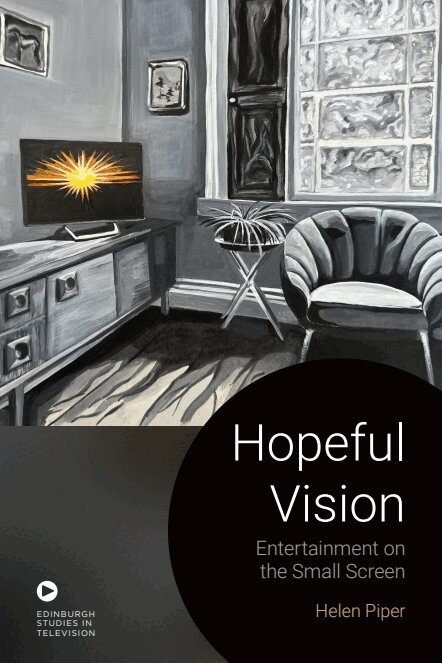
This monograph recuperates the concept of entertainment as a legitimate basis for 'small screen' criticism. It suggests that critical approaches to television might treat the text as an object of potential which actively engages and provides for aesthetic experience through entertainment.Aesthetic experience is characterised by emotion, and this study shows how the textual production of specifically forward feelings such as anticipation, aspiration, fear or dread may be mobilised and made sense of, shaping our sense of the future and its objects of hope. The argument is demonstrated by case studies arranged from 'light' to 'dark' in tone - as varied as Eurovision and Succession, The Repair Shop and The Leftovers showing how these provide potentially significant, affecting encounters that are 'hopeful' in varying degrees and guises. Hope is adopted both as a theme of analysis and as a critical strategy of interpretation which privileges entertainment efficacy, and thus moves towards a more viewer-centric appreciation of cultural value.
254 kr
Kommande
This monograph recuperates the concept of entertainment as a legitimate basis for ‘small screen’ criticism. It suggests that critical approaches to television might treat the text as an object of potential which actively engages and provides for aesthetic experience through entertainment.Aesthetic experience is characterised by emotion, and this study shows how the textual production of specifically forward feelings such as anticipation, aspiration, fear or dread may be mobilised and made sense of, shaping our sense of the future and its objects of hope. The argument is demonstrated by case studies arranged from ‘light’ to ‘dark’ in tone - as varied as Eurovision and Succession, The Repair Shop and The Leftovers – showing how these provide potentially significant, affecting encounters that are ‘hopeful’ in varying degrees and guises. Hope is adopted both as a theme of analysis and as a critical strategy of interpretation which privileges entertainment efficacy, and thus moves towards a more viewer-centric appreciation of cultural value.
1 277 kr
Skickas inom 7-10 vardagar
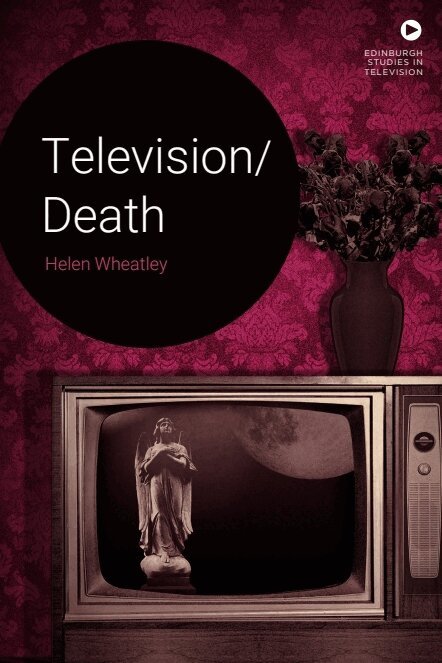
Television/Death intertwines the study of death, dying and bereavement on television with discussion of the ways that television (and the TV archive) provides access to the dead. Section One explores the representation of death and dying on television, in historical and contemporary television documentaries. It looks at the early history of this genre as well as contemporary documentaries about a range of death and dying experiences, from home deaths to hospice care and assisted dying. Section Two focuses on dramas of grief and bereavement and discusses how contemporary complex serial television drama and comedy, from family melodramas to the ghost serial to afterlife dramadies, present emotionally realist representations of experiences of grief, bereavement and death-related trauma and explore questions like 'What happens to us after we die?' Finally, Section Three proposes that television has been overlooked in critical analyses of how recorded media 'brings back the dead'. It argues that television is the ultimate posthumous medium and looks at how the dead return via incorporation into new television programmes or through projects to bring television out of the archive.
254 kr
Skickas
Television/Death intertwines the study of death, dying and bereavement on television with discussion of the ways that television (and the TV archive) provides access to the dead.Section One looks at the representation of death, dying and the afterlife on television, in historical and contemporary factual television (from around the world) and in US television drama.Section Two focuses on dramas of grief and bereavement and discusses how the long form seriality and narrative complexity of television, from family melodramas to the ghost serial, allows for an emotionally realist representation of experiences of grief, bereavement and death-related trauma.Finally, Section Three proposes that television has been overlooked in critical analyses of recorded sounds' and images' propensity to 'bring back the dead'. It argues that television is the posthumous medium par excellence and looks at how the dead return via incorporation into new television programmes or through projects to bring television out of the archive.