
Environmental History of Scotland – serie
Visar alla böcker i serien Environmental History of Scotland. Handla med fri frakt och snabb leverans.
3 produkter
3 produkter
979 kr
Skickas
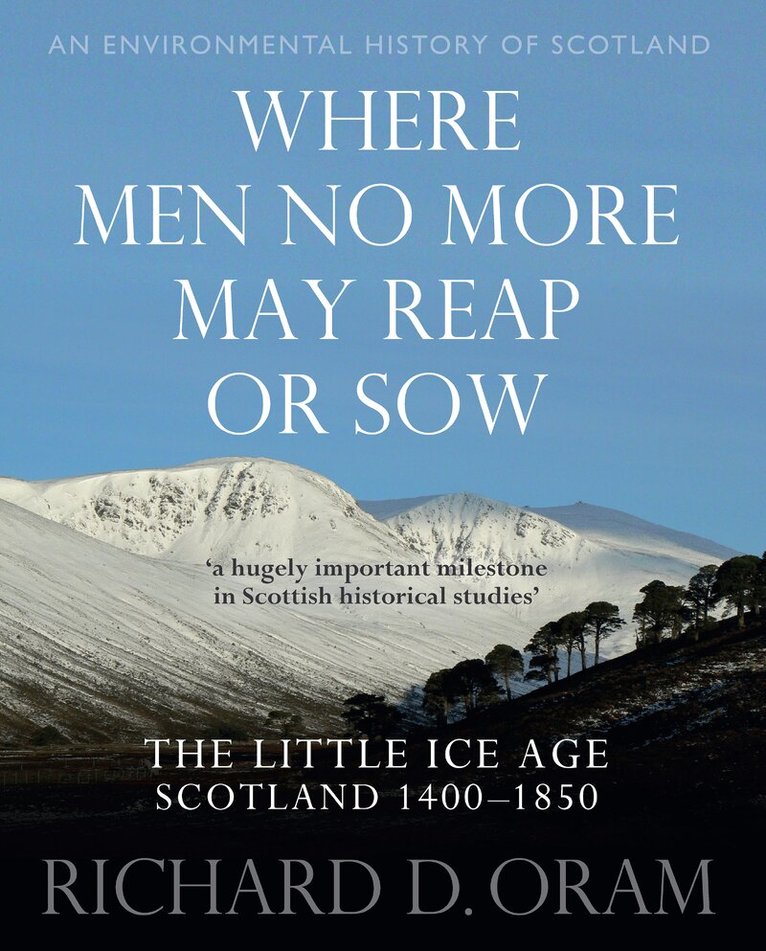
Drawing together the evidence of archaeology, palaeoecology, climate history and the historical record, this first environmental history of Scotland explores the interaction of human populations with the land, waters, forests and wildlife.This volume spans 450 years that saw profound transformation in Scotland’s environment. It begins in the fifteenth century, when the ‘Golden Age’ of the early 1200s was but a fading folk memory in a land gripped by the gathering grimness of a ‘little ice age’. Colder, wetter, stormier weather became the new normal, interspersed with brief episodes of warmer but still moist conditions, all of which brought huge challenges to a society on the knife-edge of subsistence. Viewing the religious and political upheavals of the sixteenth and seventeenth centuries against the cycles of disease and dearth that were ever-present into the later 1700s, the book explores the slow adoption and application of the ideas of ‘Improvement’ and the radical disruption of Scotland’s environment that ensued. Reformation, revolution and rebellion were the background noise to efforts to subsist and succeed through a hostile age, in which Scotland’s environment was an adversary to be tamed, mastered and made ‘polite’. As the last, bitter decades of the ‘little ice age’ were ground out in foreign wars, forced clearances and potato famines, Scotland prepared itself to embrace the Industrial Age.
979 kr
Skickas
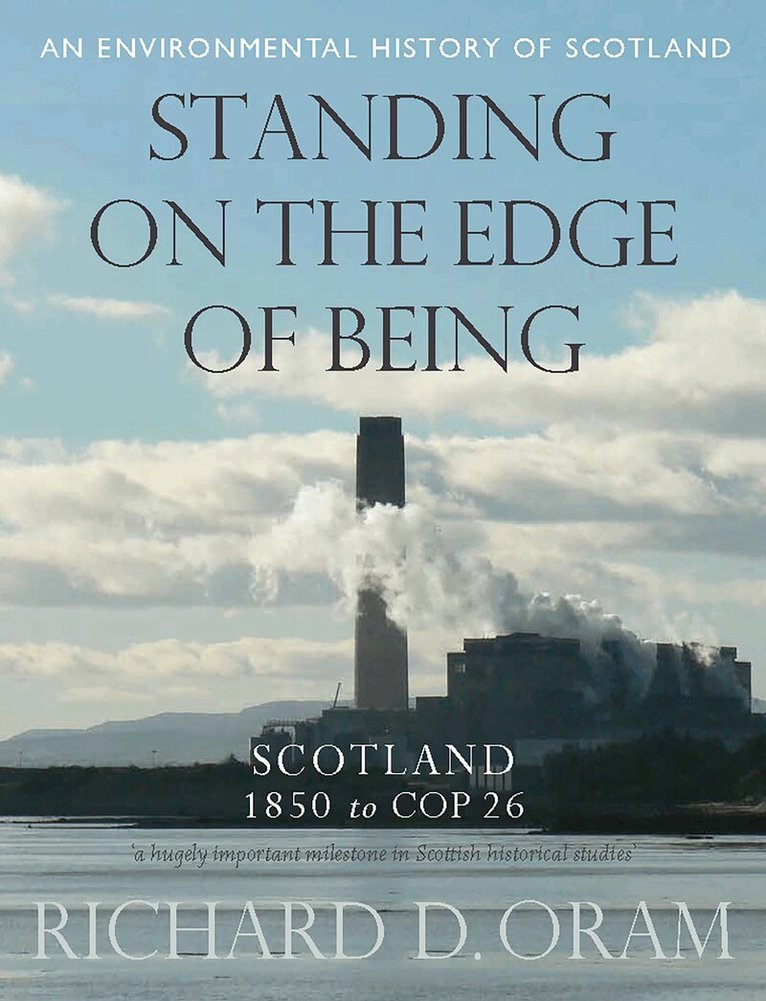
Drawing together the evidence of archaeology, palaeoecology, climate history and the historical record, this first environmental history of Scotland explores the interaction of human populations with the land, waters, forests and wildlife.This volume takes the reader from the mid nineteenth century to the present, confronting the ‘Anthropocene’ – the era where human action became a key driver of environmental and climatic change – and explores Scotland’s experience of its consequences and costs. In the first half of the book, we chart a course through a century of decline and loss alongside the first serious efforts to curb and reverse the worst environmental impacts, from the filth-spewing cities and foul factory emissions of the lowlands to the degraded mountains, moorland and waters of the upland zones, In the second half, we trace the conflict between pressures to develop and to conserve, to go for economic growth or environmental protection, against the backdrop of mounting public awareness of an unfolding environmental disaster. We see how political compromises have failed to deliver security – for jobs or the environment – and how the toxic legacies of now-vanished industries have been left to the public purse to remediate. But, even now, all is not lost: this final volume of the exploration of the last two thousand years of Scotland’s environmental history calls for deeper and wider public engagement in shaping a future vision for the nation.
979 kr
Skickas
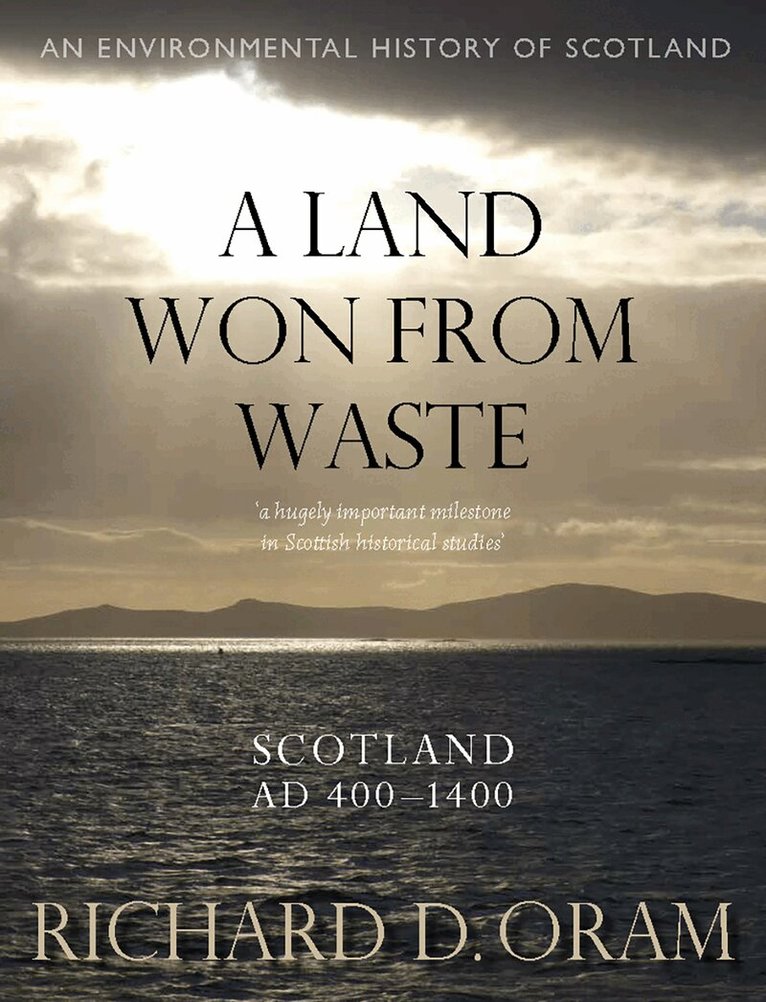
Drawing together the evidence of archaeology, palaeoecology, climate history and the historical record, this first environmental history of Scotland explores the interaction of human populations with land, waters, forests and wildlife.This volume takes the reader from the climatic highs of the Late Iron Age to the depths of the war-torn and plague-ravaged fourteenth century. Departing from traditional frameworks that divide Scotland’s history into periods based on kings’ reigns or major political events, discussion instead follows the major shifts in climate that divide these fourteen centuries into epochs, each with its own distinct characteristics. Starting amidst the fields and forests shaped across the eight millennia of Scotland’s prehistory, where we encounter the imprint of past generations of hunters and gatherers, farmers and fishermen, as well as the legacies of climate impacts and pathogens, the book explores the depths of the Late Antique Little Ice Age and the long climb back to the ‘Golden Age’ of the twelfth- and thirteenth-century Medieval Climate Anomaly, to end with the slide through crop-failure, famine, war and disease of what is reputed to be the ‘worst century in human history’.