Environmental Resource Management Series - Böcker
Visar alla böcker i serien Environmental Resource Management Series. Handla med fri frakt och snabb leverans.
4 produkter
4 produkter
527 kr
Skickas inom 10-15 vardagar
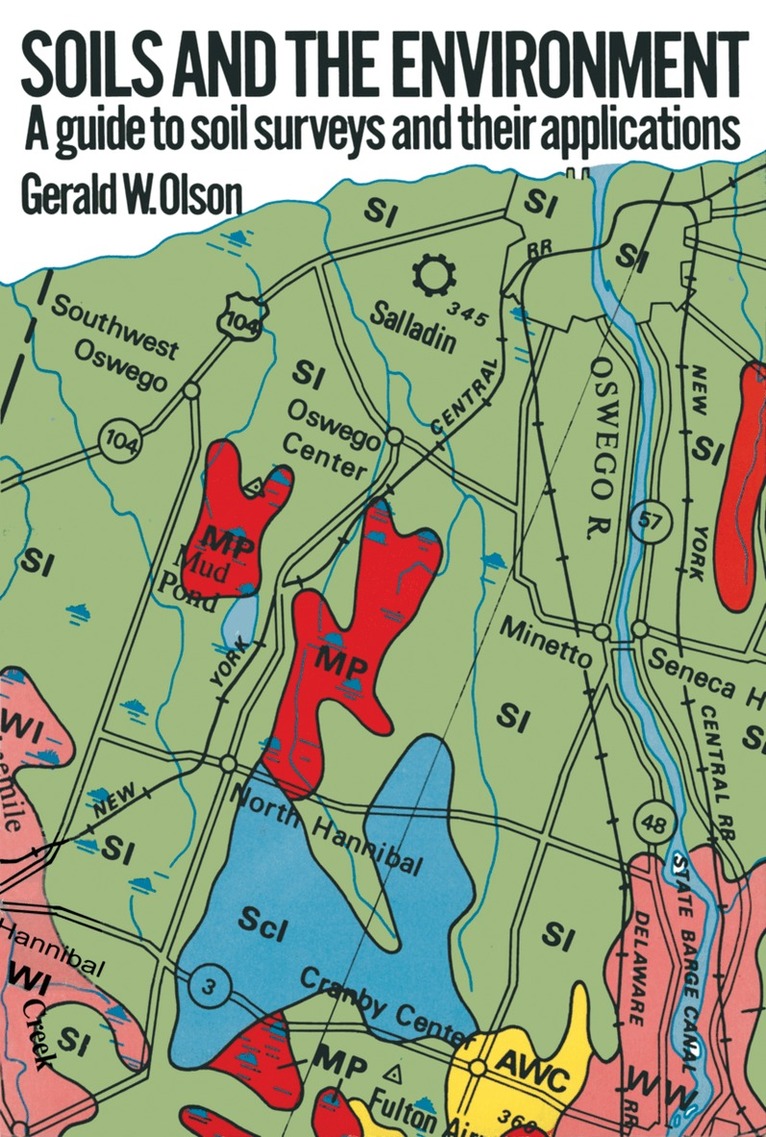
As we enter the last decades of the twentieth century, many persistent and perplexing problems continue to afflict humankind. Thus it is appropriate to address, in a new group of books, two of the monumental issues that haunt people throughout the world. Soils and the Environment by Professor Gerald W. Olson is the first book in this new publish ing program on Environment, Energy, and Society. The purpose of all these books will be to explore the many interrelated facets of these topics and to provide guidance for deal ing with problems and offering ideas for their solutions. Environment and energy are twin problems that occupy what many believe to be opposite sides of a two-headed coin. They are often viewed as being antithetical and incompatible. The various books in this program will try to place in perspective the options that are available to those who design policy and plan and manage societal matters. Typical of books being developed currently are ones on coal resources, environmental geoscience, environmental pollution, land-use planning, nuclear energy, mineral resources, and water resources. However, because soils are at the very heart of civilization and provide the building block for human sustenance, it is fitting to inaugurate this series with Dr. Olson's timely analysis of soils. Unfortu nately, these most vital resources seen. to have low priority in many farming enterprises, urbanization projects, deforestation schemes, and mining and developmental terrain changes.
534 kr
Skickas inom 10-15 vardagar
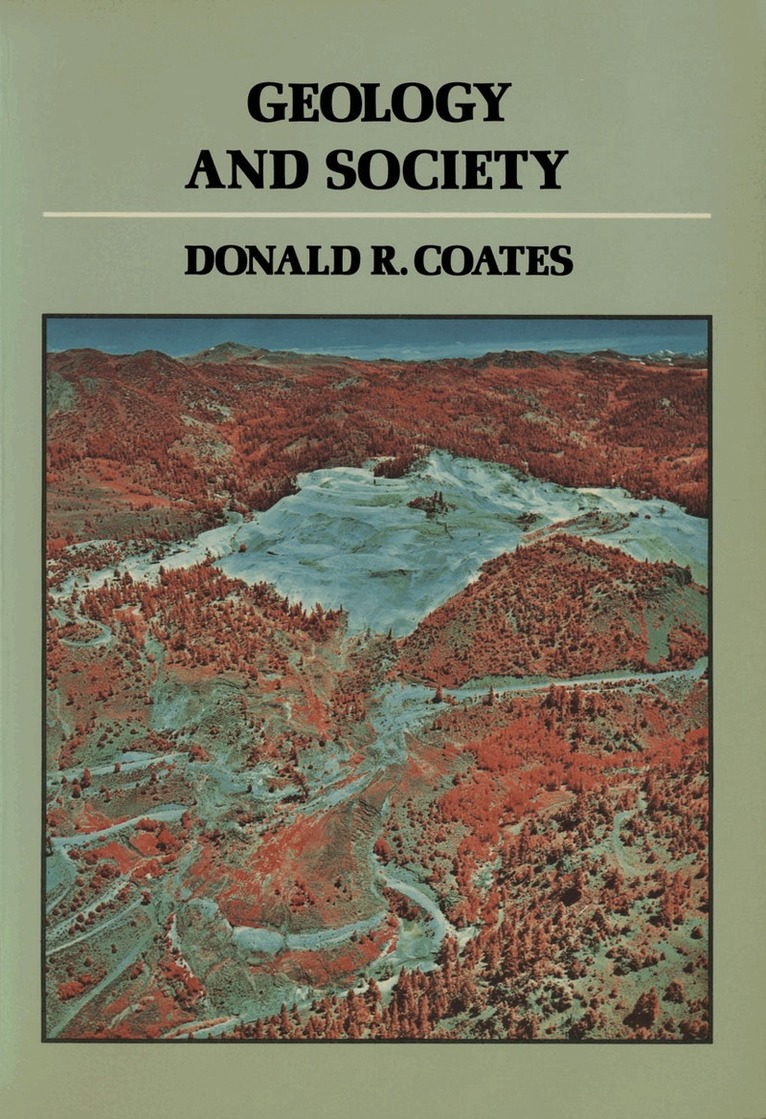
This book should be of interest to students of geology, geography and environmental science; professionals working in land management, civil engineers, geological engineers.
527 kr
Skickas inom 10-15 vardagar
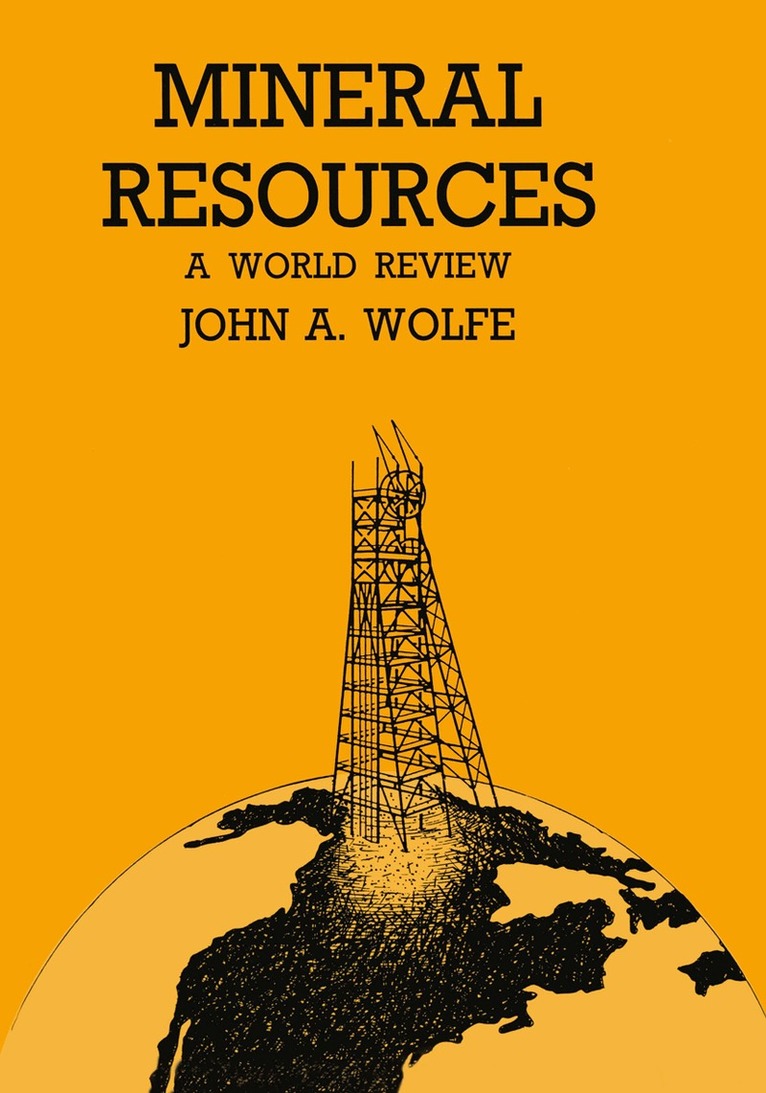
This volume discusses the mineral resources upon which modern civiliza tion is built. Take away these minerals and humanity will rapidly return to the stone age, with its greatest concern the depletion of flint (also a mineral). It would, of course, result in about a 99% reduction in population. In other words, approximately 99% of the worlds' population is dependent on minerals for its existence. That is a pretty strong statement, but how many have even seen a travois? Without minerals, pack animals, rafts, rowboats, sail boats, sledges, and the backs of man would be the only forms of transport. Sufficient food could not be transported, nor could it be grown on our tired soils without tractors and fertilizer. Even in the more fertile tropics where nearly half of the population is now suffering from malnutrition, crops are dependent on "miracle" grains that require mechanization and mineral fertilizers. Modern buildings cannot operate without electricity and, without mineral fuels, few people in the northern latitudes would survive the first winter.
534 kr
Skickas inom 10-15 vardagar
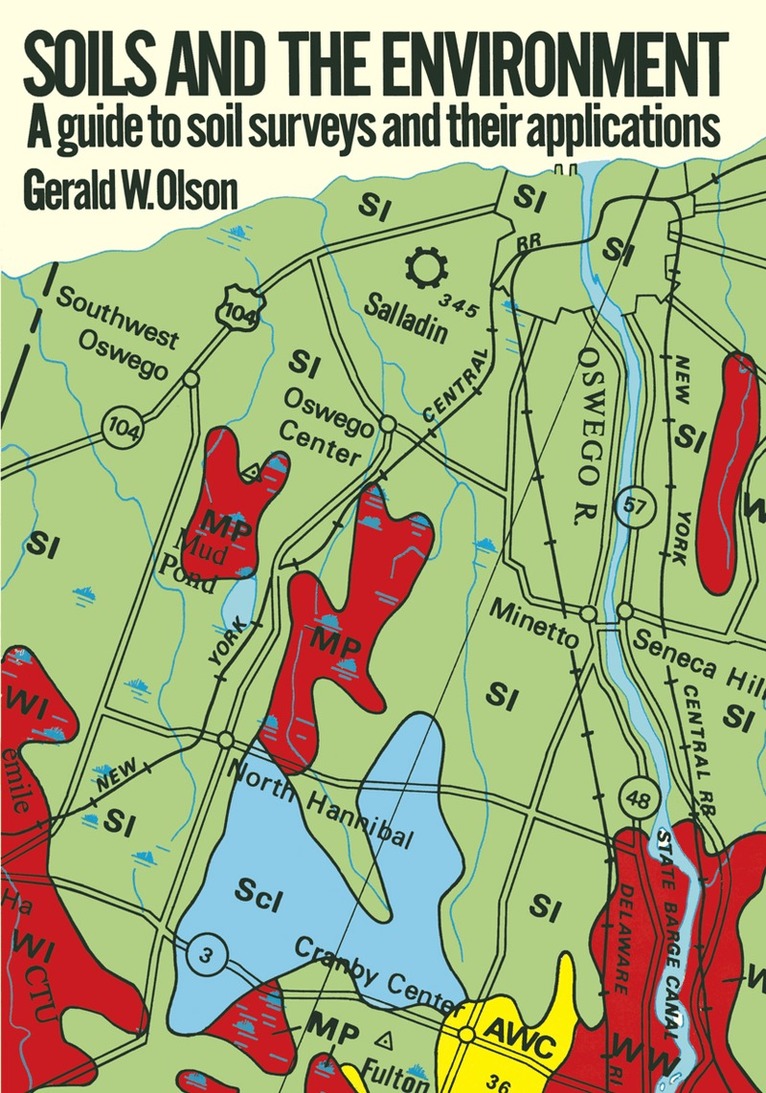
As we enter the last decades of the twentieth century, many persistent and perplexing problems continue to afflict humankind. Thus it is appropriate to address, in a new group of books, two of the monumental issues that haunt people throughout the world. Soils and the Environment by Professor Gerald W. Olson is the first book in this new publish ing program on Environment, Energy, and Society. The purpose of all these books will be to explore the many interrelated facets of these topics and to provide guidance for dealing with problems and offering ideas for their solutions. Environment and energy are twin problems that occupy what many believe to be opposite sides of a two-headed coin. They are often viewed as being antithetical and incompatible. The various books in this program will try to place in perspective the options that are available to those who design policy and plan and manage societal matters. Typical of books being developed currently are ones on coal resources, environmental geoscience, environmental pollution, land-use planning, nuclear energy, mineral resources, and water resources. However, because soils are at the very heart of civilization and provide the building block for human sustenance, it is fitting to inaugurate this series with Dr. Olson's timely analysis of soils. Unfortu nately, these most vital resources seem to have low priority in many farming enterprises, urbanization projects, deforestation schemes, and mining and developmental terrain changes.