Evolving Values for a Capitalist World – serie
Visar alla böcker i serien Evolving Values for a Capitalist World. Handla med fri frakt och snabb leverans.
8 produkter
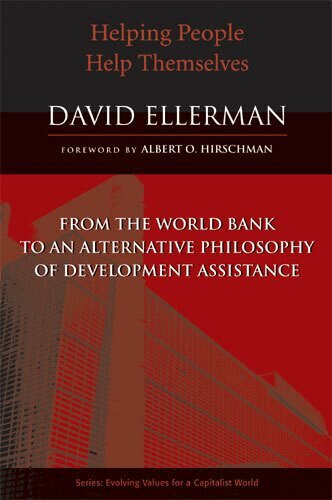
Helping People Help Themselves
From the World Bank to an Alternative Philosophy of Development Assistance
Häftad, 2006
397 kr
Lägg i varukorg
David Ellerman relates a deep theoretical groundwork for a philosophy of development, while offering a descriptive, practical suggestion of how goals of development can be better set and met. Beginning with the assertion that development assistance agencies are inherently structured to provide help …
It's Legal but It Ain't Right
Harmful Social Consequences of Legal Industries
Av Nikos Passas, Neva R. Goodwin
Häftad, 2005
393 kr
Lägg i varukorg
Many U.S. corporations and the goods they produce negatively impact our society without breaking any laws. We are all too familiar with the tobacco industry's effect on public health and health care costs for smokers and nonsmokers, as well as the role of profit in the pharmaceutical industry's …
Rethinking Sustainability
Power, Knowledge, and Institutions
Häftad, 2003
397 kr
Lägg i varukorg
Bringing together the thoughts of economists, political scientists, anthropologists, philosophers, and agricultural policy professionals, this volume focuses on the issues of sustainability in development. Examining such topics as international trade, political power, gender roles, legal …
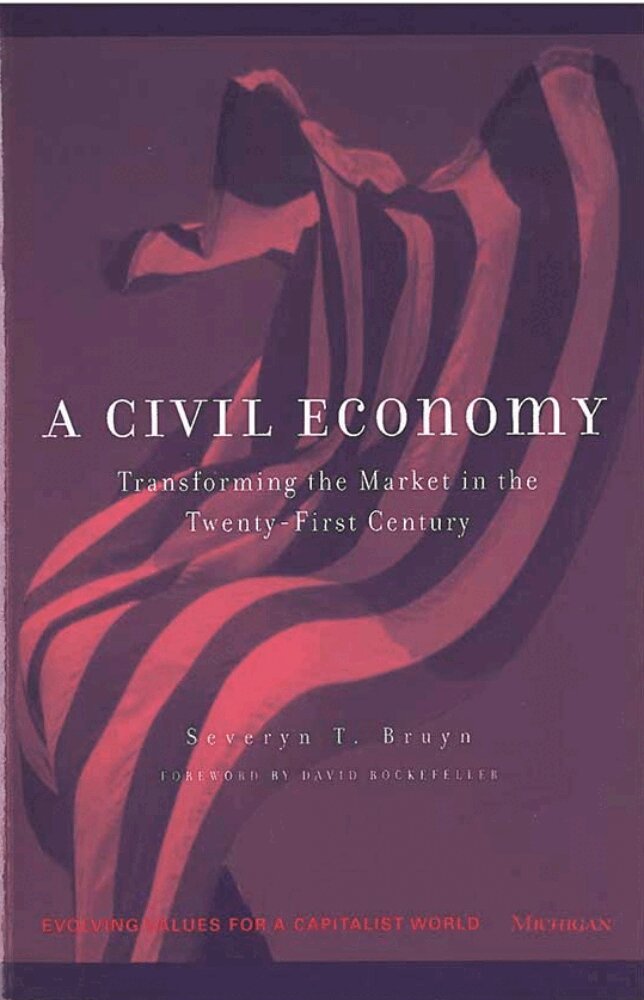
Civil Economy
Transforming the Marketplace in the Twenty-First Century
Häftad, 2000
3,0 utav 5 stjärnor. Totalt antal röster: (1)
455 kr
Tillfälligt slut
A civil society is one in which a democratic government and a market economy operate together. The idea of the civil economy--encompassing a democratic government and a market economy--presumes that people can solve social problems within the market itself. This book explores the relationship …
After the End of History
The Curious Fate of American Materialism
Häftad, 2005
427 kr
Tillfälligt slut
"Robert E. Lane is one of the most prominent and distinguished critics of both the human impact of market economies and economic theory, arguing from much research that happiness is more likely to flow from companionship, enjoyment of work, contribution to society, and the opportunity to develop as …
After the End of History
The Curious Fate of American Materialism
Inbunden, 2005
1328 kr
Tillfälligt slut
"Robert E. Lane is one of the most prominent and distinguished critics of both the human impact of market economies and economic theory, arguing from much research that happiness is more likely to flow from companionship, enjoyment of work, contribution to society, and the opportunity to develop as …
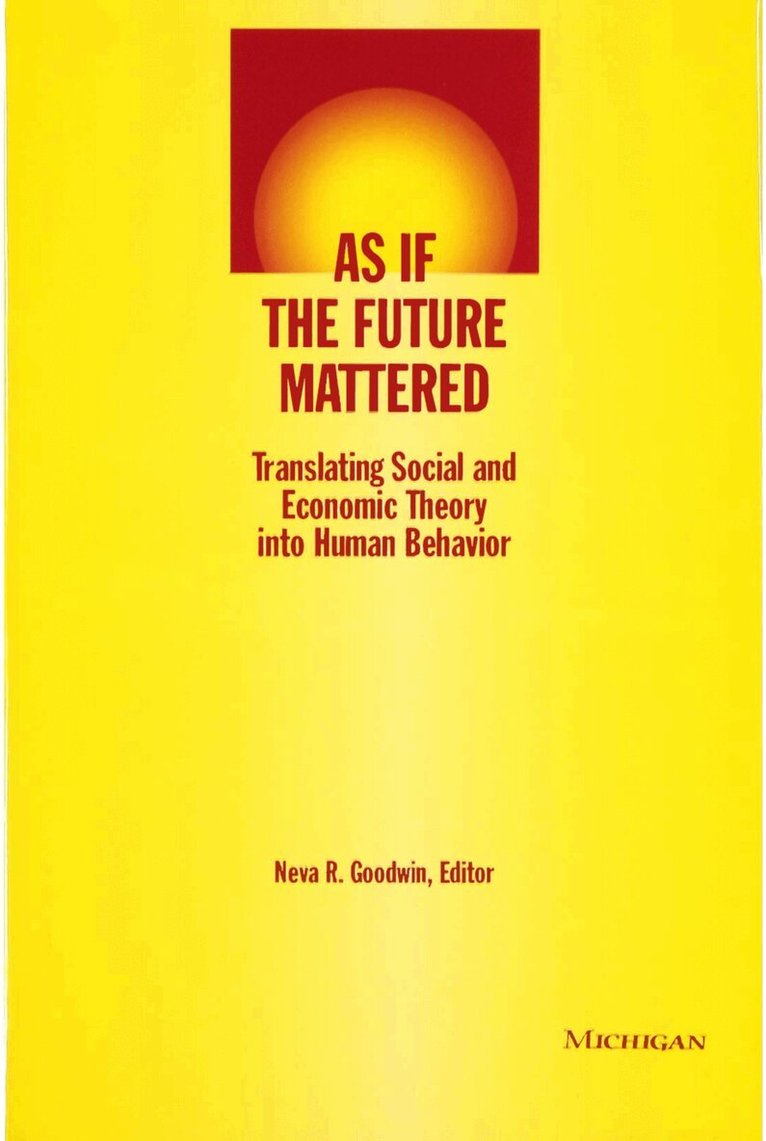
As if the Future Mattered
Translating Social and Economic Theory into Human Behavior
Inbunden, 1996
1191 kr
Tillfälligt slut
There has never been a better time to explore the ways in which values relating to the future can be preserved and nurtured despite contemporary capitalism's tendency toward shortsighted selfishness. Prevailing beliefs in the 1980s were especially permissive regarding notions of individualism. …
Rethinking Sustainability
Power, Knowledge, and Institutions
Inbunden, 2000
1191 kr
Tillfälligt slut
Bringing together the thoughts of economists, political scientists, anthropologists, philosophers, and agricultural policy professionals, this volume focuses on the issues of sustainability in development. Examining such topics as international trade, political power, gender roles, legal …