Exploring Diversity in Entrepreneurship – serie
Visar alla böcker i serien Exploring Diversity in Entrepreneurship. Handla med fri frakt och snabb leverans.
5 produkter
5 produkter
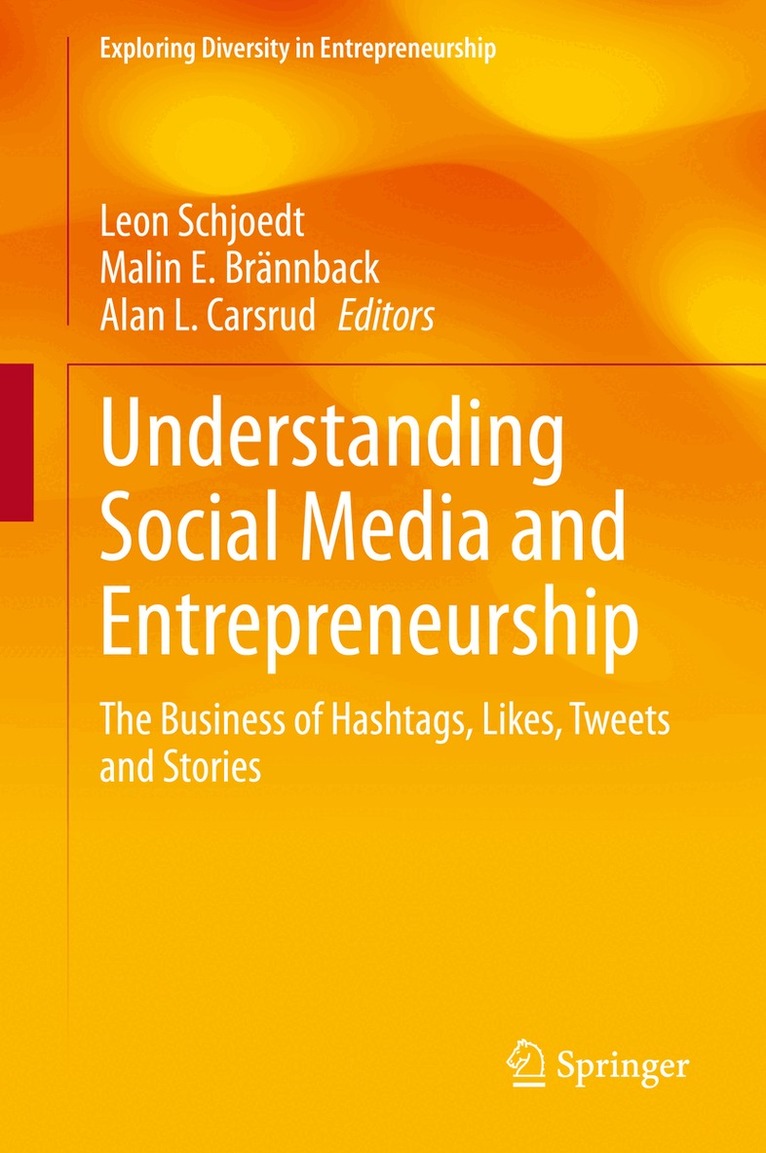
Understanding Social Media and Entrepreneurship
The Business of Hashtags, Likes, Tweets and Stories
Inbunden, Engelska, 2020
1 528 kr
Skickas inom 10-15 vardagar
Despite the widespread cultural and social effects of social media in the way people communicate and interact, little research has addressed the role of social media in entrepreneurship.
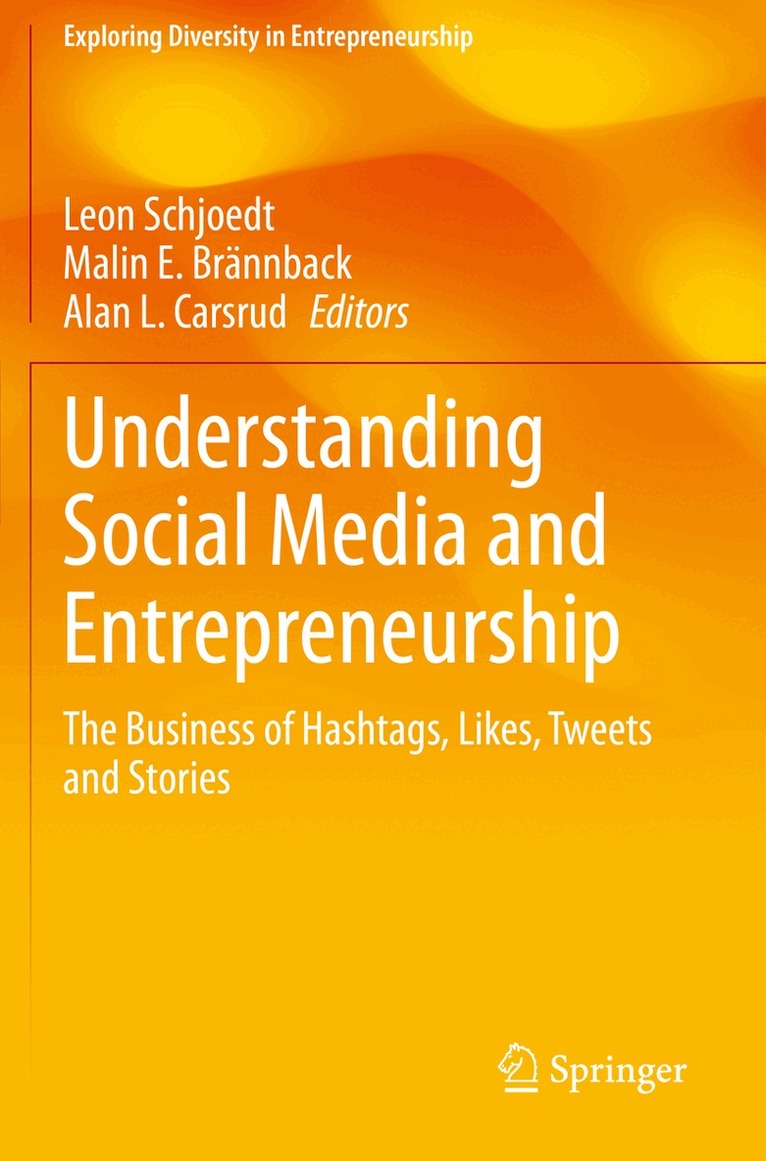
Understanding Social Media and Entrepreneurship
The Business of Hashtags, Likes, Tweets and Stories
Häftad, Engelska, 2021
1 528 kr
Skickas inom 10-15 vardagar
Despite the widespread cultural and social effects of social media in the way people communicate and interact, little research has addressed the role of social media in entrepreneurship.
1 886 kr
Kommande
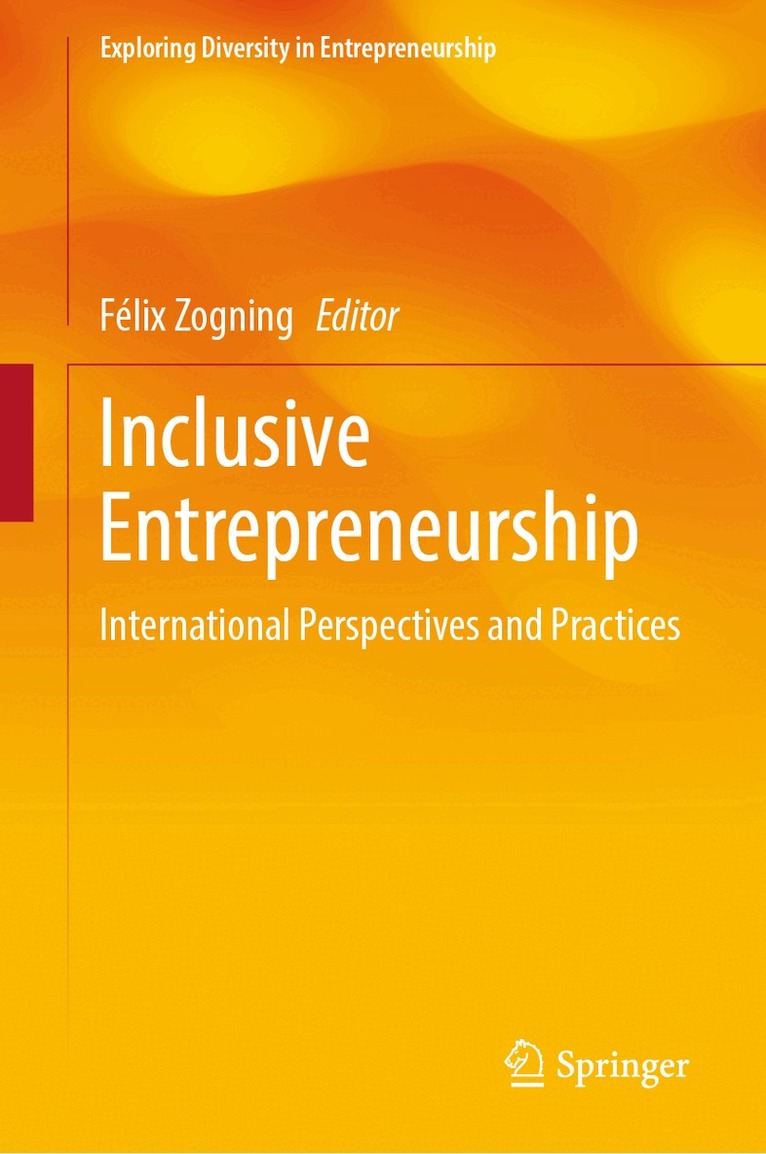
This book explores the role of inclusive entrepreneurship in promoting social equality, wealth creation, and development in underrepresented groups such as women, ethnic minorities, youth, immigrants, and people with disabilities. In today's world, these groups face systemic barriers to starting businesses or accessing entrepreneurial opportunities. This book explores the ways in which these barriers are addressed globally with targeted initiatives, policies, and support mechanisms, drawing from case studies from various regions. It argues that entrepreneurship should be inclusive and tailored to the specific needs of these groups, highlighting how it can drive economic empowerment and social mobility and breaks down barriers such as limited access to financial resources and support systems. The book also addresses the role of digital tools and innovations in overcoming these obstacles.Offing both theoretical frameworks and practical solutions, this book is suitable for researchers, scholars, academics, professionals and policymakers in entrepreneurship, diversity and inclusion, and development economics.
550 kr
Skickas inom 10-15 vardagar
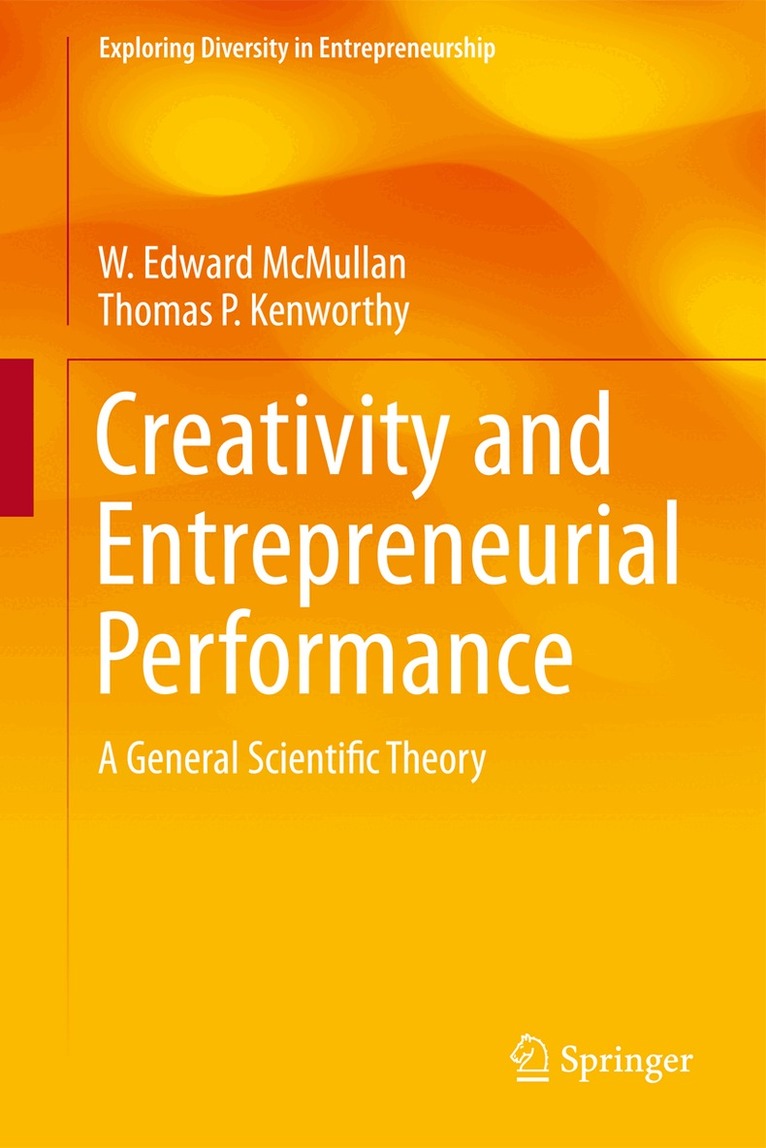
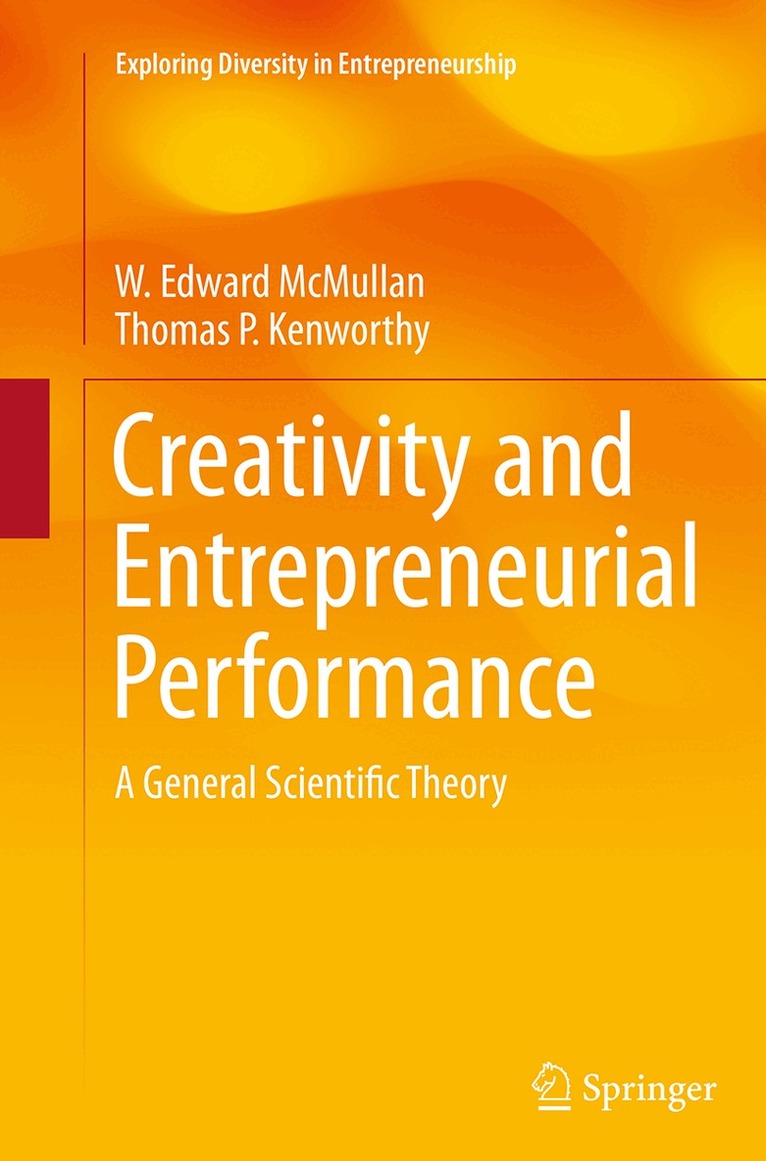
The essential problem in entrepreneurship is improving the performance of entrepreneurs. The most important theories will be the ones that most enable us to predict and then ultimately influence entrepreneurial performance. This book develops a new and more accurate theory of entrepreneurial performance based in entrepreneurial creativity. The field of entrepreneurship has a long tradition of expecting entrepreneurial performance to be influenced by creativity, tracing back even before the pioneering work of Joseph Schumpeter (1883 to 1950), who defined entrepreneurship as creative-destruction—creating the new by supplanting or destroying the old. Subsequently, psychologist Robert Sternberg defined creativity as broadly encompassing creative aspects of personality, motivation, intellect, thinking style and relevant knowledge. Using Sternberg’s definition of creativity, the authors reviewed the evidence directly linking entrepreneurial creativity and entrepreneurial performance, concluding that the linkage is both statistically and practically significant. In order to scientifically tie entrepreneurship to creativity the book pursues a number of major objectives: In parts one and two, the authors remind us of our scientific challenge in the light of the depressing levels of performance typically to be found in the real world of entrepreneurship and explores the limitations of the dominant paradigms driving research in the field of entrepreneurship today. In part three, they bring together existing evidence to demonstrate the predictive and explanatory powers of creativity in relation to entrepreneurship. In part four, they further explore correlations between creativity and entrepreneurial performance at the individual and macro or society, levels. In summary, the book offers a bold predictive theory linking entrepreneurial creativity to entrepreneurial performance, however neither as boldly as a definitional linkage nor as timidly as one in a hundred or sofactors potentially explaining entrepreneurial performance. This result is a general scientific theory that offers a serious challenge to entrepreneurial scholars who are pursuing other means for understanding the causality of entrepreneurial performance.
519 kr
Skickas inom 10-15 vardagar
The essential problem in entrepreneurship is improving the performance of entrepreneurs. The most important theories will be the ones that most enable us to predict and then ultimately influence entrepreneurial performance. This book develops a new and more accurate theory of entrepreneurial performance based in entrepreneurial creativity. The field of entrepreneurship has a long tradition of expecting entrepreneurial performance to be influenced by creativity, tracing back even before the pioneering work of Joseph Schumpeter (1883 to 1950), who defined entrepreneurship as creative-destruction—creating the new by supplanting or destroying the old. Subsequently, psychologist Robert Sternberg defined creativity as broadly encompassing creative aspects of personality, motivation, intellect, thinking style and relevant knowledge. Using Sternberg’s definition of creativity, the authors reviewed the evidence directly linking entrepreneurial creativity and entrepreneurial performance, concluding that the linkage is both statistically and practically significant. In order to scientifically tie entrepreneurship to creativity the book pursues a number of major objectives: In parts one and two, the authors remind us of our scientific challenge in the light of the depressing levels of performance typically to be found in the real world of entrepreneurship and explores the limitations of the dominant paradigms driving research in the field of entrepreneurship today. In part three, they bring together existing evidence to demonstrate the predictive and explanatory powers of creativity in relation to entrepreneurship. In part four, they further explore correlations between creativity and entrepreneurial performance at the individual and macro or society, levels. In summary, the book offers a bold predictive theory linking entrepreneurial creativity to entrepreneurial performance, however neither as boldly as a definitional linkage nor as timidly as one in a hundred or sofactors potentially explaining entrepreneurial performance. This result is a general scientific theory that offers a serious challenge to entrepreneurial scholars who are pursuing other means for understanding the causality of entrepreneurial performance.