Extraordinary Brain – serie
Visar alla böcker i serien Extraordinary Brain. Handla med fri frakt och snabb leverans.
6 produkter
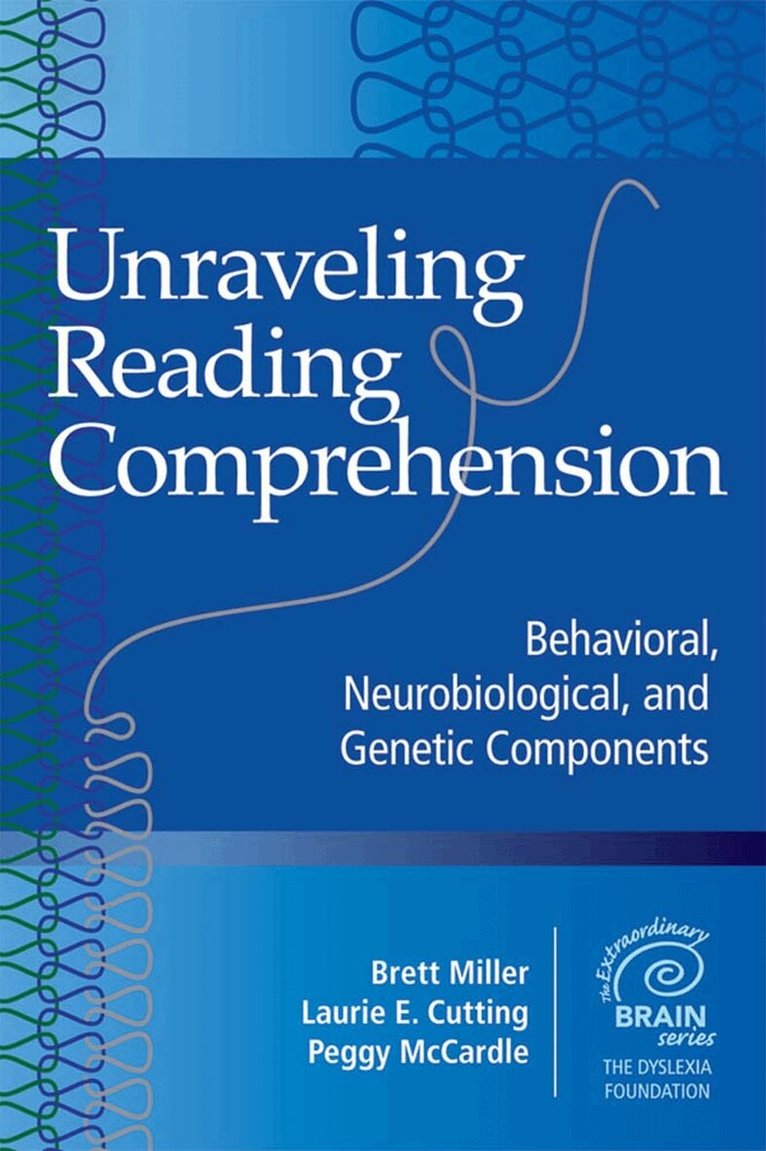
Unraveling Reading Comprehension
Behavioral, Neurobiological and Genetic Components
Av Brett Miller, Laurie E. Cutting m. fl.
Inbunden, 2013
872 kr
Lägg i varukorg
What do we know about reading comprehension and what do we need to know in order to improve it and help all students become confident readers? This urgently needed research volume is the only cohesive, up-to-date compendium of knowledge about the behavioural, neurobiological, and genetic components …
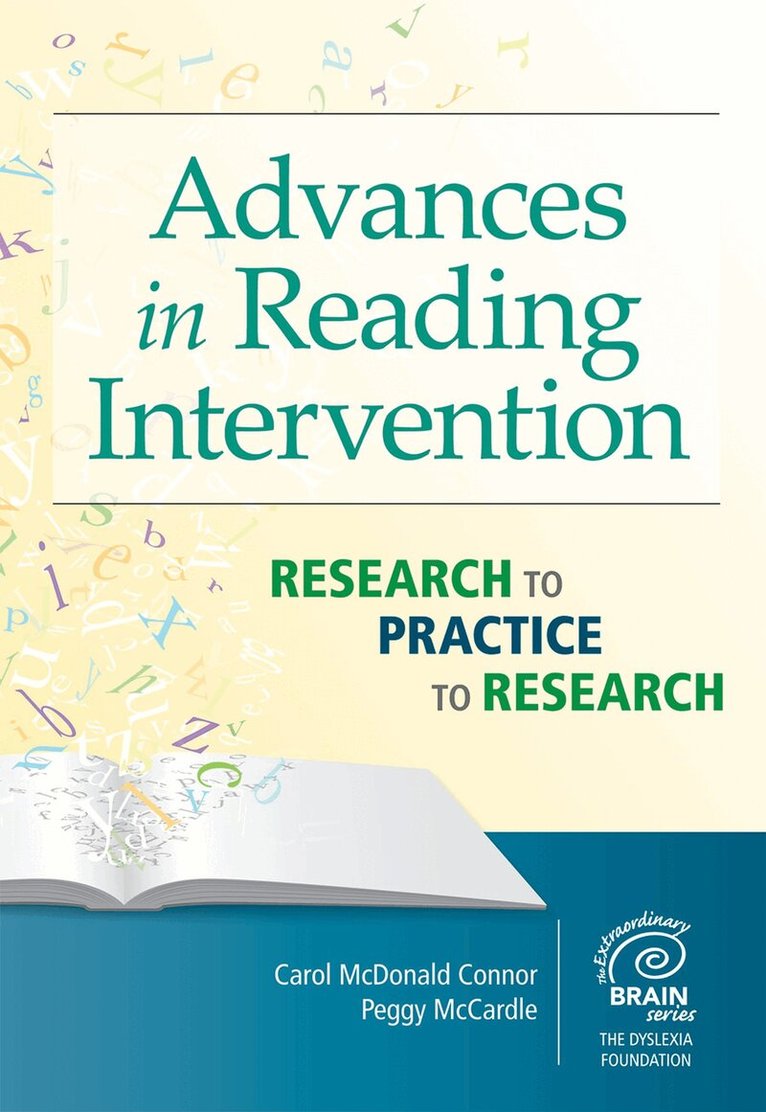
Advances in Reading Intervention
Research to Practice to Research
Av Carol McDonald Connor, Peggy McCardle m. fl.
Häftad, 2015
442 kr
Lägg i varukorg
This latest volume in the Extraordinary Brain series represents a joint effort between researchers and practitioners to shape the future of early reading intervention by taking stock of the present and making recommendations for the future.Effective early reading intervention depends on research …
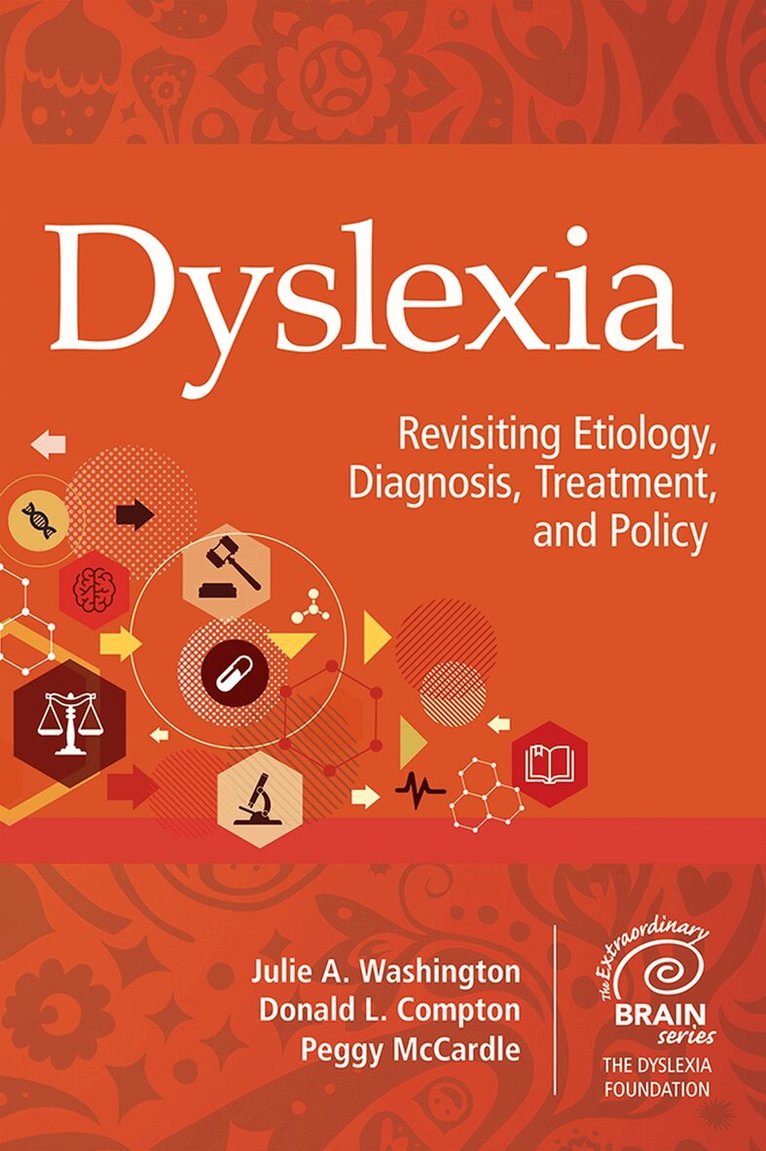
Dyslexia
Revisiting Etiology, Diagnosis, Treatment, and Policy
Av Julie A. Washington, Donald L. Compton m. fl.
Inbunden, 2019
877 kr
Lägg i varukorg
How do children develop reading skills—and when these skills don’t develop typically, how can we best identify challenges and intervene? Find the answers in this comprehensive volume on dyslexia: its root causes, the most effective methods of diagnosis and treatment, and the sociopolitical factors …
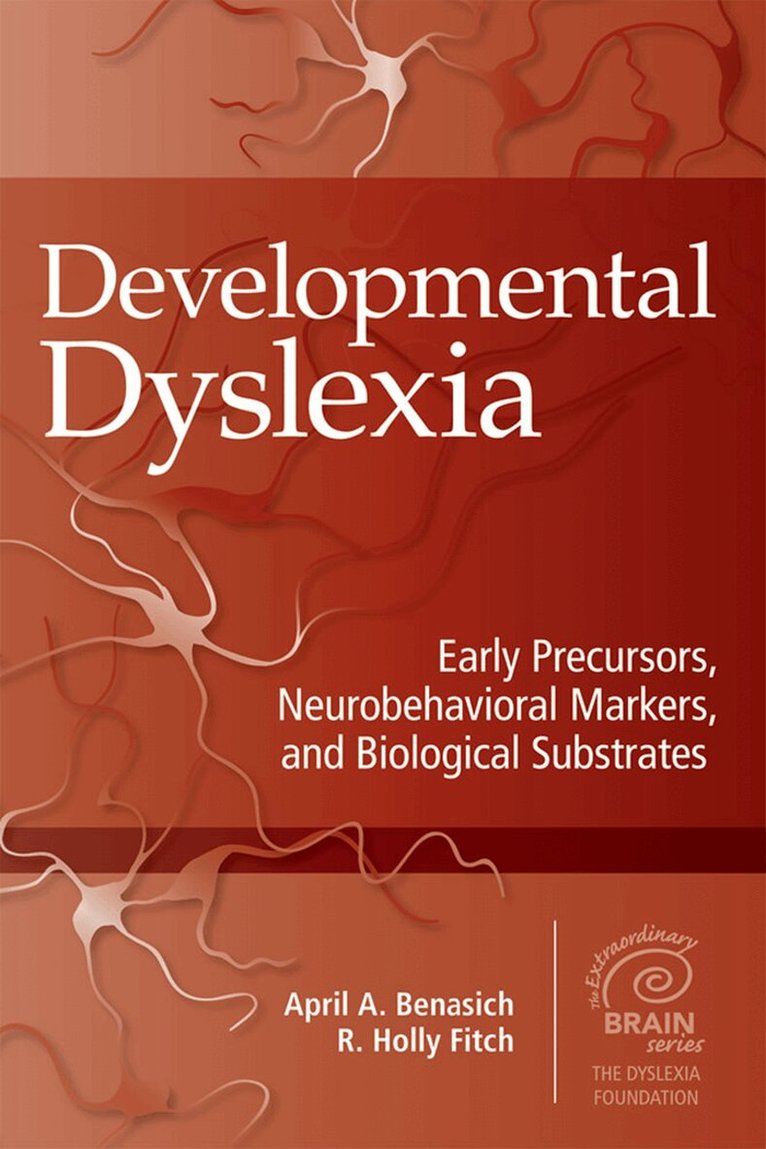
Developmental Dyslexia
Early Precursors, Neurobehavioral Markers and Biological Substrates
Av April A. Benasich, R. Holly Fitch
Inbunden, 2012
822 kr
Tillfälligt slut
Deepen your understanding of the precursors and early indicators of dyslexia with this groundbreaking research volume. 40+ international contributors present the very latest knowledge on the diverse genetic, neurobiological, and cognitive factors that may contribute to dyslexia. Understanding the …
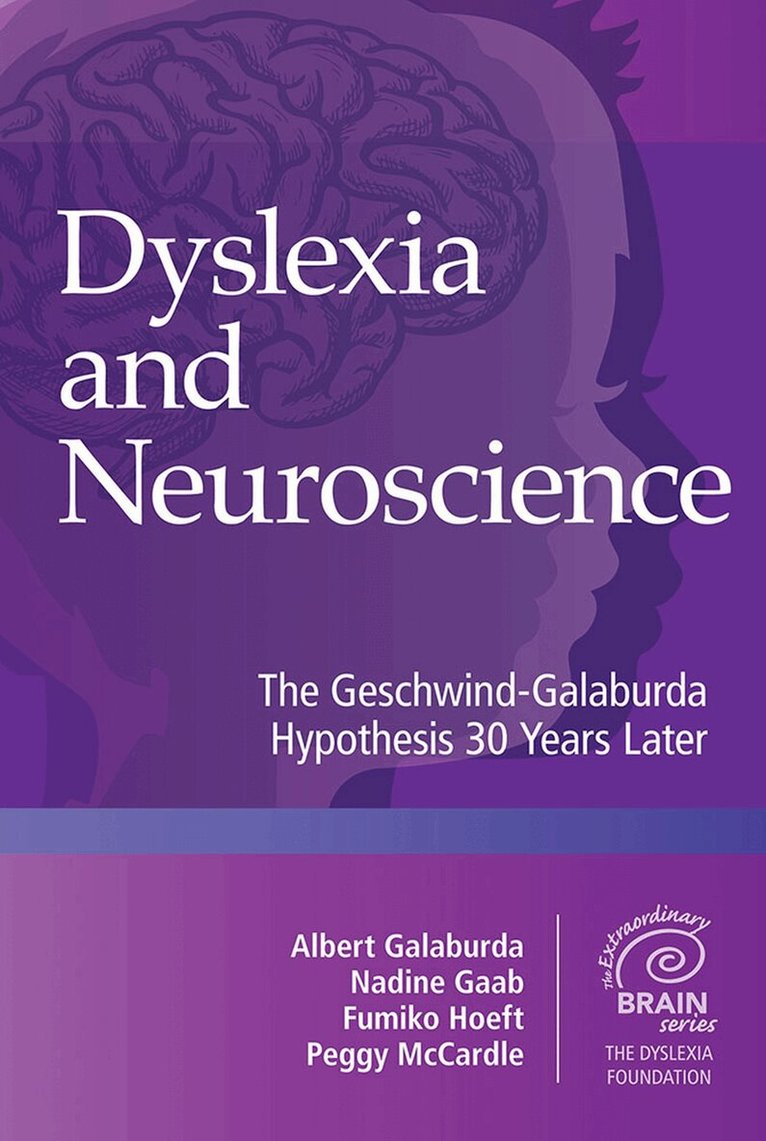
Dyslexia and Neuroscience
The Geschwind-Galaburda Hypothesis 30 Years Later
Av Albert Galaburda, Nadine Gaab m. fl.
Inbunden, 2017
929 kr
Tillfälligt slut
This 15th volume in the Extraordinary Brain Series is focused on research in dyslexia and neuroscience in response to the Geschwind-Galabura hypothesis that defined the field of dyslexia 30 years ago. In the 1980s, Norman Geschwind and Peter Behan reported increased prevalence of left-handedness …
All About Language
Science, Theory, and Practice
Av Elena Grigorenko, Peggy McCardle m. fl.
Inbunden, 2019
877 kr
Tillfälligt slut
What do we know today about the development of human language, and what future research will help improve diagnosis of disorders and ensure effective intervention? Explore the answers in this comprehensive volume: an in-depth study of both oral and written forms of language, both typical and …