
Eyewitness Accounts – serie
Visar alla böcker i serien Eyewitness Accounts. Handla med fri frakt och snabb leverans.
12 produkter
12 produkter
111 kr
Tillfälligt slut
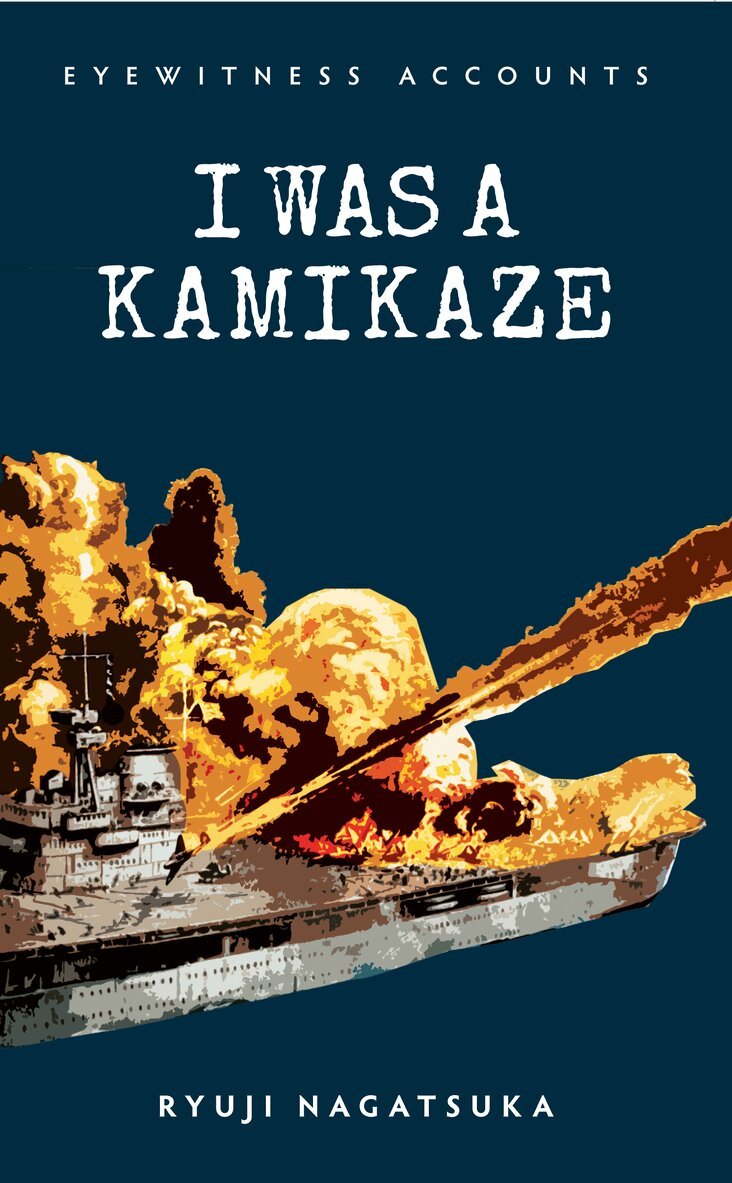
Ryuji Nagatsuka did not know, when he made an application to become a pilot in October 1943, that by the following autumn Japan’s situation in the war would be so critical that the role for which he was destined would be part of the most incomprehensible phenomenon of the hostilities – that of a suicide pilot, known to the world as a kamikaze.He and his fellow kamikaze pilots had to be highly trained to crash exactly on target and to evade dense anti-aircraft fire. In this way, thirteen US warships were sunk, and 174 damaged, in the Battle of Okinawa.Here, in this extraordinary document, Nagatsuka gives us a unique insight into what it was that enabled these young men to die for their country in such a way – and to do so willingly.
111 kr
Tillfälligt slut
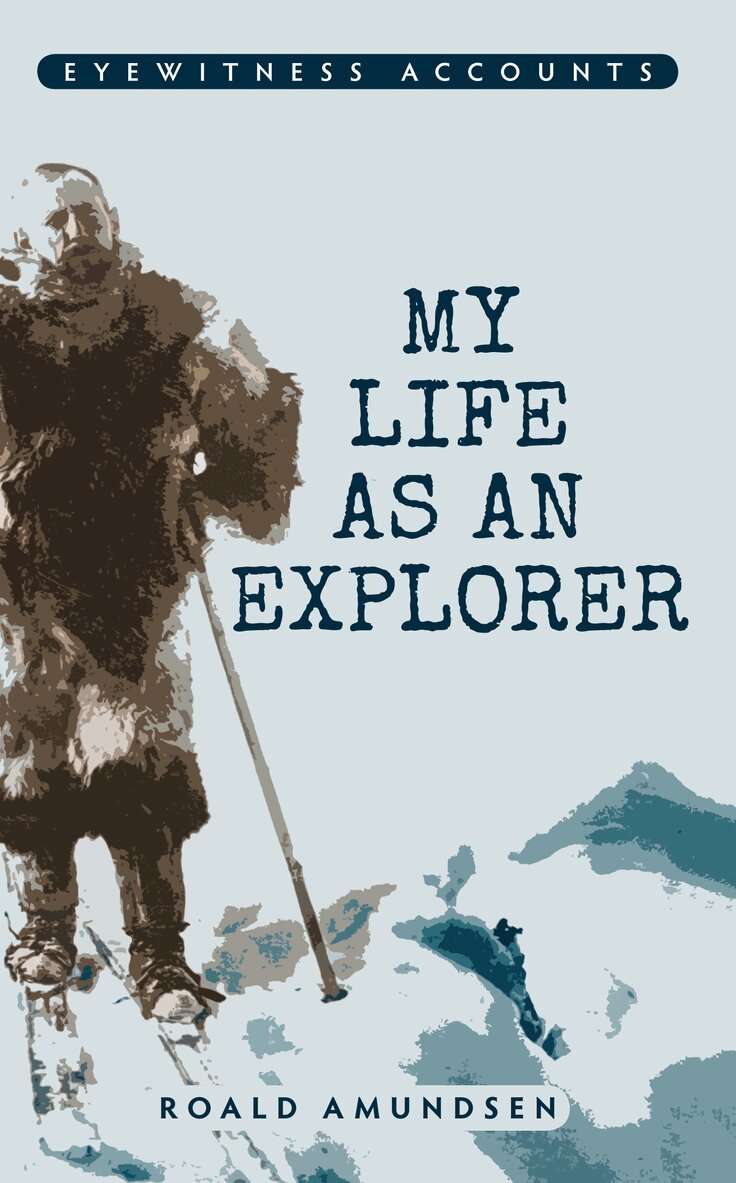
Written by the people who could say 'I was there!' My Life as an Explorer is a classic of Polar literature, written by the first man to set foot on the South Pole. Amundsen's passion for exploring first led him to the Antarctic in the 1897 - 99 Belgian expedition and then led him on a journey around the top of Canada to prove the existence of the North West Passage. After the First World War, Amundsen became only the second man to travel around the top of Siberia from Atlantic to Pacific oceans, then flying over the North Pole by airship. He died in 1928, disappearing while searching for the missing airship Italia. His body was never recovered. Written a year before his death, this is his Eyewitness Account of the exploration of both Poles.
111 kr
Tillfälligt slut
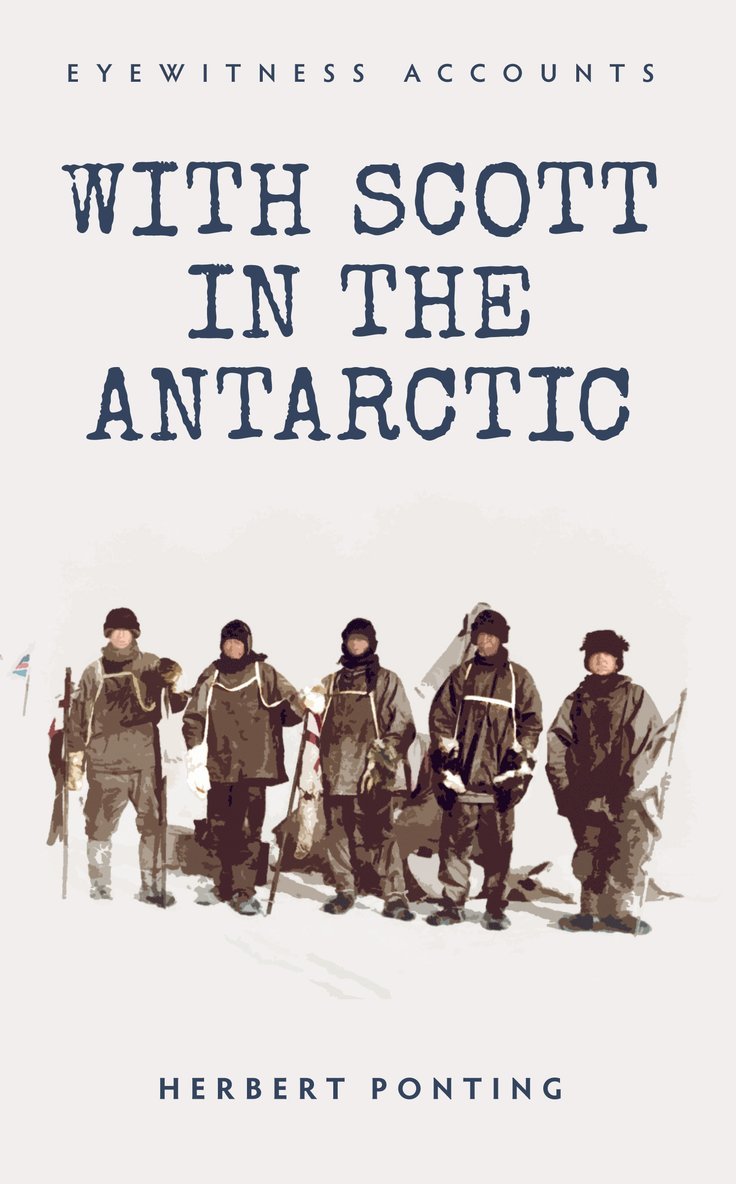
'Mr Ponting has it in his power greatly to delight!' Lady Kathleen Scott Herbert Ponting was the photographer on Captain Scott's Terra Nova expedition to the Antarctic in 1910 - 13. Based at the expedition hut at Cape Evans, Ponting spent the summers studying the continent's wildlife and landscape. He records close encounters with orcas and leopard seals on the ice at Cape Evans, expeditions to study Adelie penguins at Cape Royds and to track the movement of the nearby Barne Glacier, as well as the hazards of icebergs. Ponting also reveals how the expedition passed the time during the long winter, describing the journey he took with Scott and the team who would attempt to reach the South Pole. Ponting's tale, originally intended to be used by Scott for lectures and fundraising on his return, ranks as a classic of travel and exploration literature.
108 kr
Tillfälligt slut
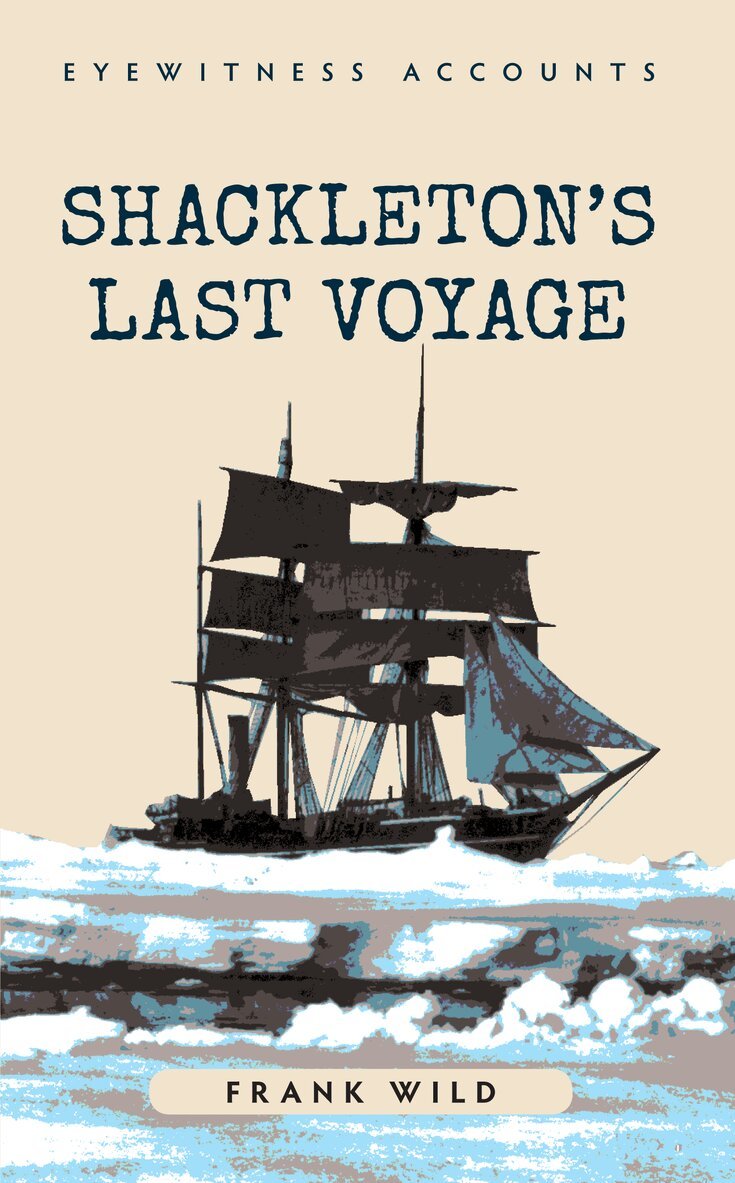
On 17 September 1921, the explorer Sir Ernest Shackleton left London aboard his ship Quest, bound for the Antarctic on what would prove to be his final voyage. His second in command was Frank Wild, himself an experienced Antarctic explorer and previously Shackleton’s second in command on the famous Endurance expedition of 1914.On the way south, Shackleton died of a heart attack and was buried on South Georgia; Wild took command and led the expedition during its three months in the waters of the eastern Antarctic, as it investigated a mysterious ‘appearance of land’ in the Weddell Sea reported in a previous expedition.This book, Wild’s account of the voyage of the Quest, is the story of the last expedition in what has become known as the Heroic Age of Antarctic exploration.
108 kr
Skickas inom 11-20 vardagar
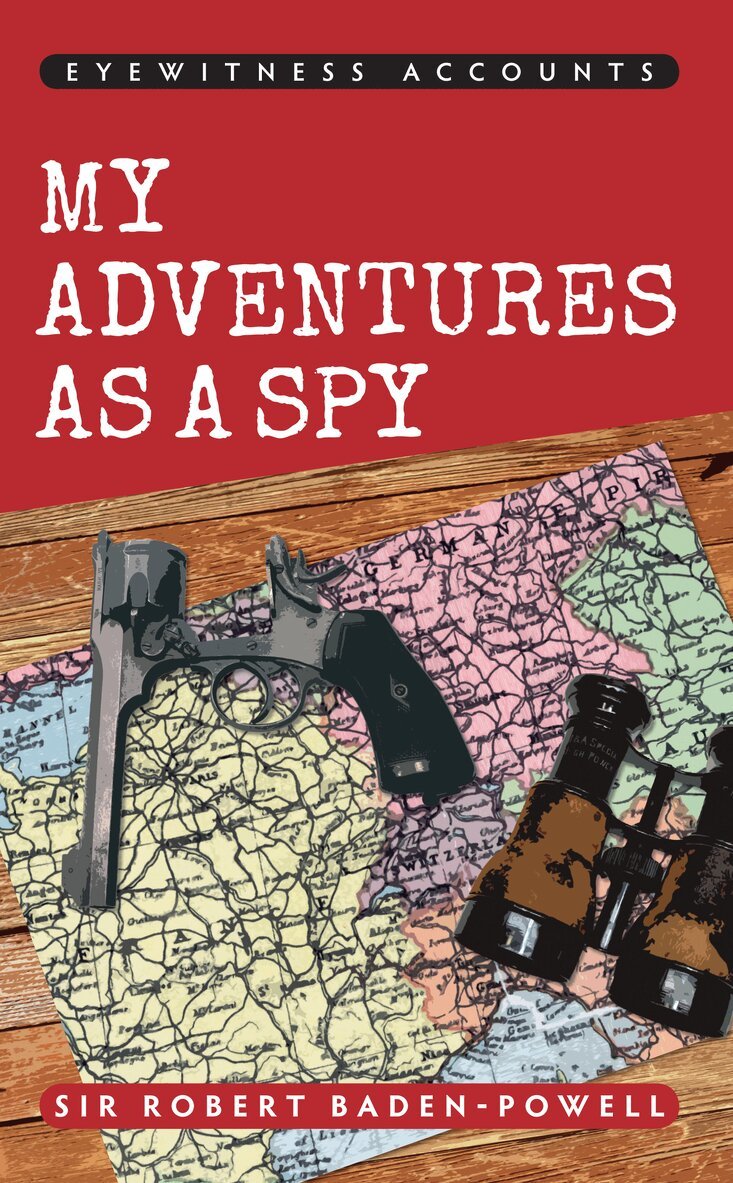
As a young Army officer, Robert Baden-Powell was stationed in Malta as an aide to his uncle, General Sir Henry Augustus Smyth. While there, he also served as intelligence officer for the Mediterranean for the Director of Military Intelligence and it was in this role that he had many of the adventures described in this book, travelling to investigate fortifications. Written in 1915, and including Baden-Powell's thoughts on German espionage before and in the first years of the First World War, My Adventures as a Spy describes such techniques as how to convey secret information using drawings of butterfly wings, how to quickly disguise yourself, how to safely produce plans of fortresses and observe troops and how to get past sentries.

108 kr
Tillfälligt slut
On 30 April 1665, the diarist Samuel Pepys recorded the first rumours that the bubonic plague was spreading through London: 'Great fears of the sickness here in the City - God preserve us all!' Thought to have come by ship from Amsterdam, which had been ravaged by the disease for two years, the Plague reached its height in August and September 1665, when over 7,000 Londoners were dying every week. The disease continued until the Great Fire of London in September 1666. Throughout the long summer when the Plague was at its worst, Pepys stayed in the city and his diary is one of the most vivid accounts of what became known as the Great Plague.
108 kr
Tillfälligt slut
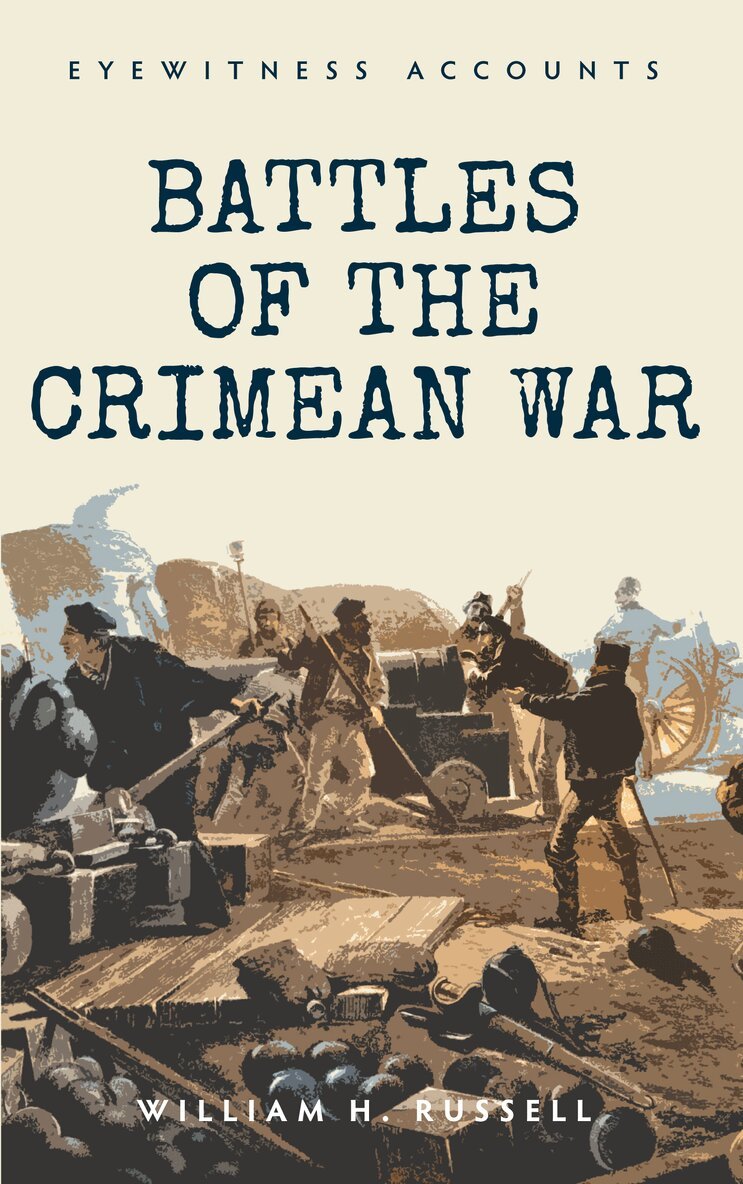
The allied expeditionary force landed on the beaches of Calamita Bay, on the south-west coast of the Crimean Peninsula, in September 1854. The campaign that followed would create such iconic figures as the nurses Florence Nightingale and Mary Seacole, and iconic images such as the Thin Red Line of the 93rd Highlanders at the Battle of Balaclava and the Charge of the Light Brigade.Reporting it all was William Howard Russell, special correspondent of The Times. Russell’s articles, transmitted back to Britain by electric telegraph, shocked the public and made him world famous. This book reprints Russell’s vivid accounts of the battlefields of the Alma, Sevastopol, Balaclava and Inkerman.

100 kr
Tillfälligt slut
By the time of the First World War, nursing had become vital. The quality of medical care available to British soldiers had improved immeasurably since the days of Florence Nightingale. This classic diary, written by an anonymous nurse, is an essential account of the Great War from an unusual female perspective.Through the pages of her carefully-kept diary we follow the author’s experiences on the Western Front as she cared for the wounded. Much of her time was spent on the ambulance trains that collected the wounded from the front line and in Field Ambulance stations, bringing a vivid immediacy to her interactions with the wounded soldiers. In her diary she faithfully recounts her own everyday experiences of war, as well as those of the men whose lives she saved behind the scenes of the deadly battles at the front line.
111 kr
Tillfälligt slut
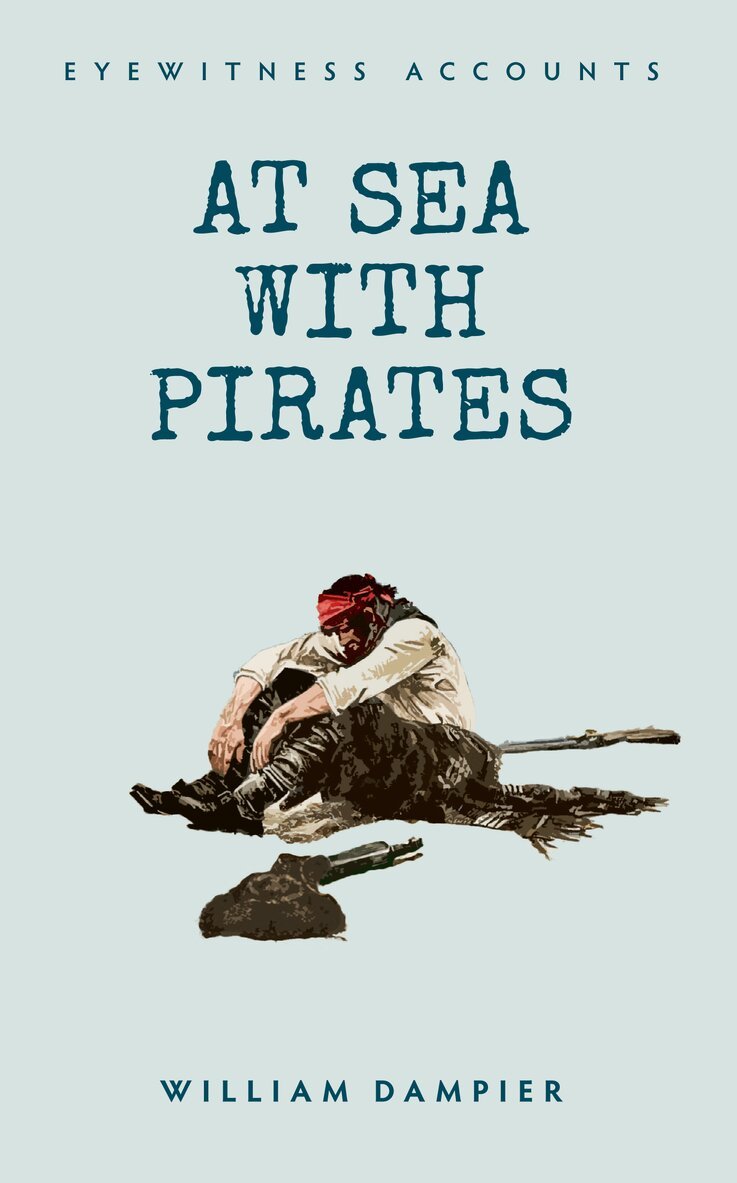
William Dampier – buccaneer, journalist, naturalist and explorer – once shocked and delighted the literary world with the scarcely credible tales of his voyages. These were produced from his own meticulous journals, miraculously preserved through years of adventures on the high seas. When not detailing the exploits of the bickering band of pirates with whom he sailed he provided startlingly clear descriptions of the lands, people and wildlife he encountered, many of which had never been heard of by his seventeenth-century readers. This edition includes some of William Dampier’s most memorable exploits, selected from his wildly popular A New Voyage Around the World. The resulting collection is a fascinating insight into both the Golden Age of Piracy and the Age of Discovery.
111 kr
Tillfälligt slut
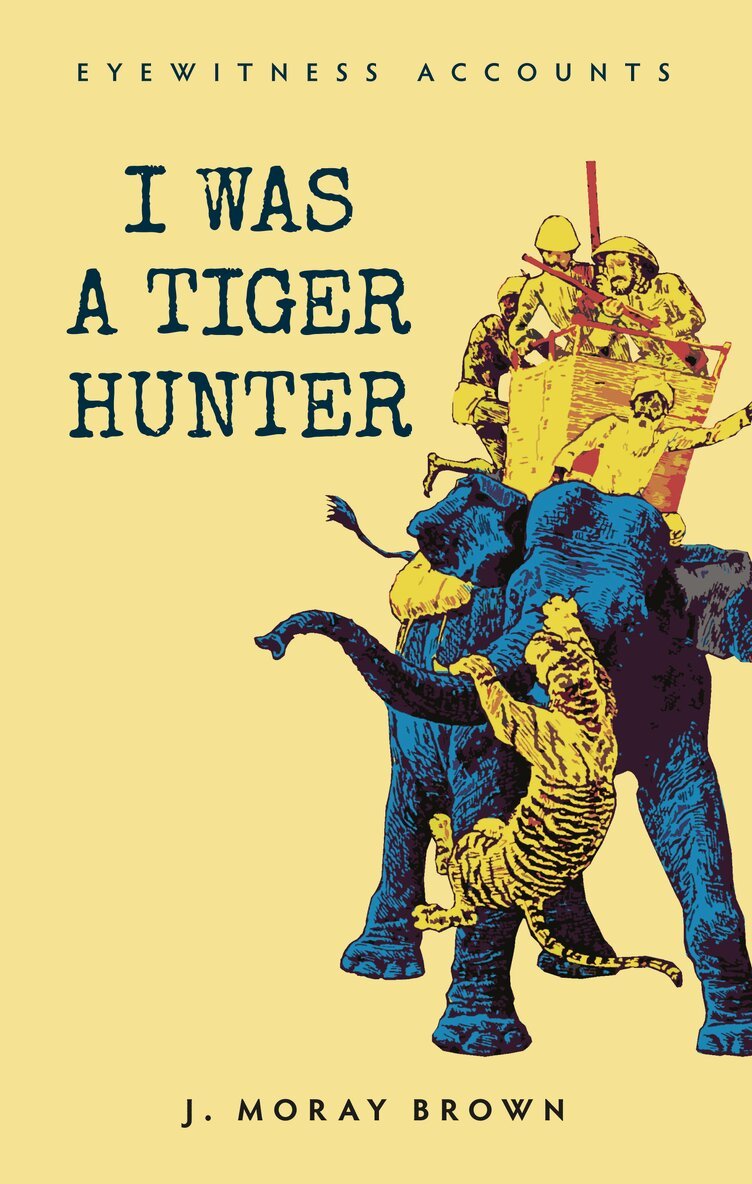
‘And, as [the tigress] turned her head back, gazing towards the bearers, I aimed at her neck … and fired.’J. Moray Brown introduces his experiences of shikar, or game hunting, one of the main pastimes for British officials in India during the days of the Raj. This could range from going out to take a pigeon or two for a junior official’s cooking pot to a full ceremonial tiger hunt as organised for a maharajah or viceroy, involving beaters and elephants.Brown, an army officer stationed in India, describes Indian sporting incidents from hunting small game and wild fowl and the dangerous but exhilarating sport of pig sticking, to hunting a rogue elephant and close encounters with the tiger, the ultimate Indian wild animal.
111 kr
Tillfälligt slut
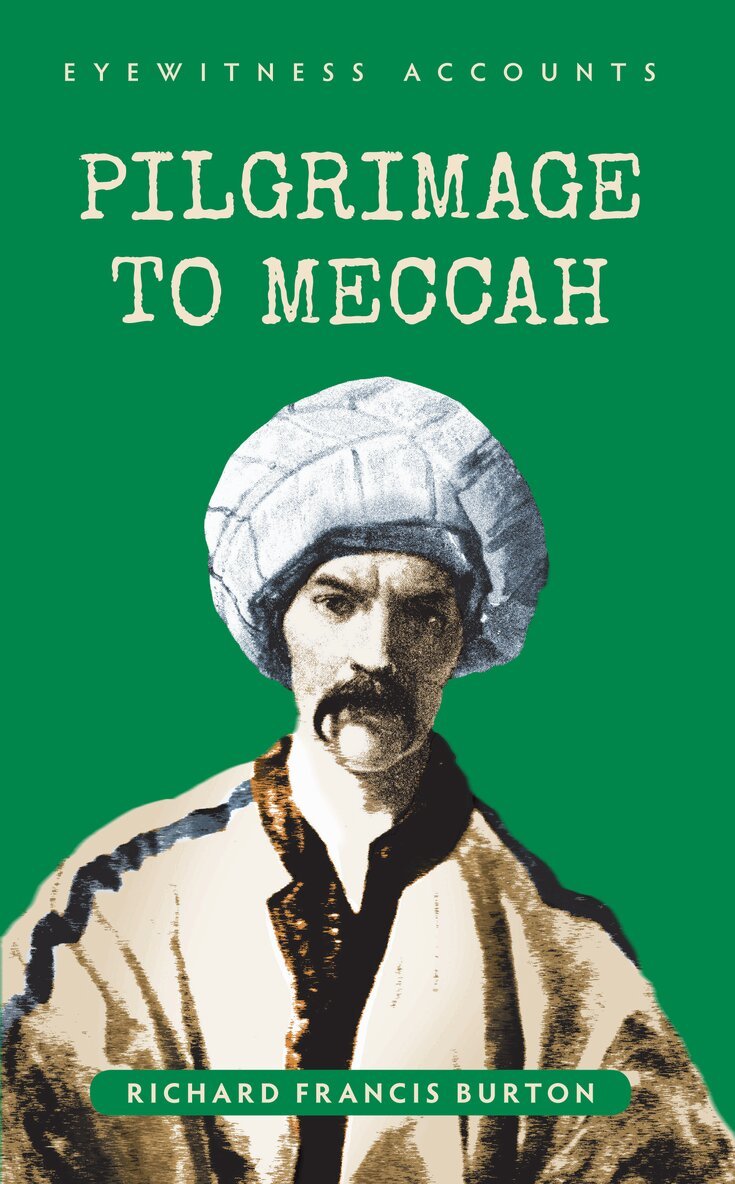
The journey that made Richard Burton famous as a traveller and explorer in the nineteenth century was a pilgrimage to Mecca, which he carried out disguised as a Pashtun tribesman from what is now north-western Pakistan or Afghanistan.Having spent seven years in India with the army of the East India Company, Burton was familiar with the customs and languages but the journey, travelling from Alexandria in Egypt south to the Red Sea and then from the coast of the Arabian Peninsula, was difficult and his caravan was attacked by bandits.After the conclusion of his journey, Burton briefly served in the Crimean War, was hired by the Royal Geographical Society to explore Africa’s east coast and was the first European to see Lake Tanganyika. Later in his life, he would join the Diplomatic Service, serving in Fernando Po, Santos and Trieste among others.This famous account describes a journey forbidden to non-Muslims made by one of the great travellers, adventurers, writers and linguists of the Victorian age.
108 kr
Tillfälligt slut
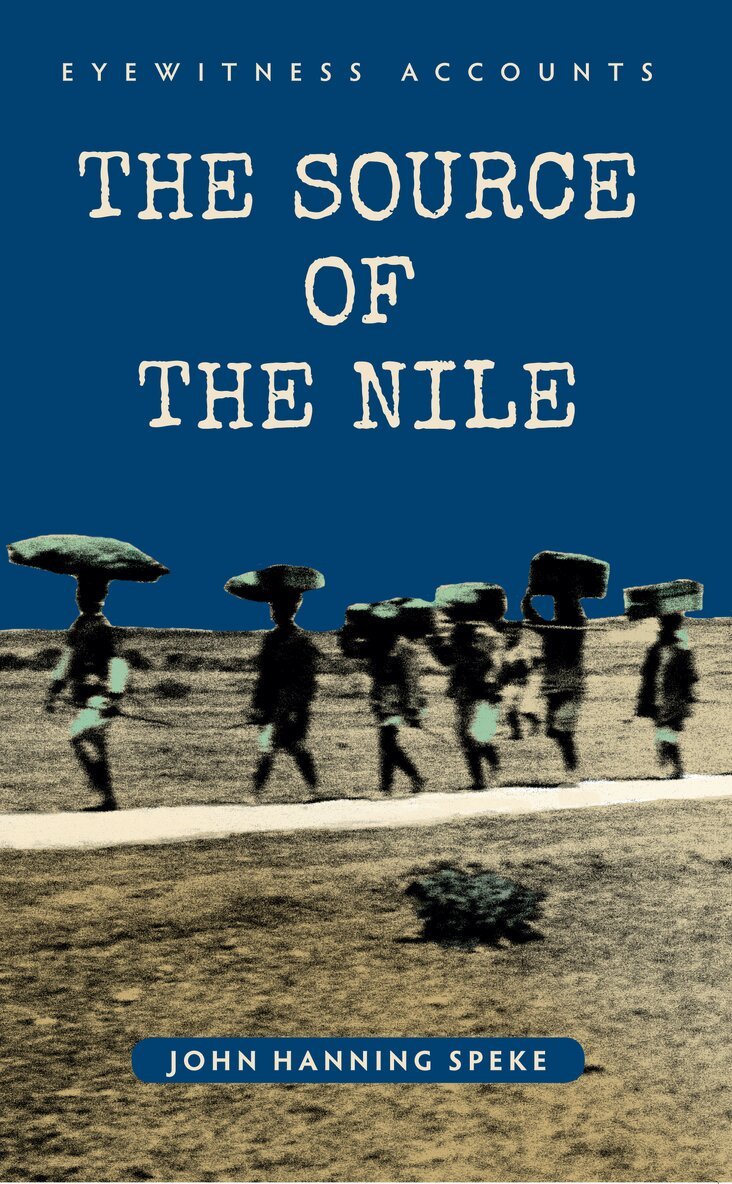
The source of the River Nile was one of the great mysteries of the Victorian age. On an expedition with Richard Burton which reached Lake Tanganyika, Speke went on alone to investigate rumours of the lake he would later name Victoria and proclaim the source of the Nile. This led to a furious dispute with Burton, and it was in the hope of proving his theory correct that Speke launched the expedition that he describes in this book.One of the great journeys of Victorian exploration, Speke and his companion James Augustus Grant travelled from the island of Zanzibar inland to Lake Victoria and saw the Ripon Falls where the outfall from the lake flows north.