Facet No-nonsense Guides – serie
Visar alla böcker i serien Facet No-nonsense Guides. Handla med fri frakt och snabb leverans.
13 produkter
13 produkter
1 119 kr
Skickas inom 5-8 vardagar
This book offers a comprehensive, entry-level guide for librarians and archivists who have found themselves managing or are planning to manage born-digital content. Libraries and archives of all sizes are collecting and managing an increasing proportion of digital content. Within this body of digital content is a growing pool of ‘born-digital’ content: content that has been created and has often existed solely in digital form. The No-nonsense Guide to Born-digital Content explains step by step processes for developing and implementing born-digital content workflows in library and archive settings of all sizes and includes a range of case studies collected from small, medium and large institutions internationally. Coverage includes:the wide range of digital storage media and the various sources of born-digital contenta guide to digital information basics selection, acquisition, accessioning and ingestdescription, preservation and accessmethods for designing & implementing workflows for born-digital collection processinga comprehensive glossary of common technical termsstrategies and philosophies to move forward as technologies change.This book will be useful reading for LIS and archival students and professionals who are working with, or plan to work with, born digital content. It will also be of interest to museum professionals, data managers, data scientists, and records managers.
1 664 kr
Kommande
This book offers a comprehensive, entry-level guide for librarians and archivists who have found themselves managing or are planning to manage born-digital content. Libraries and archives of all sizes are collecting and managing an increasing proportion of digital content. Within this body of digital content is a growing pool of ‘born-digital’ content: content that has been created and has often existed solely in digital form. The No-nonsense Guide to Born-digital Content explains step by step processes for developing and implementing born-digital content workflows in library and archive settings of all sizes and includes a range of case studies collected from small, medium and large institutions internationally. Coverage includes:the wide range of digital storage media and the various sources of born-digital contenta guide to digital information basics selection, acquisition, accessioning and ingestdescription, preservation and accessmethods for designing & implementing workflows for born-digital collection processinga comprehensive glossary of common technical termsstrategies and philosophies to move forward as technologies change.This book will be useful reading for LIS and archival students and professionals who are working with, or plan to work with, born digital content. It will also be of interest to museum professionals, data managers, data scientists, and records managers.
1 119 kr
Skickas inom 5-8 vardagar
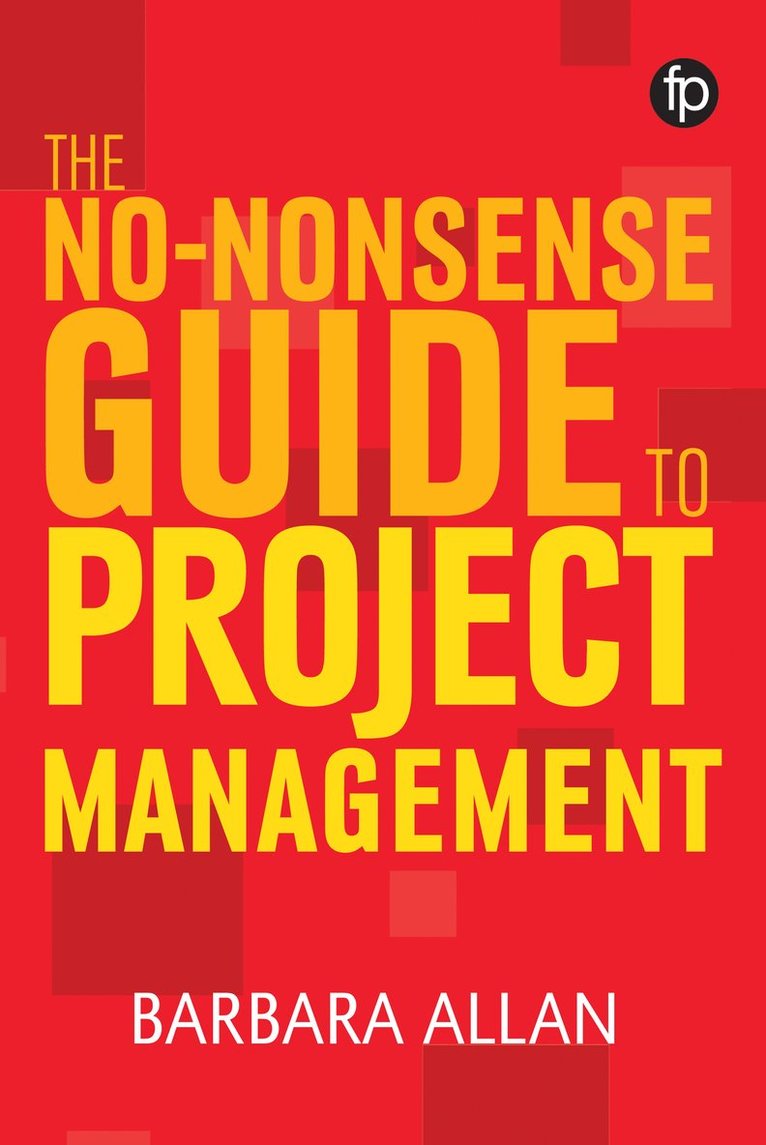
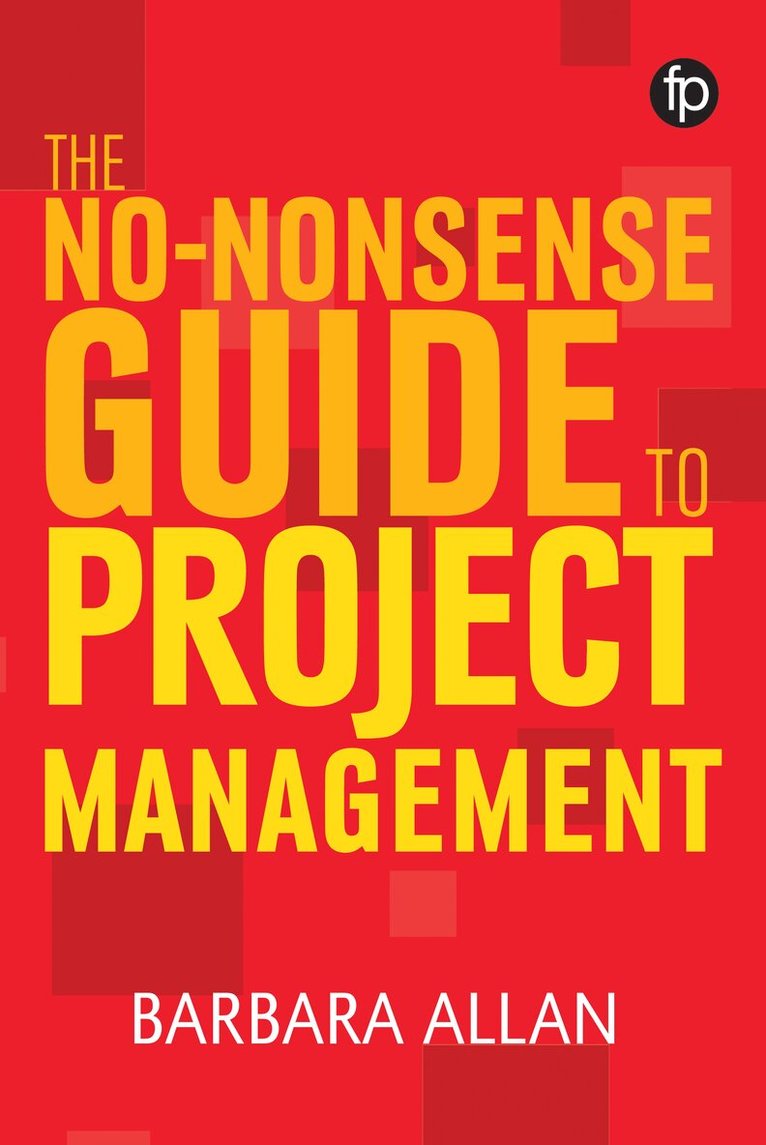
This book provides a ‘no-nonsense’ guide to project management which will enable library and information professionals to lead or take part in a wide range of projects from large-scale multi-organisation complex projects through to relatively simple local ones. Barbara Allan has fully revised and updated her classic 2004 title Project Management to incorporate considerable developments during the past decade, including: the development and wide-scale acceptance of formal project management methodologies; the use of social media to communicate and disseminate information about projects and the large shift in the types of project library and information workers may be involved in. The text is supported by practical case studies drawn from a wide range of LIS organizations at local, regional, national and international levels. These examples provide an insight into good practice for the practitioner, from an individual working in a voluntary organization on an extremely limited budget, to someone involved in an international project. Content covered includes:an introduction to project management, project workers and the library and information professiondifferent approaches to project management, the project cycle, the people side of projects and management of changediscussion of project methodologies, project management software, open source software, collaborative working software and use of social mediaproject initiation, communication, analysis and project briefsdeveloping project infra-structure, scheduling, working out the finances and carrying out a detailed risk analysisimplementation, monitoring and reporting and identifying potential problemscurrent approaches to funding, bidding and tendering, and taking part in auditsworking in partnerships, in diverse and virtual teams, and managing changeIf you are an LIS professional involved in project work of any kind, whether on a managerial, practical, academic or research level, this is an invaluable resource for you.
1 664 kr
Kommande
This book provides a ‘no-nonsense’ guide to project management which will enable library and information professionals to lead or take part in a wide range of projects from large-scale multi-organisation complex projects through to relatively simple local ones. Barbara Allan has fully revised and updated her classic 2004 title Project Management to incorporate considerable developments during the past decade, including: the development and wide-scale acceptance of formal project management methodologies; the use of social media to communicate and disseminate information about projects and the large shift in the types of project library and information workers may be involved in. The text is supported by practical case studies drawn from a wide range of LIS organizations at local, regional, national and international levels. These examples provide an insight into good practice for the practitioner, from an individual working in a voluntary organization on an extremely limited budget, to someone involved in an international project. Content covered includes:an introduction to project management, project workers and the library and information professiondifferent approaches to project management, the project cycle, the people side of projects and management of changediscussion of project methodologies, project management software, open source software, collaborative working software and use of social mediaproject initiation, communication, analysis and project briefsdeveloping project infra-structure, scheduling, working out the finances and carrying out a detailed risk analysisimplementation, monitoring and reporting and identifying potential problemscurrent approaches to funding, bidding and tendering, and taking part in auditsworking in partnerships, in diverse and virtual teams, and managing changeIf you are an LIS professional involved in project work of any kind, whether on a managerial, practical, academic or research level, this is an invaluable resource for you.
2 562 kr
Skickas inom 11-20 vardagar
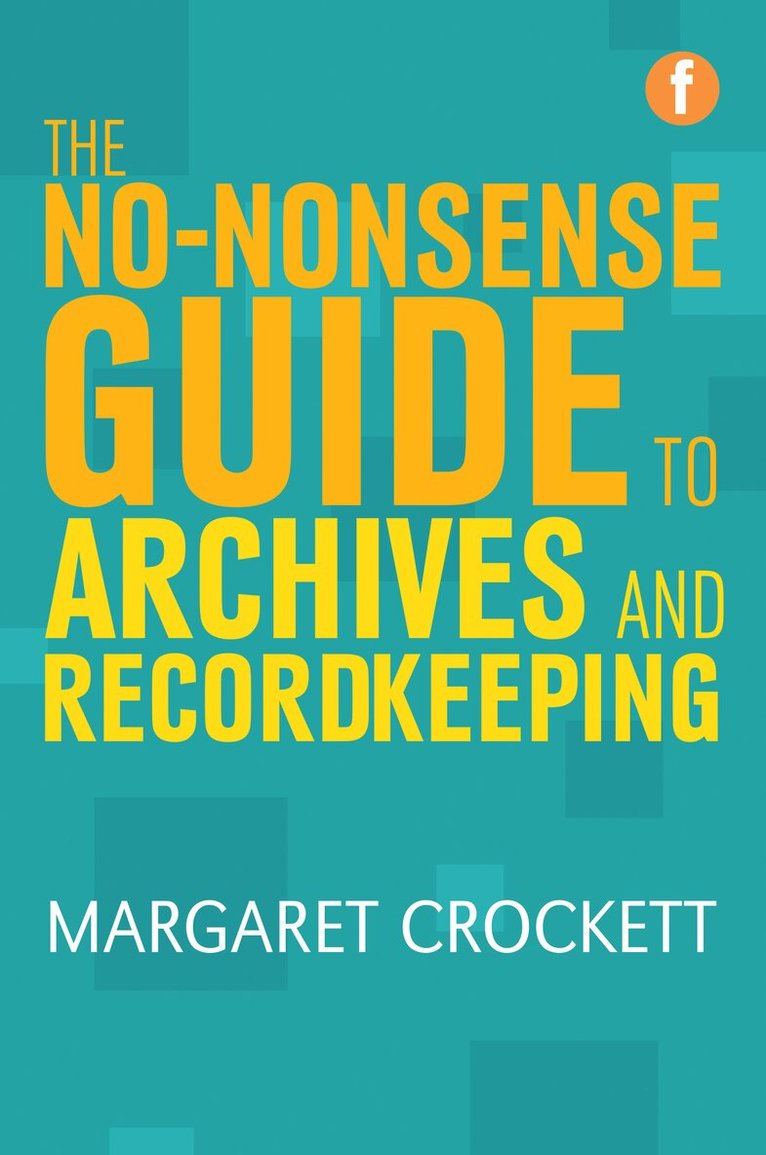
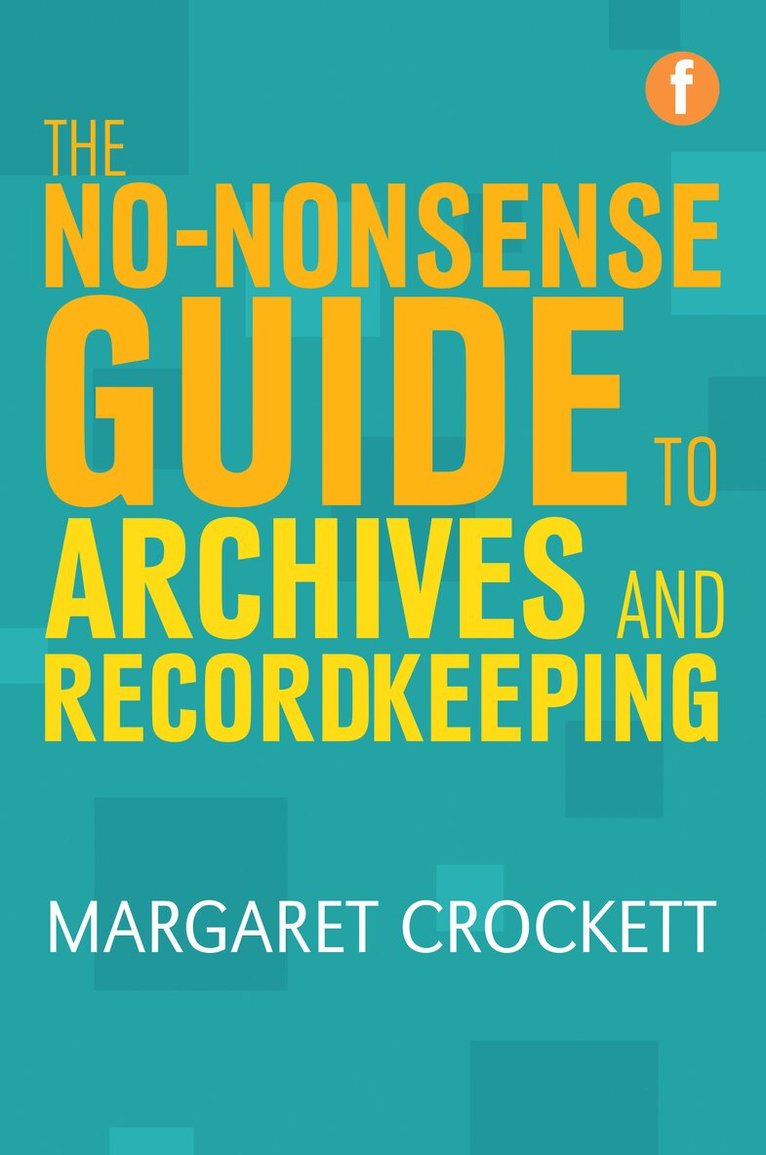
This practical how-to-do-it guide is ideal for professionals involved in the management of archives and records, especially if they are just starting out or without formal training. The book covers all aspects of recordkeeping and archives management. It follows the records’ journey from creation, through the application of classification and access techniques, evaluation for business, legal and historical value and finally to destruction or preservation and access in the archive. Based on the internationally renowned training days run by the author and her business partner, The No-nonsense Guide to Archives and Recordkeeping deals with records and archives in all formats. It utilizes checklists, practical exercises, sample documentation, case studies and helpful diagrams to ensure a very accessible and pragmatic approach, allowing anyone to get to grips with the basics quickly. The book is divided into four main work areas:current records: including creation, filing, classification and securityrecords management: including aims, risks, planning, preparation and deliveryarchives management: including collecting policies, intellectual property rights, appraisal, digitization and outreacharchival preservation: including policy, disaster prevention and repositories.This one-stop-shop will be essential for a wide readership including archives and records assistants, librarians, information managers and IT professionals responsible for archives and records and managers of archives staff.
2 727 kr
Skickas inom 11-20 vardagar
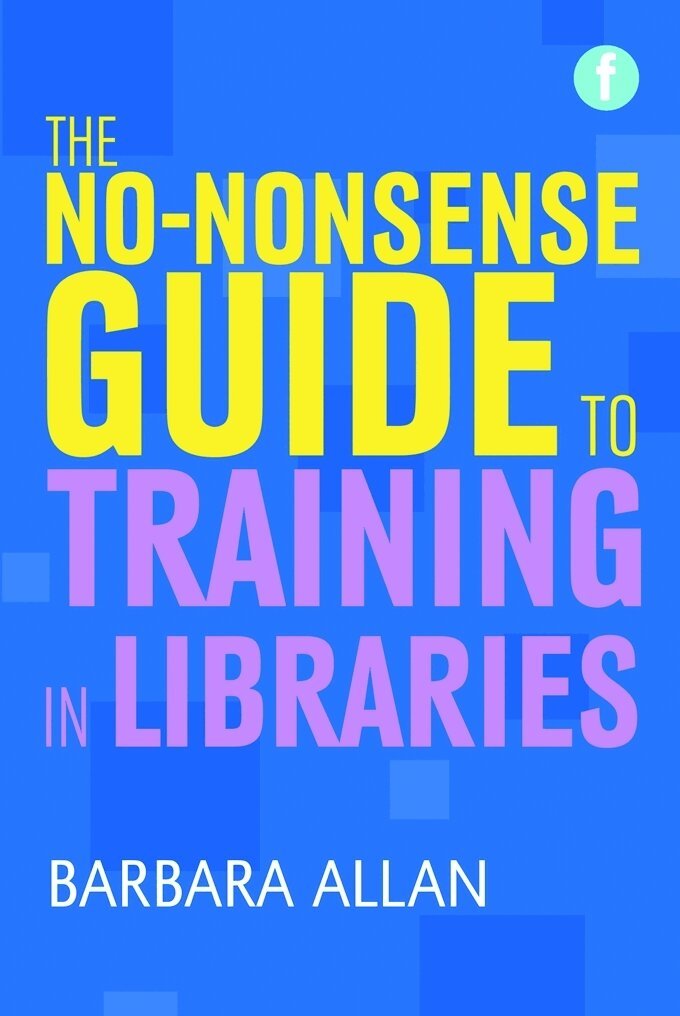
Straightforward and practical guidance for library and information workers in all sectors who are involved in training users, colleagues or other groups.In order to make an impact with their customers, library staff must be well trained and up-to-date. Training is often delivered by library managers, development officers and trainers who may have limited budgets with access to few resources. This accessible guide uses case studies and examples of best practice from public, school, academic, special and government libraries to help library and information workers deliver excellent training practice. Increasingly, library and information staff are being asked to do more and more with fewer resources. In the context of higher education and further education, library and information workers are often involved in training large, diverse groups of more than 100 students, who may have limited resources. In public libraries, library staff may be involved in delivering a wide range of training activities to extremely diverse groups.Many library and information workers in special libraries deliver end-user and specialist training to busy professionals who are unlikely to have the time to attend pre-scheduled workshops. In addition, the rise of social networking tools and other information and communication technologies, has meant that training practices are continually changing to meet the expectations of participants.This book provides guidance on the design and delivery of effective training courses and is aimed at helping experienced trainers, as well as those who are still developing their skills, including:The people side of trainingUse of technologies to support training practicesDifferent approaches to learning and teachingPlanning and designing trainingDelivering training: face-to-face and blended learningEvaluation of training events and continuous improvementLearning and development in the workplace.Readership: All library and information workers involved in training.
1 119 kr
Skickas inom 5-8 vardagar
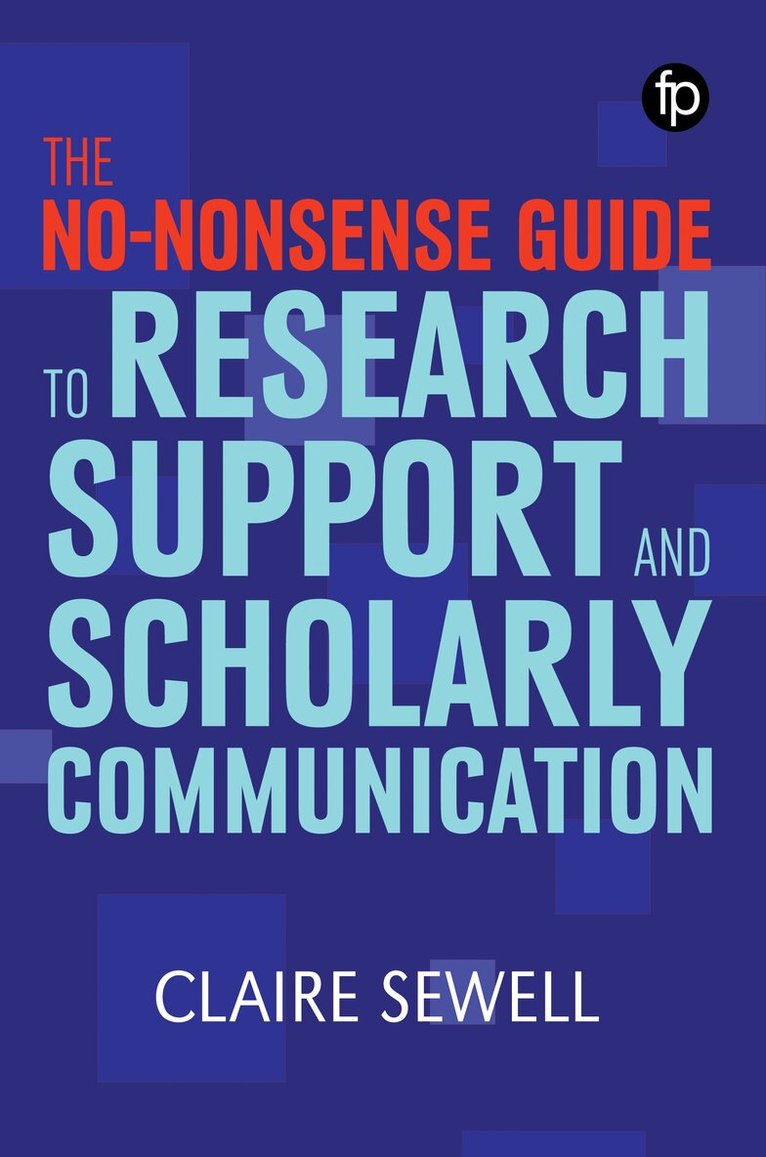
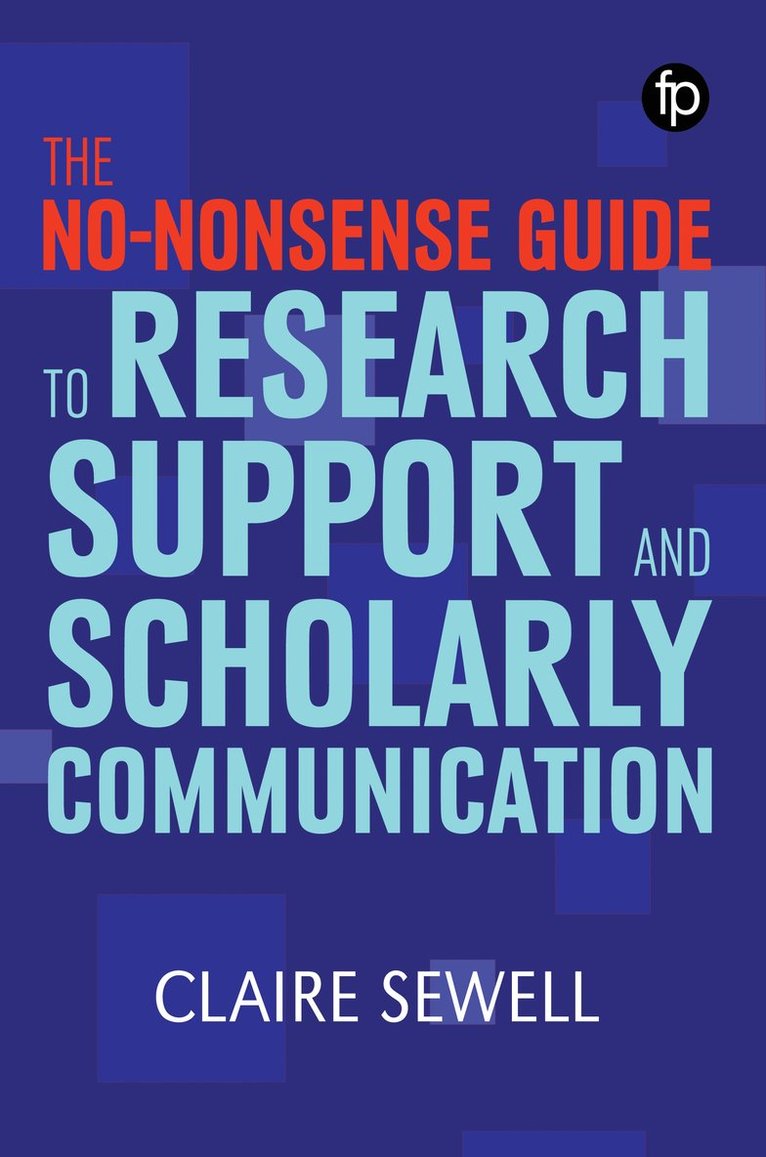
This accessible and highly practical book provides an introductory guide to the world of research support in the academic library. Academic libraries have seen huge changes in recent years thanks to the increasing availability of information online but they are now undergoing another shift. As libraries move away from providing access to existing information and towards helping users create new knowledge there is an opportunity for them to develop new services for the research community. To do this successfully libraries need to have a knowledgeable workforce who are equipped to provide the support that researchers need. Information professionals are increasingly being asked to advise their users on issues such as open access and research data management but are often doing so with little or no formal preparation. Outlining the reasons why library staff need to develop a knowledge of research support and guiding them through the key information on each topic, The No-nonsense Guide to Research Support and Scholarly Communication provides an ideal primer for those who seek to work in this area or those who have acquired these responsibilities as part of a wider role. The practical nature of the book means readers can dip into it or read it from cover to cover as needed. It includes practical checklists of knowledge and skills, international case studies by practitioners from around the globe, end of chapter references, how-to sections, activities and links to freely available online training materials. The book covers:scholarly communication, open research and the research lifecycleresearch data managementopen accessdisseminating researchmetrics and measuring impact including the Journal Impact Factor, H-Index and Altmetricscareer paths in research supportwhy and how library staff at all levels can get involved in the process of doing research and sharing their outputs. The book will be essential reading for academic librarians who have had research support duties added to their role with little or no formal training or those who have taken on a newly created role and are unsure of how best to use their existing skills or develop new ones suitable for a role in research support. The book will also be of interest to public librarians who may be dealing with supporting their own research communities and those who are considering taking on a career in this growing area but are unsure where to turn for guidance including students studying for postgraduate library qualifications and those who have undertaken qualifications in publishing.
2 223 kr
Tillfälligt slut
This accessible and highly practical book provides an introductory guide to the world of research support in the academic library. Academic libraries have seen huge changes in recent years thanks to the increasing availability of information online but they are now undergoing another shift. As libraries move away from providing access to existing information and towards helping users create new knowledge there is an opportunity for them to develop new services for the research community. To do this successfully libraries need to have a knowledgeable workforce who are equipped to provide the support that researchers need. Information professionals are increasingly being asked to advise their users on issues such as open access and research data management but are often doing so with little or no formal preparation. Outlining the reasons why library staff need to develop a knowledge of research support and guiding them through the key information on each topic, The No-nonsense Guide to Research Support and Scholarly Communication provides an ideal primer for those who seek to work in this area or those who have acquired these responsibilities as part of a wider role. The practical nature of the book means readers can dip into it or read it from cover to cover as needed. It includes practical checklists of knowledge and skills, international case studies by practitioners from around the globe, end of chapter references, how-to sections, activities and links to freely available online training materials. The book covers:scholarly communication, open research and the research lifecycleresearch data managementopen accessdisseminating researchmetrics and measuring impact including the Journal Impact Factor, H-Index and Altmetricscareer paths in research supportwhy and how library staff at all levels can get involved in the process of doing research and sharing their outputs. The book will be essential reading for academic librarians who have had research support duties added to their role with little or no formal training or those who have taken on a newly created role and are unsure of how best to use their existing skills or develop new ones suitable for a role in research support. The book will also be of interest to public librarians who may be dealing with supporting their own research communities and those who are considering taking on a career in this growing area but are unsure where to turn for guidance including students studying for postgraduate library qualifications and those who have undertaken qualifications in publishing.
1 119 kr
Skickas inom 5-8 vardagar
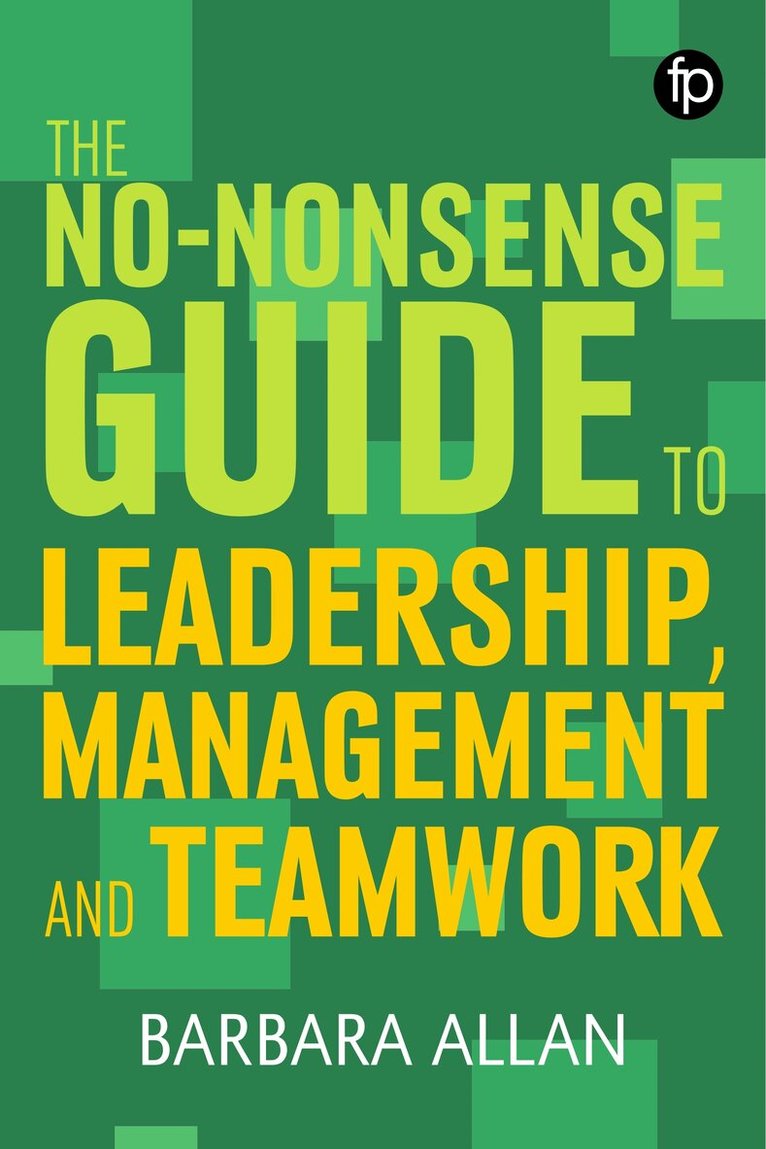
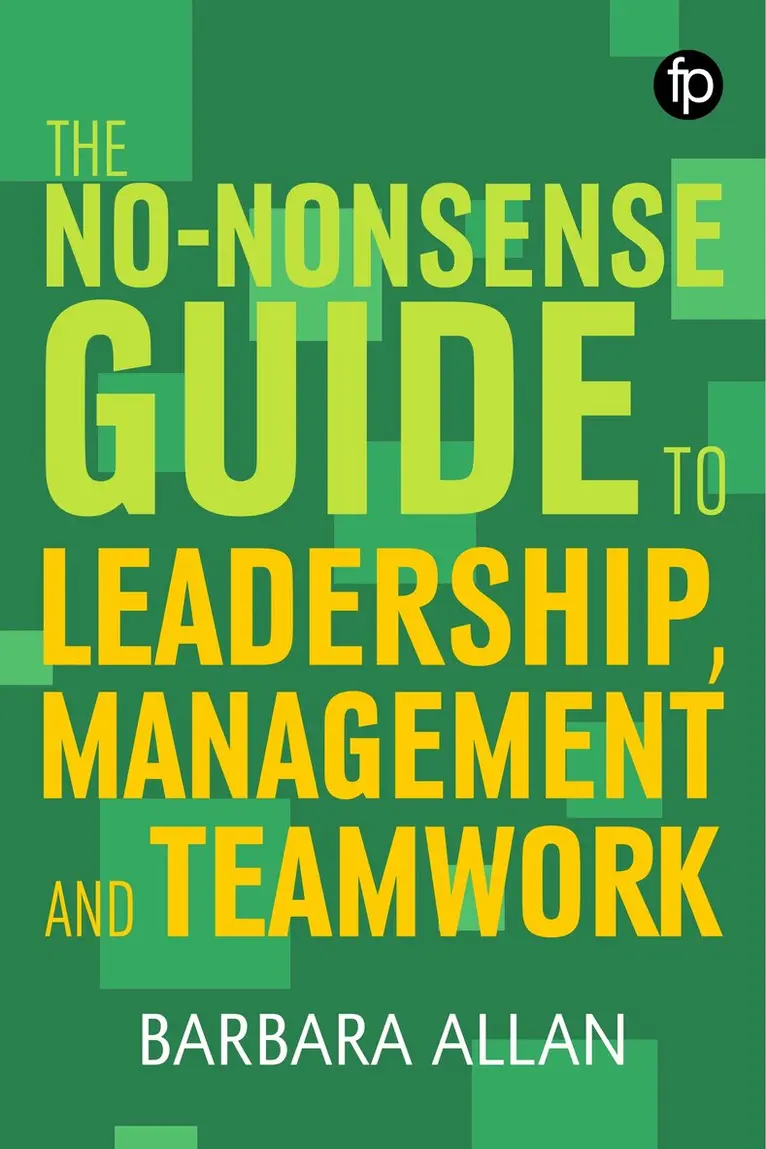
This book provides a straight forward and pragmatic guide to leadership, management and team working in contemporary library and information services. Contemporary managers and leaders in library and information services are working in a challenging context; dealing with multiple demands on their time, expertise and resources. This book translates theories in team work, management and leadership into practical guidance backed up with examples and case studies from current library and information workers globally. There is a focus on attitudes, values and practices that make for good leadership and management. The book covers:analysing your environment, understanding culture and developing strategiesworking in the senior team and making an impactconfident leadership and management, decision making, problem solving and managing crisesleading, managing and supervising your team, establishing working practices and conflict managementdelegation, dealing with overload and evaluating outcomesmanaging large and small projects and the people side of projectsinnovation and management of the change processcommunications, managing e-mails and text messages and effective use of social mediarecruitment and selection and performance managementmanaging and leading complex teams including collaborative, multi-professional, partnership and virtual teamsbudgeting, managing finances, tendering, crowdfunding and taking part in auditsmanaging work/life balance, coaching and mentoring, emotional intelligence, resilience and mindfulness.The No-Nonsense Guide to Leadership, Management and Teamwork is a book that a new or aspiring manager or team leader will use to guide them through the first few years in their new role. It will also provide guidance and support to new or aspiring directors of library services and help them to navigate their way through decision making and problem solving at senior levels. In addition, individual practitioners who are struggling to understand the management and leadership practices that they are experiencing may find that it helps them to make sense of their current environment.
1 895 kr
Kommande
This book provides a straight forward and pragmatic guide to leadership, management and team working in contemporary library and information services. Contemporary managers and leaders in library and information services are working in a challenging context; dealing with multiple demands on their time, expertise and resources. This book translates theories in team work, management and leadership into practical guidance backed up with examples and case studies from current library and information workers globally. There is a focus on attitudes, values and practices that make for good leadership and management. The book covers:analysing your environment, understanding culture and developing strategiesworking in the senior team and making an impactconfident leadership and management, decision making, problem solving and managing crisesleading, managing and supervising your team, establishing working practices and conflict managementdelegation, dealing with overload and evaluating outcomesmanaging large and small projects and the people side of projectsinnovation and management of the change processcommunications, managing e-mails and text messages and effective use of social mediarecruitment and selection and performance managementmanaging and leading complex teams including collaborative, multi-professional, partnership and virtual teamsbudgeting, managing finances, tendering, crowdfunding and taking part in auditsmanaging work/life balance, coaching and mentoring, emotional intelligence, resilience and mindfulness.The No-Nonsense Guide to Leadership, Management and Teamwork is a book that a new or aspiring manager or team leader will use to guide them through the first few years in their new role. It will also provide guidance and support to new or aspiring directors of library services and help them to navigate their way through decision making and problem solving at senior levels. In addition, individual practitioners who are struggling to understand the management and leadership practices that they are experiencing may find that it helps them to make sense of their current environment.
1 276 kr
Skickas inom 11-20 vardagar
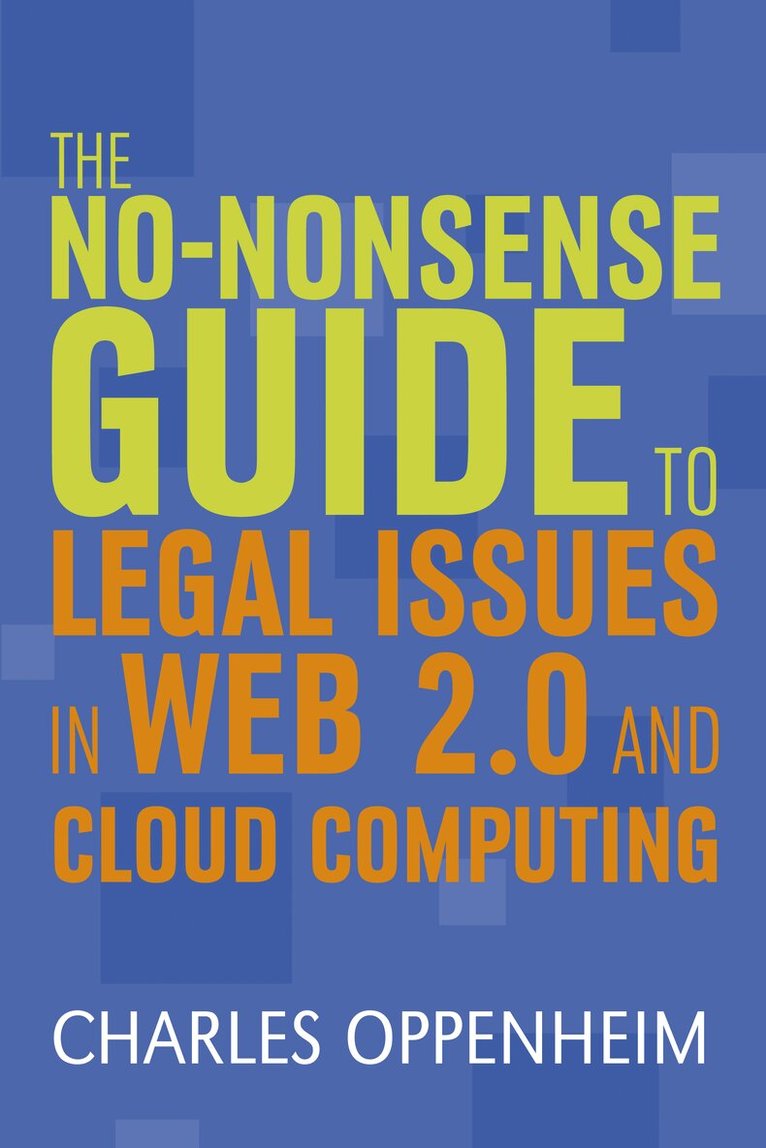
Expert hands-on advice on getting the most out of Web 2.0 and cloud computing. Applications like YouTube, Facebook, Flickr and Slideshare all raise legal problems for the information professional. Whether you’re working with, managing or using Web 2.0 or cloud computing applications you will need to be able to assess and manage risk effectively. This no-nonsense practical working tool will make the relevant legal principles simple to understand for those with little or no experience and make common problems quick to solve when you’re struggling with daily deadlines. Each chapter starts with an accessible introduction to the key areas of relevant law and the implications for Web 2.0 and cloud computing. Cross-sectoral case studies illustrate real world problems and exercises with easy-to-follow, pragmatic solutions allow you to quickly develop good practice. The relevant practice is discussed in relation to these key topics:the major legal issues raised by Web 2.0 an overview of copyrightother intellectual property rights and related rightsdata protection including UK and EU law freedom of information defamation and global differences in defamation lawcloud computing issuesliability issues. Readership: This is an essential toolkit for all information professionals working in public, academic or special libraries, archives or museums, who are working with, using or managing Web 2.0 or cloud computing applications. It also provides a practical introduction to the law on these topics for LIS students and academics.
1 289 kr
Skickas inom 5-8 vardagar
Straightforward and practical guidance for library and information workers in all sectors who are involved in training users, colleagues or other groups.In order to make an impact with their customers, library staff must be well trained and up-to-date. Training is often delivered by library managers, development officers and trainers who may have limited budgets with access to few resources. This accessible guide uses case studies and examples of best practice from public, school, academic, special and government libraries to help library and information workers deliver excellent training practice. Increasingly, library and information staff are being asked to do more and more with fewer resources. In the context of higher education and further education, library and information workers are often involved in training large, diverse groups of more than 100 students, who may have limited resources. In public libraries, library staff may be involved in delivering a wide range of training activities to extremely diverse groups.Many library and information workers in special libraries deliver end-user and specialist training to busy professionals who are unlikely to have the time to attend pre-scheduled workshops. In addition, the rise of social networking tools and other information and communication technologies, has meant that training practices are continually changing to meet the expectations of participants.This book provides guidance on the design and delivery of effective training courses and is aimed at helping experienced trainers, as well as those who are still developing their skills, including:The people side of trainingUse of technologies to support training practicesDifferent approaches to learning and teachingPlanning and designing trainingDelivering training: face-to-face and blended learningEvaluation of training events and continuous improvementLearning and development in the workplace.Readership: All library and information workers involved in training.
1 119 kr
Tillfälligt slut
This practical how-to-do-it guide is ideal for professionals involved in the management of archives and records, especially if they are just starting out or without formal training. The book covers all aspects of recordkeeping and archives management. It follows the records’ journey from creation, through the application of classification and access techniques, evaluation for business, legal and historical value and finally to destruction or preservation and access in the archive. Based on the internationally renowned training days run by the author and her business partner, The No-nonsense Guide to Archives and Recordkeeping deals with records and archives in all formats. It utilizes checklists, practical exercises, sample documentation, case studies and helpful diagrams to ensure a very accessible and pragmatic approach, allowing anyone to get to grips with the basics quickly. The book is divided into four main work areas:current records: including creation, filing, classification and securityrecords management: including aims, risks, planning, preparation and deliveryarchives management: including collecting policies, intellectual property rights, appraisal, digitization and outreacharchival preservation: including policy, disaster prevention and repositories.This one-stop-shop will be essential for a wide readership including archives and records assistants, librarians, information managers and IT professionals responsible for archives and records and managers of archives staff.