Film and Fashions - Böcker
Visar alla böcker i serien Film and Fashions. Handla med fri frakt och snabb leverans.
11 produkter
11 produkter
1 140 kr
Skickas inom 7-10 vardagar
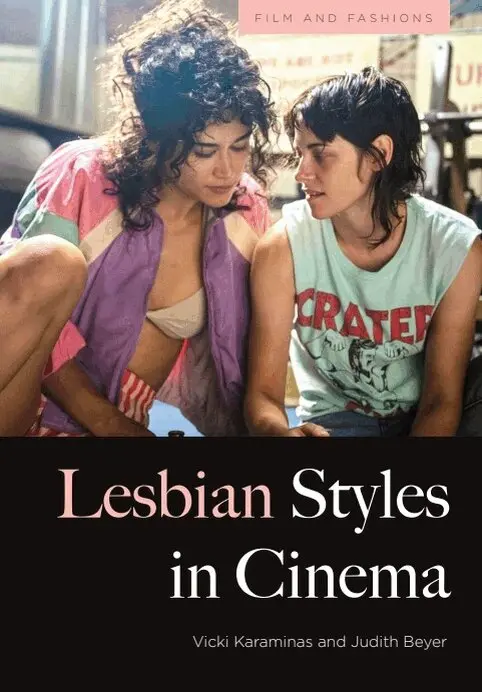
While there are a great many books on the Hollywood star system and its costuming, and a number of books on queer cinema, the role of lesbian dress styles in constructing lesbian characters has yet to be the subject of a discrete, detailed book study. ???????Lesbian Styles in Cinema examines how dress constructs lesbian characters as a form of representation and visual communication in film. By focusing on a set of independent and studio films that highlight lesbian dress practices, from Leontine Segan's Madchen in Uniform (1931) and other lesbian classics such as Donna Dietch's Desert Hearts (1985) to the Wachowski sisters Bound (1996) and Rose Glass' Love Lies Bleeding (2024), this book unpacks the role of sartorial codes in producing narratives of lesbian subjectivities, representation and desire.
239 kr
Kommande
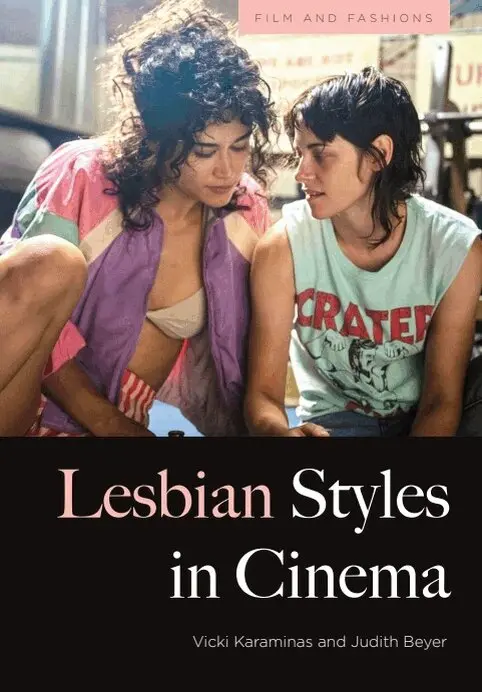
While there are a great many books on the Hollywood star system and its costuming, and a number of books on queer cinema, the role of lesbian dress styles in constructing lesbian characters has yet to be the subject of a discrete, detailed book study. Lesbian Styles in Cinema examines how dress constructs lesbian characters as a form of representation and visual communication in film. By focusing on a set of independent and studio films that highlight lesbian dress practices, from Leontine Segan’s Madchen in Uniform (1931) and other lesbian classics such as Donna Dietch’s Desert Hearts (1985) to the Wachowski sisters Bound (1996) and Rose Glass’ Love Lies Bleeding (2024), this book unpacks the role of sartorial codes in producing narratives of lesbian subjectivities, representation and desire.
1 343 kr
Skickas inom 7-10 vardagar
For an industry that is known for its escapism, the quest for settings that look real seems out of character. Yet the achievement of verisimilitude in Hindi (aka Bollywood) film sets and locations has grown apace in the 21st century, even in star vehicles and cinematic spectaculars. This book inquires into how and why this is done, and who does it, drawing the reader into the thoughts and actions of art department personnel, from production designers all the way down to painters and carpenters. The key to their work is time – making the most of the time they are given, capturing the signs of the passage of time in artificially aged sets, creating settings that speak of the present or the past through the artfully chosen or fabricated props. Their work reveals a little-known side to the film industry that is indispensable to the filmmaking enterprise.
1 368 kr
Skickas inom 7-10 vardagar
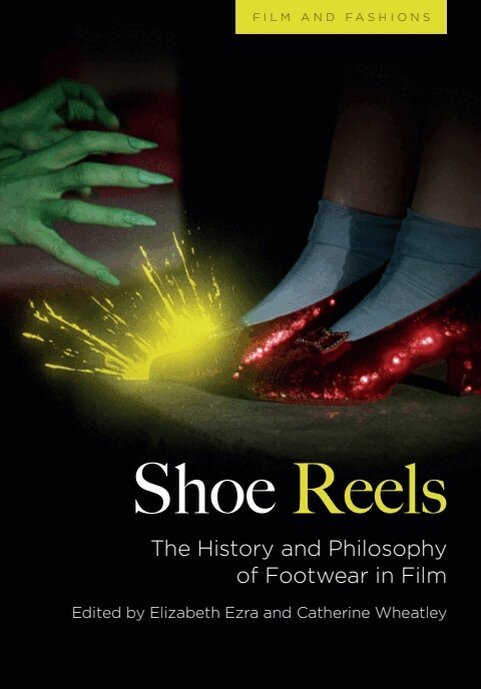
In his famous interpretation of Vincent Van Gogh’s painting A Pair of Peasant’s Shoes (1886), Heidegger argues that shoes tell us all we need to know about the world of the person who walks in them. In the case of Van Gogh’s painting, we learn this not through a description of the pair of shoes, nor by a report on how to make shoes, but by looking at the shoes. Heidegger thus gestures towards the power of the visual arts to show us human truths through images of footwear and the feet they conceal or reveal, a power that finds its fullest expression in the cinema. From Chaplin’s meal of boots (The Gold Rush, 1925), through Powell and Pressburger’s Red Shoes (1948) and Dorothy’s ruby slippers (The Wizard of Oz, 1939), to Julia Roberts’ pvc thigh-highs (Pretty Woman, 1990), Marty McFly’s power-lacing Nikes (Back to the Future, 1985) and the slim, spike-heeled stiletto that graces the poster for The Devil Wears Prada (2006), shoes are not only some of the cinema’s most enduring icons; they also serve as characterisations, plot devices, soundtracks, metaphors and philosophical touchpoints. This book anaylses their significnace through a range of approaches drawn from the fields of Film Studies, Philosophy, Cultural History, Fashion, Cultural Studies and Politics.
342 kr
Skickas
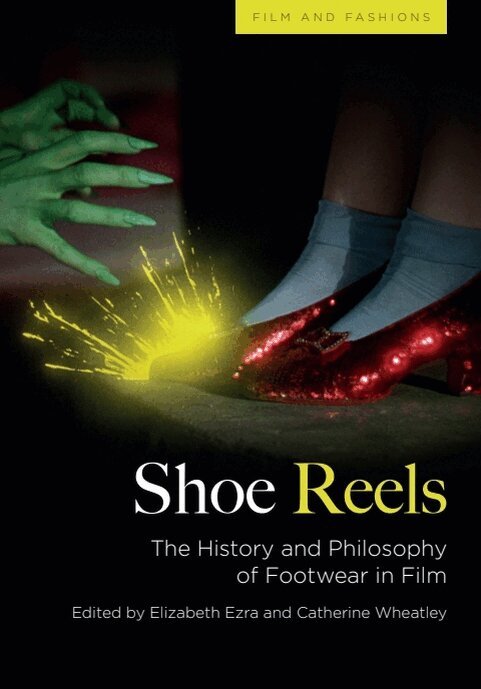
In his famous interpretation of Vincent Van Gogh’s painting A Pair of Peasant’s Shoes (1886), Heidegger argues that shoes tell us all we need to know about the world of the person who walks in them. In the case of Van Gogh’s painting, we learn this not through a description of the pair of shoes, nor by a report on how to make shoes, but by looking at the shoes. Heidegger thus gestures towards the power of the visual arts to show us human truths through images of footwear and the feet they conceal or reveal, a power that finds its fullest expression in the cinema. From Chaplin’s meal of boots (The Gold Rush, 1925), through Powell and Pressburger’s Red Shoes (1948) and Dorothy’s ruby slippers (The Wizard of Oz, 1939), to Julia Roberts’ pvc thigh-highs (Pretty Woman, 1990), Marty McFly’s power-lacing Nikes (Back to the Future, 1985) and the slim, spike-heeled stiletto that graces the poster for The Devil Wears Prada (2006), shoes are not only some of the cinema’s most enduring icons; they also serve as characterisations, plot devices, soundtracks, metaphors and philosophical touchpoints. This book anaylses their significnace through a range of approaches drawn from the fields of Film Studies, Philosophy, Cultural History, Fashion, Cultural Studies and Politics.
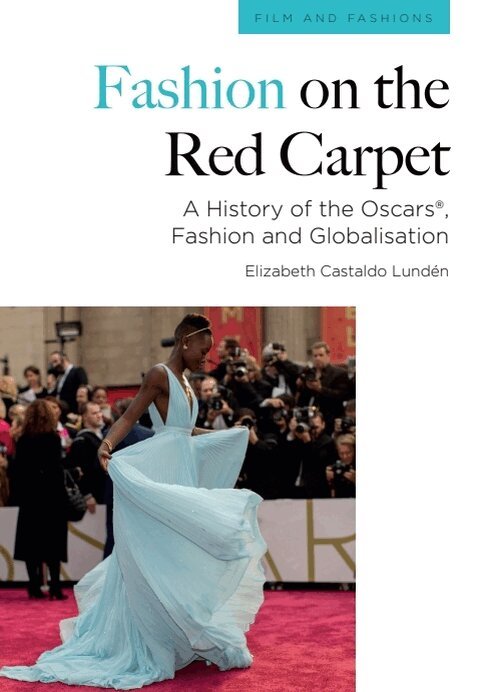
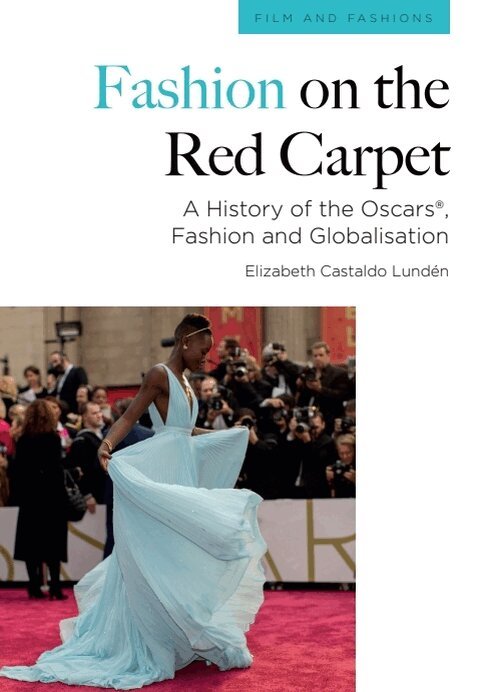
Fashion on the Red Carpet
A History of the Oscars®, Fashion and Globalisation
Inbunden, Engelska, 2021
2 085 kr
Skickas inom 3-6 vardagar
The Academy Awards’ red-carpet is the most prominent fashion show in media culture. Fashion on the Red Carpet investigates the historical liaison between Hollywood and fashion institutions, to describe how public relations campaigns and the media articulate fashion discourses around the Oscars. The power-shift towards television, the emergence of celebrity culture, the post-war reactivation of transatlantic trade, the growth of fashion journalism, and the increasing circulation of designer names in the media, are converging factors leading to the institutionalisation of the red-carpet as a fashion event in its own right.Departing from archival sources, and tracing discourses of fashion, stardom, and celebrity surrounding Hollywood and the Oscars, this fascinating book explains how the red-carpet became a marquee for the endorsement of high-end fashion brands.
870 kr
Skickas inom 3-6 vardagar
Offers the first scholarly study of the Oscars red carpet as a media phenomenonUnravels the political actions of institutions and individuals that put Hollywood Designers and stars under the limelight during the interwar yearsEstablishes the business models proposed by Hollywood as precursors of the contemporary branding, licensing, and endorsement strategies used by fashion conglomeratesTraces the historical transformation of the Academy Awards ceremony from a private banquet into one of the most popular events in global media cultureFollows the changes in the fashion and film industries that impacted the dynamics of fashion at the OscarsDescribes the public relations strategies that set fashion to the forefront in Oscars' historyCritically addresses the contemporary impact of celebrity cultureThe Academy Awards' red-carpet is the most prominent fashion show in media culture. Fashion on the Red Carpet investigates the historical liaison between Hollywood and fashion institutions, to describe how public relations campaigns and the media articulate fashion discourses around the Oscars. The power-shift towards television, the emergence of celebrity culture, the post-war reactivation of transatlantic trade, the growth of fashion journalism, and the increasing circulation of designer names in the media, are converging factors leading to the institutionalisation of the red-carpet as a fashion event in its own right.Departing from archival sources, and tracing discourses of fashion, stardom, and celebrity surrounding Hollywood and the Oscars, this fascinating book explains how the red-carpet became a marquee for the endorsement of high-end fashion brands.
2 085 kr
Skickas inom 3-6 vardagar
Offers the first edited collection with an explicit documentary focus on fashion icons, events, cultures and industriesInvestigates the bearings of the documentary image and its visual politics in relation to fashionPushes forward new understandings of how different media and platforms, such as documentary feature films, television factual programmes, online videos, fashion exhibitions, edutainment and industrial films, interrogate 'the real' in relation to fashionConsiders a wide range of both contemporary and historical case studies, including analysis of fashion documentaries, fashion-series on television and online videos, including Queer Eye (2018), Follow Me (2017), Bill Cunningham New York (2010), and McQueen (2018)Includes two expanding interviews, one with Alexandra Palmer, senior fashion curator at Royal Ontario Museum, Toronto, and one with Lorna Tucker, director of Westwood: Punk, Icon, Activists (2018)Feuds within fashion houses, megalomaniacs and photoshoot nightmares fashion and drama have been a perfect match for decades. Over the past ten years, we have witnessed a boom of documentaries about fashion magazine editors, fashion and media politics and the history of fashion houses.How and why did fashion documentaries and non-fiction media become so popular? Documenting Fashion explores and reassesses the role of documentary media by tracing its history in shaping our understanding of fashion across multiple platforms and different national contexts, including industrial films, newsreels, TV shows, documentary films, digital media and photography. The essays in this collection underpin and profile a scholarly space in which a dialogue between fashion and documentary studies can evolve by drawing from different methodologies and approaches, such as media and cultural studies, ethnography, archival and museum studies, gender studies, marketing and public relations.
344 kr
Skickas inom 7-10 vardagar
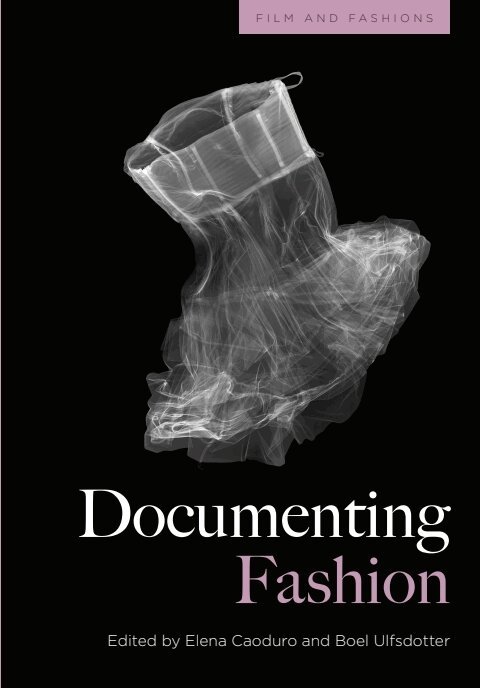
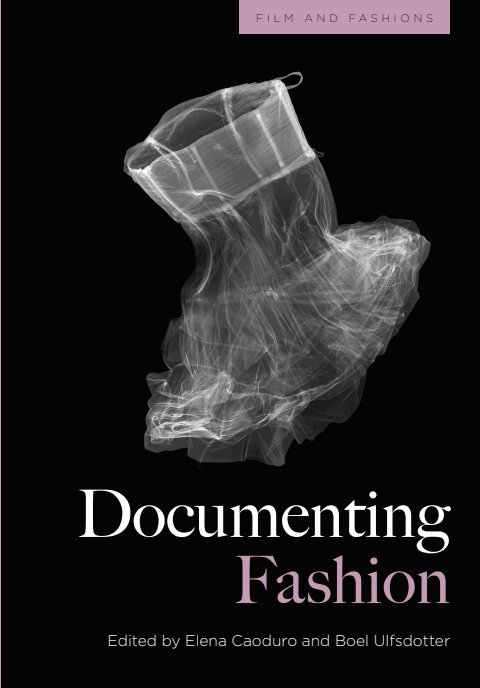
Feuds within fashion houses, megalomaniacs and photoshoot nightmares – fashion and drama have been a perfect match for decades. Over the past ten years, we have witnessed a boom of documentaries about fashion magazine editors, fashion and media politics and the history of fashion houses. How and why did fashion documentaries and non-fiction media become so popular? Documenting Fashion explores and reassesses the role of documentary media by tracing its history in shaping our understanding of fashion across multiple platforms and different national contexts, including industrial films, newsreels, TV shows, documentary films, digital media and photography. The essays in this collection underpin and profile a scholarly space in which a dialogue between fashion and documentary studies can evolve by drawing from different methodologies and approaches, such as media and cultural studies, ethnography, archival and museum studies, gender studies, marketing and public relations.
1 942 kr
Skickas inom 3-6 vardagar
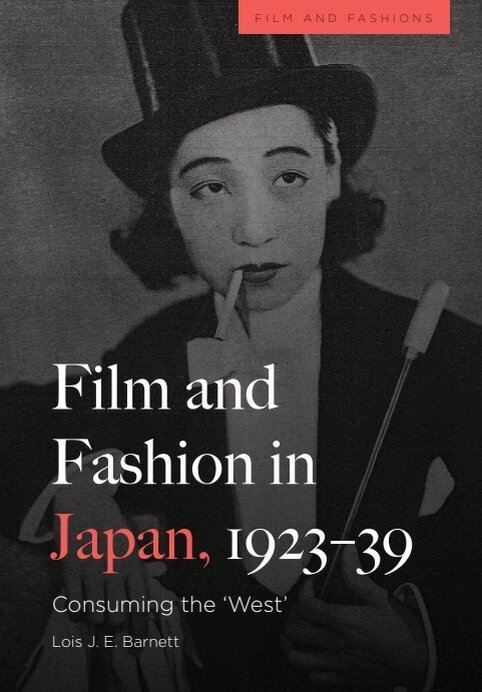
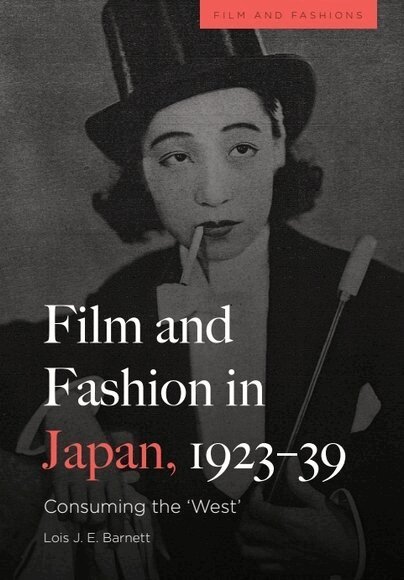
Examines Western-inspired fashion objects in Japanese cinema between 1923 and 1939Consults varied primary Japanese-language source material, such as visual analysis of extant films; film fragments and stills from the era; advertising ephemera such as film posters and match boxes; and various print-based materialsProvides film analysis and synopses of many Japanese films which are not yet commercially available and/or subtitled in EnglishConcentrates equally on depictions of menswear and womenswear there is currently a bias towards depictions of women's styles in both fashion and film studiesDiscusses the history of issues highly relevant to today's media climate in a non-American and non-European contextPresents fashion as a means of coding identities both on- and off-screen case studies include the Modern Girl (the Japanese variant of the Hollywood flapper), the Modern Boy (a foppish masculine archetype), the modernising Japanese housewife and the healthy sportsperson.Discusses LGBT identities and the usage of fashion to depict them in both Japanese and Hollywood cinemasFilm and Fashion in Japan, 1923-39 examines the interaction between the audience member and Japan's film and fashion industries, focusing on Western-inspired fashion objects as opposed to indigenous Japanese items. Taking an interdisciplinary approach, Barnett examines the semiotics of dress onscreen within Japan's transcultural media climate, consulting not only film- or fashion-related theoretical bases but also historical and gender-based approaches.The work consults surviving films, print media and advertising materials, allowing insights into lost films and the period's thriving commercial context. It focuses on the expressive Modern Girl image (the Japanese equivalent of the Hollywood flapper); sportswear and hybridised dress styles (which combined Japanese and Western-influenced aesthetics) and their relationship with body; and menswear in the early work of the director Ozu Yasujir?. This book discusses the role of fashion consumption in defining emergent modern identities and their relationships with new spaces, questioning their arising in the Japanese context and within the global sphere.
306 kr
Skickas
The book examines the interaction between the audience member and Japan's film and fashion industries between 1923 and 1939, focusing on Western-inspired fashion objects (as opposed to indigenous Japanese items, such as the kimono). This interdisciplinary book examines the semiotics of dress onscreen within Japan's transcultural media climate, consulting not only film- or fashion-related theoretical bases but also historical and gender-based approaches. The work consults surviving films, print media and advertising materials, allowing insights into lost films and the period's commercial context. The book discusses the role of fashion consumption in defining emergent modern identities and their relationships with new spaces, questioning their arising in Japan and worldwide. Key areas include the expressive Modern Girl image (the Japanese equivalent of the Hollywood flapper); the relationship between the body and sportswear and hybridised dress styles (which combined Japanese and Western-influenced aesthetics); and menswear in the early work of director Ozu Yasujir?.