• Fri frakt över 249 kr
  • •
  • Snabba leveranser
  • •
  • Billiga böcker
Kundservice

Du är på sajten för privatpersoner.

Företag, bibliotek eller offentlig verksamhet?

Du handlar på classic.bokus.com, där alla dina funktioner finns intakta.
Till classic.bokus.com
Bokus logotyp. Gå till startsidan.
  • Erbjudanden
  • Nyheter
  • Student
  • Topplistor
  • Barn & ungdom
  • Bokus Play
  • E-böcker
  • Pocketböcker
  • Spel & pussel

Må bättre, för mindre! Upp till 50% rabatt på hälsoböcker

Sidfot

Mina sidor

    Hjälp

    • Kundservice
    • Vanliga frågor och svar
    • Frakt och leverans
    • Retur vid ångerrätt
    • Reklamera vara
    • Betalning
    • Köpvillkor
    • Allmänna villkor
    • Information om webbplatsens tillgänglighet

    Om Bokus

    • Om oss
    • Pressrum
    • För studenter
    • För företag
    • För bibliotek och offentlig verksamhet
    • För leverantörer
    • Hållbarhet

    Populärt

    • Aktuella erbjudanden
    • Presentkort
    • Studentlitteratur
    • Nya böcker
    • Topplistor
    • Signerade böcker
    • Engelska böcker

    Inspiration

    • Boktips
    • BookTok
    • Populära bokserier
    • Barnbokskaraktärer
    • Populära författare
    Logotyp för Bokus
    Följ oss på Facebook (extern länk)Följ oss på Instagram (extern länk)Följ oss på YouTube (extern länk)Följ oss på TikTok (extern länk)
    bokus @ CookiesAnpassa cookiesIntegritetspolicyKöpvillkor
    Till Citymail hemsida (extern länk)Till Budbee hemsida (extern länk)Till Postnord hemsida (extern länk)Till Schenker hemsida (extern länk)Till Early Bird hemsida (extern länk)Till Walleys hemsida (extern länk)
    1. Kultur
    2. Designböcker
    3. Modedesign och textilformgivning

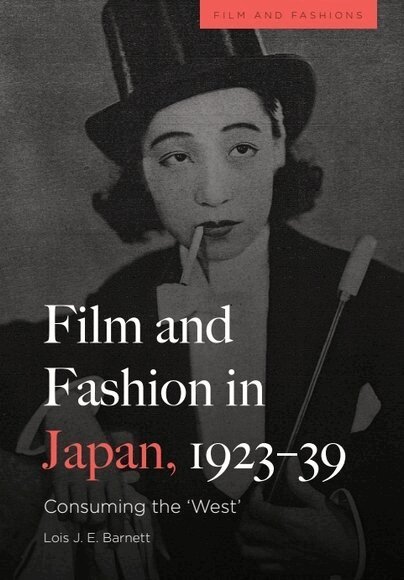
    Film and Fashion in Japan, 1923-39

    Consuming the 'West'

    AvLois Barnett

    Inbunden, Engelska, 2023

    Del i serien Film and Fashions

    1 985 kr

    Beställningsvara. Skickas inom 3-6 vardagar. Fri frakt över 249 kr.

    Fler format och utgåvor

    Häftad

    337 kr

    Beskrivning

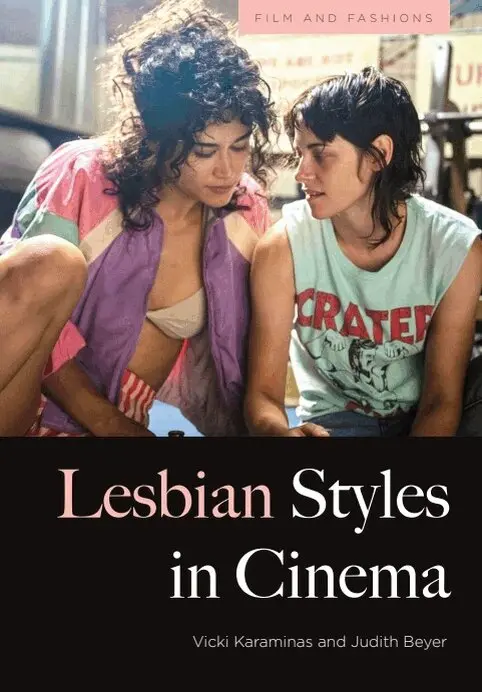
    Examines Western-inspired fashion objects in Japanese cinema between 1923 and 1939Consults varied primary Japanese-language source material, such as visual analysis of extant films; film fragments and stills from the era; advertising ephemera such as film posters and match boxes; and various print-based materialsProvides film analysis and synopses of many Japanese films which are not yet commercially available and/or subtitled in EnglishConcentrates equally on depictions of menswear and womenswear there is currently a bias towards depictions of women's styles in both fashion and film studiesDiscusses the history of issues highly relevant to today's media climate in a non-American and non-European contextPresents fashion as a means of coding identities both on- and off-screen case studies include the Modern Girl (the Japanese variant of the Hollywood flapper), the Modern Boy (a foppish masculine archetype), the modernising Japanese housewife and the healthy sportsperson.Discusses LGBT identities and the usage of fashion to depict them in both Japanese and Hollywood cinemasFilm and Fashion in Japan, 1923-39 examines the interaction between the audience member and Japan's film and fashion industries, focusing on Western-inspired fashion objects as opposed to indigenous Japanese items. Taking an interdisciplinary approach, Barnett examines the semiotics of dress onscreen within Japan's transcultural media climate, consulting not only film- or fashion-related theoretical bases but also historical and gender-based approaches.The work consults surviving films, print media and advertising materials, allowing insights into lost films and the period's thriving commercial context. It focuses on the expressive Modern Girl image (the Japanese equivalent of the Hollywood flapper); sportswear and hybridised dress styles (which combined Japanese and Western-influenced aesthetics) and their relationship with body; and menswear in the early work of the director Ozu Yasujir?. This book discusses the role of fashion consumption in defining emergent modern identities and their relationships with new spaces, questioning their arising in the Japanese context and within the global sphere.

    Produktinformation

    • Utgivningsdatum:2023-08-01
    • Mått:170 x 244 x 23 mm
    • Vikt:664 g
    • Format:Inbunden
    • Språk:Engelska
    • Serie:Film and Fashions
    • Antal sidor:288
    • Förlag:Edinburgh University Press
    • ISBN:9781474497701

    Utforska kategorier

    • Modedesign och textilformgivning inom Kultur
    • Konsthistoria inom Kultur
    • Film inom Kultur

    Mer om författaren

    Lois J. E. Barnett is a Postdoctoral Research Associate at the School of Oriental and African Studies, University of London (SOAS).

    Recensioner i media

    This book is a fascinating examination of the market condition for Japanese cinema in a major period of transition. Through detailed historical research it pays attention to the intersection of the film and fashion industries to excavate a vital story of changing sartorial styles and their cultural and social meanings.

    Innehållsförteckning

    • Introduction: Defining, Theorising and Approaching Japanese Film, Fashion and ModernityPart 1 - On Sartoriality and Speaking: ‘Expressive’ Women and Western Attire1.1 - Fashionable female imagery between media formats: Tanizaki Jun’ichirō’s Naomi (1924) and the concept of marketable female star "types"1.2 - Sartoriality and Expressivity Pre- and Post- Sound: The Vernacular Voice, The Western-Attired Woman and the City1.3 - Fashion Commodities Onscreen:the Modern Housewife in Naruse Mikio’s No Blood Relation (Nasanu Naka, 1932) and Masculine Female Attire in Ozu Yasujirō’s Dragnet Girl (Hijōsen no onna, 1933)Part 2 - Sportswear and Hybridity: The National Body and Gender2.1 - Sportswear and Hybridity: The Middle-Class Housewife as Hybridised Consumer Archetype2.2 - Women and the Sporting Body2.3 - Men and the Sporting BodyPart 3 - Menswear and the Modern Boy: Ozu Yasujirō and Western Style for Men3.1 - Historically Contextualising Japanese Male Fashion: Western-style Menswear, the Cinema and Space3.2 - Opposition to Western-style Menswear and the Desire for "Authentic" Japanese Male Commercial Identity Archetypes:Shōchiku’s shōshimin eiga and Ozu’s commercially augmented everyday male life onscreen3.3 – Was Ozu a "Modern Boy"? Negotiating Related Sartorial ArchetypesBook ConclusionReference ListFilmography