Folklore Studies in Multicultural World - Böcker
Visar alla böcker i serien Folklore Studies in Multicultural World. Handla med fri frakt och snabb leverans.
9 produkter
9 produkter
330 kr
Skickas inom 7-10 vardagar
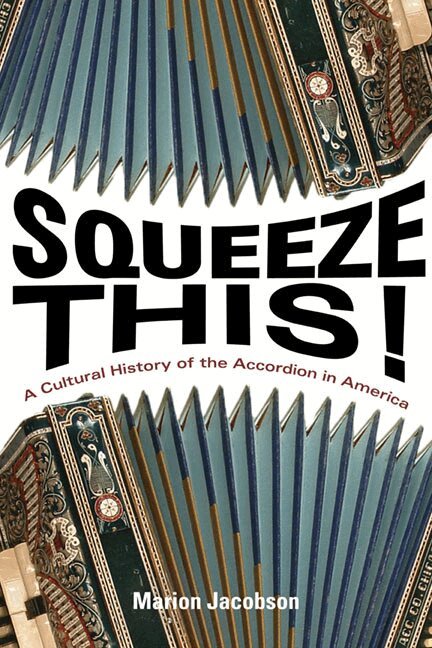
No other instrument has witnessed such a dramatic rise to popularity--and precipitous decline--as the accordion. Squeeze This! is the first history of the piano accordion and the first book-length study of the accordion as a uniquely American musical and cultural phenomenon. Ethnomusicologist and accordion enthusiast Marion Jacobson traces the changing idea of the accordion in the United States and its cultural significance over the course of the twentieth century. From the introduction of elaborately decorated European models imported onto the American vaudeville stage and the instrument's celebration by ethnic musical communities and mainstream audiences alike, to the accordion-infused pop parodies by "Weird Al" Yankovic, Jacobson considers the accordion's contradictory status as both an "outsider" instrument and as a major force in popular music in the twentieth century. Drawing on interviews and archival investigations with instrument builders and retailers, artists and audiences, professionals and amateurs, Squeeze This! explores the piano accordion's role as an instrument of community identity and its varied musical and cultural environments. Jacobson concentrates on six key moments of transition: the Americanization of the piano accordion, originally produced and marketed by sales-savvy Italian immigrants; the transformation of the accordion in the 1920s from an exotic, expensive vaudeville instrument to a mass-marketable product; the emergence of the accordion craze in the 1930s and 1940s, when a highly organized "accordion industrial complex" cultivated a white, middle-class market; the peak of its popularity in the 1950s, exemplified by Lawrence Welk and Dick Contino; the instrument's marginalization in the 1960s and a brief, ill-fated effort to promote the accordion to teen rock 'n' roll musicians; and the revival beginning in the 1980s of the accordion as a "world music instrument" and a key component for cabaret and burlesque revivals and pop groups such as alternative experimenters They Might Be Giants and polka rockers Brave Combo. Loaded with dozens of images of gorgeous instruments and enthusiastic performers and fans, Squeeze This! A Cultural History of the Accordion in America represents the accordion in a wide range of popular and traditional musical styles, revealing the richness and diversity of accordion culture in America.
1 192 kr
Skickas inom 7-10 vardagar
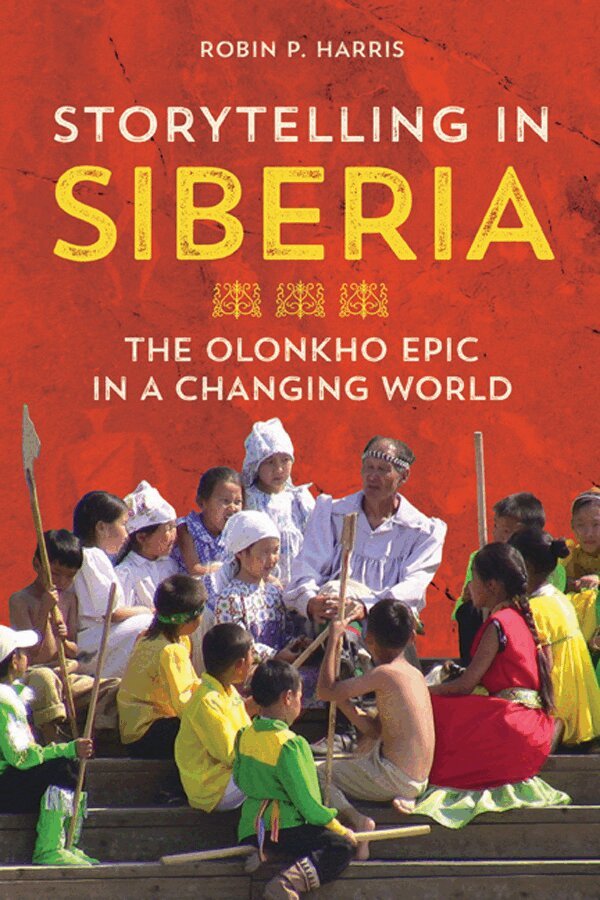
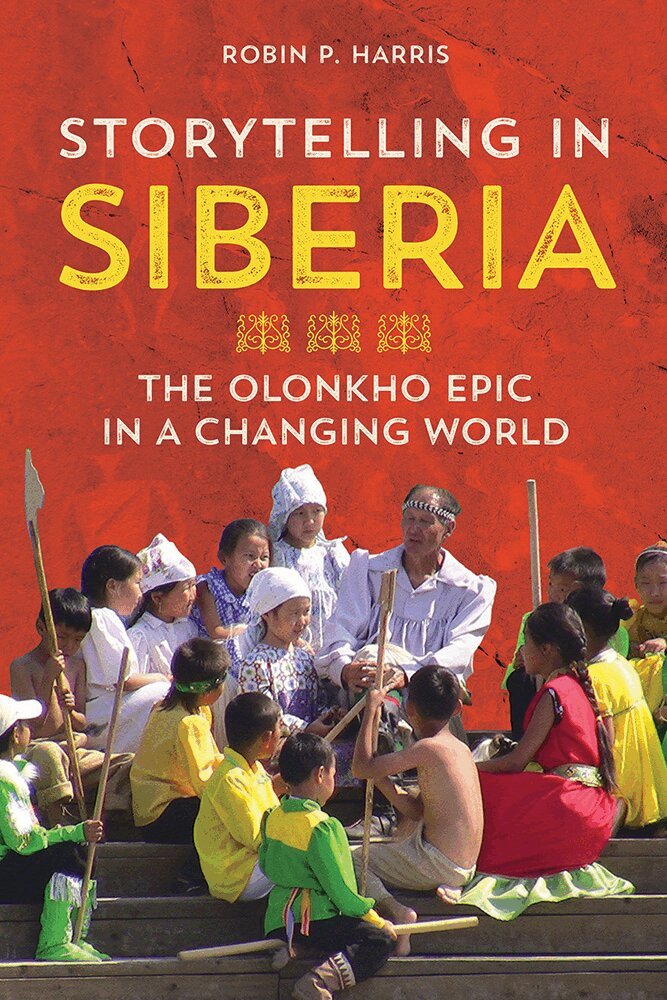
Olonkho, the epic narrative and song tradition of Siberia’s Sakha people, declined to the brink of extinction during the Soviet era. In 2005, UNESCO’s Masterpiece Proclamation sparked a resurgence of interest in olonkho by recognizing its important role in humanity’s oral and intangible heritage. Drawing on her ten years of living in the Russian North, Robin P. Harris documents how the Sakha have used the Masterpiece program to revive olonkho and strengthen their cultural identity. Harris’s personal relationships with and primary research among Sakha people provide vivid insights into understanding olonkho and the attenuation, revitalization, transformation, and sustainability of the Sakha’s cultural reemergence. Interdisciplinary in scope, Storytelling in Siberia considers the nature of folklore alongside ethnomusicology, anthropology, comparative literature, and cultural studies to shed light on how marginalized peoples are revitalizing their own intangible cultural heritage.
1 192 kr
Skickas inom 7-10 vardagar
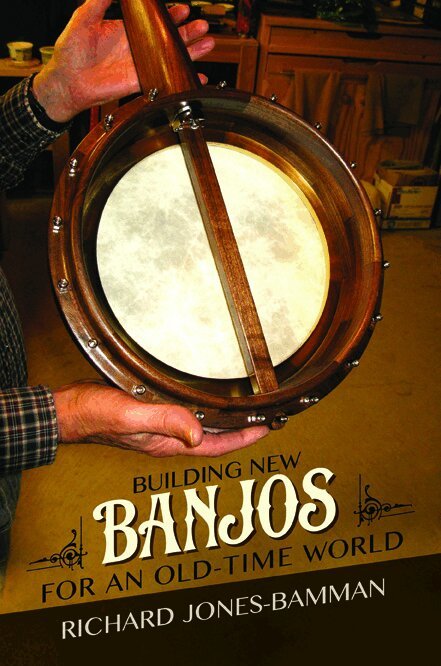
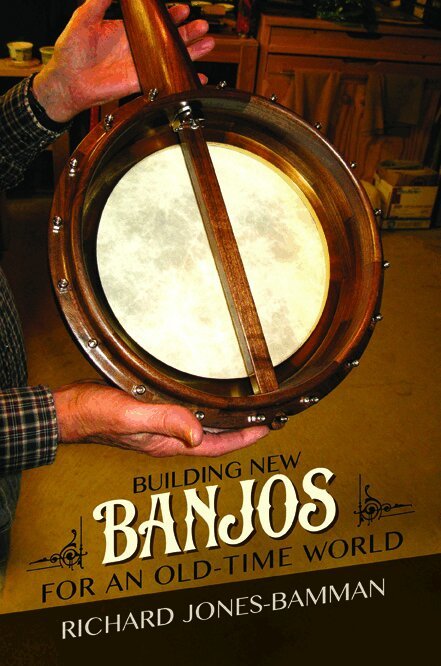
Banjo music possesses a unique power to evoke a bucolic, simpler past. The artisans who build banjos for old-time music stand at an unusual crossroads ”asked to meet the modern musician's needs while retaining the nostalgic qualities so fundamental to the banjo's sound and mystique. Richard Jones-Bamman ventures into workshops and old-time music communities to explore how banjo builders practice their art. His interviews and long-time personal immersion in the musical culture shed light on long-overlooked aspects of banjo making. What is the banjo builder's role in the creation of a specific musical community? What techniques go into the styles of instruments they create? Jones-Bamman explores these questions and many others while sharing the ways an inescapable sense of the past undergirds the performance and enjoyment of old-time music. Along the way he reveals how antimodernism remains integral to the music's appeal and its making.
1 229 kr
Skickas inom 7-10 vardagar
Collector of sexual folklore. Cataloger of erotica. Tireless social critic. Gershon Legman's singular, disreputable resume made him a counter-cultural touchstone during his forty-year exile in France. Despite his obscurity today, Legman’s prescient work and passion for the prurient laid the groundwork for our contemporary study of the forbidden. Susan G. Davis follows the life and times of the figure driven to share what he found in civilization's secret libraries. Self-taught and fiercely unaffiliated, Legman collected the risquÉ on street corners and in theaters and dug it out of little-known archives. If the sexual humor he uncovered often used laughter to disguise hostility and fear, he still believed it indispensable to the human experience. Davis reveals Legman in all his prickly, provocative complexity as an outrageous nonconformist thundering at a wrong-headed world while reveling in conflict, violating laws and boundaries with equal abandon, and pursuing love and improbable adventures. Through it all, he maintained a kaleidoscopic network of friends, fellow intellectuals, celebrity admirers, and like-minded obsessives.
209 kr
Skickas inom 7-10 vardagar
No other instrument has witnessed such a dramatic rise to popularity--and precipitous decline--as the accordion. Squeeze This! is the first history of the piano accordion and the first book-length study of the accordion as a uniquely American musical and cultural phenomenon. Ethnomusicologist and accordion enthusiast Marion Jacobson traces the changing idea of the accordion in the United States and its cultural significance over the course of the twentieth century. From the introduction of elaborately decorated European models imported onto the American vaudeville stage and the instrument's celebration by ethnic musical communities and mainstream audiences alike, to the accordion-infused pop parodies by "Weird Al" Yankovic, Jacobson considers the accordion's contradictory status as both an "outsider" instrument and as a major force in popular music in the twentieth century. Drawing on interviews and archival investigations with instrument builders and retailers, artists and audiences, professionals and amateurs, Squeeze This! explores the piano accordion's role as an instrument of community identity and its varied musical and cultural environments. Jacobson concentrates on six key moments of transition: the Americanization of the piano accordion, originally produced and marketed by sales-savvy Italian immigrants; the transformation of the accordion in the 1920s from an exotic, expensive vaudeville instrument to a mass-marketable product; the emergence of the accordion craze in the 1930s and 1940s, when a highly organized "accordion industrial complex" cultivated a white, middle-class market; the peak of its popularity in the 1950s, exemplified by Lawrence Welk and Dick Contino; the instrument's marginalization in the 1960s and a brief, ill-fated effort to promote the accordion to teen rock 'n' roll musicians; and the revival beginning in the 1980s of the accordion as a "world music instrument" and a key component for cabaret and burlesque revivals and pop groups such as alternative experimenters They Might Be Giants and polka rockers Brave Combo. Loaded with dozens of images of gorgeous instruments and enthusiastic performers and fans, Squeeze This! A Cultural History of the Accordion in America represents the accordion in a wide range of popular and traditional musical styles, revealing the richness and diversity of accordion culture in America.
290 kr
Skickas inom 7-10 vardagar
Banjo music possesses a unique power to evoke a bucolic, simpler past. The artisans who build banjos for old-time music stand at an unusual crossroads ”asked to meet the modern musician's needs while retaining the nostalgic qualities so fundamental to the banjo's sound and mystique. Richard Jones-Bamman ventures into workshops and old-time music communities to explore how banjo builders practice their art. His interviews and long-time personal immersion in the musical culture shed light on long-overlooked aspects of banjo making. What is the banjo builder's role in the creation of a specific musical community? What techniques go into the styles of instruments they create? Jones-Bamman explores these questions and many others while sharing the ways an inescapable sense of the past undergirds the performance and enjoyment of old-time music. Along the way he reveals how antimodernism remains integral to the music's appeal and its making.
263 kr
Skickas inom 7-10 vardagar
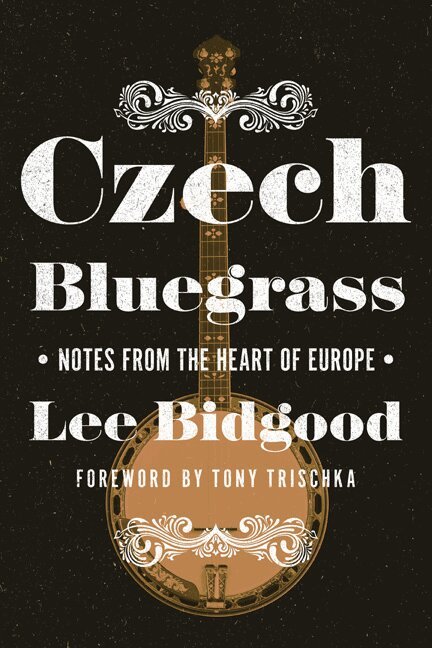
Bluegrass has found an unlikely home, and avid following, in the Czech Republic. The music's emergence in Central Europe places it within an increasingly global network of communities built around bluegrass activities. Lee Bidgood offers a fascinating study of the Czech bluegrass phenomenon that merges intimate immersion in the music with on-the-ground fieldwork informed by his life as a working musician. Drawing on his own close personal and professional interactions, Bidgood charts how Czech bluegrass put down roots and looks at its performance as a uniquely Czech musical practice. He also reflects on "Americanist" musical projects and the ways Czech musicians use them to construct personal and social identities. Bidgood sees these acts of construction as a response to the Czech Republic's postsocialist environment but also to US cultural prominence within our global mediascape.
299 kr
Skickas inom 7-10 vardagar
Collector of sexual folklore. Cataloger of erotica. Tireless social critic. Gershon Legman's singular, disreputable resume made him a counter-cultural touchstone during his forty-year exile in France. Despite his obscurity today, Legman’s prescient work and passion for the prurient laid the groundwork for our contemporary study of the forbidden. Susan G. Davis follows the life and times of the figure driven to share what he found in civilization's secret libraries. Self-taught and fiercely unaffiliated, Legman collected the risquÉ on street corners and in theaters and dug it out of little-known archives. If the sexual humor he uncovered often used laughter to disguise hostility and fear, he still believed it indispensable to the human experience. Davis reveals Legman in all his prickly, provocative complexity as an outrageous nonconformist thundering at a wrong-headed world while reveling in conflict, violating laws and boundaries with equal abandon, and pursuing love and improbable adventures. Through it all, he maintained a kaleidoscopic network of friends, fellow intellectuals, celebrity admirers, and like-minded obsessives.
317 kr
Skickas inom 7-10 vardagar
Olonkho, the epic narrative and song tradition of Siberia’s Sakha people, declined to the brink of extinction during the Soviet era. In 2005, UNESCO’s Masterpiece Proclamation sparked a resurgence of interest in olonkho by recognizing its important role in humanity’s oral and intangible heritage. Drawing on her ten years of living in the Russian North, Robin P. Harris documents how the Sakha have used the Masterpiece program to revive olonkho and strengthen their cultural identity. Harris’s personal relationships with and primary research among Sakha people provide vivid insights into understanding olonkho and the attenuation, revitalization, transformation, and sustainability of the Sakha’s cultural reemergence. Interdisciplinary in scope, Storytelling in Siberia considers the nature of folklore alongside ethnomusicology, anthropology, comparative literature, and cultural studies to shed light on how marginalized peoples are revitalizing their own intangible cultural heritage.