Food Safety Series – serie
Visar alla böcker i serien Food Safety Series. Handla med fri frakt och snabb leverans.
3 produkter
3 produkter
Häftad, Engelska, 1992
559 kr
Skickas inom 10-15 vardagar
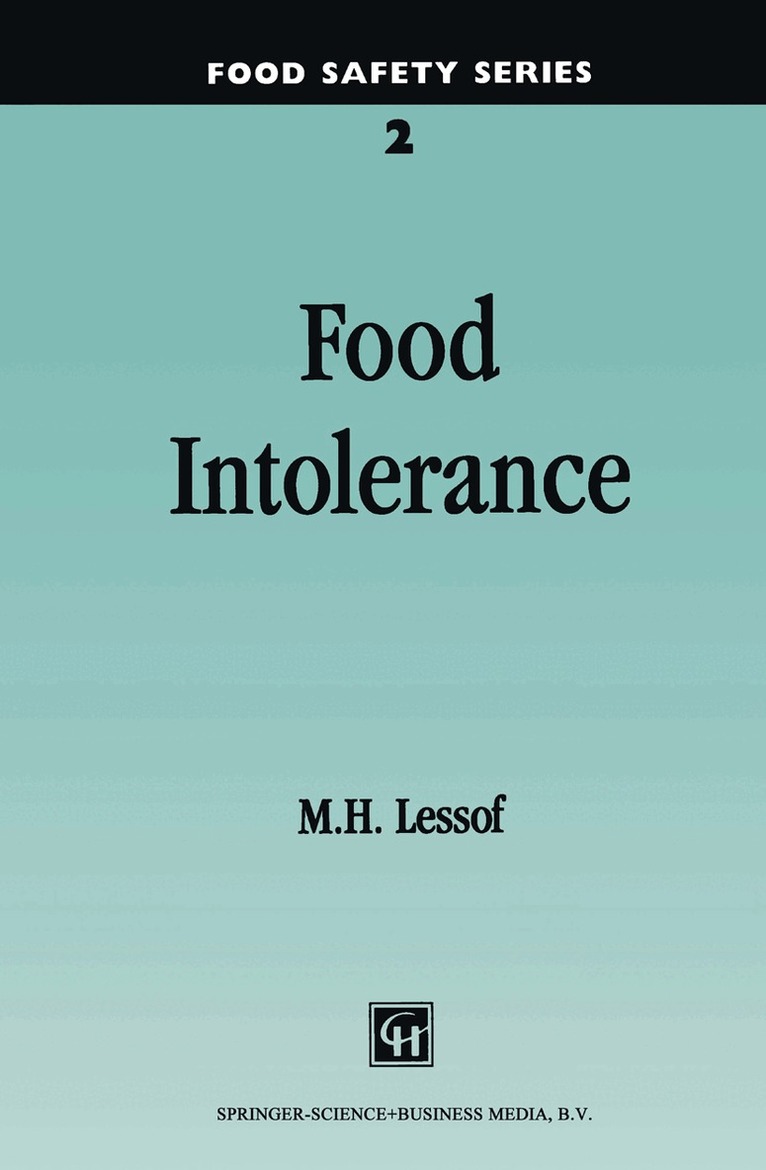
Many people experience, or believe they experience, a physical reaction to some sorts of food. These may range from allergies to psychologically based aversions. Frequently difficult to diagnose, they present particular problems for medical practitioners and health care workers, and they impinge on the food supply system as a whole. This book sets out to cover the whole question of food reactions and intolerance in a sympathetic, impartial and understanding way. It starts by placing the question in context, with a look at overall questions of nutrition, attitudes to food, and the position of food within society and within "alternative" medical practice. The physiology of digestion is then covered, together with food intolerance, clinical manifestations and testing methods. Reactions to food additives, milk and gluten are considered in detail. The book concludes with a chapter dealing with the dilemma faced by patients with reactions to food. Anybody with an interest in this subject should find this book useful. It may be of particular interest to allergy specialists, family doctors, dietitians and those likely to encounter food intolerance professionally.It should also prove valuable to agriculturalists, food manufacturers and retailers, legislators and consumer groups.
Häftad, Engelska, 1994
559 kr
Skickas inom 10-15 vardagar
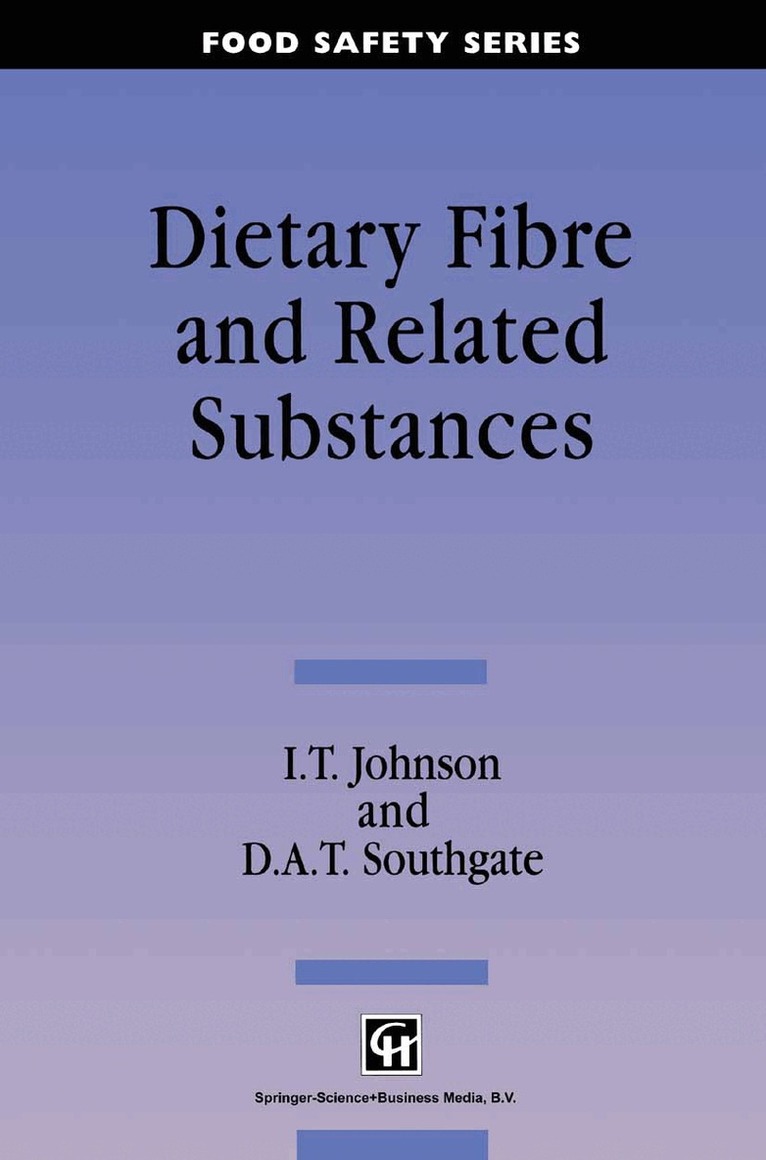
This book presents an account of the current knowledge of dietary fibre, covering both its beneficial role and possible adverse effects. Areas covered include the chemistry of plant cell walls, the problems of chemical analysis, and the physiological effects of cell wall polysaccharides throughout the alimentary tract. However the authors also provide, probably for the first time, a wide-ranging examination of the anti-nutritional and toxicological aspects of high-fibre diets and their regulatory implications. Professional health workers, legislators, food industry scientists and technologists, students of dietetics, medicine and food science should find this book of particular value, as should anyone with an interest in the topic of high fibre diets. This book should be of interest to nutritionists and health workers; food scientists; food technologists; food biochemists and chemists; dietitians; and gastroenterologists.
Häftad, Engelska, 2011
545 kr
Skickas inom 10-15 vardagar
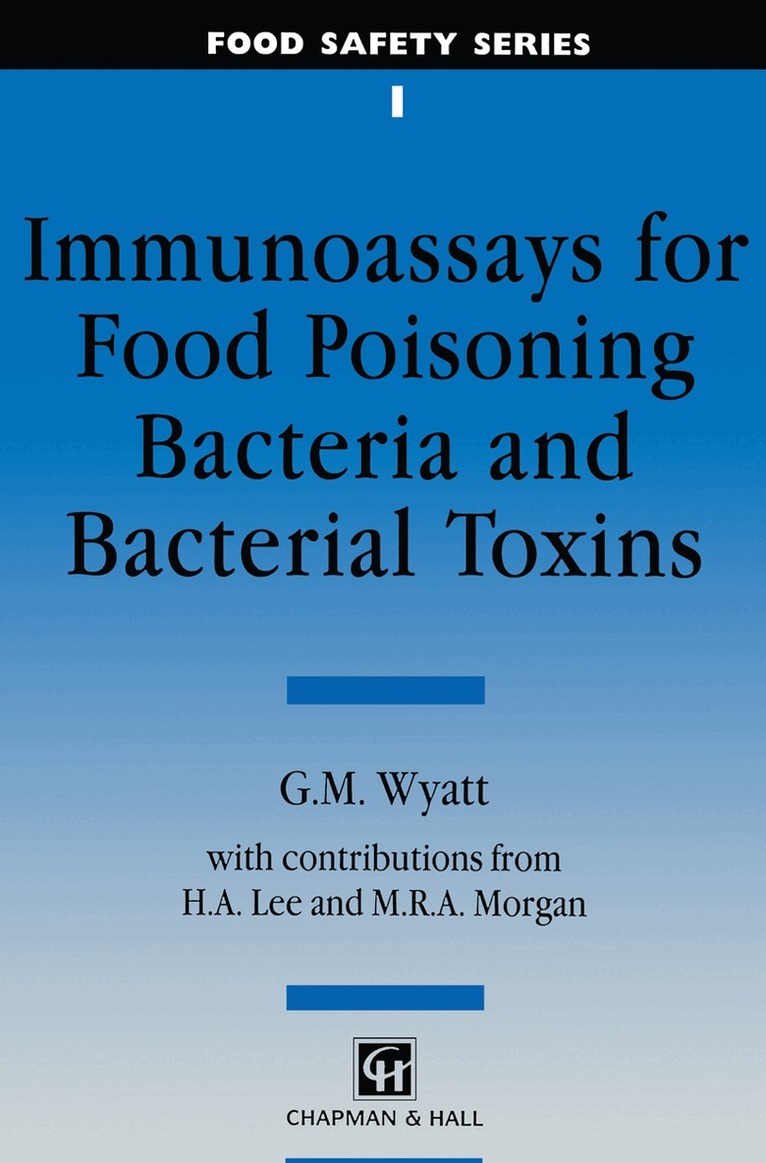
Consumer safety has become a central issue of the food supply system in most countries. It encompasses a large number of interacting scientific and tech nological matters, such as agricultural practice, microbiology, chemistry, food technology, processing, handling and packaging. The techniques used in understanding and controlling contaminants and toxicity range from the most sophisticated scientific laboratory methods, through industrial engineering science to simple logical rules implemented in the kitchen. The problems of food safety, however, spread far beyond those directly occupied in food production. Public interest and concern has become acute in recent years, alerting a wide spectrum of specialists in research, education and public affairs. This series aims to present timely volumes covering all aspects of the subject. They will be up-to-date, specialist reviews written by acknowledged experts in their fields of research to express each author's own viewpoint. The readership is intended to be wide and international, and the style to be comprehensible to non-specialists, albeit professionals. The series will be of interest to food scientists and technologists working in industry, universities, polytechnics and government institutes; legislators and regulators concerned with the food supply; and specialists in agriculture, engineering, health care and consumer affairs. One of the most difficult situations to control is the contamination of food by small numbers of pathogenic micro-organisms before they multiply to give the large populations causing food poisoning when eaten.