Food through History – serie
Visar alla böcker i serien Food through History. Handla med fri frakt och snabb leverans.
5 produkter
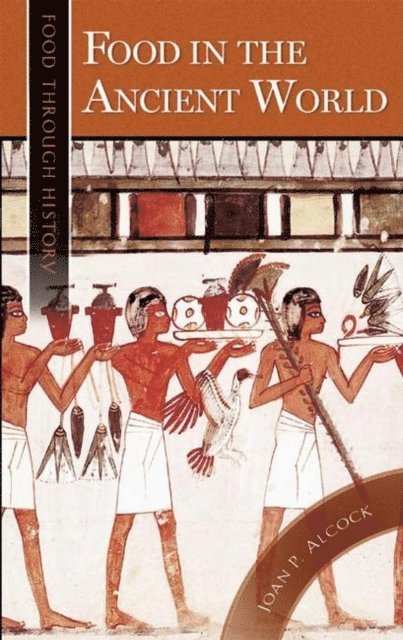
Food in the Ancient World
E-bok, 2005
1076 kr
Lägg i varukorg
The ways of life of four great ancient civilizations— Egyptian, Greek, Roman, and Celtic—are illuminated here through their foodways. As these cultures moved toward settled agriculture, a time of experimentation and learning began. Cities emerged, and with them consumer societies that needed to be …
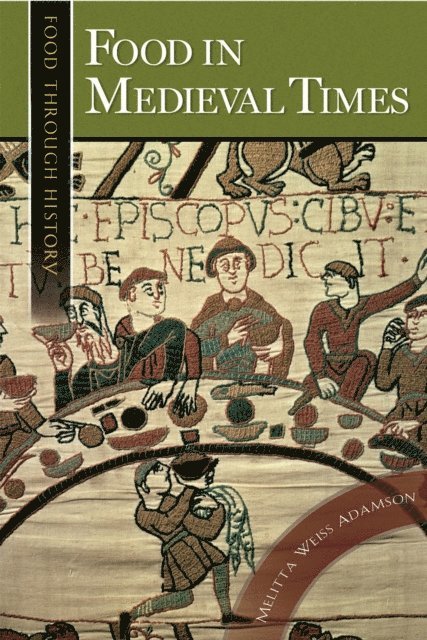
Food in Medieval Times
E-bok, 2004
390 kr
Lägg i varukorg
Students and other readers will learn about the common foodstuffs available, how and what they cooked, ate, and drank, what the regional cuisines were like, how the different classes entertained and celebrated, and what restrictions they followed for health and faith reasons. Fascinating …
Food in Medieval Times
Inbunden, 2004
755 kr
Lägg i varukorg
Students and other readers will learn about the common foodstuffs available, how and what they cooked, ate, and drank, what the regional cuisines were like, how the different classes entertained and celebrated, and what restrictions they followed for health and faith reasons. Fascinating …
Food in the Ancient World
Inbunden, 2005
922 kr
Lägg i varukorg
The ways of life of four great ancient civilizations— Egyptian, Greek, Roman, and Celtic—are illuminated here through their foodways. As these cultures moved toward settled agriculture, a time of experimentation and learning began. Cities emerged, and with them consumer societies that needed to be …
Food in Medieval Times
Häftad, 2004
4,0 utav 5 stjärnor. Totalt antal röster: (1)
381 kr
Lägg i varukorg
Students and other readers will learn about the common foodstuffs available, how and what they cooked, ate, and drank, what the regional cuisines were like, how the different classes entertained and celebrated, and what restrictions they followed for health and faith reasons. Fascinating …