
Genome Dynamics and Stability – serie
Visar alla böcker i serien Genome Dynamics and Stability. Handla med fri frakt och snabb leverans.
8 produkter
8 produkter
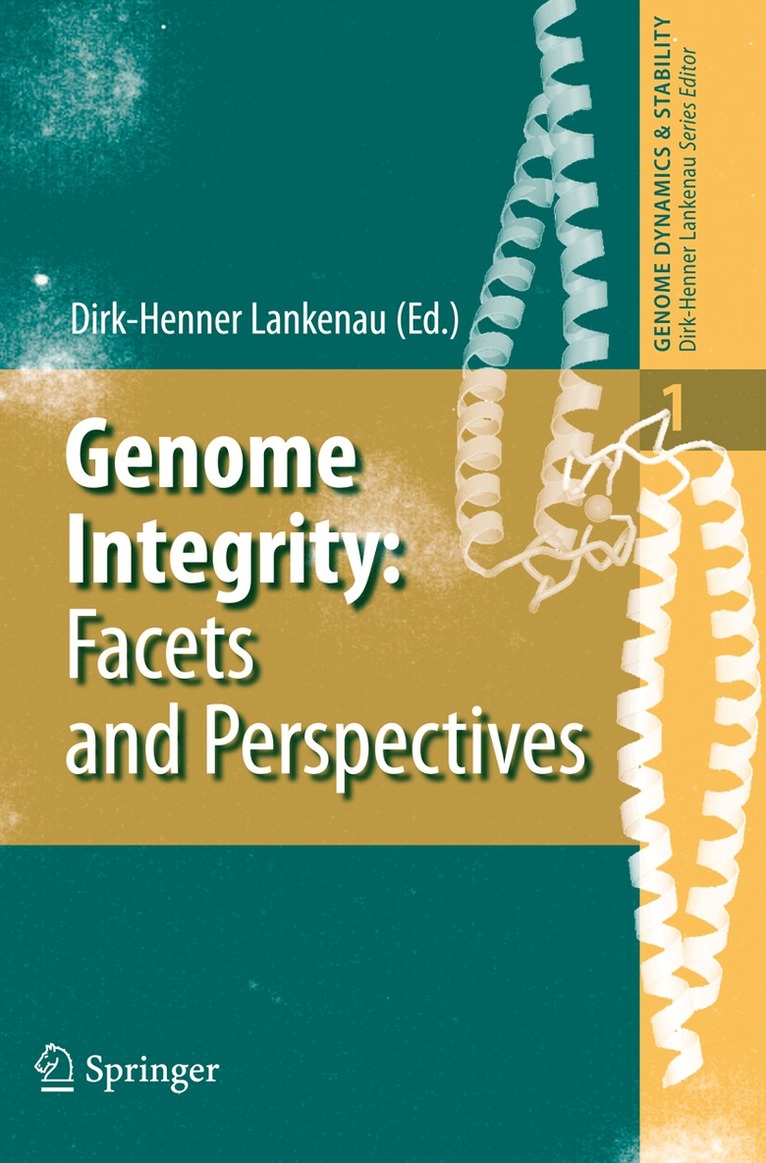
Del 1 - Genome Dynamics and Stability
Genome Integrity
Facets and Perspectives
Inbunden, Engelska, 2006
3 228 kr
Skickas inom 10-15 vardagar
Cells and viruses maintain a genome capable of multiplication, variation and heredity. A genome consists of chromosomes, each being built up of two complementary strands of nucleic acid known as DNA. Its chemical integrity, however, is under constant assault from metabolic mutagens, such as hydroxy-radicals, endonucleases, radiation, replication errors, and environmental mutagens. From microorganisms to humans, this volume provides an interdisciplinary overview of how genome integrity is maintained. The volume begins with DNA replication and continues with replicative DNA repair and pleiotropic protein interactions. Examples of human diseases are included and the cellular responses to radiation and genotoxic stress affecting whole genomes are reviewed.
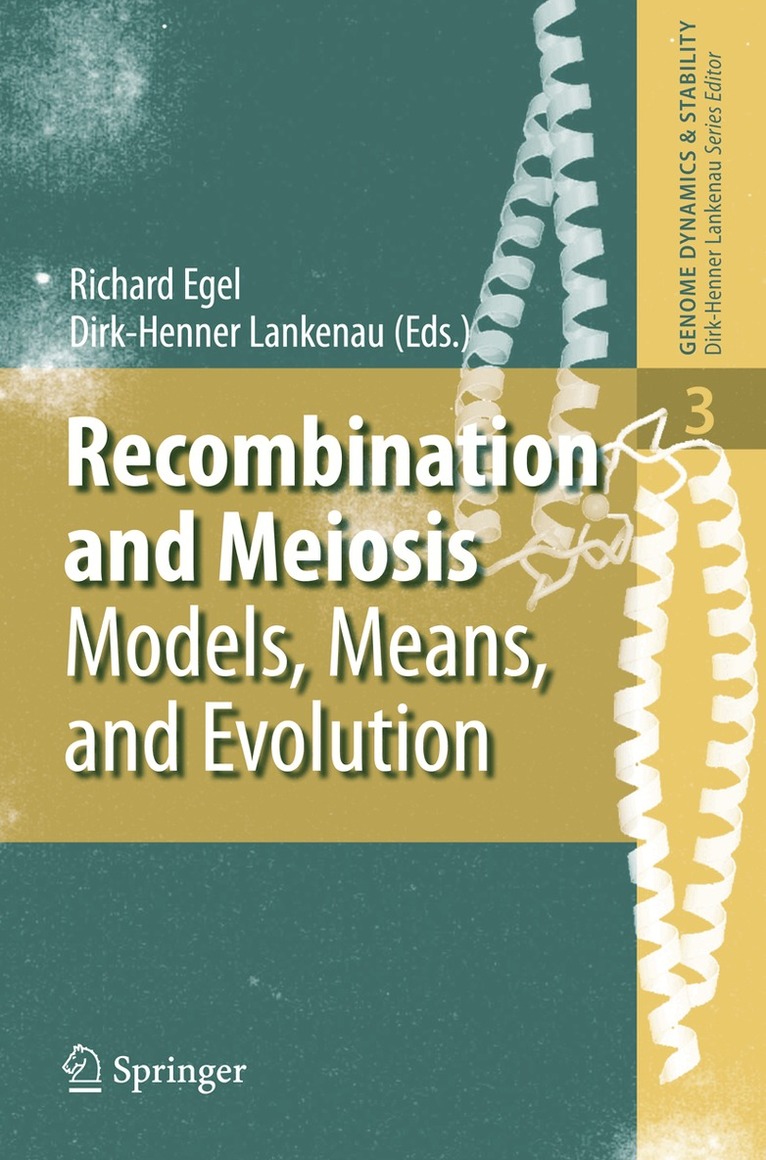
Del 3 - Genome Dynamics and Stability
Recombination and Meiosis
Models, Means, and Evolution
Inbunden, Engelska, 2008
2 154 kr
Skickas inom 10-15 vardagar
Once per life cycle, mitotic nuclear divisions are replaced by meiosis I and II – reducing chromosome number from the diploid level to a haploid genome and recombining chromosome arms by crossing-over. In animals, all this happens during formation of eggs and sperm – in yeasts before spore formation. The mechanisms of reciprocal exchange at crossover/chiasma sites are central to mainstream meiosis. To initiate the meiotic exchange of DNA, surgical cuts are made as a form of calculated damage that subsequently is repaired by homologous recombination. These key events are accompanied by ancillary provisions at the level of chromatin organization, sister chromatid cohesion and differential centromere connectivity. Great progress has been made in recent years in our understanding of these mechanisms. Questions still open primarily concern the placement of and mutual coordination between neighboring crossover events. Of overlapping significance, this book features two comprehensive treatises of enzymes involved in meiotic recombination, as well as the historical conceptualization of meiotic phenomena from genetical experiments. More specifically, these mechanisms are addressed in yeasts as unicellular model eukaryotes. Furthermore, evolutionary subjects related to meiosis are treated.
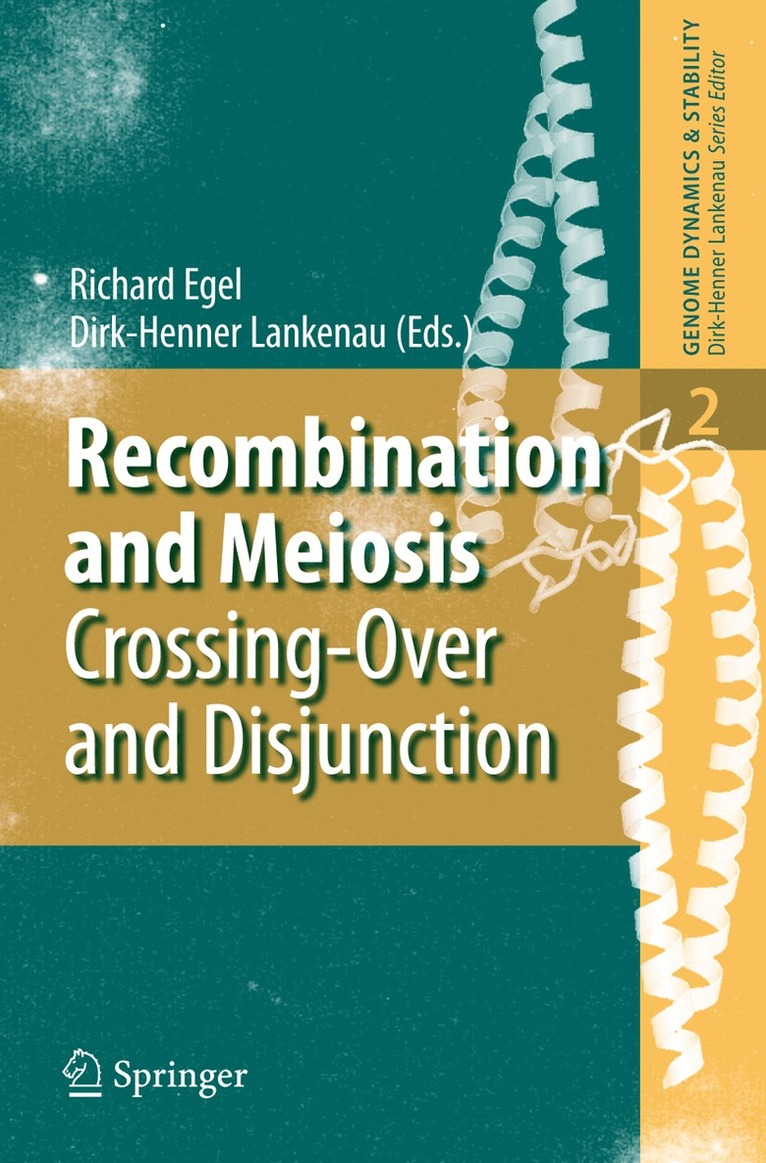
Del 2 - Genome Dynamics and Stability
Recombination and Meiosis
Crossing-Over and Disjunction
Inbunden, Engelska, 2007
3 228 kr
Skickas inom 10-15 vardagar
Once per life cycle, mitotic nuclear divisions are replaced by meiosis I and II – reducing chromosome number from the diploid level to a haploid genome, reshuffling the homologous chromosomes by their centromeres, and recombining chromosome arms by crossing-over. In animals, including humans, all this happens during the germ cell formation of eggs and sperm. Due to the reign of meiosis, no child is a true genetic copy of either parent. Central to mainstream meiosis, the mechanisms of reciprocal exchange at crossover/chiasma sites stand out as a controlled program of biologically significant molecular changes. To initiate the meiotic exchange of DNA, surgical cuts are made as a form of calculated damage that is subsequently repaired by homologous recombination. These key events are accompanied by ancillary provisions at the level of chromosome core organization, sister chromatid cohesion, and differential centromere connectivity. Great progress has been made in recent years to further our understanding of these mechanisms. Questions still open primarily concern the placement of and mutual coordination between neighboring crossover events. The current book addresses these processes and mechanisms in multicellular eukaryotes, such as Drosophila, Arabidopsis, mice and humans. The pioneering model systems of yeasts, as well as evolutionary aspects, will be addressed in a forthcoming volume.
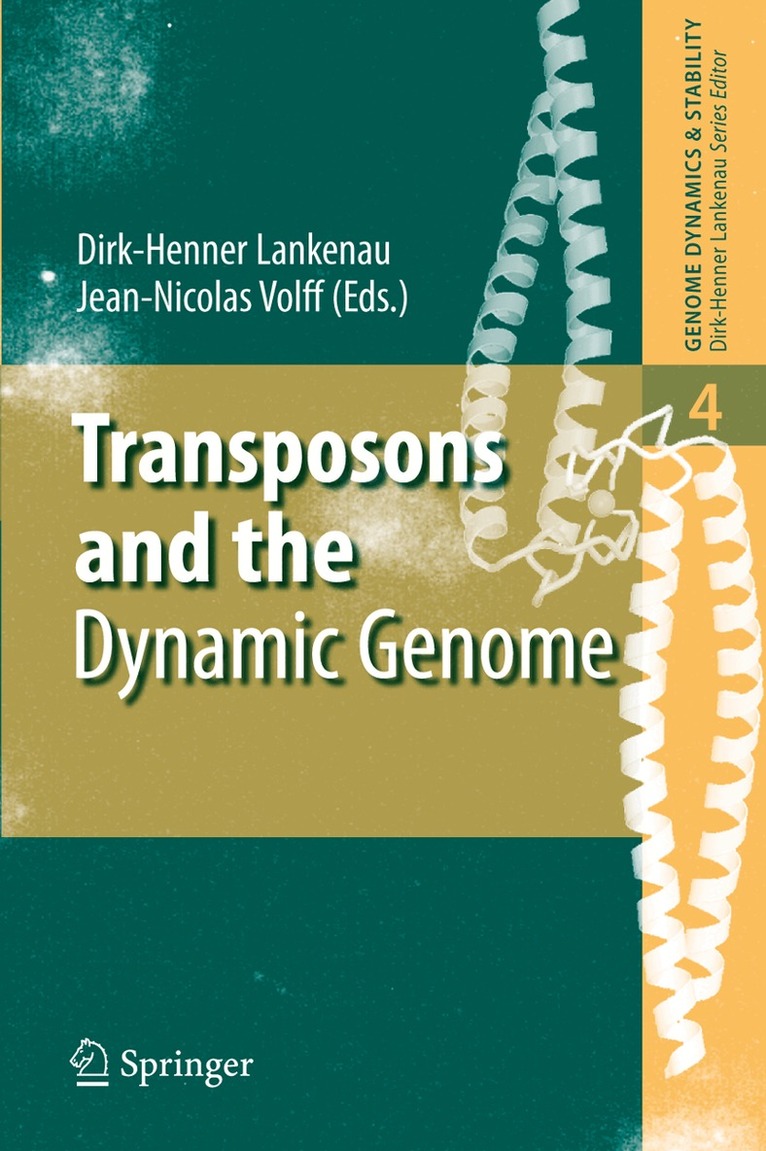
Del 4 - Genome Dynamics and Stability
Transposons and the Dynamic Genome
Inbunden, Engelska, 2009
1 666 kr
Skickas inom 10-15 vardagar
It will be some time beforewe see Relax, there's nothing wrong with the "slime, protoplasm, &c. "generating transpositionpaper. People aren't a new animal. ButI have long readyforthisyet. Istopped publishing regretted that I truckled to public in refereed journals in 1965 because opinion,andusedthePentateuchal therewas nointerest in themaize term of creation,by which I really controlling elements. meant "appeared" by some wholly Barbara McClintockto Mel Green, unknownprocess. It is mere rubbish, 1969 thinking at presentof theorigin of life; onemight as well think of the originof matter. Charles Darwin to James D. Hooker, March29, 1863 Sometimes my students and others have asked me: "what was ?rst in evo- tion - retroviruses or retrotransposons?" Since HowardTemin proposed that retrovirusesevolvedfromretrotransposons(Temin1980;Teminetal. 1995)the other alternative that retroviruses emerged ?rst and were the predecessors of LTR-retrotransposons has since been a controversial issue (Terzian et al. , this BOOK). While DNA-transposons could not have existed in an ancestral R- world by de?nition, sure enough, some arguments de?nitely point towards apre-DNAworldscenarioinwhichretroelementswerethedirectdescendants of the earliest replicators representing the emergence of life.First, these rep- cators likely catalyzed their own or other's replication cycles via the catalytic properties of RNA molecules. After translation had emerged some replicators possibly encoded an RNA polymerase ?rst. This later evolved into reverse transcriptase(RT),i. e. themostprominentkey-factoratthetransitionintothe DNA world. Simultaneously, replicators could also have encoded membrane protein-genessuchastheenvgeneofrecentDNA-proviruses. Membraneswere likely present muchearlier as prebioticoily ?lms that supported theevolution of a prebiotic-protometabolism (Dyson 1999; Grif?ths 2007).
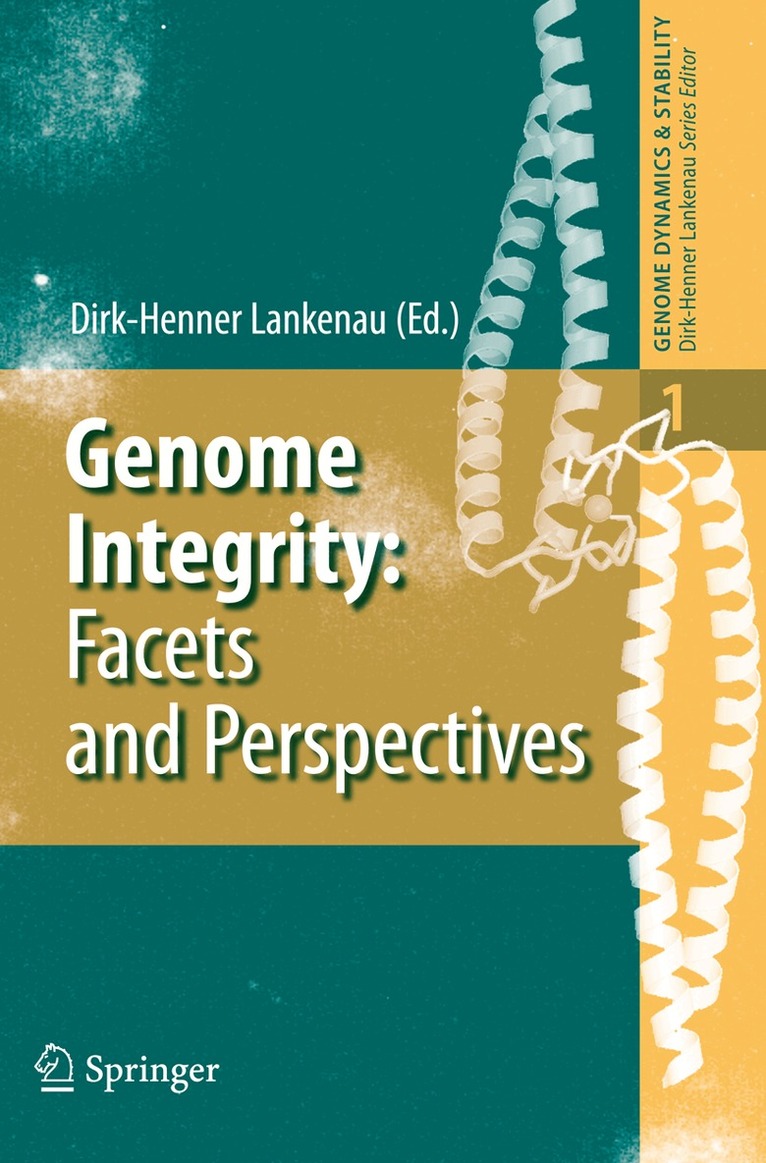
Del 1 - Genome Dynamics and Stability
Genome Integrity
Facets and Perspectives
Häftad, Engelska, 2010
3 324 kr
Skickas inom 10-15 vardagar
Cells and viruses maintain a genome capable of multiplication, variation and heredity. A genome consists of chromosomes, each being built up of two complementary strands of nucleic acid known as DNA. Its chemical integrity, however, is under constant assault from metabolic mutagens, such as hydroxy-radicals, endonucleases, radiation, replication errors, and environmental mutagens. From microorganisms to humans, this volume provides an interdisciplinary overview of how genome integrity is maintained. The volume begins with DNA replication and continues with replicative DNA repair and pleiotropic protein interactions. Examples of human diseases are included and the cellular responses to radiation and genotoxic stress affecting whole genomes are reviewed.
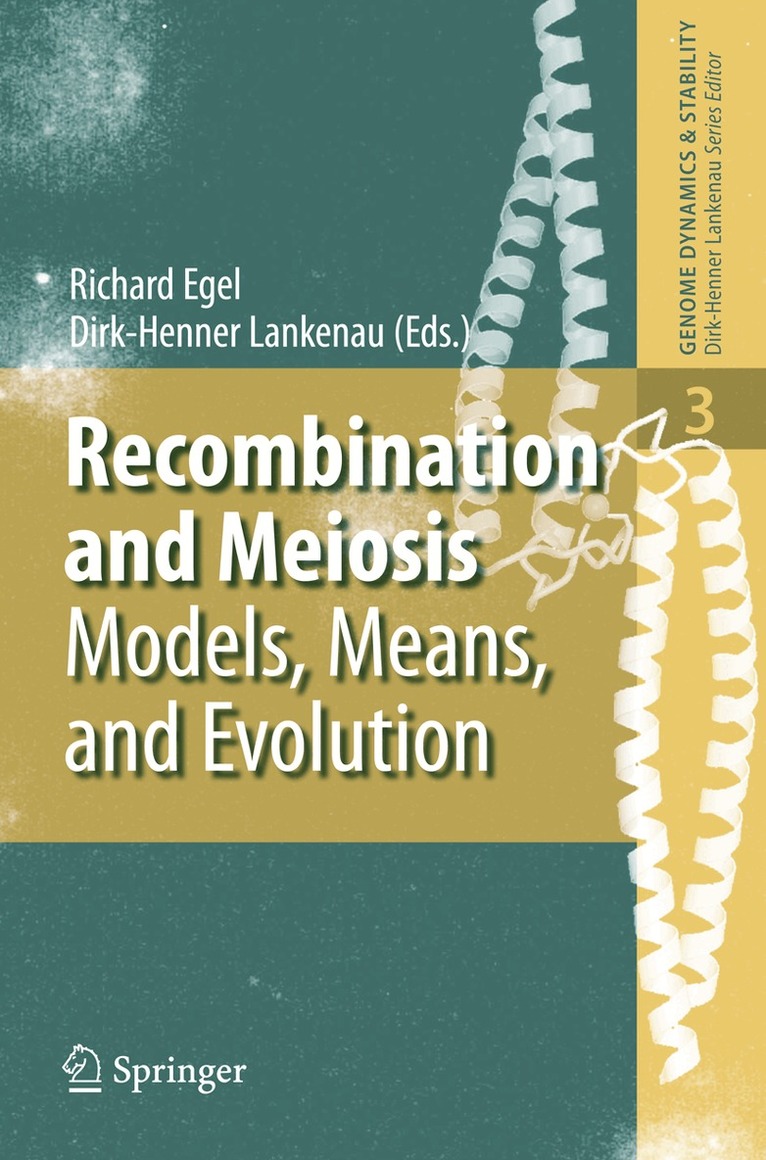
Del 3 - Genome Dynamics and Stability
Recombination and Meiosis
Models, Means, and Evolution
Häftad, Engelska, 2010
2 219 kr
Skickas inom 10-15 vardagar
Once per life cycle, mitotic nuclear divisions are replaced by meiosis I and II – reducing chromosome number from the diploid level to a haploid genome and recombining chromosome arms by crossing-over. In animals, all this happens during formation of eggs and sperm – in yeasts before spore formation. The mechanisms of reciprocal exchange at crossover/chiasma sites are central to mainstream meiosis. To initiate the meiotic exchange of DNA, surgical cuts are made as a form of calculated damage that subsequently is repaired by homologous recombination. These key events are accompanied by ancillary provisions at the level of chromatin organization, sister chromatid cohesion and differential centromere connectivity. Great progress has been made in recent years in our understanding of these mechanisms. Questions still open primarily concern the placement of and mutual coordination between neighboring crossover events. Of overlapping significance, this book features two comprehensive treatises of enzymes involved in meiotic recombination, as well as the historical conceptualization of meiotic phenomena from genetical experiments. More specifically, these mechanisms are addressed in yeasts as unicellular model eukaryotes. Furthermore, evolutionary subjects related to meiosis are treated.
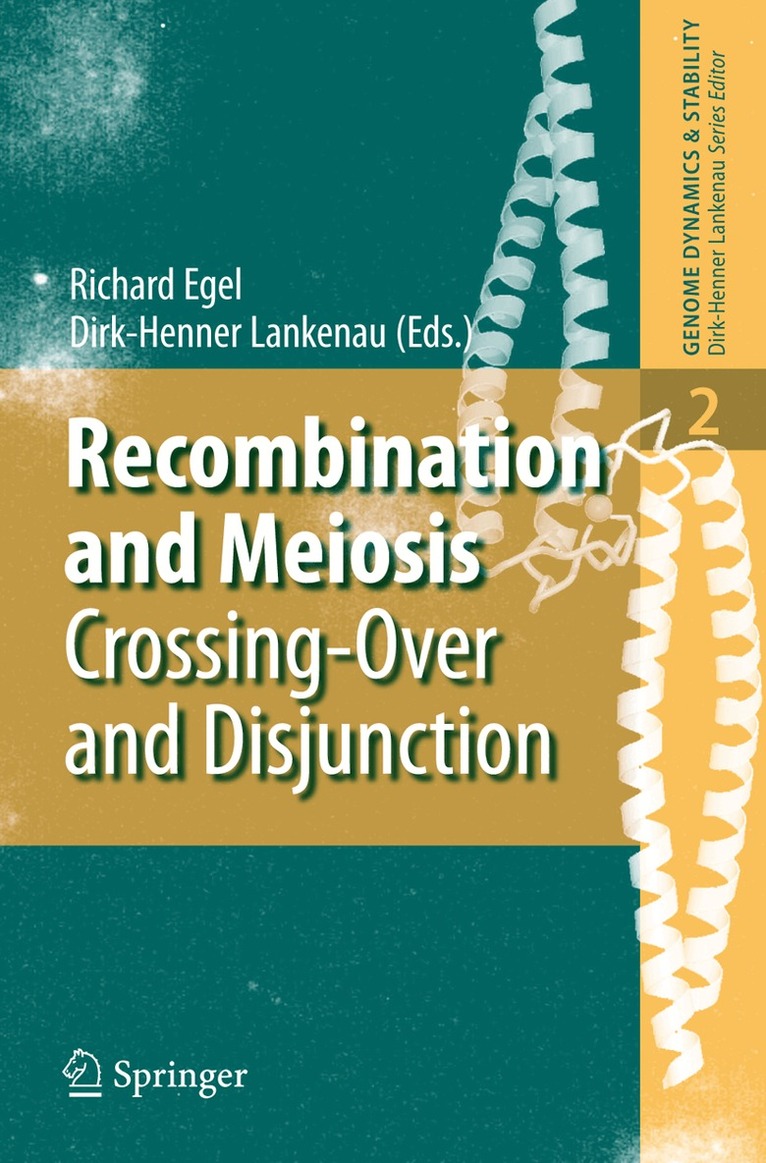
Del 2 - Genome Dynamics and Stability
Recombination and Meiosis
Crossing-Over and Disjunction
Häftad, Engelska, 2010
3 324 kr
Skickas inom 10-15 vardagar
Once per life cycle, mitotic nuclear divisions are replaced by meiosis I and II – reducing chromosome number from the diploid level to a haploid genome, reshuffling the homologous chromosomes by their centromeres, and recombining chromosome arms by crossing-over. In animals, including humans, all this happens during the germ cell formation of eggs and sperm. Due to the reign of meiosis, no child is a true genetic copy of either parent. Central to mainstream meiosis, the mechanisms of reciprocal exchange at crossover/chiasma sites stand out as a controlled program of biologically significant molecular changes. To initiate the meiotic exchange of DNA, surgical cuts are made as a form of calculated damage that is subsequently repaired by homologous recombination. These key events are accompanied by ancillary provisions at the level of chromosome core organization, sister chromatid cohesion, and differential centromere connectivity. Great progress has been made in recent years to further our understanding of these mechanisms. Questions still open primarily concern the placement of and mutual coordination between neighboring crossover events. The current book addresses these processes and mechanisms in multicellular eukaryotes, such as Drosophila, Arabidopsis, mice and humans. The pioneering model systems of yeasts, as well as evolutionary aspects, will be addressed in a forthcoming volume.
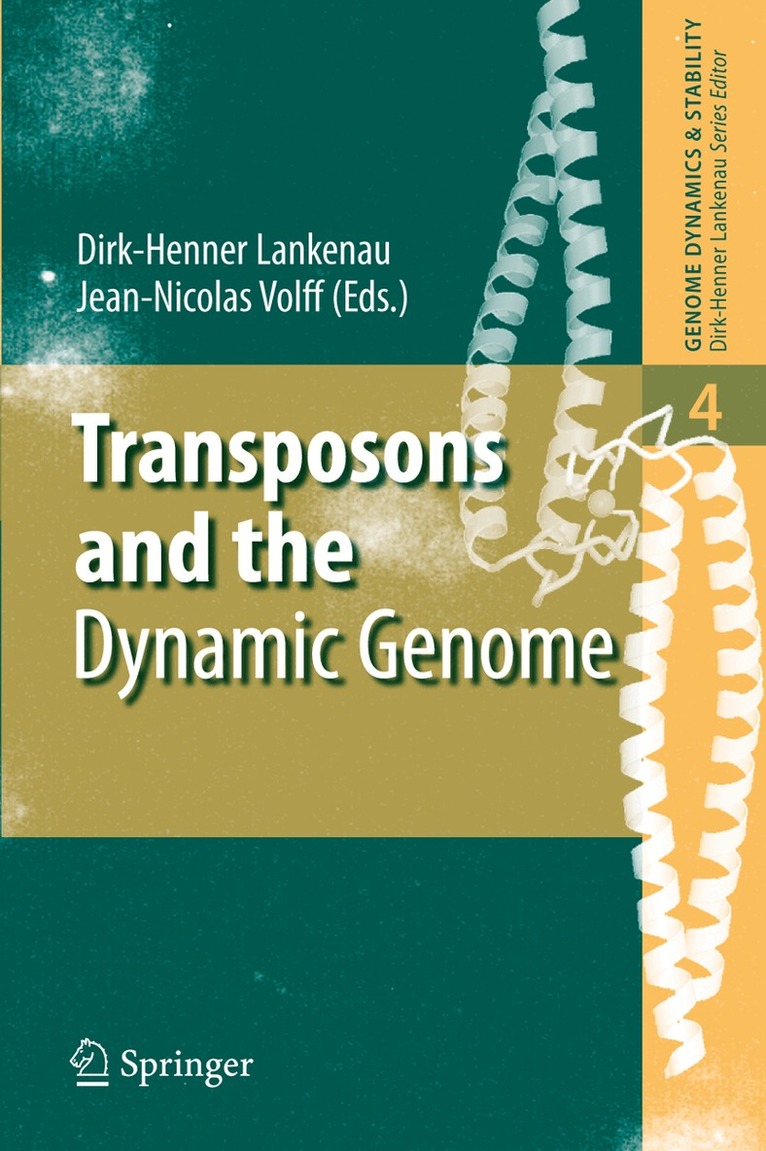
Del 4 - Genome Dynamics and Stability
Transposons and the Dynamic Genome
Häftad, Engelska, 2011
1 666 kr
Skickas inom 10-15 vardagar
It will be some time beforewe see Relax, there's nothing wrong with the "slime, protoplasm, &c. "generating transpositionpaper. People aren't a new animal. ButI have long readyforthisyet. Istopped publishing regretted that I truckled to public in refereed journals in 1965 because opinion,andusedthePentateuchal therewas nointerest in themaize term of creation,by which I really controlling elements. meant "appeared" by some wholly Barbara McClintockto Mel Green, unknownprocess. It is mere rubbish, 1969 thinking at presentof theorigin of life; onemight as well think of the originof matter. Charles Darwin to James D. Hooker, March29, 1863 Sometimes my students and others have asked me: "what was ?rst in evo- tion - retroviruses or retrotransposons?" Since HowardTemin proposed that retrovirusesevolvedfromretrotransposons(Temin1980;Teminetal. 1995)the other alternative that retroviruses emerged ?rst and were the predecessors of LTR-retrotransposons has since been a controversial issue (Terzian et al. , this BOOK). While DNA-transposons could not have existed in an ancestral R- world by de?nition, sure enough, some arguments de?nitely point towards apre-DNAworldscenarioinwhichretroelementswerethedirectdescendants of the earliest replicators representing the emergence of life.First, these rep- cators likely catalyzed their own or other's replication cycles via the catalytic properties of RNA molecules. After translation had emerged some replicators possibly encoded an RNA polymerase ?rst. This later evolved into reverse transcriptase(RT),i. e. themostprominentkey-factoratthetransitionintothe DNA world. Simultaneously, replicators could also have encoded membrane protein-genessuchastheenvgeneofrecentDNA-proviruses. Membraneswere likely present muchearlier as prebioticoily ?lms that supported theevolution of a prebiotic-protometabolism (Dyson 1999; Grif?ths 2007).