Gingko Library – serie
Visar alla böcker i serien Gingko Library. Handla med fri frakt och snabb leverans.
2 produkter
2 produkter
Inbunden, Engelska, 2024
2 084 kr
Skickas inom 7-10 vardagar
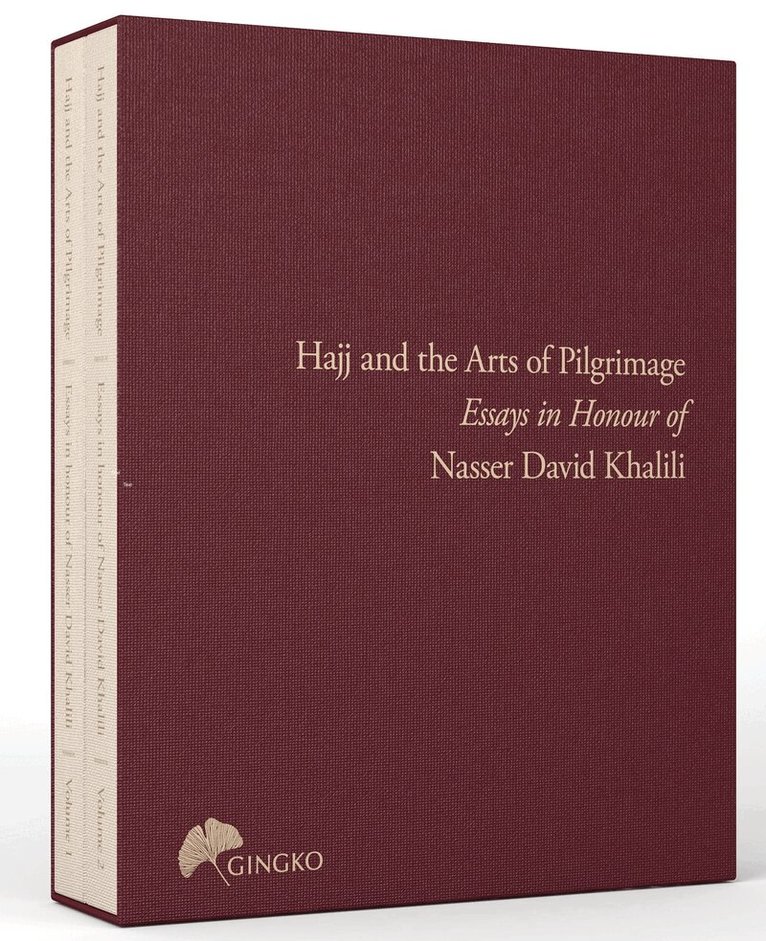
Over the course of five decades, Professor Sir Nasser David Khalili has assembled eight of the world’s most important collections of art. Together they consist of over 35,000 objects, with each collection providing an exhaustive account of its subject. In acquiring, conserving, researching, exhibiting, publishing and digitising these collections, Sir David has contributed, significantly to numerous fields of scholarship and in the process helped foster a greater understanding of the world’s traditions. One of these eight collections – Hajj and the Arts of Pilgrimage – was compiled not only on the basis of its intrinsic aesthetic merit, but principally as a means of telling a complete visual story of Hajj and the importance of the sanctuaries of Mecca and Medina.Hajj and the Arts of Pilgrimage consists of twenty-seven essays addressing objects in the remarkable collection of Professor Sir Nasser David Khalili. The collection features more than five thousand objects relating to the arts of pilgrimage, from the eighth century to today, and includes Qur’ans, illustrated manuscripts, rare books, scientific instruments, textiles, coins, paintings, prints, and photo-postcards, as well as archival material, unique historical documents, and examples of the work of some of the earliest Muslim photographers of Hajj. Together the essays in Hajj and the Arts of Pilgrimage provide a comprehensive overview of Hajj, illustrating the religious, spiritual, cultural, and artistic aspects of pilgrimage to the Holy Sanctuaries of Islam and the cosmopolitan nature of Hajj itself. Each essay is written by a prominent specialist in the field and beautifully illustrated with full-colour images of objects from the collection, some of which have never been seen before. This work is a fitting tribute to Professor Sir Nasser David Khalili and his decades of passion, determination and scholarship in the field of Islamic art. These volumes will transform our perception of the pilgrimage.
Häftad, Engelska, 2024
295 kr
Skickas inom 5-8 vardagar
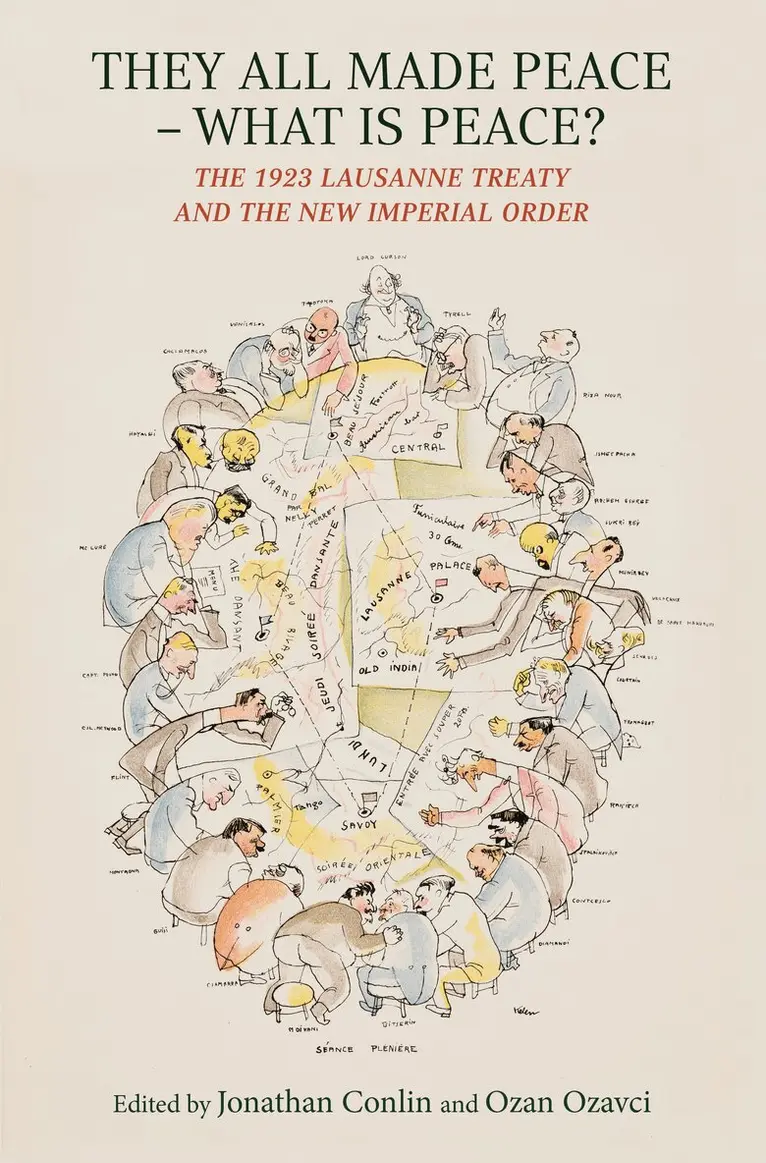
The 1923 Treaty of Lausanne may have been the last of the post-World War One peace settlements, but it was very different from Versailles. Like its German and Austro-Hungarian allies, the defeated Ottoman Empire had initially been presented with a dictated peace in 1920. In just two years, however, the Kemalist insurgency turned defeat into victory, enabling Turkey to claim its place as the first sovereign state in the Middle East. Meanwhile those communities who had lived side-by-side with Turks inside the Ottoman Empire struggled to assert their own sovereignty, jostled between the Soviet Union and the resurgence of empire in the guise of League of Nations mandates. For 1.5m Ottoman Greeks and Balkan Muslims, ‘making peace’ involved forcedpopulation exchanges, a peace-making tool now understood as ethnic cleansing. Chapters consider competing visions for a postOttoman world, situate the population exchanges relative to other peace-making efforts, and discuss economic factors behind the reallocation of Ottoman debt as well as refugee flows and oil politics. Further chapters consider Arab, Armenian, American and Iranian perspectives, as well as the long shadow cast by Lausanne over contemporary politics, both inside Turkey and out.